That moment in late April when you pull the covers off your garden furniture and find a lovely coating of green algae, bird droppings, and what appears to be a thriving moss colony — we’ve all been there. We spent last spring testing cleaning methods on every material type to find what actually works. British weather does a number on outdoor furniture. The RHS recommends an annual spring clean to protect your investment. If you’re working with a compact space, our small garden ideas guide has tips on making the most of limited patio areas, and after six months of damp, cold, and barely any sun (the RHS recommends regular maintenance to keep furniture in good condition), even the best sets look rough.
The good news: almost all garden furniture cleans up brilliantly with the right approach. The bad news: using the wrong approach can wreck it. Bleach on teak strips the natural oils. A pressure washer on rattan shreds the weave. Wire wool on aluminium leaves scratches that oxidise for years. Each material needs its own method, and once you know the basics, you’re talking 30 minutes of work a few times a year — not a full weekend project.
Here’s exactly how to clean every type of garden furniture, what products to use, and a realistic UK seasonal schedule that keeps everything looking good without turning maintenance into a second job.
Cleaning Wooden Garden Furniture
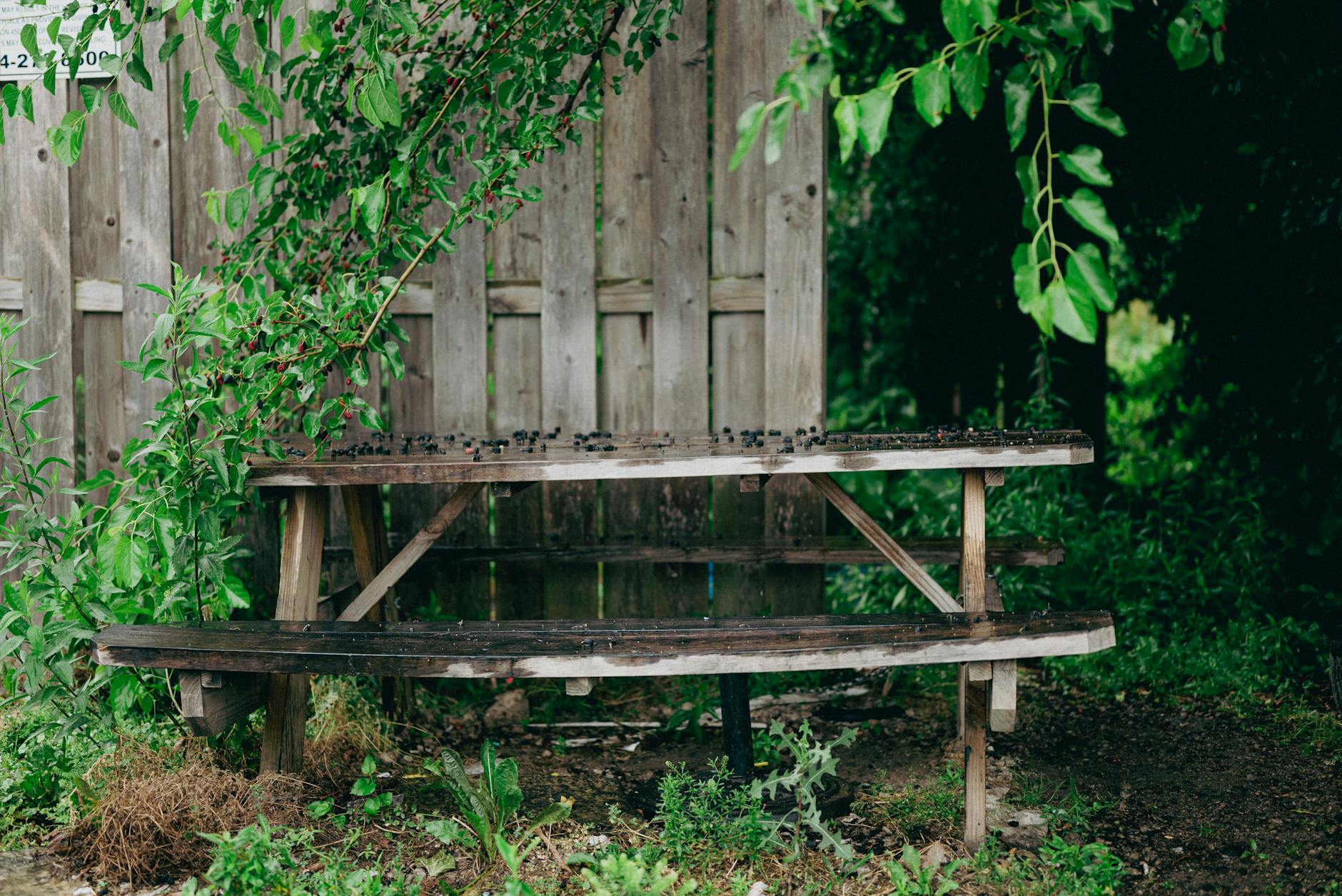
Wood is the material that needs the most love, but it rewards you with the best looks. The approach depends entirely on whether you’re dealing with teak, softwood, or treated hardwood.
Teak
Teak is the king of outdoor wood. Dense, naturally oily, and resistant to rot even without treatment. Left completely alone, it turns from honey-gold to a silver-grey patina over one to two years. Some people love that look — and if you do, maintenance is almost zero. Just clean it.
Basic cleaning (twice a year): – Mix warm water with a squirt of washing-up liquid (Fairy works fine — nothing fancy) – Scrub with a soft-bristle brush along the grain. Never across it. – Rinse with a garden hose. Not a pressure washer — the force drives water into the grain and raises the fibres – Let it dry completely before doing anything else
Removing green algae and mildew: – Mix one part white vinegar to four parts warm water – Apply with a sponge, leave for 10 minutes, scrub gently, rinse – For stubborn spots, a dedicated teak cleaner like Barrettine Teak Cleaner (about £10-12 from Amazon UK or Screwfix) works faster
Restoring the original colour: If you’ve let teak go grey and want the honey colour back, you’ll need to sand it lightly (120-grit sandpaper, along the grain) and then apply teak oil.
Teak oil — the annual ritual: – Apply teak oil once a year, ideally in late April or early May after a good cleaning – Barrettine Premium Teak Oil (about £12-15 per litre, enough for a 6-seater set) is the one most UK garden centres stock – Apply with a lint-free cloth or a foam brush, thin even coats, following the grain – Let each coat soak in for 15-20 minutes, then wipe off any excess – Two coats is usually enough. Three if the wood is very dry – Do this on a dry day above 10°C — not in direct blazing sun, which makes the oil go tacky before it absorbs
Some teak purists say never oil it, arguing that oil can attract dirt and create blotchy patches. They’re not wrong — teak doesn’t need oil to survive. But if you want that warm golden look, oil is the only way to maintain it. Just apply it evenly and wipe off the excess properly.
Softwood (Pine, Spruce)
Most budget garden furniture from B&Q, Argos, and Wilko is softwood — usually pressure-treated pine or spruce. It’s cheap, it looks decent when new, and it deteriorates faster than hardwood.
Cleaning method: Same as teak — warm soapy water, soft brush, rinse. But softwood is more porous, so algae and mildew get deeper into the grain. You may need to scrub harder or use a dedicated wood cleaner.
Preservation: Softwood furniture completely needs annual treatment. Use a wood preserver like Cuprinol Garden Furniture Stain (about £10-15 from B&Q or Wickes) — it comes in clear and various colours. Apply in late spring on clean, dry wood. Two coats, 4-6 hours drying time between them.
Without treatment, softwood starts to split, warp, and go grey within a single season. With annual treatment, you’ll get 5-8 good years from it.
Other Hardwoods (Acacia, Eucalyptus, Shorea)
These mid-range hardwoods (common in Habitat, IKEA, and John Lewis furniture) fall between teak and softwood. They’re denser than pine but lack teak’s natural oil content.
Clean the same way as teak. Oil annually — Danish oil or hardwood furniture oil from Osmo or Barrettine works well. Without oiling, they tend to crack and split sooner than teak, especially in the British freeze-thaw cycle.
Cleaning Metal Garden Furniture
Metal furniture is generally easier to maintain than wood, but different metals have different enemies.
Aluminium
Aluminium doesn’t rust — full stop. That’s its biggest selling point for UK outdoor use. But it does oxidise, leaving a chalky white residue on the surface that dulls the finish.
Regular cleaning: – Warm soapy water and a soft cloth or sponge – Rinse and dry with a clean towel to prevent water spots – That’s literally it for 90% of maintenance
Dealing with oxidation: – If the surface has gone chalky or dull, use a non-abrasive metal polish like Autosol Metal Polish (about £5-8 from Halfords or Amazon UK) – Apply with a soft cloth, buff in circular motions, rinse – For powder-coated aluminium (which most patio furniture is), oxidation isn’t really an issue — the coating protects the metal. Just clean off dirt and you’re done
What NOT to do: – Never use wire wool, steel wool, or abrasive scourers — they scratch the surface and the scratches oxidise – Never use bleach or acidic cleaners — they strip powder coating
Steel and Wrought Iron
Steel rusts. That’s its nature, and in the UK climate, it rusts fast once the protective coating is compromised. Powder-coated or painted steel furniture is fine until it gets chipped or scratched — then water gets in and you’ve got rust spots within weeks.
Regular cleaning: – Warm soapy water, soft cloth, rinse, dry thoroughly – Pay special attention to joints, welds, and the underside of legs — these are where rust starts
Treating rust spots: – Sand the rusty area gently with fine sandpaper (240-grit) until you’re back to clean metal – Wipe with white spirit to remove dust – Apply a rust-inhibiting primer (Hammerite Rust Remover, about £6-8 from B&Q) – Touch up with matching exterior metal paint — Hammerite Smooth or Direct to Rust (about £10-14) is the UK standard – Two thin coats, dry between them
Prevention: The best defence is catching chips early. Keep a small tin of matching paint and touch up chips as soon as you spot them. A 5-minute touch-up in June prevents a 2-hour rust removal session in September.
Cast Aluminium
Common in ornate, traditional-style garden furniture (the fancy bistro sets you see outside pubs). Cast aluminium is maintenance-light — it won’t rust and it’s very durable. Clean with soapy water. If the paint finish fades after years, you can repaint it with exterior metal spray paint, though most people never bother.
Cleaning Rattan and Wicker Garden Furniture
Most “rattan” garden furniture sold in the UK isn’t actually rattan — it’s synthetic PE (polyethylene) wicker woven over a metal frame. Real rattan is a natural material that completely cannot live outside in British weather year-round. If yours is outdoors permanently, it’s almost definitely synthetic.
Synthetic Rattan (PE Wicker)
Regular cleaning: – Mix warm water with washing-up liquid – Use a soft brush (an old washing-up brush is perfect) to get into the weave — this is where dirt, pollen, and spiders love to hide – Rinse with a hose. You can use a pressure washer on a low, wide setting (fan nozzle, at least 30cm distance), but be careful around joints where the weave attaches to the frame – Dry in the sun if possible, or towel-dry the top surfaces
Deep cleaning (once a year): – For built-up grime in the weave, use a solution of warm water and bicarbonate of soda (two tablespoons per litre) – Apply with a soft brush, leave for 10 minutes, scrub, rinse – An old toothbrush is genuinely useful for getting into tight weave patterns
Dealing with mould: Mould on synthetic rattan is cosmetic — it’s on the surface, not inside the material. Mix one part white vinegar to two parts water, spray on, leave for 15 minutes, scrub with a soft brush, rinse. Repeat if needed.
Fading: UV exposure fades synthetic rattan over time. Higher-quality brands (Maze, Bramblecrest, 4 Seasons Outdoor) use UV-stabilised PE that resists fading for 5-8 years. Budget rattan from Amazon fades noticeably within 2-3 summers. There’s no great fix for fading — some people spray-paint it, but the results are mixed. A furniture cover when not in use is the best prevention.
Natural Rattan and Wicker
If you have genuine rattan furniture that you use outdoors (or in a conservatory), it needs more careful handling.
- Clean with a damp cloth only — don’t soak it
- Vacuum the weave with a brush attachment to remove dust
- Apply a thin coat of linseed oil once a year to prevent drying and cracking
- Never leave natural rattan outdoors in rain or frost — it will split and rot within a season
Cleaning Plastic and Resin Garden Furniture
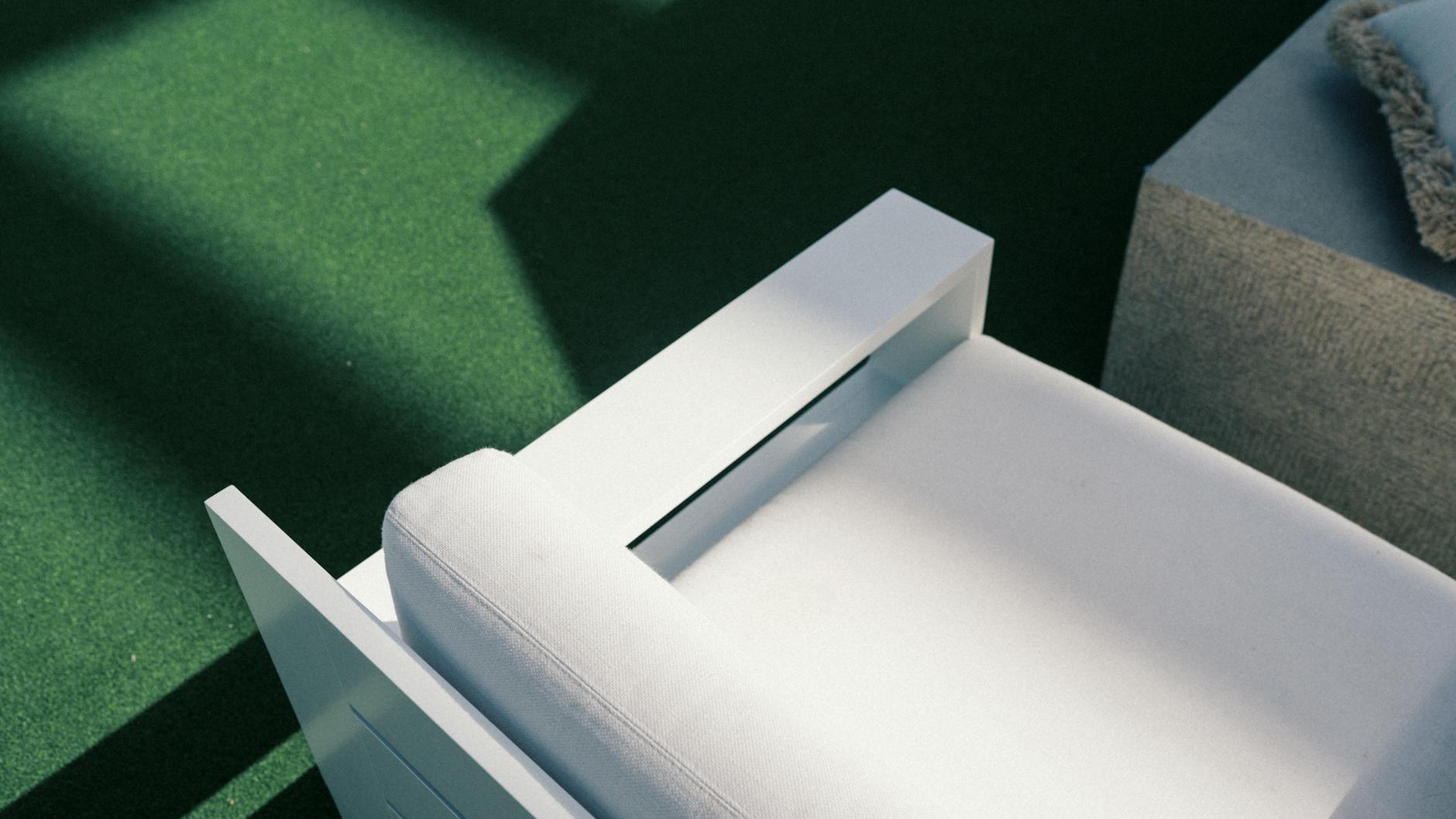
Plastic furniture gets a bad reputation, but modern resin furniture (like the Keter, Allibert, and SCAB ranges sold across the UK) is UV-stabilised, sturdy, and nearly indestructible.
Standard Plastic and Polypropylene
Regular cleaning: – Warm soapy water, sponge or cloth, rinse – For stains (sunscreen, food, wine), use a paste of bicarbonate of soda and water — apply, leave for 10 minutes, scrub gently, rinse – Magic Erasers (or the Astonish equivalent, about £1-2 from Poundland or Home Bargains) work brilliantly on scuff marks and stubborn stains on white plastic
Yellowing on white plastic: White plastic furniture yellows over time from UV exposure. To restore it: – Mix a paste of bicarbonate of soda and white vinegar – Apply to the yellowed areas, leave for 20-30 minutes – Scrub with a soft brush, rinse – For severe yellowing, a spray-on plastic restorer like Car Plan Trim & Bumper Restorer (about £4-6 from Halfords) works surprisingly well on garden furniture
What NOT to do: – Never use bleach on coloured plastic — it strips the colour unevenly – Never use abrasive scourers — they create micro-scratches that attract more dirt – Avoid pressure washers on thin plastic chairs — the force can warp them
High-Density Resin
Premium resin furniture (Keter, Nardi, SCAB Design) is denser and more UV-resistant than cheap plastic. Clean the same way but with less scrubbing needed. These materials shrug off most stains. An annual wipe-down with a specialist plastic furniture cleaner like HG Garden Furniture Cleaner (about £6-8 from Lakeland or Amazon UK) keeps them looking showroom-fresh.
Cleaning Cushions and Fabric
Every material-specific section above assumes the hard furniture itself. Cushions are their own challenge — and in the UK, they’re the thing most likely to go mouldy.
Regular cleaning: – Remove cushion covers if they’re zipped (many are machine-washable at 30°C) – For fixed cushions, scrub with warm soapy water, rinse, and — this is critical — dry thoroughly. Stand them on their edge in the sun so air circulates on all sides – Never put damp cushions back in storage. That’s how you get mould
Removing mould from cushion fabric: – Brush off surface mould outdoors (don’t do this inside — spores) – Mix one part white vinegar to one part water, spray the affected area – Leave for 30 minutes, scrub with a soft brush, rinse, dry completely – For severe mould, Dettol Mould and Mildew Remover (about £3-4) works on outdoor fabrics, but test on a hidden area first — it can bleach coloured fabric
The golden rule for UK cushion survival: Bring them inside between uses, or store in a dry deck box. No cover protects cushions well enough over a wet British winter.
Seasonal Maintenance Schedule for the UK
April (Spring Clean)
This is your annual deep-clean session. Remove covers, assess winter damage, and give everything a thorough wash.
- All materials: Full wash with warm soapy water
- Wood: Sand any rough spots, apply teak oil or wood preserver
- Metal: Check for rust spots, sand and touch up any chips
- Rattan: Deep clean the weave, check for loose spots
- Cushions: Wash covers, check for mould, replace if needed
June-August (Summer Maintenance)
Light touch-ups as you go. The furniture is in regular use, so it stays relatively clean.
- Quick wipe-down after messy meals or barbecues
- Bird droppings: Remove ASAP — they’re acidic and stain wood and fabric quickly
- Sap and pollen: Wipe off sticky sap with a cloth dampened with white spirit (wood) or rubbing alcohol (metal/plastic)
- Cushions: Bring in overnight during wet spells
September-October (Winter Prep)
The most important maintenance window. If you’re thinking of upgrading after cleaning, our guide on choosing the right size dining set is worth a read. What you do now determines what you find in April.
- Full clean of all surfaces — don’t put dirty furniture to bed for winter
- Wood: Apply a second coat of oil or preserver if needed
- Metal: Touch up any paint chips from summer use
- Cushions: Clean, dry thoroughly, store indoors
- Covers: Fit breathable waterproof covers. Check them monthly through winter — adjust if they’ve blown loose, clear pooled water from the tops
November-March (Winter)
Monthly checks at most. Pop out, make sure covers are secure, clear any standing water or debris that’s accumulated on top of covers. That’s it.
Products Worth Having
Here’s a short shopping list for a complete garden furniture maintenance kit:
- Fairy washing-up liquid — your primary cleaner for everything (about £1-2)
- White vinegar — for mould, algae, and general disinfecting (about £1 per litre)
- Bicarbonate of soda — for stain removal on plastic and fabric (about £1)
- Barrettine Teak Oil — for teak and hardwood (about £12-15 per litre)
- Cuprinol Garden Furniture Stain — for softwood (about £10-15)
- Hammerite Direct to Rust paint — for metal touch-ups (about £10-14)
- Autosol Metal Polish — for aluminium oxidation (about £5-8)
- HG Garden Furniture Cleaner — all-purpose outdoor furniture spray (about £6-8)
- Soft-bristle brush, sponge, lint-free cloths — your basic toolkit
- 120-grit and 240-grit sandpaper — for wood and metal prep
Total cost: about £60-80 for everything, and most of it lasts multiple seasons.
Common Mistakes to Avoid
Using a pressure washer on everything. Pressure washers are fantastic for patios and decking but terrible for most furniture. They strip oil from wood, shred rattan weave, blast paint off metal, and warp thin plastic. If you must use one, keep it on the lowest setting with a wide fan nozzle, and stay at least 30cm away.
Leaving cleaning until the furniture looks bad. By the time you see green algae, it’s been growing for weeks and has worked into the surface. A quick wipe-down every few weeks during summer prevents the heavy-duty scrubbing sessions.
Skipping the drying step. Applying oil or preserver to damp wood traps moisture inside and causes bubbling. Painting over damp metal traps moisture under the paint and accelerates rust. Always let things dry completely first.
Using household furniture polish outdoors. Mr Sheen and similar sprays leave a slippery film that attracts dirt and makes surfaces dangerously slick when wet. They’re designed for indoor use on dry surfaces.
Storing dirty furniture. Dirt left on furniture over winter attracts moisture, harbours mould, and stains surfaces. The 30 minutes you spend cleaning in October saves hours of restoration in April. Ask me how I know.
Making It Easy
Look, nobody’s going to maintain a military-grade maintenance schedule for garden chairs. The realistic version is: clean everything properly once in April, keep it roughly clean through summer, and clean it again before covering it in October. That’s three sessions a year, maybe 30-45 minutes each. Do that and your furniture — whatever the material — will look good and last years longer than it would otherwise.
The one thing that makes the biggest difference, above all else, is a proper fitted cover from October to April. If you do nothing else on this list, do that.
For broader seasonal routines beyond furniture cleaning, the RHS garden advice hub is a useful reference for keeping the rest of the garden in shape.
Keep reading on Plot & Patio: Best Garden Furniture 2026: UK Weather-Proof Picks, How to Choose the Right Size Dining Set for Your Patio, Teak vs Rattan vs Metal Garden Furniture: Which Lasts Longest?, Best Outdoor Dining Sets 2026 UK: 4-Seater to 8-Seater.
Frequently Asked Questions
What is the easiest way to clean garden furniture? Brush off loose dirt first, then wash with warm soapy water and a soft brush. Rinse well and let furniture dry fully before covering or storing it.
Can you pressure wash garden furniture? Use caution. Pressure washers can damage softwood, force water into joints and strip protective finishes. They are safer on sturdy metal or plastic furniture at a low setting.
How often should garden furniture be cleaned? Clean it at the start and end of the main outdoor season, then spot-clean after heavy pollen, bird mess, food spills or long wet spells.
What should I check first with How to Clean Garden Furniture: Wood, Metal & Plastic? Start with the real use case, then check size, compatibility, running costs and maintenance. A product that looks good on paper can still be the wrong fit if it does not suit the room, routine or budget.
How do I avoid wasting money on How to Clean Garden Furniture: Wood, Metal & Plastic? Avoid buying on one headline feature alone. Compare the practical details, read the warranty or returns terms, and choose the option that solves your main problem rather than the one with the longest specification list.