Teak, rattan and metal garden furniture can all work in UK gardens, but they age very differently once rain, frost, UV and winter storage come into the picture. Teak has the longest potential lifespan, aluminium is the easiest low-maintenance option, and synthetic rattan is usually the most vulnerable if it is left exposed year-round. The right choice depends less on the price tag and more on how much maintenance and storage you can commit to.
The trouble is, many buying guides list features without explaining what survives a decade of British rain, UV, frost and poorly timed hail. The answer is not as simple as buying the most expensive set. Your garden, your storage situation and how much maintenance you are willing to do matter just as much as the material itself.
Quick Answer: Teak lasts longest if you maintain it, aluminium is the best low-maintenance metal for most UK gardens, and synthetic rattan is best for covered patios or buyers who can store it properly in winter. Avoid cheap powder-coated steel if the furniture will sit outside uncovered.
In This Article
- Why the Material Matters More Than the Price Tag
- Teak: The Gold Standard (If You Put the Work In)
- Rattan: Beautiful but Vulnerable
- Metal Garden Furniture: The Widest Range of Outcomes
- Head-to-Head: Which Material Lasts Longest?
- The Real Winner: It Depends on You
- Caring for Your Furniture: Material-Specific Tips
- Frequently Asked Questions
Why the Material Matters More Than the Price Tag
It’s tempting to judge garden furniture by its price. A £2,000 teak set must be better than a £400 metal one, right? Not necessarily. A poorly maintained teak set can look worse after five years than a decent aluminium one that’s been left completely alone.
The material determines three things that matter most for longevity:
- Weather resistance — how it handles rain, frost cycles, and UV exposure without intervention
- Structural integrity over time — whether joints loosen, frames warp, or weaves sag
- Maintenance burden — what you actually need to do (and how often) to keep it going
The UK climate is particularly brutal on outdoor furniture. We get roughly 150 days of rain per year, frost from November through March in most areas, and enough summer UV to bleach and crack unprotected surfaces. That combination of wet, cold, and occasional heat is harder on furniture than a consistently hot or consistently cold climate.
Let’s look at each material .
Teak: The Gold Standard (If You Put the Work In)
Teak has a reputation as the ultimate outdoor wood, and that reputation is mostly deserved — with caveats. Grade A teak from mature trees contains natural oils and a tight grain that make it extraordinarily resistant to rot, insects, and water damage. Plantation teak (grade B or C) is noticeably less durable because younger trees produce less of those protective oils.
How Long Does Teak Actually Last?
A well-made Grade A teak set can last 50-70 years. That’s not marketing nonsense — there are teak benches in public parks across the UK that have been sitting in all weathers since the 1970s and are still perfectly solid. The wood weathers to that familiar silver-grey patina if left untreated, and while it looks different from the golden honey colour it starts as, the structural integrity remains excellent.
The catch? That lifespan assumes decent quality teak in the first place. Budget teak sets — the ones you find for £300-500 — are almost always made from young plantation teak with wider grain spacing and lower oil content. These can start showing cracks, splits, and joint failures within 5-8 years, which is barely better than some synthetic alternatives.
What Teak Needs From You
Here’s where people get caught out. Teak is low-maintenance, not zero-maintenance:
- Annual clean — a scrub with warm soapy water and a stiff brush removes algae and grime. Takes about an hour for a dining set
- Optional oiling — if you want to keep the golden colour, you’ll need teak oil applied once or twice a year. If you’re happy with the silver-grey look, skip it entirely
- Winter storage consideration — teak can stay outside year-round without covers, but cushions obviously can’t. If your set has cushions, you need somewhere dry to store them from October to April
- Joint checks — tighten any bolts annually. Teak expands and contracts with moisture, which can gradually loosen hardware
The real advantage of teak is that forgetting about it for a year won’t kill it. Leave a metal set out uncovered and forget about it? Rust. Leave rattan? Potential mould. Leave teak? It just goes a bit greyer. That forgiveness is worth a lot if you’re not the type to spend weekends maintaining garden furniture.
What to Pay for Decent Teak
Expect to spend £800-1,500 for a four-seater dining set in genuine Grade A teak. John Lewis carries the Barlow Tyrie range (excellent but eye-watering at £2,000+), while brands like Tikamoon and Alexander Rose offer solid mid-range options. If you see a “teak” set for under £400, it’s almost definitely low-grade plantation wood that won’t deliver on the longevity promise.
If you’re planning to choose the right size dining set for your patio, sizing up in teak is a reasonable investment because the per-year cost over a 20+ year lifespan works out surprisingly low.
Rattan: Beautiful but Vulnerable
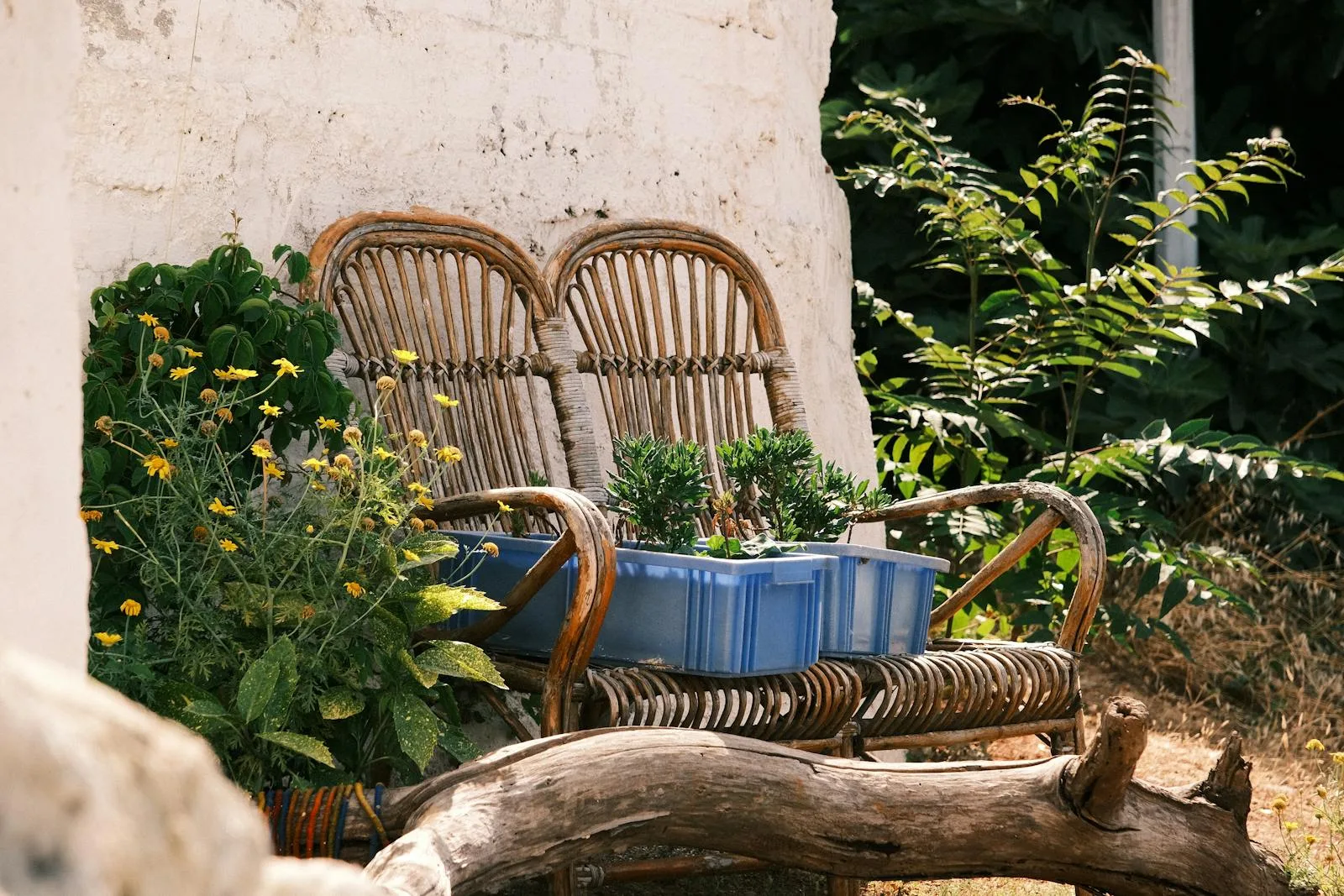
Rattan is where the conversation gets complicated, because there are two completely different products sold under the same name: natural rattan and synthetic rattan (usually polyethylene or resin wicker). Their durability profiles couldn’t be more different.
Natural Rattan
Natural rattan is a palm vine — lightweight, flexible, and lovely indoors. Outdoors in the UK? It’s a disaster. Natural rattan absorbs moisture like a sponge, swells, cracks, develops mould, and loses structural strength when exposed to repeated wet-dry cycles. Even with covers and seasonal storage, most natural rattan garden furniture lasts 3-5 years in a UK garden before it looks tatty and starts failing at the joints.
I wouldn’t recommend natural rattan for permanent outdoor use in the UK. Full stop. If you love the look, keep it in a conservatory or covered patio where rain can’t reach it directly. There, it’ll last 15-20 years easily.
Synthetic Rattan (PE Wicker)
This is what most garden centres are actually selling when they say “rattan.” Synthetic rattan — polyethylene wicker woven over an aluminium or steel frame — is a completely different beast. The weave itself is UV-stabilised plastic that doesn’t absorb water, won’t rot, and resists fading reasonably well.
The lifespan of synthetic rattan furniture depends almost entirely on two things: the quality of the weave material and the frame underneath it.
- Budget synthetic rattan (£200-500) — thinner weave, often over a painted steel frame. The weave can start loosening and sagging after 3-4 years, and if the steel frame isn’t properly coated, rust bubbles appear where the weave has rubbed through the paint. Expect 4-7 years of decent use.
- Mid-range synthetic rattan (£500-1,200) — thicker, UV-resistant weave over powder-coated aluminium. This is the sweet spot. The aluminium won’t rust, the weave stays tight for 8-12 years, and it still looks good after a decade with minimal care.
- Premium synthetic rattan (£1,200-3,000+) — brands like Bramblecrest and Maze use high-density polyethylene weave with 10-year frame guarantees. These really last 12-15 years, sometimes longer.
What Rattan Needs From You
Synthetic rattan is about as low-maintenance as garden furniture gets:
- Hose down occasionally — a rinse every few weeks in summer stops dirt building up in the weave. A deeper clean with soapy water twice a year keeps it fresh
- Cover or store cushions — the frames can stay out, but cushion storage remains the eternal pain point
- Winter covers recommended — the furniture won’t fall apart without them, but covers noticeably extend the life of the weave by reducing UV and frost exposure
- Check the frame — if it’s steel underneath, inspect for rust spots annually. Aluminium frames? Just forget about them
The biggest downside of synthetic rattan is that when it does fail, it fails cosmetically first. The weave starts looking tired — strands loosen, colours fade unevenly, and individual pieces can snap off leaving exposed frame. It doesn’t collapse noticeably like rusted metal, it just gradually looks worse until you accept it’s time for a new set.
If you’re working with a compact outdoor space, a small garden setup with rattan corner sofa can be a smart choice since PE rattan is lighter and easier to rearrange than teak or cast iron.
Metal Garden Furniture: The Widest Range of Outcomes
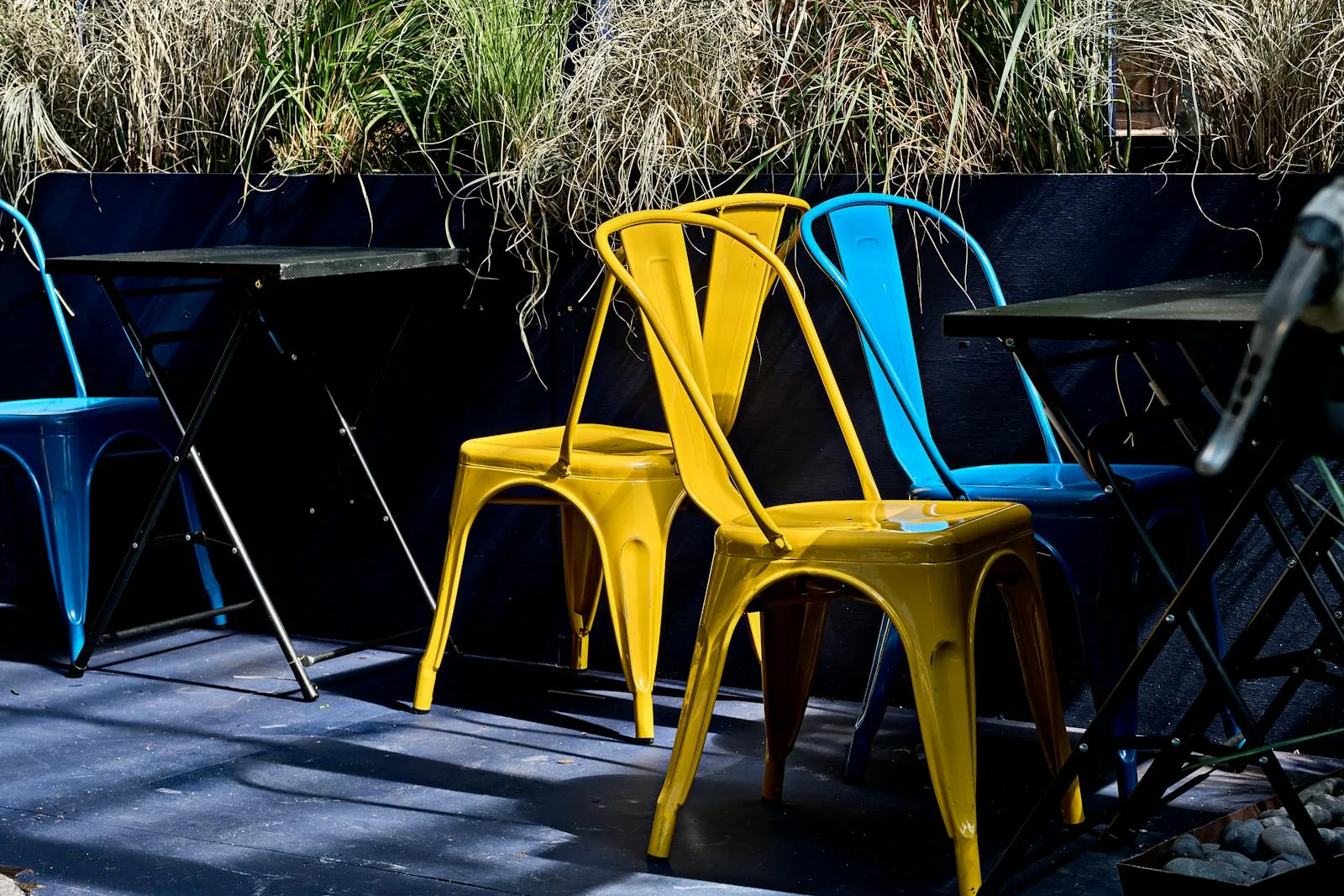
“Metal garden furniture” covers everything from a £30 steel bistro set from B&Q to a £3,000 hand-forged wrought iron bench. The material category is so broad that generalising is almost impossible, so let’s break it down by metal type.
Aluminium
Aluminium is the quiet achiever of garden furniture materials. It doesn’t rust (it oxidises, but the oxide layer actually protects the metal underneath), it’s lightweight enough to move easily, and powder-coated aluminium frames can last 20-30 years with virtually zero maintenance.
The downsides? Aluminium furniture can feel less substantial. In a strong wind, lighter pieces can blow over or shift around the patio. And while powder coating is tough, once it chips or scratches, those spots can become chalky and discoloured. Budget aluminium sets (around £150-300 from Argos or Amazon UK) sometimes have thin-gauge frames that flex and feel wobbly.
For pure longevity with minimal effort, aluminium is hard to beat. Brands like Kettler and Hartman make aluminium frames that routinely last 15-25 years. It’s also the frame material underneath most quality synthetic rattan sets, which tells you something about its durability credentials.
Steel
Steel is stronger and heavier than aluminium, which makes it more stable in wind but harder to move. The big problem with steel outdoors is rust. Even powder-coated or galvanised steel will eventually rust if the protective layer is compromised — and in a UK garden, it will be compromised. A dropped plate, a chair leg scraping concrete, even the gradual wear of regular use exposes bare metal.
Well-maintained steel furniture lasts 10-15 years. Neglected steel can look terrible within 3-4 years. If you go steel, commit to:
- Annual inspection for chips and scratches in the coating
- Touch-up paint on any exposed metal before winter — Hammerite or a matching spray paint
- Covers during winter — seriously, this is non-negotiable for steel
- Keep off damp grass — steel furniture sitting directly on wet ground rusts fastest at the contact points
Budget steel furniture (the sub-£100 bistro sets) is essentially disposable. Plan for 2-4 years and don’t be surprised when it goes. Mid-range steel sets (£200-600) with good powder coating last much longer if you maintain them.
Cast Iron and Wrought Iron
The heavyweights. Cast iron and wrought iron furniture is built to stay put — literally, some pieces weigh 40-50kg per item. That weight is both the advantage (wind-proof, theft-proof, sturdy as a park bench) and the disadvantage (moving it requires two people and a strong back).
Longevity is excellent: properly maintained cast iron furniture can last 50+ years. There are Victorian-era cast iron benches still in use across the UK. But “properly maintained” means annual repainting with rust-preventive paint, and that’s a commitment most people underestimate. Once rust takes hold in cast iron, it spreads aggressively through the porous metal.
Expect to pay £400-800 for a cast iron bistro set and £800-2,000+ for a full dining set. Lazy Susan and The Garden Furniture Centre carry good ranges in the UK.
Knowing which weather-proof picks hold up best across different materials can help you narrow down your decision before committing.
Head-to-Head: Which Material Lasts Longest?
Stripped down to raw longevity numbers, here’s how garden furniture materials compare:
- Grade A teak — 50-70 years with annual cleaning. The outright winner on lifespan, but requires the highest upfront investment.
- Cast/wrought iron — 50+ years with annual repainting. Matches teak on paper, but the maintenance is more demanding.
- Aluminium — 20-30 years with virtually no maintenance. The best longevity-to-effort ratio of any material.
- Premium synthetic rattan — 12-15 years. Excellent for the price and effort required.
- Mid-range steel — 10-15 years with regular maintenance. Decent, but you’re committing to ongoing rust prevention.
- Budget synthetic rattan — 4-7 years. Acceptable if you’re spending under £400 and treating it as semi-disposable.
- Natural rattan outdoors — 3-5 years. Just don’t. Keep it indoors.
- Budget steel — 2-4 years. Essentially disposable.
But raw lifespan isn’t the whole story. The real question is: which material gives you the most good years relative to what you spend and how much effort you put in?
The Real Winner: It Depends on You
I know that’s a frustrating answer, but it’s the honest one. Here’s how to decide:
Buy teak if: you want furniture you’ll never replace, you don’t mind the upfront cost (£800+), and you’re happy with a once-a-year clean. Teak rewards patience and punishes nobody. It’s the “buy it for life” option, and if you go Grade A, you’ll probably leave it to whoever buys your house.
Buy aluminium if: you want maximum lifespan with minimum effort. If the idea of annual oiling, painting, or rust-checking fills you with dread, aluminium is your material. Lighter on the wallet than teak, and it’ll outlast most other options without asking anything of you.
Buy premium synthetic rattan if: you want the contemporary look, comfort, and a solid decade-plus of use. It’s the best option for covered patios and spaces where you’re also thinking about how to keep everything clean without too much hassle.
Buy cast iron if: you want permanence and you like the traditional aesthetic. Accept the annual painting commitment and it’ll outlive you.
Avoid: budget steel sets if you want them to last more than a couple of summers, and natural rattan for anything other than covered or indoor use.
Caring for Your Furniture: Material-Specific Tips
Whatever you choose, a bit of seasonal care considerably extends the lifespan:
Spring (March-April)
- All materials: clean thoroughly before the season starts. Warm soapy water and a stiff brush for teak and metal; gentle soap and a cloth for rattan weave
- Teak: apply teak oil now if you want to maintain the golden colour
- Steel/iron: inspect for winter rust damage and touch up immediately
- Rattan: check weave for any frost damage or loosened strands
Summer
- All materials: wipe down after barbecues — grease and sauce stains set hard in sun
- Teak: nothing needed. Enjoy it
- Aluminium: nothing needed. Literally nothing
- Rattan: hose down the weave occasionally to prevent dirt buildup in the gaps
Autumn (September-October)
- All materials: deep clean before winter
- Cushions: bring them inside. No exceptions. Even “shower-proof” cushions go mouldy over a British winter
- Steel/iron: apply a fresh coat of protective wax or paint
- Rattan: fit covers if you have them
- Teak: leave it. Teak doesn’t care about winter
Winter
- Covers for everything except teak (optional even then, but extends finish life)
- Elevate metal furniture off wet ground if possible — bricks under the legs prevent ground-contact rust
- Never pressure wash frozen furniture — the ice expansion in joints and grain can cause cracking
If you’ve got a larger garden to maintain alongside your furniture, keeping a seasonal maintenance calendar helps you batch jobs rather than constantly catching up.
Frequently Asked Questions
Is teak garden furniture worth the money? Grade A teak is one of the best long-term investments in garden furniture, lasting 50-70 years with minimal maintenance. The upfront cost of £800-1,500 for a dining set is high, but the per-year cost over its lifespan is lower than replacing budget furniture every few years. Avoid cheap teak under £400 — it's typically low-grade plantation wood that won't deliver the same longevity.
Can rattan garden furniture stay outside all year in the UK? Synthetic rattan (PE wicker) with an aluminium frame can stay outside year-round, though covers will extend its life. Natural rattan should never be left outside permanently in the UK — it absorbs moisture, develops mould, and deteriorates quickly. Always bring cushions inside during winter regardless of the frame material.
What is the most durable garden furniture material? Grade A teak and cast iron both offer 50+ year lifespans, making them the most durable options. However, aluminium offers the best durability-to-maintenance ratio, lasting 20-30 years with virtually no upkeep. The most durable option for you depends on how much maintenance you're willing to do.
Does aluminium garden furniture rust? No. Aluminium does not rust. It forms a thin oxide layer when exposed to air, which actually protects the metal underneath from further corrosion. This is why aluminium garden furniture is so low-maintenance — it can sit in rain and frost for decades without deteriorating. Powder-coated aluminium adds an extra protective layer and colour options.
How do I stop metal garden furniture from rusting? For steel and iron furniture: inspect annually for chips or scratches in the coating, apply touch-up paint (Hammerite works well) to any exposed metal before winter, use covers during wet months, and keep furniture off damp grass where possible. Aluminium furniture doesn't need rust prevention as it doesn't rust.