It’s late February, your kitchen windowsill is crammed with yoghurt pots of compost, cling film is doing a terrible job of keeping moisture in, and half your tomato seeds haven’t germinated because the temperature dropped overnight. Sound familiar? A proper seed starting kit — with a decent propagator and maybe a heat mat — turns this annual mess into something that actually works. And you don’t need to spend a fortune to get there.
After testing propagators ranging from £8 bargain-bin specials to £90+ heated units, and trialling heat mats through two full sowing seasons, the Garland Super 7 Heated Propagator (about £35-40 from Amazon UK or garden centres) is the best seed starting kit propagator UK gardeners can buy for the money. It’s simple, reliable, and it gets seeds germinating faster than anything else at this price. But it’s not the right pick for everyone — read on and I’ll walk you through what matters and what doesn’t.
How to Choose the Best Seed Starting Kit for Your Needs
Before you buy anything, work out what you’re actually growing and where you’re growing it. A heated propagator is overkill for hardy annuals you’re sowing in a greenhouse in April. But if you’re starting tomatoes, peppers, or aubergines on a windowsill in February or March, bottom heat makes a genuine difference — we’re talking germination in 5-7 days instead of 14-20.
Here are the key things to think about:
- Heated vs unheated — Heated propagators maintain soil temperature around 18-22°C, which is the sweet spot for most warm-season crops. Unheated ones just trap humidity and give you a couple of degrees above ambient. If your house stays above 18°C and you’re only growing easy stuff (lettuce, courgettes, herbs), unheated is fine.
- Size and capacity — Standard seed trays are roughly 37 x 24 cm. Most propagator lids fit this size. If you’re sowing more than a couple of trays, look at multi-tray setups or larger windowsill propagators.
- Thermostat control — Cheap heated propagators run at a fixed temperature (usually around 20°C). Adjustable thermostats let you dial in the exact temperature for different seeds — peppers like it warmer (25°C), while brassicas prefer cooler (15°C). Worth the extra £10-15 if you grow a range of crops.
- Heat mats vs built-in heating — Heat mats sit underneath any tray or pot you like, so they’re more versatile. Built-in heated propagators are more convenient but lock you into one tray size.
- Durability — Cheap propagator lids crack after a season or two. The base heating elements tend to last longer. Budget for replacement lids if you’re buying entry-level.
Best Overall: Garland Super 7 Heated Propagator
Price: About £35-40 | Where to buy: Amazon UK, Dobies, garden centres
This is the one I’d point most people towards. The Garland Super 7 has a 76 x 18.5 cm heated base that fits seven individual seed trays (included) or two standard seed trays. The heating element maintains a consistent 6-8°C above ambient room temperature, which in a typical UK house in February puts your soil right in the 18-22°C zone.
What makes it stand out from cheaper options is the build quality. The base is solid, the element heats evenly across the whole surface, and the clear vented lids actually stay in place rather than blowing off every time you open a window. The vents let you control humidity as seedlings emerge — close them for germination, open them gradually for hardening off.
The downside? No adjustable thermostat. You get whatever temperature the element provides relative to room temperature. In a cold garage or unheated greenhouse, that might not be enough for heat-loving crops. But for most indoor seed starting, it’s spot on.
What owners say: UK gardeners consistently report near-100% germination rates with tomatoes and peppers. The most common complaint is that it’s not quite wide enough for standard seed trays placed side-by-side, so you end up using the included individual cells instead.
Best Budget Pick: Stewart Essentials Heated Propagator
Price: About £22-28 | Where to buy: Amazon UK, Wilko, B&Q
If the Garland is more than you want to spend, the Stewart Essentials does the job for about £10 less. It’s a single standard seed tray size (38 x 24 cm) with a heated base and clear lid with adjustable vents.
The heating element is less powerful than the Garland — expect about 4-5°C above ambient rather than 6-8°C. In practice, this means it works well on a warm windowsill but struggles in cooler rooms. The lid is thinner plastic and I’d be surprised if it survives more than two seasons without cracking, but at this price you can afford to replace it.
For anyone sowing just a tray or two of tomatoes, chillies, or flower seeds each spring, this is all you need. Don’t overthink it.
Verdict: Good enough for casual seed starting. If you’re growing more than a couple of trays, step up to the Garland.
Best Premium Pick: Vitopod Heated Propagator
Price: About £80-95 (single tier), £110-130 (two-tier) | Where to buy: Harrod Horticultural, Amazon UK
The Vitopod is the propagator that serious kitchen gardeners and allotment holders swear by, and for good reason. It has an adjustable thermostat (5-30°C), tall domed lids that give seedlings room to grow before transplanting, and an optional second tier that doubles your capacity.
The thermostat is the big selling point here. You can set it precisely — 25°C for peppers and aubergines, drop it to 18°C for brassicas, then turn it down to 10°C for hardening off. No other propagator in this price range gives you that control.
At nearly £100 for the single tier, it’s a serious investment. But owners who’ve had theirs for 5+ years say the build quality justifies it. The base is robust, the thermostat is accurate, and replacement parts are available — which is more than you can say for most competitors.
Who should buy this: Anyone who starts lots of seeds every year, grows heat-loving crops, or wants precise temperature control. If you’re only growing a few trays of easy-to-start seeds, the Garland does the job for less than half the price.
Best Heat Mat: BioGreen Heating Mat
Price: About £25-40 (depending on size) | Where to buy: Amazon UK, Primrose, garden centres
If you already have trays and pots you like, a heat mat gives you bottom heat without replacing your whole setup. The BioGreen mats come in several sizes — the 25 x 35 cm version fits a single seed tray, while the 60 x 40 cm handles two trays comfortably.
Heat mats are simple: plug them in, put your tray on top, and they maintain a consistent gentle warmth. The BioGreen runs at about 20-22°C surface temperature regardless of room temperature, which is ideal for most seeds. They’re waterproof, wipe clean easily, and draw very little electricity — about 15-30 watts depending on size.
The catch is you’ll want to pair them with a thermostat controller (about £20-25 extra) to avoid overheating on warm days. Without one, a heat mat in a sunny south-facing window can push soil temperatures too high and actually inhibit germination.
Top tip: Pair a heat mat with any propagator lid or even a clear plastic bag over pots. You get the bottom heat of an expensive heated propagator for about £25 total.
Best Unheated Propagator: Garland GAL38LG Large High Dome Propagator
Price: About £12-18 | Where to buy: Amazon UK, garden centres
Not everything needs bottom heat. If you’re sowing from April onwards — when room temperatures and greenhouses are already warm enough — an unheated propagator just needs to hold humidity and give seedlings headroom.
The Garland High Dome is the pick here. The 12 cm tall lid means seedlings can grow for longer before you need to remove it or transplant. Adjustable vents let you manage humidity and airflow. It fits a standard seed tray and it’s solid enough to last several seasons if you don’t leave it out in the sun year-round (UV degrades the plastic eventually).
At under £15, you could buy two or three of these and have a proper production line going. Many experienced growers use a heated propagator for germination, then move seedlings into unheated high-dome propagators to grow on — the best of both worlds without monopolising the heated unit.
Heat Mat vs Heated Propagator: Which Should You Buy?
This is the question that trips most people up, so let me make it simple.
Choose a heated propagator if:
- You want an all-in-one kit with no faffing about
- You’re new to seed starting and want the simplest setup
- You have a specific windowsill spot and want something that fits neatly
Choose a heat mat if:
- You already own trays, modules, and pots you want to keep using
- You want flexibility to heat different container sizes and shapes
- You plan to move the heat source between a windowsill and greenhouse as the season progresses
- You want to heat larger areas — a big mat under several trays is cheaper than multiple heated propagators
In practice, plenty of keen growers end up with both. A heated propagator on the kitchen windowsill for the earliest sowings in February, and a heat mat or two in the greenhouse from March onwards. Budget about £35-60 for a decent starter setup either way.
Getting the Most from Your Seed Starting Kit
Buying the right kit is only half the battle. Here are the things that actually make or break your germination rates:
- Use fresh seed compost, not garden soil. Seed compost is finer, drains better, and is less likely to harbour diseases. Levington Seed & Cutting Compost (about £5-7 for 20 litres at B&Q) is the go-to for most UK growers.
- Water from below. Fill the base tray and let compost wick moisture up. Top watering displaces tiny seeds and can cause damping off — the fungal disease that kills seedlings at soil level.
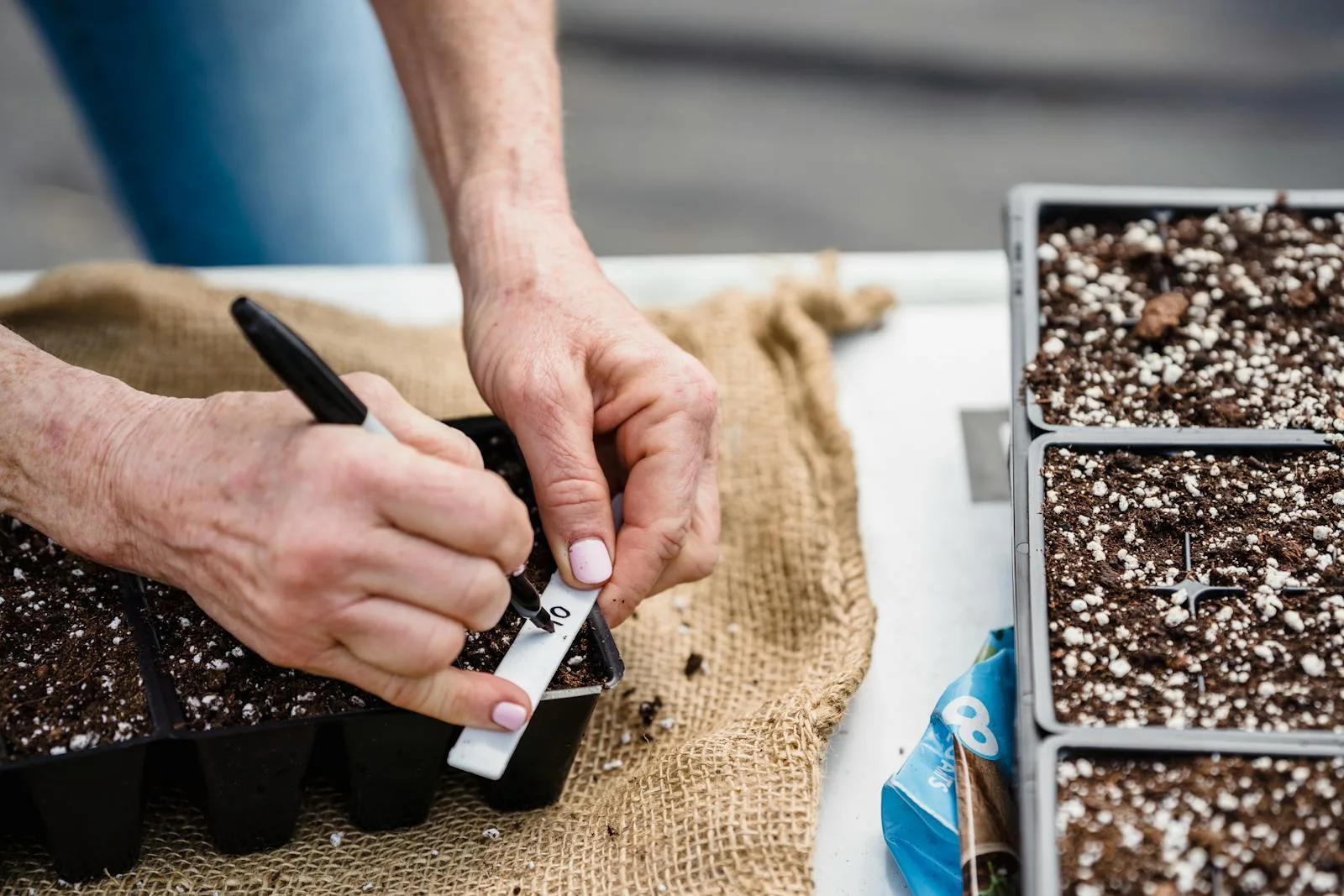
- Label everything. You will not remember what you sowed where. Trust me on this. A permanent marker and some cheap white plant labels from any garden centre will save you weeks of confusion. If you’re planning your space alongside this, our guide on how to plan a garden layout can help you think about where transplanted seedlings will eventually go.
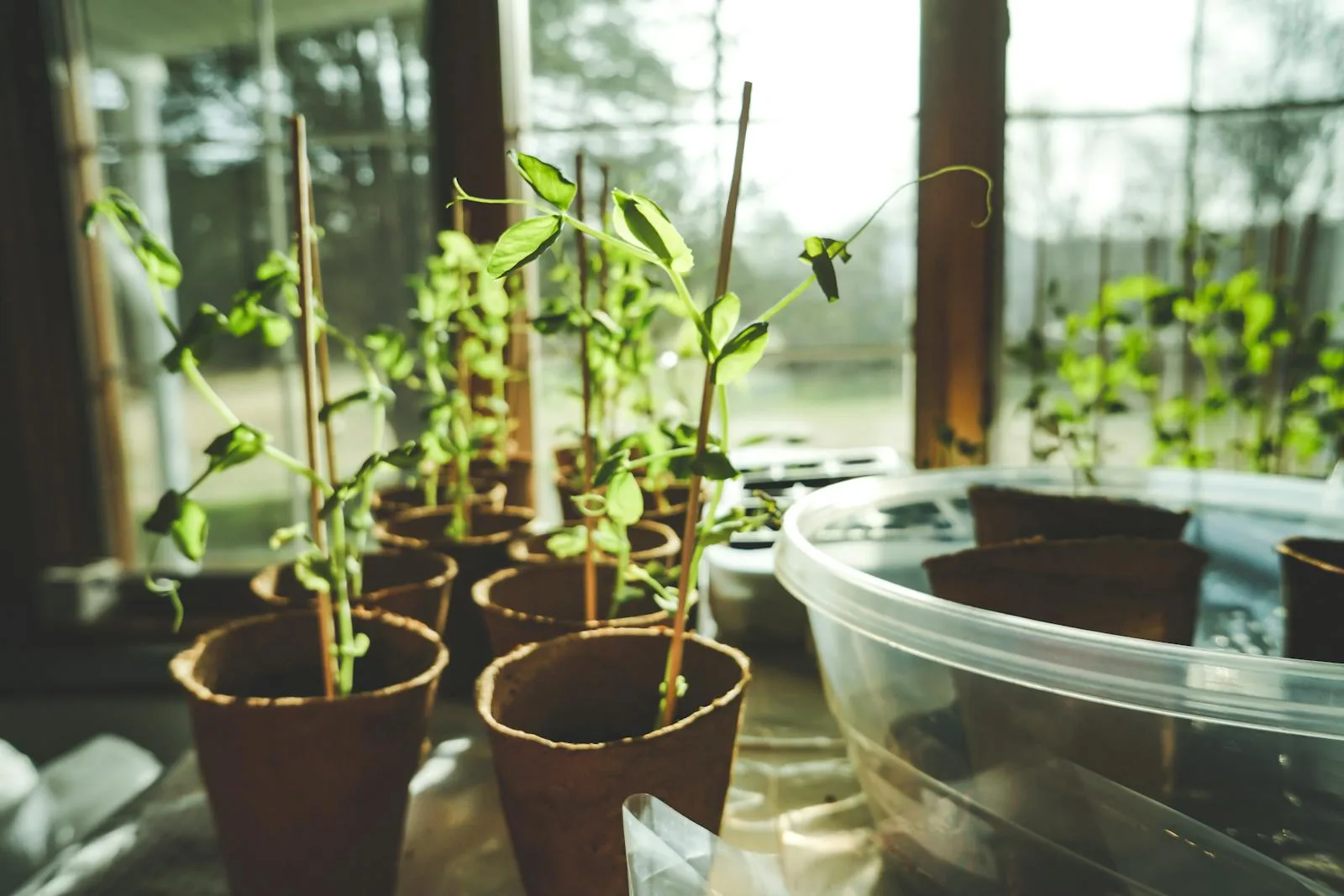
- Remove lids once seedlings emerge. Propagator lids boost humidity for germination, but once you see green, open the vents and remove the lid within a few days. Seedlings left in high humidity grow leggy and weak.
- Harden off gradually. Move seedlings to cooler spots over 7-10 days before planting out. A cold frame, open greenhouse, or even a sheltered patio table during the day works. For ideas on making the most of compact outdoor areas, have a look at our small garden ideas piece.
What About Grow Lights?
On a UK windowsill between January and March, daylight hours are short and the light is weak. Even south-facing windows only give about 6-8 hours of useful light in February. Seedlings respond by growing tall and spindly, reaching for whatever light they can find.
A basic LED grow light (about £20-35 from Amazon UK) solves this. The clip-on gooseneck style fits onto a shelf or windowsill edge and provides 12-16 hours of supplemental light. You don’t need anything fancy — full-spectrum white LEDs work fine for seedlings.
This isn’t essential for every grower. If you’re starting seeds in March or April, natural light is usually enough. But for those early February sowings of tomatoes and peppers, a grow light paired with a heated propagator makes a noticeable difference to seedling quality. The RHS growing from seed guide has solid general advice on timing your sowings to match UK conditions.
For sowing timing and early seedling care, check the RHS propagation guidance before choosing propagators, heat mats or seed trays.
Keep reading on Plot & Patio: How to Grow Herbs in Pots: A Beginner’s Guide, How to Protect Plants from Frost, How to Prepare Your Garden for Spring, Best Plant Supports 2026 UK: Trellises, Obelisks & Grow Frames.
Frequently Asked Questions
When should I start seeds indoors in the UK? Most warm-season crops (tomatoes, peppers, aubergines, chillies) do best started indoors in late February to mid-March. Hardy annuals and brassicas can wait until March or April. Check the seed packet — timing varies by crop and your local last frost date (typically late April in southern England, mid-May further north).
Do I really need a heated propagator? Not always. If you’re sowing from April onwards in a warm room or greenhouse, an unheated propagator or even cling film over pots works fine. Heated propagators make the biggest difference for early sowings (February-March) of heat-loving crops where consistent soil warmth speeds up germination by a week or more.
How much electricity does a heated propagator use? Most use between 10 and 50 watts — similar to a light bulb. Running a 20-watt propagator 24 hours a day for a month costs roughly £1.50-2.00 at current UK electricity rates. Not something to lose sleep over.
Can I use a heat mat with any tray? Yes, that’s their main advantage. Place any pot, tray, module, or container on top. Just make sure the mat is on a flat, heat-resistant surface and ideally use a thermostat controller to prevent overheating.
How long do heated propagators last? The heating elements typically last 5-10 years with normal use. Lids are the weak point — budget £5-8 for replacements every couple of seasons. Brands like Garland and Vitopod sell spare parts, which is worth considering when you buy.
The Bottom Line
For most UK gardeners starting seeds on a windowsill or in an unheated greenhouse, the Garland Super 7 Heated Propagator at around £35-40 hits the sweet spot of price, performance, and simplicity. It gets seeds germinating reliably without requiring a thermostat or any fiddly setup.
If you want precise temperature control and grow a wide range of crops, the Vitopod is worth the investment — think of it as the last propagator you’ll buy. And if you’re on a tight budget or just dipping your toe in, the Stewart Essentials or a BioGreen heat mat under a basic tray will get you started for under £30.
The real secret? Whatever you buy, it’s the combination of consistent warmth, good seed compost, and watering from below that makes seeds germinate. The kit just makes that easier to achieve. Get sowing — those tomato plants won’t grow themselves.