You’ve just spent £1.50 on a pot of basil from Tesco, placed it on the kitchen windowsill, watered it diligently, and watched it die within ten days. Again. It happens to nearly everyone, and the frustrating thing is that basil isn’t particularly difficult to grow — it’s just growing in completely wrong conditions by the time you bring it home from the supermarket. Those shop-bought herbs are dozens of seedlings crammed into an undersized pot with minimal root space, designed to look lush on a shelf for about a week before they give up.
Growing herbs in pots properly — with the right containers, compost, and positioning — is one of the most rewarding things you can do in a UK garden or kitchen. It costs almost nothing, takes very little space, and means you stop spending £1-2 on plastic-wrapped herbs that go limp in the fridge after three days. Here’s how to actually make it work.
Choosing the Right Pots
The container matters more than most people think. Herbs need good drainage and enough root space to develop, and the wrong pot creates problems that no amount of watering can fix.
Size: Most kitchen herbs need pots at least 15-20cm in diameter. That sounds bigger than the cute little pots you see in garden centres, but roots need room. Basil, parsley, and coriander do well in 15cm pots. Rosemary, sage, and thyme — which develop woody root systems — need 20-25cm pots minimum, and will eventually want 30cm or larger.
Material:
- Terracotta — the classic choice and genuinely excellent for herbs. Terracotta is porous, so excess moisture evaporates through the walls. This prevents waterlogging, which kills more herbs than drought. The downside is they dry out faster in summer and are heavy to move. Around £3-8 each from B&Q or garden centres
- Plastic — lighter, cheaper, retains moisture longer. Fine for moisture-loving herbs like parsley, basil, and coriander. Less ideal for Mediterranean herbs that prefer drier conditions. From £1-3 each
- Fabric grow bags — surprisingly effective. The air-pruning effect on roots produces healthier plants. They dry out faster than plastic, which suits most herbs. About £5-10 for a multi-pack from Amazon UK
- Glazed ceramic — beautiful but heavier and more expensive. Ensure they have drainage holes — some decorative pots don’t
Drainage is non-negotiable. Every pot must have drainage holes in the bottom. If you love a decorative pot without holes, use it as an outer pot (cachepot) with a plastic inner pot that does have drainage. Standing water in the bottom of a pot is the fastest way to rot herb roots.
Saucers: Use saucers under pots to protect surfaces, but don’t let water sit in them for more than 30 minutes. Tip out excess after watering. Herbs sitting in waterlogged saucers develop root rot within days.
The Best Compost for Herbs
Standard multi-purpose compost from the garden centre works, but herbs prefer something slightly different from bedding plants:
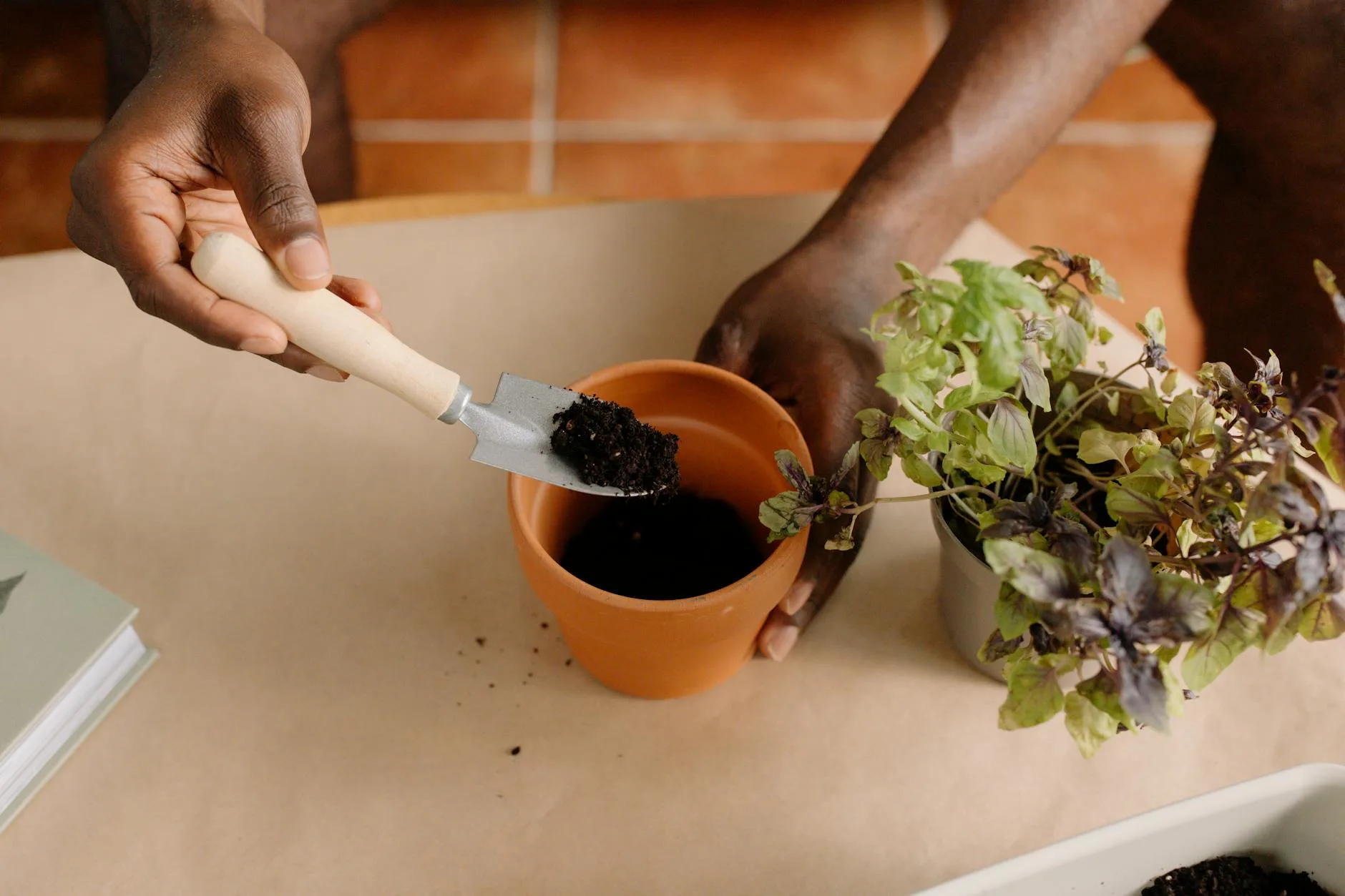
For Mediterranean herbs (rosemary, thyme, sage, oregano, lavender): mix standard compost 50/50 with perlite or horticultural grit. These herbs are native to rocky, well-drained hillsides — they want their roots to dry out between waterings. Heavy, moisture-retaining compost suffocates them.
For leafy herbs (basil, parsley, coriander, mint, chives): standard multi-purpose compost is fine. These herbs prefer slightly more moisture and richer soil. Adding a small amount of perlite (about 20%) still helps drainage without making things too dry.
Avoid: garden soil in pots. It compacts, drains poorly, and may introduce pests and diseases. Even if your garden soil is good quality, it doesn’t behave the same way in a container.
Good UK compost brands for herb growing include Westland, Dalefoot, and Melcourt. A 40-litre bag costs about £5-8 and fills plenty of pots. Add a bag of perlite (about £4-6) and you’re sorted for the season.
Which Herbs to Start With
Some herbs are nearly indestructible. Others require specific conditions that trip up beginners. Start with the easy ones and build confidence:
Beginner-friendly herbs (hard to kill):
- Rosemary — tough as nails once established. Drought-tolerant, loves sun, survives UK winters outdoors. Grows into a substantial bush over time. One plant supplies a household indefinitely
- Thyme — low-growing, loves dry conditions, evergreen in most UK winters. Plant in gritty compost and largely forget about it. Several varieties: common thyme for cooking, lemon thyme for a citrus note
- Chives — perennial, comes back year after year, tolerates partial shade, almost impossible to kill. Cut regularly to encourage fresh growth. The purple flowers are edible too
- Mint — grows so vigorously it’s actually a problem in open ground. Perfect for pots because the container keeps it contained. Apple mint and spearmint are the most versatile for cooking and drinks
- Sage — another Mediterranean tough-guy. Beautiful grey-green foliage, survives winters, needs minimal watering once established
Moderate difficulty:
- Basil — needs warmth and consistent moisture. Best grown indoors on a sunny windowsill or outdoors only after the last frost (late May in most of the UK). Pinch out flower buds to keep leaves coming. Won’t survive a UK winter outdoors
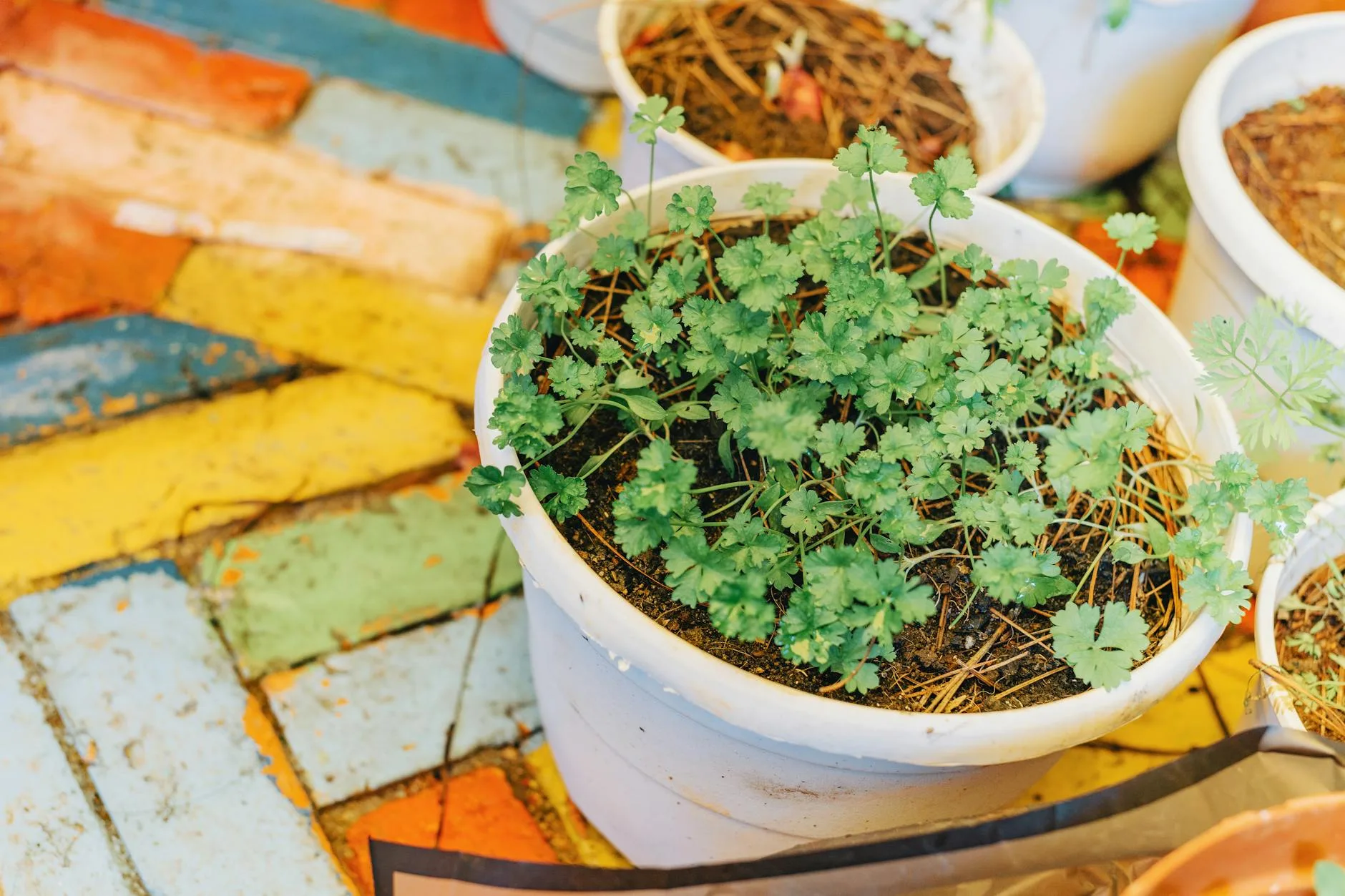
- Parsley — slow to germinate (3-4 weeks) which tests patience. Once growing, it’s productive for months. Both flat-leaf (stronger flavour) and curly (hardier) are worth having
- Coriander — the trickiest common herb. It bolts (goes to seed) at the slightest provocation — hot weather, irregular watering, stress of any kind. Sow a new pot every 3-4 weeks for continuous supply. Grow in partial shade to slow bolting
Worth trying once you’re confident:
- Dill — tall-growing, needs a deep pot, bolts in hot weather. Grow from seed rather than transplanting
- Tarragon — French tarragon (not Russian) has wonderful flavour but needs winter protection in cold areas. Doesn’t grow from seed — buy a plant
Positioning: Sun, Shade, and Shelter
Where you put your pots determines whether herbs thrive or sulk:
Full sun (6+ hours direct sunlight): rosemary, thyme, sage, oregano, basil, lavender. A south-facing windowsill, patio, or balcony is ideal. These herbs evolved in Mediterranean climates and really cannot get too much sun in the UK — our summers are still mild by their standards.
Partial shade (3-5 hours): parsley, coriander, chives, mint. These herbs tolerate some shade and actually prefer it during the hottest part of summer. An east-facing spot that gets morning sun but is shaded in the afternoon is perfect. Coriander especially benefits from afternoon shade, which slows bolting.
Indoor growing: most herbs can grow indoors on a sunny windowsill, but they need at least 4-5 hours of direct sunlight. South-facing windows are best. If your windows face north, consider a small LED grow light (about £15-25 from Amazon UK) — they make a real difference during the darker months.
Wind protection: outdoor herbs on balconies or exposed patios benefit from some wind shelter. Constant wind dries out pots rapidly and can damage delicate plants like basil and coriander. A simple windbreak — even a larger pot of rosemary placed upwind — helps.
Watering: The Skill That Makes or Breaks Everything
Overwatering kills more potted herbs than underwatering. The instinct to water every day is exactly wrong for most herbs. Here’s how to do it properly:
The finger test: push your finger 2-3cm into the compost. If it feels damp, don’t water. If it feels dry, water thoroughly until it runs out the drainage holes. This simple check prevents both over and underwatering.
Mediterranean herbs (rosemary, thyme, sage): water when the top 3-4cm of compost is dry. In summer, this might be every 3-4 days. In winter, once a week or even less. These herbs would rather be slightly too dry than slightly too wet. Yellow, drooping leaves usually mean overwatering, not underwatering.
Leafy herbs (basil, parsley, mint): keep compost consistently moist but not sodden. In summer, this might mean watering daily, especially in terracotta pots on a sunny patio. Check morning and evening during hot spells. Basil in particular wilts noticeably when thirsty but recovers quickly once watered — don’t confuse this with disease.
Watering technique: water at the base of the plant, not over the leaves. Wet leaves in warm conditions encourage fungal diseases. Morning watering is ideal — it gives plants moisture for the day and lets foliage dry before the cooler evening.
Holiday watering: if you’re away for a week, move pots to a shaded spot, water thoroughly before leaving, and consider self-watering spikes (about £5 for a pack from garden centres). They’re not perfect but buy you several extra days.
Feeding Your Herbs
Herbs in pots need feeding because nutrients wash out with every watering. But they need less feeding than you might expect:
- Start feeding 4-6 weeks after planting — fresh compost has enough nutrients initially
- Use a liquid feed diluted to half the recommended strength, every 2-3 weeks during the growing season (April to September). Westland or Miracle-Gro organic liquid feed works well. About £4-6 per bottle, lasts ages at half-strength
- Don’t over-feed — over-fertilised herbs grow lush foliage but with weaker flavour. The slight stress of lean growing conditions actually concentrates the essential oils that give herbs their taste. This is why herbs from your garden plan taste better than shop-bought — they’ve worked harder
- Stop feeding in autumn — as growth slows, herbs don’t need extra nutrients. Feeding in winter encourages weak, leggy growth
Harvesting: More You Pick, More You Get
The best thing about growing herbs is using them. And the more you harvest, the bushier and more productive most herbs become:
- Basil — pinch off the top two leaves of each stem, just above a leaf node. This forces the plant to branch, giving you more stems and more leaves. Never strip all leaves from one stem
- Rosemary and thyme — snip sprigs from the tips of stems. Avoid cutting into old, woody growth — it’s slow to regenerate. Regular harvesting keeps plants compact and bushy
- Parsley — cut outer stems at the base, leaving the inner stems to grow. This rotation keeps the plant productive for months
- Mint — harvest aggressively. Mint is almost impossible to over-harvest. Cut entire stems to encourage fresh, flavourful growth
- Chives — cut with scissors about 3cm above soil level. The entire clump regrows within a week or two
- Coriander — pick individual leaves from the outside. Once it starts flowering, the leaves lose flavour. At that point, let it seed — coriander seeds are a useful spice too
Harvest in the morning after the dew has dried for the best flavour concentration. The essential oils are at their peak before the midday sun causes them to volatilise.
Overwintering Herbs in the UK
UK winters vary enormously by region, but most potted herbs need some consideration when temperatures drop:
Hardy outdoors (most of the UK): rosemary, thyme, sage, chives, mint. These survive frost and snow in the ground, and they’ll survive in pots too — with one caveat. Pot-grown plants are more vulnerable to frozen roots because the container offers less insulation than soil. Move pots against a south-facing wall for protection, or wrap pots in bubble wrap or hessian during severe frosts.
Need protection or indoor growing: basil (annual — won’t survive winter), coriander (can tolerate light frost but easier to re-sow in spring), parsley (biennial — survives mild winters but may need a cold frame or sheltered spot on exposed sites).
Winter watering: reduce considerably. Herbs in winter need far less water — cold, wet roots rot quickly. Check weekly rather than daily, and only water if compost is dry.
The RHS herb-growing guidance is a useful reference when matching herb varieties to pots, light levels and UK weather.
Keep reading on Plot & Patio: Best Seed Starting Kits 2026 UK: Propagators & Heat Mats, Best Low-Maintenance Plants for UK Gardens, How to Protect Plants from Frost, How to Prepare Your Garden for Spring.
Frequently Asked Questions
Why does my supermarket basil always die? Supermarket basil is grown hydroponically — dozens of seedlings packed into one tiny pot with minimal root space. They’re designed to look good for a week on a shelf, not to survive long-term. To save them, split the clump into 4-5 smaller groups and repot each into its own 15cm pot with fresh compost. Give them a sunny windowsill and regular watering.
Can I grow herbs indoors all year round? Most herbs can grow indoors with enough light. South-facing windowsills work well from spring to autumn. In winter, an LED grow light (about £15-25) supplements the shorter days. Basil, parsley, and chives adapt well to indoor growing. Rosemary and thyme prefer outdoors but tolerate a bright window.
Should I grow herbs from seed or buy plants? Both work. Seeds are cheaper (about £1-2 per packet) and give you more plants, but require patience — parsley takes 3-4 weeks to germinate. Buying established plants (about £2-4 each from garden centres) gives instant results. Rosemary and thyme are easier to buy as plants; basil, coriander, and parsley are easy and cost-effective from seed.
How often should I water herbs in pots? It depends on the herb and conditions. Use the finger test: push your finger 2-3cm into the compost. If dry, water thoroughly. Mediterranean herbs (rosemary, thyme, sage) prefer to dry out between waterings — every 3-4 days in summer. Leafy herbs (basil, parsley, mint) like consistent moisture — possibly daily in hot weather.
Can I plant different herbs in the same pot? Only if they have similar water and light needs. Rosemary, thyme, and sage work well together (all Mediterranean, prefer dry conditions). Basil, parsley, and chives can share a large pot (all prefer moisture). Never plant mint with anything else — it will take over the entire container within weeks.