The best garden bench for most UK gardens is the Alexander Rose Broadfield Bench: a comfortable 3-seater wooden bench, FSC-certified hardwood, usually around £380, and backed by a 10-year structural guarantee. It is not the cheapest bench here, but it gives the best balance of comfort, durability, availability and long-term value.
If you want a buy-once bench, choose teak. If you want low maintenance, choose cast aluminium or recycled plastic. If you want the best budget option, treated softwood can work, but expect more upkeep and a shorter life. This guide compares wooden, metal, stone and recycled plastic garden benches for real UK weather, with practical picks from about £90 to £1,200.
Quick verdict: best garden benches UK 2026
- Best overall: Alexander Rose Broadfield Bench — hardwood, comfortable, sensible price.
- Best premium wooden bench: Barlow Tyrie London Bench — teak, long-lasting, expensive.
- Best budget bench: Rowlinson Softwood Bench — cheap, useful, needs annual treatment.
- Best metal bench: Hartman Amalfi Bench — cast aluminium, weather-resistant, low maintenance.
- Best zero-maintenance bench: TDP Dale Bench — recycled plastic, rot-proof, practical for damp spots.
For wider outdoor seating options, see our guide to the best garden furniture for UK weather. If you already own wooden outdoor furniture, our wooden garden furniture maintenance guide explains how to keep it usable for longer.
In This Article
- Best Overall Garden Bench
- How to Choose a Garden Bench
- Best Wooden Garden Benches
- Best Metal Garden Benches
- Best Stone and Concrete Benches
- Best Recycled Plastic Benches
- Garden Bench Materials Compared
- Where to Place Your Garden Bench
- Caring for Your Garden Bench
- Best Garden Bench Accessories
- Frequently Asked Questions
Best Overall Garden Bench
The Alexander Rose Broadfield Bench (about £380, from alexanderrose.co.uk or garden centres) is our top pick. It’s FSC-certified acacia hardwood, comfortably seats three adults, and comes with a 10-year guarantee against structural defects. The wood develops a silver-grey patina if left untreated, or you can oil it annually to maintain the warm honey colour.
We chose this one because it balances quality, price, and longevity better than anything else we found. You could spend £200 more on a teak bench that performs similarly, or £200 less on softwood that’ll need replacing in five years. The Alexander Rose sits in the sweet spot. It’s available at most decent garden centres in the UK and the company has been making outdoor furniture in Sussex since the 1970s.
How to Choose a Garden Bench
Material
This is the biggest decision. Wood, metal, stone, and recycled plastic all have different strengths, lifespans, and maintenance requirements. We break each one down in detail below, but here’s the quick version:
- Hardwood (teak, acacia, eucalyptus) — lasts 15-30+ years, looks best, needs occasional oiling
- Softwood (pine, spruce) — lasts 5-10 years, cheapest wooden option, needs annual treatment
- Cast iron/aluminium — lasts 20+ years, zero maintenance, can be cold to sit on
- Stone/concrete — lasts forever, heavy, expensive, best in permanent positions
- Recycled plastic — lasts 20+ years, zero maintenance, doesn’t look as nice
Size
Garden benches come in three standard widths:
- 2-seater (120cm) — two adults comfortably, fits smaller gardens and balconies
- 3-seater (150cm) — three adults or two with room to spread out. The most popular size.
- 4-seater (180cm+) — needs a big garden but creates a real gathering spot
Measure your space before buying. A bench needs about 60cm of clear space in front for comfortable leg room, and you’ll want at least 30cm clearance either side so it doesn’t look cramped against walls or hedges.
Weight Capacity
Most garden benches hold 200-300kg. If you’re buying for public or heavy-use areas, look for commercial-grade benches rated to 400kg+. Cast iron and stone benches tend to have the highest weight ratings because the materials themselves are stronger.
Comfort
Not all benches are designed for long sitting. Look for:
- Contoured seats — a slight curve front-to-back prevents the “hard plank” feeling
- Back angle — a 5-10° backward lean is more comfortable than bolt upright. Try before you buy if possible.
- Armrests — helpful for getting up and down, especially for older users. Some designs omit them for a cleaner look.
- Seat height — standard is 42-45cm. Too low and it’s hard to stand up; too high and your feet dangle.
Budget
Expect to pay roughly:
- £50-100 for treated softwood or basic metal
- £100-250 for quality hardwood or cast aluminium
- £250-500 for premium hardwood or designer metal
- £500+ for teak, stone, or bespoke pieces
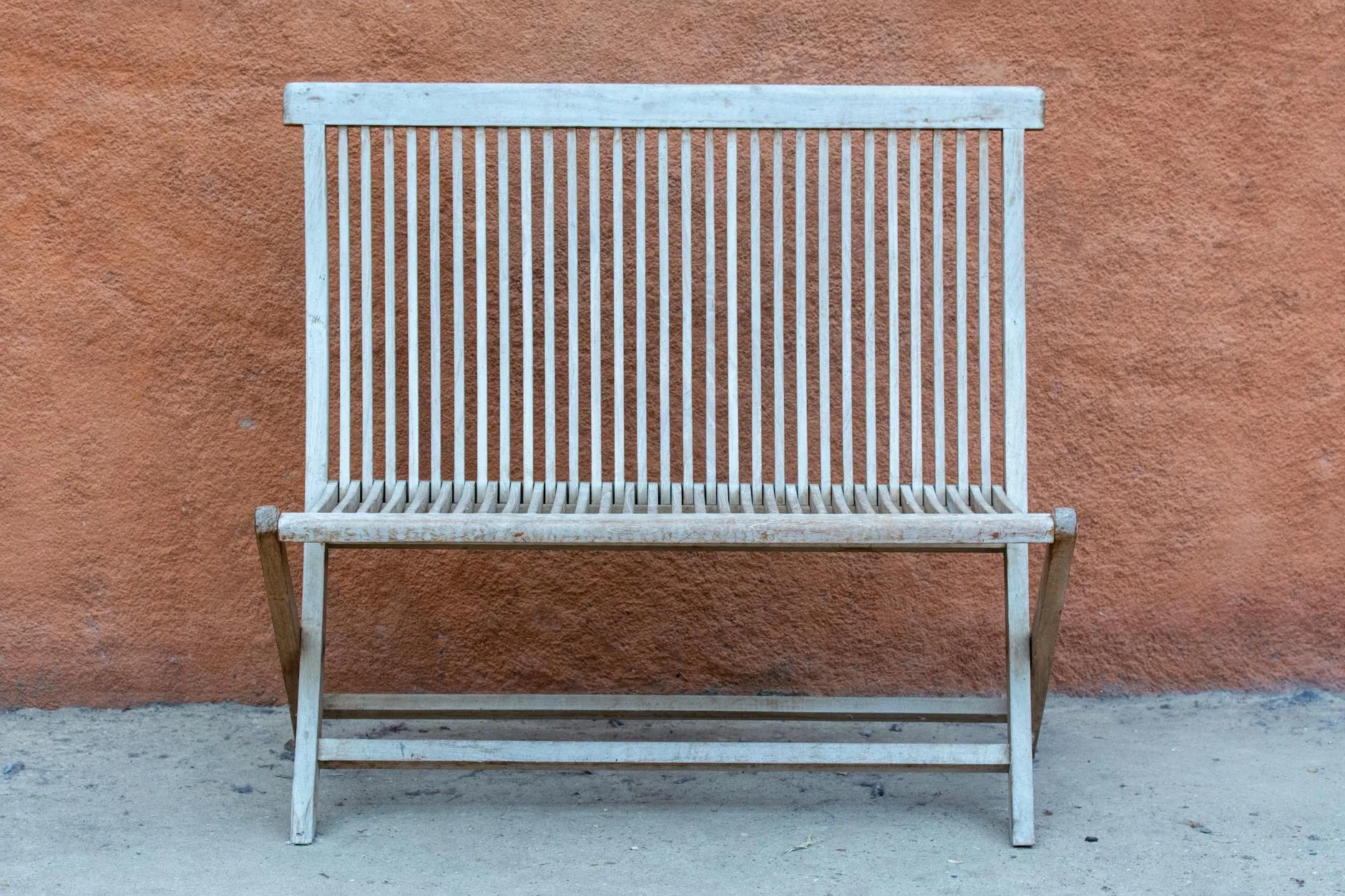
Best Wooden Garden Benches
Wood remains the most popular material for UK garden benches — and for good reason. Nothing else matches the warmth and character of a well-made wooden bench aging gracefully in a British garden.
Premium: Barlow Tyrie London Bench, 150cm (about £700, barlowtyrie.com)
Barlow Tyrie has been making teak outdoor furniture in Braintree, Essex since 1920. The London bench is their classic design — clean lines, proper mortise-and-tenon joints, grade-A plantation teak. It’ll outlast you if maintained properly. At £700, it’s a serious investment, but owners consistently report it looking better at 10 years old than most benches look new. The teak weathers to a beautiful silver if left alone, or you can oil it to keep the golden colour.
Mid-Range: Alexander Rose Broadfield Bench (about £380, alexanderrose.co.uk)
Our best overall pick. FSC-certified acacia hardwood, 10-year guarantee, comfortable 3-seater design. Available at garden centres nationwide and online. The finish straight from the box is excellent — some benches at this price point arrive rough, but the Broadfield comes properly sanded and pre-treated.
Budget: Rowlinson Softwood Bench (about £90, B&Q)
For under £100, this pressure-treated softwood bench is decent value. It’ll need annual treatment with a wood preservative (Cuprinol Garden Shades or similar, about £20 a tin from Wickes), and expect to get 5-7 years from it. The joinery isn’t as refined as the pricier options — screws rather than dowels — but it holds up well enough for the money. Available at B&Q, Homebase, and Amazon UK.
What About IKEA?
IKEA’s ÄPPLARÖ bench (about £120) is acacia wood and decent for the price. The concern is the thinner timber and simpler joints compared to dedicated garden furniture makers. It’s fine for light use and sheltered spots, but in a fully exposed UK garden, the timber can start splitting within 3-4 years. Consider it a mid-term option rather than a forever bench.
Best Metal Garden Benches
Metal benches split into two camps: cast iron for traditional gardens and aluminium for modern ones. Both outlast wood with zero maintenance.
Cast Iron: Lazy Susan Rose 2-Seater (about £200, lazysusanfurniture.co.uk)
Cast iron benches weigh a tonne (this one is 24kg for a 2-seater) but that weight is actually an advantage — they don’t blow over in wind, nobody’s walking off with it, and the mass gives a reassuring solidity when you sit down. The Rose pattern is the classic Victorian style you’ll see in parks across the UK. The slats are treated hardwood, and the iron frame comes powder-coated in green, white, or black.
After having a cast iron bench in our garden for three years, the main observation is that it’s cold to sit on in spring and autumn. A bench cushion (about £20-30 from Argos or Dunelm) solves this entirely and makes it genuinely comfortable for long sits.
Cast Aluminium: Hartman Amalfi Bench (about £300, garden centres)
Cast aluminium looks like cast iron but weighs half as much and doesn’t rust. The Hartman Amalfi is a handsome 3-seater with a proper contoured backrest. The finish options (bronze, slate, white) suit most garden styles. It’s weather-proof enough to leave out year-round without covering, which is worth something given how often British weather changes from sunshine to rain in the same afternoon.
Flat-Pack Steel: B&Q’s Budget Metal Options (about £40-80)
At the budget end, steel tube benches from B&Q and Argos do the job for patios and balconies. They’re lightweight, stack or fold for winter storage, and cost less than a Sunday roast. Don’t expect heirloom quality, but for renters or anyone who doesn’t want to commit, they’re practical.
Best Stone and Concrete Benches
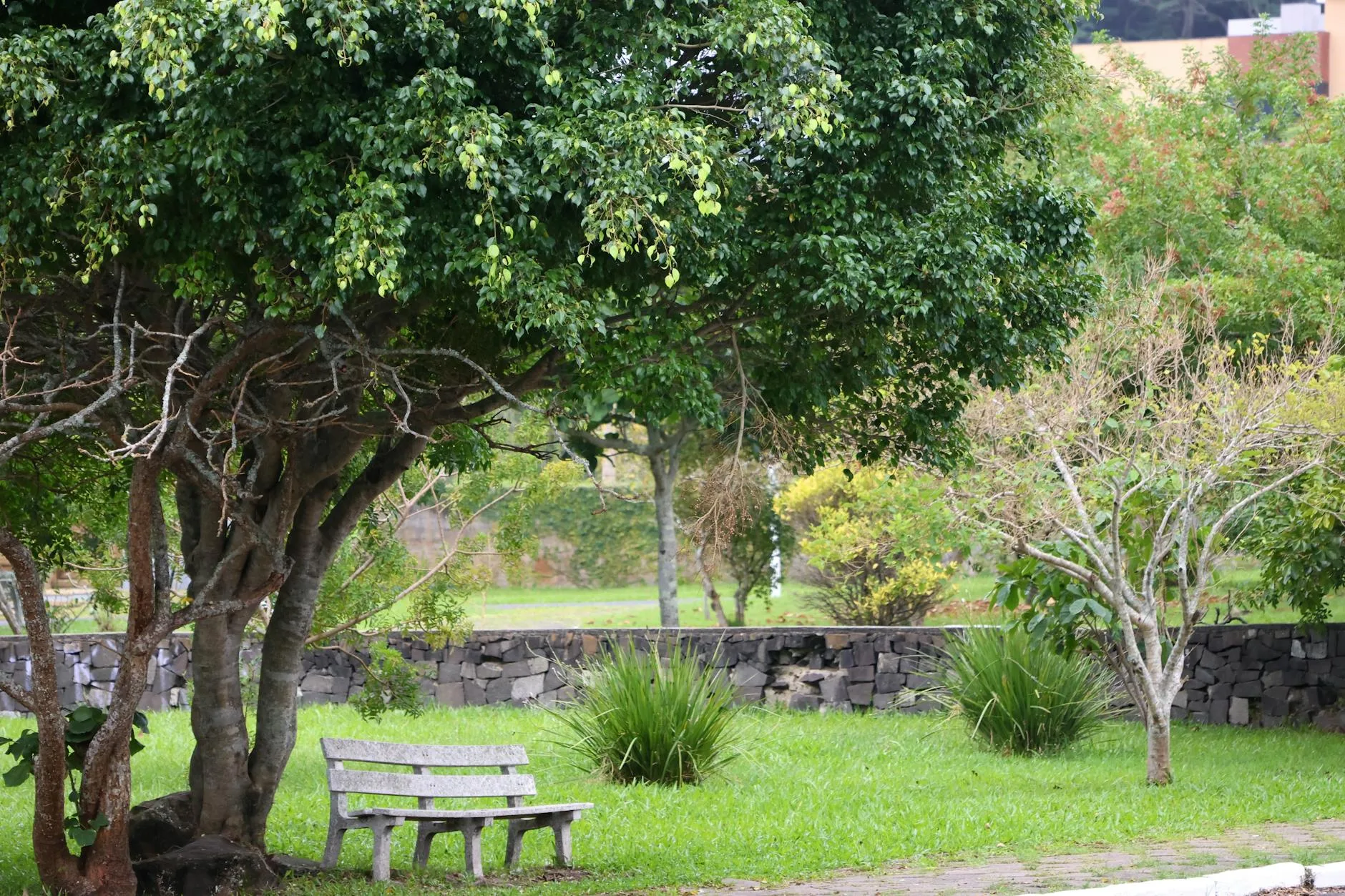
Stone benches are the buy-once-buy-forever option. They don’t rot, rust, warp, or fade. They also weigh 100kg+ and cost as much as a sofa, so they’re very much a commitment piece.
Natural Stone: Haddonstone Lutyens Bench (about £1,200+, haddonstone.com)
This is the gold standard — hand-cast reconstituted stone in the classic Edwin Lutyens design (the same benches you see at Sissinghurst and other National Trust gardens). They weigh about 150kg, need a solid base, and will still be in your garden looking perfect when your grandchildren inherit the house. The RHS recommends natural and reconstituted stone for garden features that blend with established planting schemes.
Concrete: Gardenstone Curved Bench (about £250-400, various suppliers)
For a more affordable stone option, concrete garden benches offer the permanence of stone without the four-figure price tag. They come in natural stone finishes that weather attractively over time. The Gardenstone range is available through garden centres and online suppliers. Most concrete benches are two-piece (legs + seat) for delivery, and you assemble them on-site — you’ll want two people and a strong back.
When Stone Makes Sense
Stone benches work best in permanent positions: next to a path, under a tree, at the end of a garden with a view. They become part of the garden’s architecture rather than furniture you might rearrange. If you’re the kind of gardener who redesigns the layout every few years, stone is not for you. If you’ve found the perfect spot and want something that’ll be there for fifty years, there’s nothing better.
Best Recycled Plastic Benches
Recycled plastic benches have come a long way from the ugly picnic-table-style products of a decade ago. Modern recycled HDPE looks surprisingly good and has one standout superpower: it requires zero maintenance forever.
TDP Coloured Dale Bench (about £250-350, tdp.co.uk)
The Dale Bench from TDP (Trade Mouldings) is made entirely from recycled milk bottles and plastic packaging. It comes in colours including brown, green, and black, and it’s the closest any recycled bench gets to looking like real wood. No painting, no oiling, no rot, no splinters. Drop it in the garden and ignore it for 25 years.
Why Recycled Plastic Works
- Rot-proof — perfect for damp, shady spots where wood struggles
- UV-resistant — modern UV stabilisers prevent fading and brittleness
- Heavy — typically 25-40kg, so wind-stable
- Splinter-free — good for families with small children
The Downsides
It doesn’t quite feel like wood. The texture is smoother and slightly synthetic to the touch. In direct summer sun, dark-coloured recycled plastic can get uncomfortably hot (much more than wood). And while the environmental credentials are excellent, the aesthetics are a compromise — in a traditional cottage garden, a recycled plastic bench will look out of place no matter what colour you choose.
Garden Bench Materials Compared
Lifespan
- Stone/concrete — 50+ years
- Teak — 25-40 years
- Cast iron — 20-30 years
- Recycled plastic — 20-25 years
- Cast aluminium — 15-25 years
- Acacia/eucalyptus — 15-20 years
- Softwood (treated) — 5-10 years
Maintenance Required
- Stone/concrete — none (occasional pressure wash)
- Cast iron/aluminium — none (touch up chips)
- Recycled plastic — none
- Teak — optional annual oiling
- Acacia — annual oiling recommended
- Softwood — annual preservative treatment essential
Comfort (Without Cushion)
- Hardwood — warmest and most comfortable
- Softwood — similar to hardwood when new
- Recycled plastic — warm, smooth, decent
- Cast aluminium — cool in spring/autumn
- Cast iron — cold and hard
- Stone — cold and hard (warmest in direct sun)
Weather Resistance (UK Conditions)
- Stone — impervious
- Recycled plastic — excellent
- Teak — excellent (natural oils repel water)
- Cast aluminium — excellent (no rust)
- Cast iron — good (if painted/powder-coated)
- Acacia — good (if oiled)
- Softwood — moderate (needs treatment)
Where to Place Your Garden Bench
Placing a bench well is as important as choosing the right one. A beautiful teak bench shoved against the back fence facing the bins isn’t doing anyone any favours.
The View Test
Sit where you’re planning to put the bench and look at what you’ll see. Face it toward the best part of the garden, a view, or the house itself (watching the family through the kitchen window on a summer evening is underrated). Don’t face it toward fences, walls, or neighbours’ windows unless there’s screening.
Sun Tracking
In a south-facing UK garden, a bench against the south wall gets maximum afternoon sun — lovely in spring and autumn, potentially unbearable in July. Consider placing it where it catches morning sun (east-facing) or late afternoon sun (west-facing) for the most comfortable sitting hours.
Surface
A bench on grass will slowly sink and become uneven, and the grass underneath will die. Place it on a hard surface — paving slabs, gravel, decking, or at minimum a pair of flagstones under the legs. This also prevents softwood legs from sitting in damp soil, which accelerates rot. If you’re also thinking about patio surfaces, matching your bench placement to your paving material creates a more cohesive garden design.
Under Trees
A bench under a mature tree is a romantic idea and works beautifully from about May to September. Be aware that sap, bird droppings, and falling fruit will land on it, and the shade means the bench stays damp longer after rain. Choose teak, metal, or recycled plastic for under-tree positions — softwood will deteriorate faster in permanent shade. If you’re working on your overall garden layout, plan the bench position early — it’s much easier to design around a bench spot than to retrofit one.
Caring for Your Garden Bench
Hardwood (Teak, Acacia, Eucalyptus)
- Clean annually with warm soapy water and a soft brush
- Sand lightly if the surface feels rough or splinters are developing
- Apply teak oil or hardwood protector once a year (Ronseal or Barrettine — about £12-15 from B&Q or Screwfix)
- If you prefer the silver-grey patina, skip the oil entirely — the wood is still protected by its natural oils
Softwood (Pine, Spruce)
- Clean with warm soapy water in spring
- Sand any rough spots
- Apply wood preservative (Cuprinol, Ronseal) annually — this is not optional; untreated softwood will rot within 2-3 seasons
- Check all screws and bolts — softwood expands and contracts more than hardwood, loosening fixings over time
Metal
- Hose down or wipe with a damp cloth
- Check for paint chips or scratches annually — touch up with matching paint to prevent rust (cast iron) or cosmetic damage (aluminium)
- Lightly oil any moving parts (hinges on folding benches) with WD-40
Stone and Concrete
- Pressure wash annually to prevent algae and moss build-up
- That’s it — stone is essentially maintenance-free
Recycled Plastic
- Wipe down with warm soapy water
- That’s it — these benches are designed to be ignored
Best Garden Bench Accessories
Bench Cushions
A decent outdoor cushion transforms a hard bench into somewhere you’ll sit for hours. Look for:
- Showerproof fabric — not waterproof, but won’t soak through in light rain
- Quick-dry foam — traditional foam holds water; outdoor-specific foam drains and dries within hours
- Tie-backs — essential in wind. Loose cushions end up in the flower bed.
The Gardenista Outdoor Bench Pad (about £35 from Amazon UK) fits standard 3-seater benches and comes in a range of colours. Bring them inside in heavy rain or over winter.
Bench Covers
If your bench lives in an exposed position, a fitted cover extends its life. Covers cost £15-30 and save you hundreds in maintenance and early replacement. Make sure the cover is breathable — non-breathable plastic covers trap moisture and cause more damage than no cover at all.
Arm Trays
A clip-on arm tray (about £10-15) gives you somewhere to put your cup of tea without balancing it on the arm or putting it on the ground. Small luxury, big difference in daily enjoyment. If you’re thinking about garden furniture more broadly, accessories often make a bigger difference to comfort than the furniture itself.
Keep reading on Plot & Patio: Best Garden Furniture 2026: UK Weather-Proof Picks, How to Choose the Right Size Dining Set for Your Patio, How to Clean Garden Furniture: Wood, Metal & Plastic, Teak vs Rattan vs Metal Garden Furniture: Which Lasts Longest?.
Frequently Asked Questions
What is the best wood for a garden bench in the UK? Teak is the gold standard — naturally weather-resistant and lasts 25-40 years. If teak’s price is too high, FSC-certified acacia is the best mid-range option, lasting 15-20 years with annual oiling. Avoid untreated softwood if you want a bench that lasts more than five years in the British climate.
Do I need to treat a teak garden bench? No — teak contains natural oils that protect it from rot and weather without any treatment. If left alone, it develops a silver-grey patina over time. You can oil it annually if you prefer to keep the original golden-brown colour, but this is cosmetic, not structural.
How heavy should a garden bench be? A bench that’s too light will move in wind and feel unstable when sitting. For permanent outdoor placement, aim for at least 15-20kg. Cast iron and stone benches (25-150kg) are the most stable. If you choose a lightweight bench, consider fixing it to the ground or a paving slab.
Can I leave a metal garden bench outside all year? Cast aluminium and powder-coated cast iron benches can stay outside year-round without damage. Untreated steel will rust, and cheap painted finishes will flake. If your metal bench starts showing bare metal, sand and repaint immediately to prevent spreading rust.
How wide should a garden bench be for two people? A 120cm (4ft) bench seats two adults comfortably. If you want space to spread out or for a child to sit between two adults, go for 150cm (5ft). Standard 3-seater benches at 150cm are the most versatile size for most UK gardens.