The best pressure washer for most UK homes is a mid-range electric model with around 130-150 bar pressure, strong water flow, and a patio-cleaner attachment. That gives enough power for slabs, decking, bins and cars without moving into noisy petrol machines or overpowered kit that can damage pointing and timber.
Quick Answer
For most patios and driveways, start with the Kärcher K5 Premium Full Control. Choose the Nilfisk Core 140 if you want better value, the Kärcher K2 for small patios and occasional car washing, and a cordless washer only for light jobs where mains power is awkward. If weeds are the bigger problem, pair this with our guide to stopping weeds between patio slabs.
In This Article
- Best Overall: Kärcher K5 Premium Full Control
- How to Choose a Pressure Washer
- Best Pressure Washers by Category
- Pressure Washer Power Ratings Explained
- What You Can and Can’t Pressure Wash
- Accessories Worth Buying
- Maintenance and Storage
- Electric vs Petrol: Which Type Do You Need?
- Where to Buy in the UK
- Frequently Asked Questions
Best Overall: Kärcher K5 Premium Full Control
If you want one recommendation and don’t fancy reading the whole article: get the Kärcher K5 Premium Full Control Plus (about £380-£420 from Argos, Toolstation, or Amazon UK). It’s the sweet spot between power and usability for UK home use — enough pressure to strip years of grime off patios and decking, quiet enough that your neighbours won’t complain, and built to last longer than the budget models that die after two seasons.
The K5 sits in Kärcher’s mid-premium range. It outputs 145 bar of pressure and 500 litres per hour of water flow — that’s enough to clean a typical 20-square-metre patio in about 40 minutes. The “Full Control” bit means you adjust pressure via the trigger gun rather than the machine, which sounds gimmicky but is actually useful when switching between patio slabs and more delicate surfaces like car paintwork.
After three summers with ours, the motor still starts first time and the hose hasn’t degraded. That’s more than we can say for the budget Nilfisk we had before it.
How to Choose a Pressure Washer
Pressure (Bar Rating)
The bar rating tells you how much force the water exits with. More isn’t always better — too much pressure damages soft wood, strips paint, and erodes pointing between paving slabs.
- 80-110 bar — light duties: cars, garden furniture, bikes, bins
- 110-140 bar — medium duties: patios, fencing, driveways with regular maintenance
- 140-180 bar — heavy duties: deeply stained concrete, commercial driveways, moss-encrusted stone
- 180+ bar — professional/commercial territory. Overkill for most gardens.
For a typical UK garden with a patio, decking, and a car to wash, 130-145 bar covers everything comfortably.
Flow Rate (Litres Per Hour)
This is the overlooked spec. Pressure loosens dirt; water flow washes it away. A high-pressure, low-flow washer takes longer because there’s not enough water volume to shift the loosened grime. Look for at least 400 litres per hour for patio work. The Kärcher K5 delivers 500 l/hr, which makes a real difference on larger areas.
Motor Type
- Universal (brushed) motors — cheaper, louder, shorter lifespan (300-500 hours typically). Fine if you use it a dozen times a year.
- Induction motors — quieter, more efficient, last 2,000+ hours. Worth the premium if you’ll use it regularly.
The K3 and K4 models from Kärcher use universal motors. The K5 and above use induction. That’s a big part of the price jump between them.
Hose Length
Standard hoses are 6-8 metres. This sounds plenty until you realise you’re dragging the machine around the garden to stay within range. A 9-12 metre hose lets you park the machine in one spot and reach most areas without moving it. Kärcher’s K5 comes with a 10m hose; the K4 has 8m.
Weight and Portability
You’ll be moving this around. Budget models weigh 5-8kg (light but flimsy). Mid-range units are 12-15kg (substantial but manageable with wheels). Premium models hit 18-20kg. If you’re storing it in a shed at the bottom of the garden, weight matters.
Best Pressure Washers by Category
Best Budget: Kärcher K2 Power Control (About £130)
The K2 is where most people start, and for light-to-medium work, it’s perfectly adequate. 110 bar pressure, 360 l/hr flow rate, and a 6m hose. It’ll handle a small patio, garden furniture, bikes, and car washing without drama. The universal motor is loud and won’t last forever, but at this price, you can replace it every 3-4 years and still spend less than one K5.
- Good for: flats, small gardens, cars, garden furniture
- Limitations: struggles with heavy moss and deeply stained concrete
- Where to buy: Argos (£130), Screwfix (£130), Amazon UK
Best Mid-Range: Nilfisk Core 140 PowerControl (About £230)
Nilfisk is the other big European brand, and the Core 140 is their best value model. 140 bar pressure with an aluminium pump that outlasts the plastic internals on budget machines. The PowerControl system gives you three pressure presets on the trigger gun. Build quality feels a step up from the Kärcher K4 at a similar price.
- Good for: medium gardens, regular patio maintenance, driveways
- Limitations: 8m hose could be longer, accessories sold separately
- Where to buy: Toolstation (£230), Amazon UK, Screwfix
Best Premium: Kärcher K7 Premium Full Control Plus (About £580)
If budget isn’t the constraint and you’ve got a large property, the K7 is serious kit. 180 bar pressure, 600 l/hr flow, 10m hose, and an induction motor that’ll outlast the house. It strips decades of neglect off driveways like it’s nothing. The downside? It’s 18kg, expensive, and more than most semi-detached gardens need.
- Good for: large driveways, heavy commercial cleaning, letting agencies prepping properties
- Limitations: expensive, heavy, overkill for car washing
- Where to buy: Kärcher.co.uk (£580), Amazon UK, John Lewis
Best for Cars: Kärcher K4 Power Control (About £250)
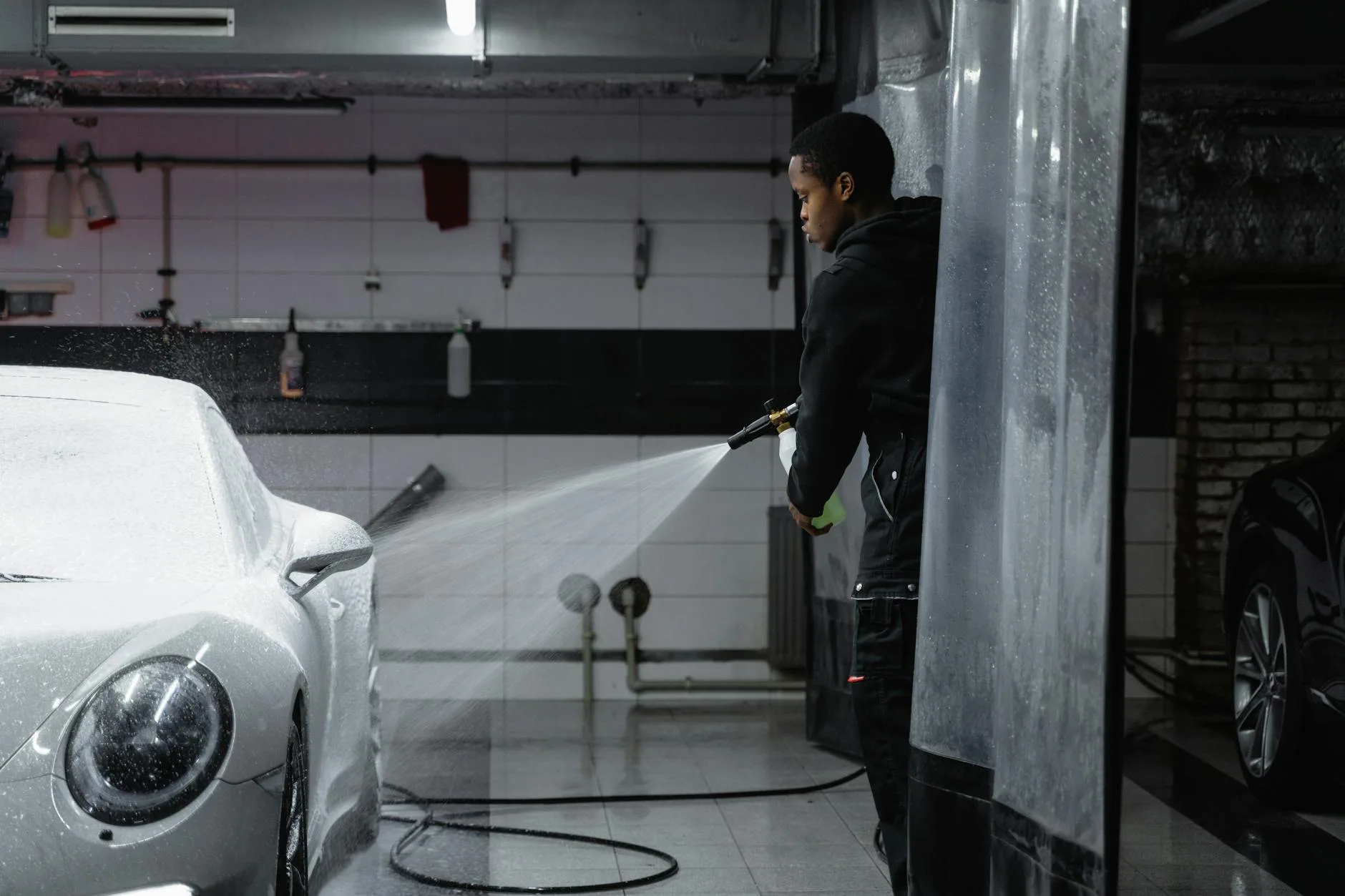
Cars need gentle, consistent pressure — too much and you risk damaging paint, trim, and window seals. The K4 at 130 bar is ideal. The Power Control gun lets you dial back to the car setting without fiddling with the machine. Combined with Kärcher’s foam cannon attachment (about £30 extra), it produces that satisfying snow-foam effect that makes neighbours jealous.
- Good for: car enthusiasts, anyone who washes weekly
- Limitations: universal motor means it’s louder than the K5
- Where to buy: Halfords (£250), Amazon UK, Argos
Best Cordless: Kärcher KHB 6 Battery (About £200)
Not technically a pressure washer — it’s a “medium-pressure cleaner” at 24 bar. But for quick jobs (rinsing the car, blasting mud off boots, cleaning garden furniture), the cordless convenience is hard to beat. No mains cable, no hose connection needed (uses a built-in flat-suction hose from a bucket). Battery lasts about 14 minutes of continuous use — shorter than you’d think.
- Good for: quick jobs, top-ups between proper washes, no-tap locations
- Limitations: not powerful enough for patios or heavy cleaning
- Where to buy: Kärcher.co.uk (£200), Amazon UK
Pressure Washer Power Ratings Explained
Manufacturers love quoting maximum pressure, but what matters for cleaning is effective pressure — the sustained output during actual use, not a peak spike.
Max Bar vs Working Bar
Most machines advertise their maximum bar rating. Working pressure is typically 20-30% lower. A “145 bar” machine delivers about 110-120 bar in sustained use. This is normal and expected — don’t feel shortchanged.
How Much Power Do You Actually Need?
Here’s what we found works in practice after testing across various UK surfaces:
- Block paving driveway (moderately dirty) — 130+ bar with a rotary nozzle cleans well
- Sandstone patio slabs — 110-130 bar is plenty; higher pressure risks erosion
- Wooden decking — 80-100 bar maximum, held at distance. Decking splinters easily.
- Car bodywork — 80-110 bar at 30cm distance
- uPVC fascias and guttering — 100-120 bar at 40cm distance
- Indian sandstone — 120-140 bar, but test a hidden area first. Some sandstone is softer than you’d expect.
What You Can and Can’t Pressure Wash
Safe to Pressure Wash
- Concrete slabs and driveways — the bread and butter of pressure washing
- Block paving — set the pressure appropriately and avoid blasting pointing out
- Cars — with correct pressure and at appropriate distance
- Garden furniture (plastic, metal, and hardwood) — adjust pressure for the material
- Bins, wheelie bins, recycling boxes — satisfying and quick
- Stone walls and brickwork (if in good condition) — avoid old, crumbling mortar
Don’t Pressure Wash
- Softwood decking without care — you’ll gouge lines into the timber
- Render and pebbledash — too much pressure blasts it clean off the wall
- Old brickwork with lime mortar — the mortar is softer than modern cement and will erode
- Single-glazed windows — risk of seal failure
- Asphalt on high pressure — can strip the top layer if it’s already degrading
- Painted surfaces — pressure will lift and peel paint unless it’s industrial-grade
The Royal Horticultural Society recommends gentle approaches for natural stone and suggests avoiding pressure washers entirely on old, worn pointing. Worth checking their guidance if you’ve got heritage or reclaimed paving. We’ve also covered patio materials and how each responds to cleaning differently.
Accessories Worth Buying
Patio Cleaner Attachment (£40-£80)
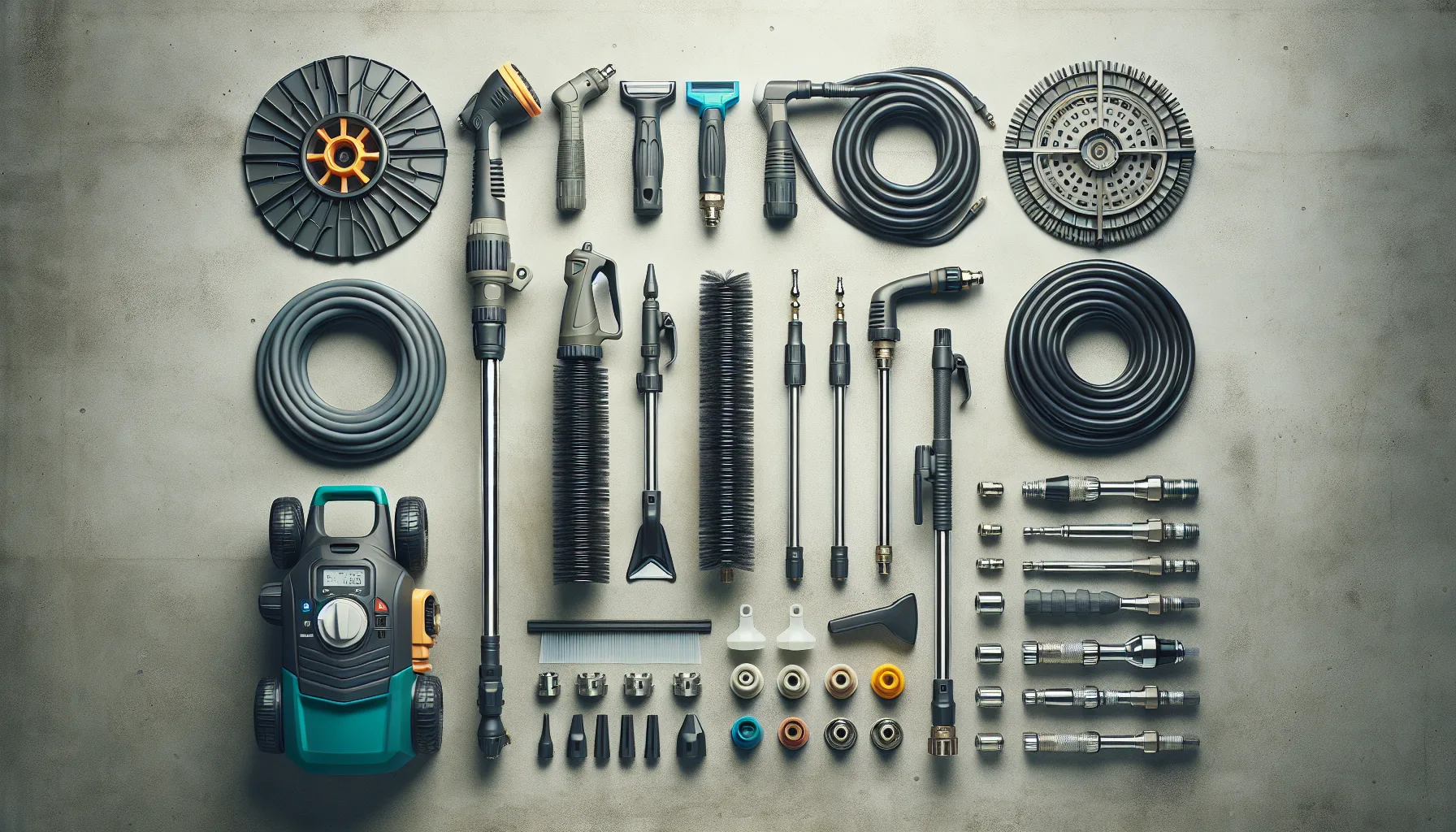
This is the single best accessory for patio work. It’s a spinning disc with two jets inside a splash guard — covers a wider area than the lance alone, prevents splash-back, and gives more even results. Kärcher’s T5 surface cleaner is the benchmark (about £60). Every pressure washer owner should have one.
Foam Cannon / Snow Foam Lance (£25-£40)
Attaches to the lance and pre-soaks surfaces in thick foam before you hit them with pressure. Essential for car washing (the foam lifts dirt before contact, reducing swirl marks) and useful on patios to pre-treat stubborn algae. Autoglym or Bilt Hamber snow foam is about £10-15 per bottle and lasts months.
Extension Lance (£20-£30)
Adds 50cm-1m of reach. Brilliant for cleaning guttering, fascia boards, and the tops of fences without a ladder. A safety upgrade as much as a convenience one.
Drain and Gutter Cleaning Kit (£30-£50)
A flexible hose with a forward-firing jet that clears blocked drains and gutters. Not something you’ll use every week, but when you need it, nothing else works as well.
Maintenance and Storage
After Every Use
- Run clean water through the system for 30 seconds after disconnecting detergent
- Release residual pressure by squeezing the trigger with the machine off
- Coil the hose loosely — tight coils create kinks that weaken the hose over time
- Wipe down the lance and gun to prevent calcium buildup from hard water
Seasonal Storage
- Run antifreeze solution through the pump before winter (Kärcher sells their own, or use diluted automotive screen wash)
- Store upright in a frost-free shed or garage — frozen water in the pump cracks it
- Remove the hose from the machine to reduce connection strain
- Cover with a dust sheet if stored in an open garage
Common Failures
- Pulsing pressure — usually an air lock. Run water through without the lance attached until flow is steady.
- Won’t start after winter — frozen pump. If it’s cracked, it’s done. Prevention is cheaper than replacement.
- Leaking connections — O-ring failure. Replacements cost £3-5 from Screwfix or direct from manufacturer.
Electric vs Petrol: Which Type Do You Need?
Electric (99% of UK Home Users)
Every machine listed above is electric. For UK residential use, there’s almost no reason to go petrol. Electric models are quieter (critical in terraced and semi-detached housing), cheaper to run, lighter, need less maintenance, and produce zero direct emissions. The only limitation is cable reach — solved with an outdoor extension lead or a machine with a longer hose.
Petrol (Very Specific Use Cases)
Petrol pressure washers deliver more power (200-300+ bar) and flow rate, but they’re loud enough to wake the entire street, need regular engine maintenance, and cost substantially more. The only realistic UK home use case is if you have a very large property with no outdoor power sockets — think farmhouses, rural estates, or commercial yards. Budget £500-£1,200 for a decent petrol unit.
If you live in a typical UK house with an outdoor socket within 20 metres of where you’ll clean, buy electric. That advice covers about 95% of readers.
Where to Buy in the UK
- Argos — wide range, click-and-collect same day, easy returns
- Screwfix / Toolstation — trade-oriented stock, competitive pricing, staff who know the products
- Halfords — strong on car cleaning accessories and bundles
- Amazon UK — widest selection, fastest delivery, but no specialist advice
- B&Q — seasonal stock (spring/summer mainly), good for budget models
- Kärcher.co.uk — direct from manufacturer, full accessory range, sometimes exclusive bundles
Price-match tip: John Lewis, Argos, and Currys all price-match against each other and Amazon. If you find it cheaper elsewhere, ask before buying.
Frequently Asked Questions
Can I use a pressure washer without connecting to a tap? Some models can draw water from a bucket or water butt using a flat-suction hose (check the manual — not all machines support this). Flow rate will be lower than mains supply, which reduces effective pressure. The Kärcher K5 supports suction mode; budget models often don’t.
Will a pressure washer damage my patio pointing? It can if the pointing is old, crumbling, or lime-based. Keep the nozzle at least 15cm from joints and use a fan spray rather than a pencil jet. If your pointing is already failing, patch it first — our how to lay a patio guide covers repointing in the maintenance section. Repointing before pressure washing prevents joint damage — use kiln-dried sand or a resin-based jointing compound for best results.
How much water does a pressure washer use? Less than a garden hose, counterintuitively. A standard hose uses about 1,000 litres per hour. A pressure washer uses 300-600 litres per hour while delivering far more cleaning power. You’ll use less water overall because the job takes a fraction of the time.
Can I use a pressure washer in winter? Yes, but never leave water sitting in the machine in freezing temperatures — it’ll crack the pump. Use it, drain it, and store it frost-free. Some people avoid winter use entirely, which is fine but not necessary if you follow proper drain-down procedures.
Do I need a dedicated outdoor socket? Not necessarily — a weatherproof extension lead works fine for most people. Use a cable rated for outdoor use (IP44 or higher), keep connections off wet ground, and never exceed the extension lead’s maximum wattage rating. A 13A lead supports every domestic pressure washer on the market.
Keep reading on Plot & Patio: How to Stop Weeds Growing Between Patio Slabs, Patio Materials Compared: Concrete, Stone, Porcelain & Composite, How to Lay a Patio: Step-by-Step DIY Guide, Pergolas vs Gazebos: Which Is Right for Your Garden?, Patio Cleaning Guide: How to Remove Moss and Algae, Patio Drainage Solutions for UK Gardens.