You’ve decided the garden needs a structure — somewhere to eat outside without getting rained on, or somewhere to sit with a glass of wine without the neighbours watching. You start searching and immediately hit the same two options: pergola or gazebo. They look similar in photos, the prices overlap, and half the product listings seem to use the terms interchangeably. They’re not the same thing. The right choice depends on how much shelter you need, how permanent you want it, and how much you’re willing to spend on something that lives outside in British weather.
In This Article
- What Is a Pergola?
- What Is a Gazebo?
- Key Differences at a Glance
- Weather Protection: Which Keeps You Drier?
- Cost Comparison: UK Prices
- Planning Permission and Regulations
- Installation: DIY vs Professional
- Which Is Better for Small Gardens?
- Materials: Wood, Metal, and Polycarbonate
- Pergola or Gazebo for a Hot Tub?
- The Verdict: Which Should You Choose?
- Frequently Asked Questions
What Is a Pergola?
A pergola is an open-sided structure with a flat or angled roof made of beams or slats. The roof isn’t solid — it’s a series of rafters that create partial shade without fully blocking the sky. Think of it as a frame that defines an outdoor space rather than enclosing it.
Traditional vs Modern Pergolas
Traditional pergolas are freestanding wooden frames, often used as garden walkways or sitting areas with climbing plants growing over them — wisteria and roses are the classics. Modern pergolas have evolved. You’ll now find:
- Louvred pergolas — adjustable aluminium slats that tilt to control sunlight and rain. The premium option (£3,000-10,000+)
- Retractable canopy pergolas — fixed frame with a sliding fabric roof. Middle ground between open and covered (£500-2,000)
- Wall-mounted lean-to pergolas — attached to the house wall on one side, reducing cost and footprint (£200-800)
- Freestanding wooden pergolas — the traditional style. Pressure-treated timber, usually 3m x 3m or 3m x 4m (£300-1,500)
After fitting a wall-mounted wooden pergola to the back of the house a couple of years ago, the one thing I’d say is that the partial shade it provides is exactly what a south-facing patio needs. Full sun gets oppressive by July. A pergola takes the edge off without making the garden feel enclosed.
What Is a Gazebo?
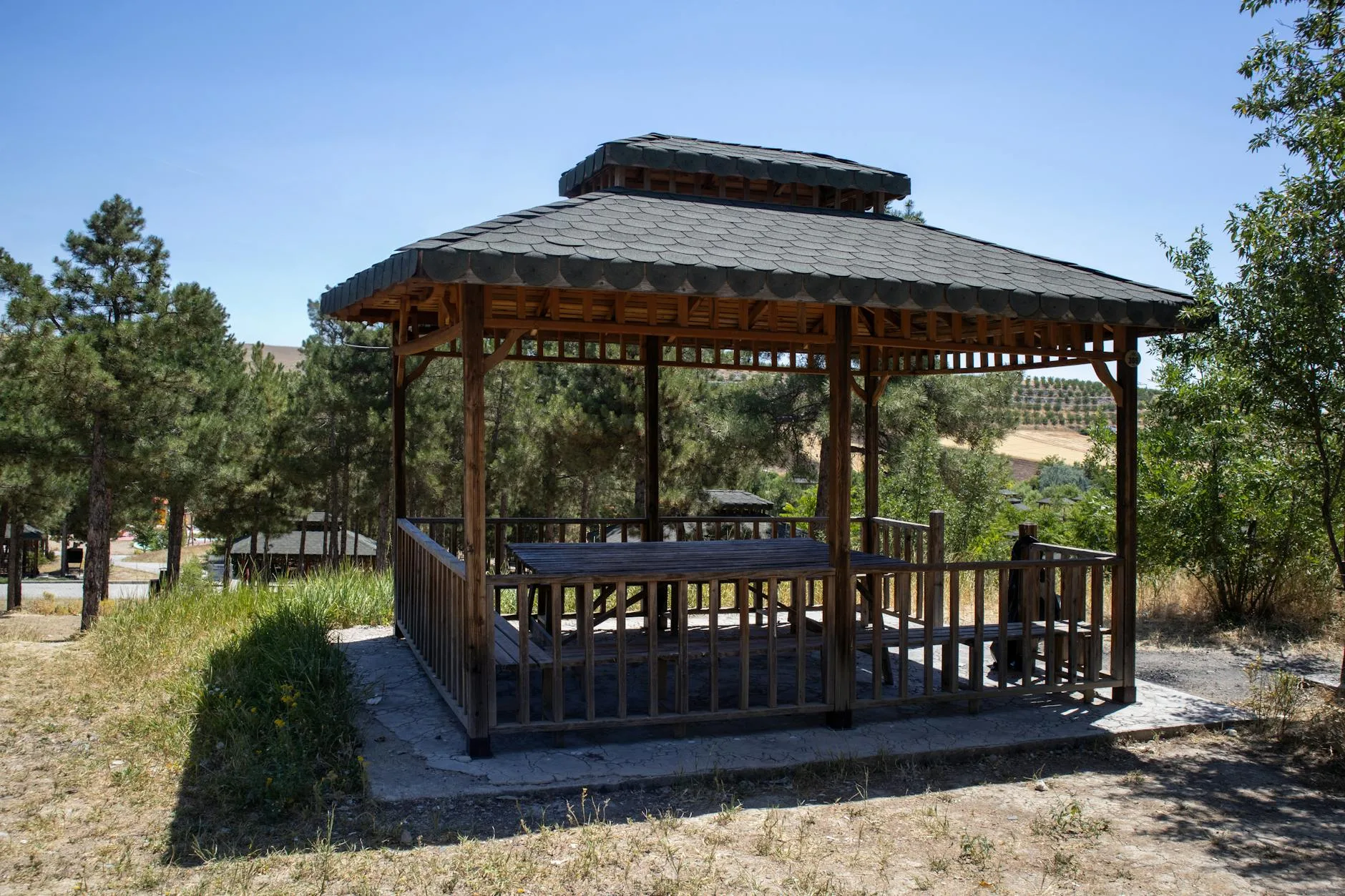
A gazebo has a solid roof and is usually enclosed or semi-enclosed — either with solid sides, mesh panels, curtains, or open arches. It’s a self-contained structure that provides full weather protection.
Types of Gazebo
- Permanent timber gazebos — hexagonal or octagonal, often with a shingle or felt roof. The classic garden structure (£800-5,000)
- Metal frame gazebos — steel or aluminium with a polycarbonate or fabric roof. Sturdy and low-maintenance (£300-2,000)
- Pop-up gazebos — lightweight, portable, designed for events and temporary use. Not a permanent garden structure (£30-150)
- Hardtop gazebos — metal frame with a solid polycarbonate or galvanised steel roof. Increasingly popular in the UK (£500-3,000)
Pop-up gazebos are a different category entirely — they’re event shelters, not garden structures. When people talk about choosing between a pergola and a gazebo for their garden, they mean the permanent kind.
Key Differences at a Glance
- Roof: Pergolas have an open or slatted roof. Gazebos have a solid, weatherproof roof
- Sides: Pergolas are open on all sides. Gazebos may have partial or full sides
- Weather protection: Pergolas provide shade and partial shelter. Gazebos provide full protection from rain and wind
- Permanence: Both can be permanent, but gazebos are more commonly built as fully self-contained structures
- Aesthetic: Pergolas feel lighter and more open. Gazebos feel more like a distinct room in the garden
- Price range: Significant overlap, but high-end gazebos cost more than equivalent pergolas
- Planning permission: Both are usually permitted development, but gazebos are more likely to trigger the 50% rule due to their footprint
Weather Protection: Which Keeps You Drier?
This is the UK. If you’re building something in the garden to sit under, rain protection matters.
Pergolas
A standard pergola with open rafters provides zero rain protection. You’ll get shade from direct sun, but the first drizzle sends you inside. That changes if you add:
- A retractable canopy — pulls across when it rains, retracts when it doesn’t (£100-500 as an add-on)
- Polycarbonate roof panels — fixed clear panels between the rafters that keep rain out while letting light through (£50-200 for materials)
- Climbing plants — dense wisteria or grapevine provides surprisingly good cover in summer, but nothing in winter
Gazebos
A hardtop gazebo keeps you dry in any weather. Period. That’s its primary advantage over a pergola. If you want to sit outside in March with a coffee while it’s chucking it down — and there’s something deeply satisfying about that — a gazebo is the only option that delivers without modification.
We tested our metal-frame hardtop gazebo through a full winter, including the January storms. Not a drop got through. The polycarbonate roof panels flexed slightly in high wind but held firm. Wind, though, is the real test — and this is where side panels or curtains earn their money.
The Honest Answer
If rain protection is your main driver, get a gazebo. If you mostly want shade and atmosphere, a pergola works brilliantly for the 5-6 months of the year when British weather behaves itself.
Cost Comparison: UK Prices
Budget (Under £500)
- Pergola: Pressure-treated timber lean-to, 3m x 3m. About £200-400 from B&Q, Wickes, or Amazon UK. DIY installation
- Gazebo: Basic metal frame with fabric roof. About £150-400 from Argos, Amazon UK. Decent for a season or two
Mid-Range (£500-2,000)
- Pergola: Retractable canopy pergola or polycarbonate-roofed timber pergola. About £600-1,500. Often needs professional installation
- Gazebo: Hardtop metal gazebo with polycarbonate roof. About £500-1,500 from Costco, Amazon UK, or specialist garden retailers. The sweet spot for permanent garden structures
Premium (£2,000+)
- Pergola: Louvred aluminium pergola with motorised slats. £3,000-10,000+. Professional installation essential. Brands like Renson, Caribbean Blinds, or Weinor
- Gazebo: Large timber gazebo with shingle roof, built-in seating, and electrical wiring. £3,000-8,000+. Usually bespoke or from specialist suppliers like Dunster House or Breeze House
Running Costs
Both are low-maintenance once installed. Timber structures need re-treating every 2-3 years (a weekend job). Metal and aluminium structures need an occasional wipe-down. The biggest hidden cost is the base — both need a solid, level foundation, which typically means a concrete pad or paving slabs (£200-500 for materials if you don’t already have a suitable patio).
Planning Permission and Regulations
Good news: most pergolas and gazebos fall under permitted development rights and don’t need planning permission. But there are limits.
The Rules (England)
- Maximum height: 2.5m if within 2m of a boundary; 4m otherwise (3m for flat roofs)
- Coverage: garden structures (including sheds, summerhouses, and gazebos) must not cover more than 50% of the total garden area
- Location: not forward of the principal elevation (front of the house)
- Listed buildings and conservation areas: permitted development may not apply. Check with your local authority first
- Scotland, Wales, Northern Ireland: similar but not identical rules. Check your specific jurisdiction
When You Need Permission
The 50% coverage rule is the one that catches people. If you already have a large shed, a greenhouse, and a decked area, adding a 4m x 4m gazebo could push you over the threshold. Measure your total garden area and add up existing structures before committing.
Pergolas — especially open-sided, open-roof ones — are less likely to count toward the 50% coverage limit because some councils don’t classify them as “buildings.” But interpretations vary. If in doubt, a quick email to your local planning department costs nothing and saves a potential headache.
Installation: DIY vs Professional
Pergolas: Mostly DIY-Friendly
A basic timber pergola is one of the more achievable DIY garden projects. You need:
- A level base (paving slabs or concrete pad)
- Post supports — either bolt-down shoes or buried concrete footings
- The pergola kit (most come pre-cut with instructions)
- A second pair of hands for lifting beams into place
- A drill, spirit level, and a weekend
Wall-mounted lean-to pergolas are the easiest because the house wall takes half the structural load. Freestanding pergolas need more careful levelling but are still manageable for a competent DIYer.
Gazebos: Depends on Size
Small metal-frame gazebos (3m x 3m) are designed for home assembly — bolt-together construction, usually two people for a few hours. Larger timber gazebos or hardtop models with heavy polycarbonate panels are a different proposition. We’d recommend professional installation for anything over about 3.5m x 3.5m or with a solid roof — the panels are heavy, the tolerances are tight, and getting the roof square matters.
Professional installation typically adds £300-800 depending on size and complexity.
Which Is Better for Small Gardens?
If your garden is under about 6m x 6m, a pergola is almost always the better choice. Here’s why:
Pergolas Keep the Space Feeling Open
The open roof and sides mean light passes through. You don’t feel like you’re sitting inside a structure — you feel like you’re sitting in a garden with something elegant overhead. In a small garden, that visual openness makes a huge difference.
Gazebos Can Dominate
A 3m x 3m gazebo in a small garden takes up a significant percentage of the usable space and, because of its solid roof and potential side panels, can make the remaining area feel shaded and cramped. It works if the gazebo IS the garden (some people essentially create an outdoor room), but not if you also want lawn, beds, or play space.
The Lean-To Option
A wall-mounted lean-to pergola is the space-efficient winner. It creates a covered outdoor dining area using only about 2-3m of depth from the house wall, leaving the rest of the garden open. For our small garden design guide, this was one of the top recommendations.
Materials: Wood, Metal, and Polycarbonate
Pressure-Treated Timber
The default for UK garden structures. Affordable, warm-looking, takes paint or stain well. The downsides: it needs re-treating every 2-3 years, can warp or split in extreme weather, and softwood (pine) has a lifespan of about 10-15 years with proper care. Hardwood (oak, iroko) lasts 20-30 years but costs 3-4 times more.
Aluminium
Low maintenance, doesn’t rust, lightweight but strong. The choice for louvred pergolas and modern hardtop gazebos. More expensive upfront but essentially maintenance-free. Powder-coated finishes come in anthracite grey (the current favourite), black, white, or natural aluminium.
Steel
Stronger than aluminium but heavier and prone to rust if the coating chips. Common on mid-range gazebo frames. Galvanised steel resists rust better but isn’t immune — check joints and bolt holes annually.
Polycarbonate
Used for gazebo roofs and pergola roof panels. Twin-wall polycarbonate (the thicker kind with air channels) provides decent insulation and lets diffused light through without the glare of glass. It yellows slightly over 8-10 years but is otherwise durable. Avoid single-wall polycarbonate for roofing — it flexes too much.
For more on material durability in UK conditions, our guide to teak vs rattan vs metal garden furniture covers how different materials weather over time.
Pergola or Gazebo for a Hot Tub?
This comes up a lot, and the answer is clear: gazebo, almost every time.
Why a Gazebo Wins for Hot Tubs
- Privacy — side panels or curtains mean neighbours can’t see you in your swimwear
- Weather protection — you’re sitting in hot water while cold rain hits your head. A solid roof fixes this
- Year-round use — a gazebo makes the hot tub usable in November. A pergola doesn’t
- Humidity management — steam rises and escapes through an open pergola roof, but wind-driven rain still reaches you
The Exception
A louvred pergola with tilting aluminium slats can work for a hot tub, but only the premium motorised kind that closes fully. At that price (£5,000+), you could buy a very decent hardtop gazebo and have money left over.
If you’re exploring garden furniture options around a hot tub area, our best garden furniture guide covers weather-resistant seating and dining sets.
The Verdict: Which Should You Choose?
Get a Pergola If:
- You want partial shade, not full weather protection
- Your garden is small or medium-sized and you want to keep it feeling open
- You have a south-facing patio that needs sun management
- You want to grow climbing plants for a natural, Mediterranean feel
- You’re on a budget — a basic timber pergola is one of the cheapest garden structures
- You’re a confident DIYer — most pergolas are simple to assemble
Get a Gazebo If:
- You want to sit outside in any weather, including rain and wind
- You’re covering a hot tub, outdoor kitchen, or outdoor dining area that needs year-round protection
- You have a larger garden where the structure won’t dominate
- Privacy matters — you want sides or curtains
- You’re willing to spend more for the extra shelter
- You want a defined “room” in the garden with a different feel from the rest of the space
The Middle Ground
If you can’t decide, a pergola with a retractable canopy or polycarbonate roof panels gives you the open feel of a pergola with rain protection when you need it. It’s the compromise that works for most UK gardens — and the one we’d recommend if you’re genuinely torn.
Frequently Asked Questions
Do I need planning permission for a pergola in my garden? Usually no. Most pergolas fall under permitted development rights in England, provided they don’t exceed 2.5m in height within 2m of a boundary (4m otherwise) and don’t push total garden structure coverage over 50%. Check with your local authority if you’re in a conservation area or have a listed building.
How long does a wooden pergola last? A pressure-treated softwood pergola lasts about 10-15 years with regular maintenance (re-treating every 2-3 years). Hardwood pergolas made from oak or iroko can last 20-30 years. Aluminium pergolas are essentially indefinite — 25+ years with minimal maintenance.
Can a pergola have a waterproof roof? Yes. You can add polycarbonate roof panels between the rafters for permanent rain protection, or a retractable canopy for on-demand cover. Louvred aluminium pergolas have adjustable slats that close fully to become waterproof. A standard open-rafter pergola provides no rain protection on its own.
Which is cheaper, a pergola or a gazebo? At the budget end, they’re similar — both start around £200-300 for basic models. Pergolas tend to be cheaper in the mid-range (£500-1,500) because they use less material and have simpler construction. At the premium end, louvred pergolas and bespoke gazebos both reach £5,000+.
Can I put a gazebo on decking? Yes, if the decking is structurally sound and level. Most gazebo manufacturers recommend bolting the frame to a solid surface. Check that your decking joists can handle the additional weight, especially for hardtop gazebos with heavy polycarbonate or steel roofs. A concrete pad is always the most stable option.
Keep reading on Plot & Patio: How to Stop Weeds Growing Between Patio Slabs, Patio Materials Compared: Concrete, Stone, Porcelain & Composite, How to Lay a Patio: Step-by-Step DIY Guide, Best Pressure Washers 2026 UK: Patio, Car & Decking.