You bought a climbing rose last spring, stuck a bamboo cane next to it, and watched the whole thing flop sideways within a month. Or maybe your sweet peas looked brilliant for three weeks before the cheap plastic netting buckled under their weight. Plant supports are one of those garden purchases where spending an extra tenner up front saves you from replacing the thing every season — and from watching your prized plants hit the deck.
In This Article
- Best Overall Pick
- Types of Plant Support Explained
- How to Choose the Right Plant Support
- Best Trellises for Climbing Plants
- Best Obelisks for Borders and Beds
- Best Grow Frames and Plant Cages
- Best Budget Plant Supports
- Materials Compared: Steel vs Wood vs Willow
- Where to Buy Plant Supports in the UK
- How to Install Plant Supports Properly
- Frequently Asked Questions
Best Overall Pick
If you want one recommendation and nothing else, it’s the Harrod Horticultural Gothic Obelisk at about £65-85. It’s powder-coated steel, tall enough for most climbers at 1.9m, narrow enough to fit in a standard border, and looks good even when nothing’s growing on it. We’ve seen these in gardens that have had them for five or six years with barely any rust. Harrod aren’t cheap, but they build supports that outlast the plants growing on them.
For trellises specifically, the Forest Garden Hidcote Lattice (about £30-45 from B&Q or Wickes) is hard to beat for a solid wooden panel that doesn’t look flimsy.
Types of Plant Support Explained
Trellises
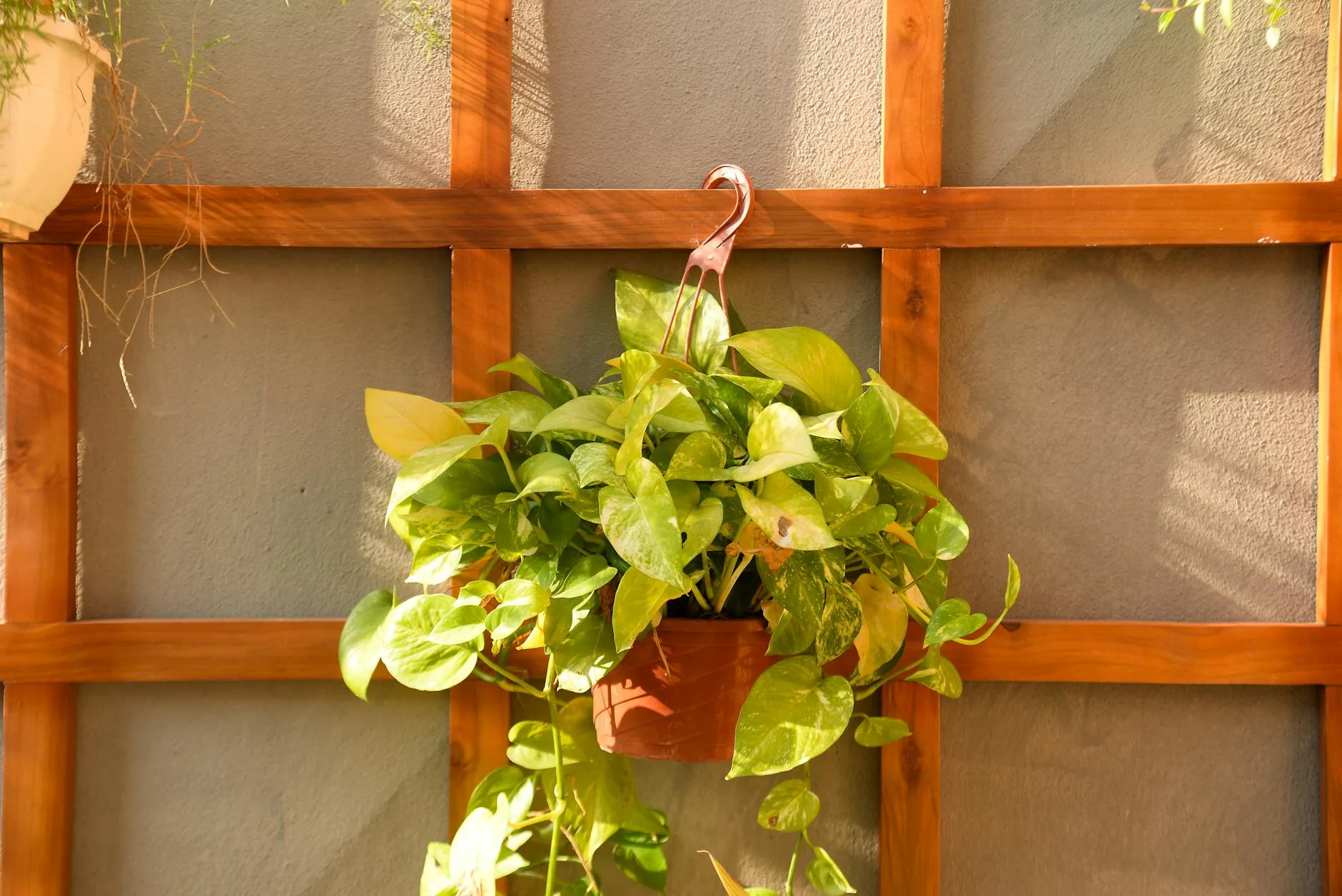
Flat panels, usually diamond or square lattice, designed to sit against a wall or fence. Climbing roses, jasmine, clematis, and honeysuckle all do well on them. Available in wood, metal, or plastic — wood looks best, metal lasts longest, plastic costs least.
Obelisks
Freestanding three- or four-sided structures that taper to a point. They go in borders and beds, giving climbers something to wrap around without needing a wall. Sweet peas, clematis, and runner beans love them. The good ones double as garden features even in winter.
Grow Frames and Plant Cages
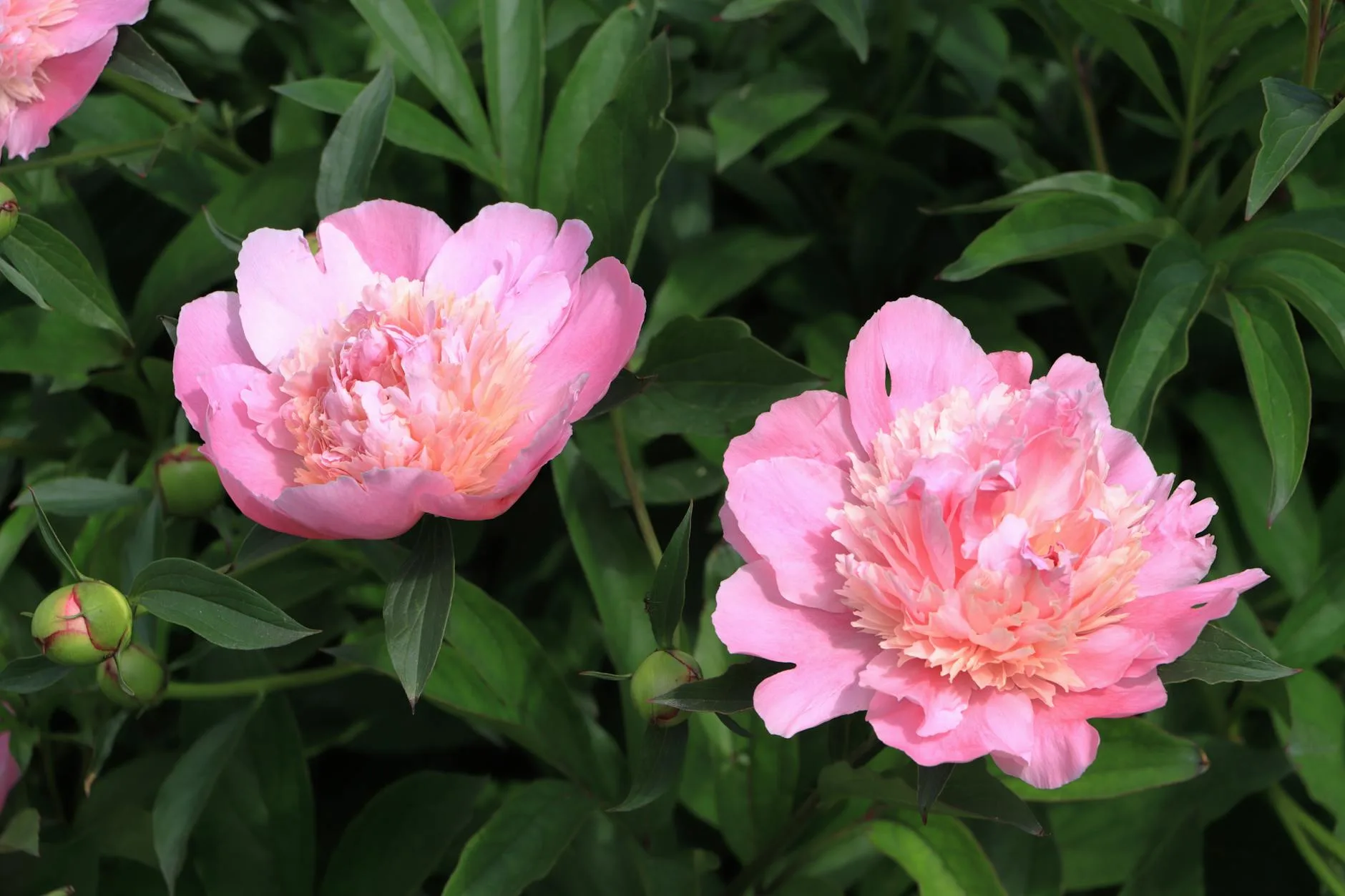
Metal rings or frameworks that sit around bushy plants to stop them flopping. Herbaceous perennials like peonies, delphiniums, and dahlias are the main candidates. The plant grows through the frame, and by midsummer the foliage hides the support entirely.
Wigwams and Tepees
Bamboo or hazel poles tied together at the top. The traditional choice for runner beans and sweet peas. If you’re also growing herbs nearby, our guide to growing herbs in pots pairs well with a veggie patch setup. Cheap and effective, though they look a bit rough in a formal garden. Most gardeners make their own rather than buying them.
Wall-Mounted Wires and Eyes
Vine eyes screwed into mortar joints with galvanised wire strung between them. The professional choice for wall-trained fruit trees (espalier, fan, cordon) and wisteria. Invisible once established, and the most durable option by miles — the RHS recommends this method for anything that needs long-term wall training.
How to Choose the Right Plant Support
Match the Support to the Plant
This sounds obvious, but getting it wrong is the most common mistake. Here’s a quick guide:
- Self-clinging climbers (ivy, Virginia creeper) — don’t need supports, they stick to walls themselves
- Twining climbers (honeysuckle, clematis, jasmine) — need thin supports they can wrap tendrils around. Thick posts won’t work; use wire, trellis, or thin obelisk bars
- Scrambling climbers (climbing roses, bougainvillea) — need to be tied in manually. Trellis or wall wires work best
- Heavy perennials (peonies, delphiniums, tall grasses) — need grow-through frames placed in early spring before growth starts
- Vegetables (runner beans, tomatoes, peas) — need sturdy canes, wigwams, or purpose-built frames
Consider the Weight
A mature wisteria can weigh hundreds of kilograms. A sweet pea weighs almost nothing. The support needs to handle the mature weight of the plant, not just the weight at planting time. I’ve watched more than one cheap trellis rip off a wall under the weight of a five-year-old climbing rose — it’s not a subtle failure.
Check the Height
Standard obelisks are 1.5-2m tall. Standard trellis panels are 1.8m (6ft). If your climber will reach higher than that, you either need a taller support or a plan for how to manage the growth at the top. Clematis montana, for example, will happily climb 8-10m — it’ll outgrow any obelisk within two seasons.
Think About Winter
A rusted, leaning support with dead stems clinging to it looks awful from November to March. And if you haven’t already thought about protecting your plants from frost, the support material matters even more in exposed spots. If the support is visible in winter (most are), pick something that looks decent bare. Powder-coated steel obelisks and well-maintained wooden trellises look fine. Plastic netting doesn’t.
Best Trellises for Climbing Plants
Forest Garden Hidcote Lattice Panel
Price: about £30-45 from B&Q, Wickes, or Amazon UK Material: pressure-treated softwood Size: 1.8m × 0.6m (also available in 0.9m and 1.2m widths)
This is the no-nonsense choice. The diamond lattice pattern gives climbers plenty of grip points, and the pressure treatment means it’ll handle UK weather for a good 10-15 years without rotting. It’s not the prettiest trellis you’ll ever see — the wood is quite pale and industrial-looking when new — but once a climber covers it, nobody cares. We’d recommend treating it with a wood stain in year one to darken the colour and add extra protection.
Tom Chambers Trellis Panel
Price: about £25-35 from garden centres and Amazon UK Material: FSC-certified softwood, pressure-treated Size: multiple sizes from 0.9m to 1.8m
Slightly lighter construction than the Forest Garden, which makes it easier to fix to a fence or wall. The trade-off is that it won’t hold a very heavy climber as well. For clematis, jasmine, and annual climbers, it’s a solid budget pick.
Metal Fan Trellis by Gardman
Price: about £15-25 from Argos, Amazon UK, or B&Q Material: powder-coated steel Size: 0.9m × 1.5m
If you want a trellis that’ll genuinely last decades, go metal. The Gardman fan trellis is a popular entry point — the fan shape looks more interesting than a rectangle, and the powder coating prevents rust for years. It’s heavier to install (you’ll need proper wall fixings), but once it’s up, you can forget about it.
Best Obelisks for Borders and Beds
Harrod Horticultural Gothic Obelisk
Price: about £65-85 from Harrod Horticultural Material: powder-coated steel (10-year guarantee) Height: 1.9m Base: 40cm square
This is the one to buy if you want a support that’s also a garden feature. The gothic arch design at the top looks elegant, and the matt black powder coating blends with almost any garden style. It’s the obelisk you see in the gardens of National Trust properties — for good reason. The steel is 10mm diameter rod, which is thick enough to handle a mature clematis without flexing.
The only downside is the price. At £65-85 per unit, kitting out an entire border gets expensive. But one or two as focal points? Worth every penny.
Selections Plant Obelisk
Price: about £20-30 from Amazon UK Material: powder-coated steel Height: 1.5m Base: 30cm square
The budget alternative. It does the job for lighter climbers — sweet peas, annual morning glory, lighter clematis varieties. The steel is thinner than the Harrod (about 6mm), and you can feel the difference when you push it into the ground. For the price, it’s decent, but don’t expect it to handle a vigorous rambling rose.
Grange Fencing Wooden Obelisk
Price: about £40-55 from Wickes or garden centres Material: pressure-treated softwood Height: 1.9m
A wooden option for people who prefer a natural look. The lattice sides give plenty of grip for twining plants, and the peaked top looks traditional. The pressure treatment helps, but you’ll still want to retreat it every couple of years — wood obelisks in UK weather need more maintenance than steel ones.
Best Grow Frames and Plant Cages
Harrod Horticultural Semicircular Plant Supports
Price: about £25-40 per pair from Harrod Horticultural Material: powder-coated steel Height: 40cm, 60cm, or 80cm options
These are the grow-through supports that professional gardeners swear by. You place them over the plant crown in early spring (March-April), and the plant grows up through the ring. By June, the foliage completely hides the frame. Peonies are the classic use case — without support, their heavy blooms drag them face-first into the mud after the first rain.
The semicircular design is clever because you can overlap two supports around a plant without needing to thread stems through a full ring. Better for established clumps where you can’t easily get a complete circle over the top.
Gardman Link Stakes
Price: about £8-12 for a pack of 10 from Argos or Amazon UK Material: plastic-coated metal Height: 45cm or 60cm
The budget option for herbaceous support. Each stake has a loop at the top, and you link them together around the plant to create a custom-sized cage. They’re flexible (literally and figuratively), easy to store, and cheap enough to buy in bulk. The downside is they’re visible until the plant grows — the green plastic coating fools nobody up close. But by midsummer, when the foliage fills out, they disappear.
Tom Chambers Peony Frame
Price: about £15-20 from garden centres Material: powder-coated steel Height: 60cm
A single ring on three legs — the simplest possible grow-through frame. It works brilliantly for peonies, large sedums, and anything that grows in a neat clump but tends to split open under flower weight. Quick to install, easy to remove in autumn for cleaning, and the dark green coating is unobtrusive.
Best Budget Plant Supports
You don’t need to spend a fortune. Here are the best options under £15:
- Bamboo canes (about £5-8 for a bundle of 20 from B&Q) — the classic. Tie three or four together for a wigwam, or use individually with soft garden twine. They last 2-3 seasons before splitting.
- Gardman Link Stakes (about £8-12 for 10) — versatile, linkable, and reusable for years
- Plastic coated metal hoops (about £5-10 from Wilko or B&Q) — simple half-hoops that support flopping perennials
- Hazel pea sticks (about £10-15 for a bundle from specialist suppliers) — the traditional method for supporting peas and floppy annuals. They look rustic and charming, and they’re fully biodegradable.
- Garden netting (about £3-8 from B&Q) — stretched between canes for sweet peas and climbing beans. Effective but not attractive.
The trick with budget supports is timing. Get them in place before the plant needs them — usually late March or early April for spring growers. Once a peony has flopped, trying to cage it back up is like putting toothpaste back in the tube.
Materials Compared: Steel vs Wood vs Willow
Powder-Coated Steel
Lifespan: 10-20+ years Maintenance: almost zero — wipe down annually, check for chips in the coating Look: clean, modern, architectural. Works in contemporary and traditional gardens Cost: mid to high (£20-85+ depending on type)
Steel is the practical winner. It doesn’t rot, doesn’t need treating, holds heavy plants without flexing, and looks good for years. The powder coating is the key — without it, bare steel rusts within a season. If you notice a chip, touch it up with Hammerite or similar metal paint immediately.
Pressure-Treated Softwood
Lifespan: 8-15 years with maintenance Maintenance: retreat with wood preservative every 2-3 years Look: natural, traditional, blends into planting. Weathers to a silvery grey if left untreated Cost: low to mid (£15-55)
Wood suits cottage gardens and informal spaces. It’s lighter than steel, easier to cut to custom sizes, and readily available from any DIY store. The trade-off is maintenance — left untreated in UK weather, it’ll rot from the base within 5-7 years. Hardwoods (oak, sweet chestnut) last longer but cost much more.
Willow and Hazel
Lifespan: 3-5 years Maintenance: none (they’re essentially biodegradable) Look: rustic, handmade, textural. Perfect for kitchen gardens and allotments Cost: low (£10-25 for woven panels, or free if you harvest your own)
Willow hurdles and hazel wigwams are beautiful when new. They also break down relatively quickly, especially the willow, which can get soft and bendy after two British winters. If you’re growing food crops and want to go the willow wigwam route, the RHS has a useful guide to supporting vegetables that covers bean frames in detail. Think of them as semi-disposable — lovely for a season or three, then compost them and start again.
Where to Buy Plant Supports in the UK
Specialist Suppliers
- Harrod Horticultural (harrodhorticultural.com) — the gold standard for steel supports. Everything is made in the UK with a 10-year guarantee. Not cheap, but built to last.
- Crocus (crocus.co.uk) — beautiful range of decorative obelisks and frames. Premium prices but excellent quality.
- Dobies (dobies.co.uk) — good mid-range supports alongside their seed and plant range.
High Street and DIY
- B&Q — good range of wooden trellises and basic metal supports. The Forest Garden range is consistently reliable.
- Wickes — similar to B&Q, slightly smaller range but competitive prices.
- Wilko — budget supports that do the job. Don’t expect them to last more than 3-4 seasons.
- Argos — surprisingly decent Gardman range at good prices, with click-and-collect convenience.
Online
- Amazon UK — widest range but quality varies wildly. Stick to known brands (Gardman, Tom Chambers, Selections) and read the reviews carefully.
- eBay — good for second-hand Harrod supports. People sell them when redesigning gardens — you can pick up barely-used obelisks for half the retail price.
How to Install Plant Supports Properly
Trellises on Walls and Fences
- Hold the trellis against the wall with 3-5cm spacers (wooden battens) behind it — this allows air circulation and gives tendrils space to grip
- Mark fixing points with a pencil through the trellis holes
- Drill into mortar joints (never into bricks) using a masonry bit
- Insert wall plugs and screw through the trellis into the battens
- Check the trellis is secure by pulling firmly — a mature climber will catch wind like a sail
Obelisks in Soil
- Position the obelisk in the desired spot and check it from multiple angles
- Push the legs into the soil by at least 15-20cm — soft soil after rain is easiest
- On heavy clay or very soft soil, you may need to dig starter holes first
- Check the obelisk is plumb (vertical) using a spirit level or by eye from a few metres away
- Plant the climber at the base of one leg, angling it slightly towards the structure
Grow-Through Frames
The golden rule: get them in position before the plant needs them. For spring perennials, that means late March or early April — right around the time you’d be preparing your garden for spring anyway. Place the frame centrally over the plant crown and push the legs into the soil. As the plant grows up through the ring, the stems will naturally spread to the edges and the whole thing becomes self-supporting.
If you’ve left it too late and the plant has already flopped — gently lift the stems, slide the frame underneath, and use soft garden twine to tie the worst offenders loosely to the ring. It’s fiddly, but recoverable. I’ve done this with peonies in June more times than I’d like to admit.
Frequently Asked Questions
When is the best time to put plant supports in place? Early spring — late March to mid-April for most perennials, and at planting time for climbers. The support needs to be there before the plant needs it. Trying to cage a flopping peony in June is an exercise in frustration and broken stems.
Can I leave plant supports in the ground over winter? Steel supports with powder coating — yes, leave them year-round. Wooden supports benefit from being taken inside over winter to extend their life, though pressure-treated ones cope outdoors. Willow and hazel should stay in place until they naturally deteriorate.
How tall should an obelisk be for climbing roses? At least 1.8m, ideally 2m+. Most climbing roses will reach the top of a standard 1.9m obelisk within two seasons and then cascade over it, which looks lovely. Rambling roses grow much taller — up to 6m+ — and need a larger structure like a pergola or arch rather than an obelisk.
Do I need to tie plants to their supports? Self-twining climbers (clematis, honeysuckle) will grip on their own if the support bars are thin enough. Climbing roses and other non-clinging plants need tying in with soft garden twine or plant ties every 30-40cm. Use a figure-of-eight loop so the stem doesn’t rub directly against the support.
What’s the cheapest effective plant support? A bundle of bamboo canes from B&Q (about £5-8) tied into a wigwam shape with garden twine. It’ll support sweet peas, runner beans, or lighter clematis for an entire season. Not pretty, but it works.
Keep reading on Plot & Patio: Best Seed Starting Kits 2026 UK: Propagators & Heat Mats, How to Grow Herbs in Pots: A Beginner’s Guide, How to Protect Plants from Frost, Best Low-Maintenance Plants for UK Gardens.