Fire pit safety in a UK garden starts before you light anything: choose a stable fire-resistant surface, keep clear space around the bowl, watch the wind, and have water or sand within reach. A £90 fire pit can be perfectly safe in the right spot. A £900 one can still scorch decking, annoy neighbours or start a fence fire if it is used badly.
In This Article
- Fire Pit Safety Guide UK: The Short Answer
- Where to Put a Fire Pit in a UK Garden
- Safe Surfaces, Decking and Garden Furniture
- Fuel, Smoke and What Not to Burn
- Children, Pets and Guests Around a Fire Pit
- How to Put a Fire Pit Out Properly
- Buying and Maintenance Choices That Make Fire Pits Safer
- Frequently Asked Questions
Fire Pit Safety Guide UK: The Short Answer
Use a fire pit only outdoors, on level non-combustible ground, away from fences, sheds, trees, awnings and furniture. Keep children and pets outside a clear boundary, burn only dry untreated wood or suitable smokeless fuel, and never leave embers to look after themselves.
The simple version is:
- Use a stable base: stone, concrete, gravel or patio slabs are much safer than grass or decking.
- Leave clear space: I would aim for at least 1.5-2 metres from furniture and much more from sheds, fences and overhanging plants.
- Check wind first: if smoke is blowing straight into next door’s washing, conservatory or open bedroom window, do not light it.
- Keep a way to extinguish it nearby: a bucket of sand, water or a connected hose should be ready before lighting.
- Stay with it: the person who lit it is in charge until it is fully out.
Mid and West Wales Fire and Rescue Service gives similar practical advice in its firepit safety guidance, including checking wind direction and keeping a way to put the fire out close by.
If you are still choosing a model, our best outdoor fire pits guide covers the main types. This article is about using one without turning a pleasant evening into a call to the fire brigade.
Where to Put a Fire Pit in a UK Garden
Placement matters more than the style of fire pit. A shallow bowl, chiminea, gas table or corten steel pit all become risky if they sit too close to something that can catch, melt or smoke.
Start with Clearance
The safest spot is open, level and boring. You want distance from:
- Sheds and fences: timber dries out in summer and catches faster than people think.
- Trees, hedges and climbers: flames are not the only issue; heat and sparks travel upward.
- Awnings, pergolas and parasols: fabric and timber overhead are a bad mix with fire.
- Garden furniture cushions: synthetic fabrics can melt, scorch or catch from sparks.
- House walls and bifold doors: heat can damage paint, seals and uPVC frames.
London Fire Brigade’s barbecue safety advice is aimed at BBQs, but the same garden-fire logic applies: keep outdoor flames on level ground and well away from sheds, fences and trees.
Think About Wind, Not Just Distance
A fire pit that is safe on a still evening can become a problem when the wind changes. Sparks, smoke and ash do not travel politely in a straight line.
Before lighting, stand where the fire pit will go and check:
- Which way smoke would blow.
- Whether there is dry planting downwind.
- Whether sparks could reach a fence, outdoor sofa or parasol.
- Whether smoke would drift across a neighbour’s seating area or open window.
If the answer feels awkward, move the pit or leave it for another night. This is not being overcautious; it is the difference between a relaxed evening and apologising over the fence with wet shoes.
Avoid Balconies and Enclosed Spaces
Do not use a fire pit on a balcony, under a covered veranda, inside a gazebo or in a garden room with the doors open. Heat, sparks and carbon monoxide are all reasons to keep flames fully outdoors and uncovered.
Small courtyard gardens need extra caution. If the only available spot is tight against fences, bins and patio furniture, a fire pit may simply be the wrong choice. A good electric patio heater is less romantic, but it will not throw sparks into the jasmine.
For broader garden layout ideas, see our guide to creating garden zones for different uses.
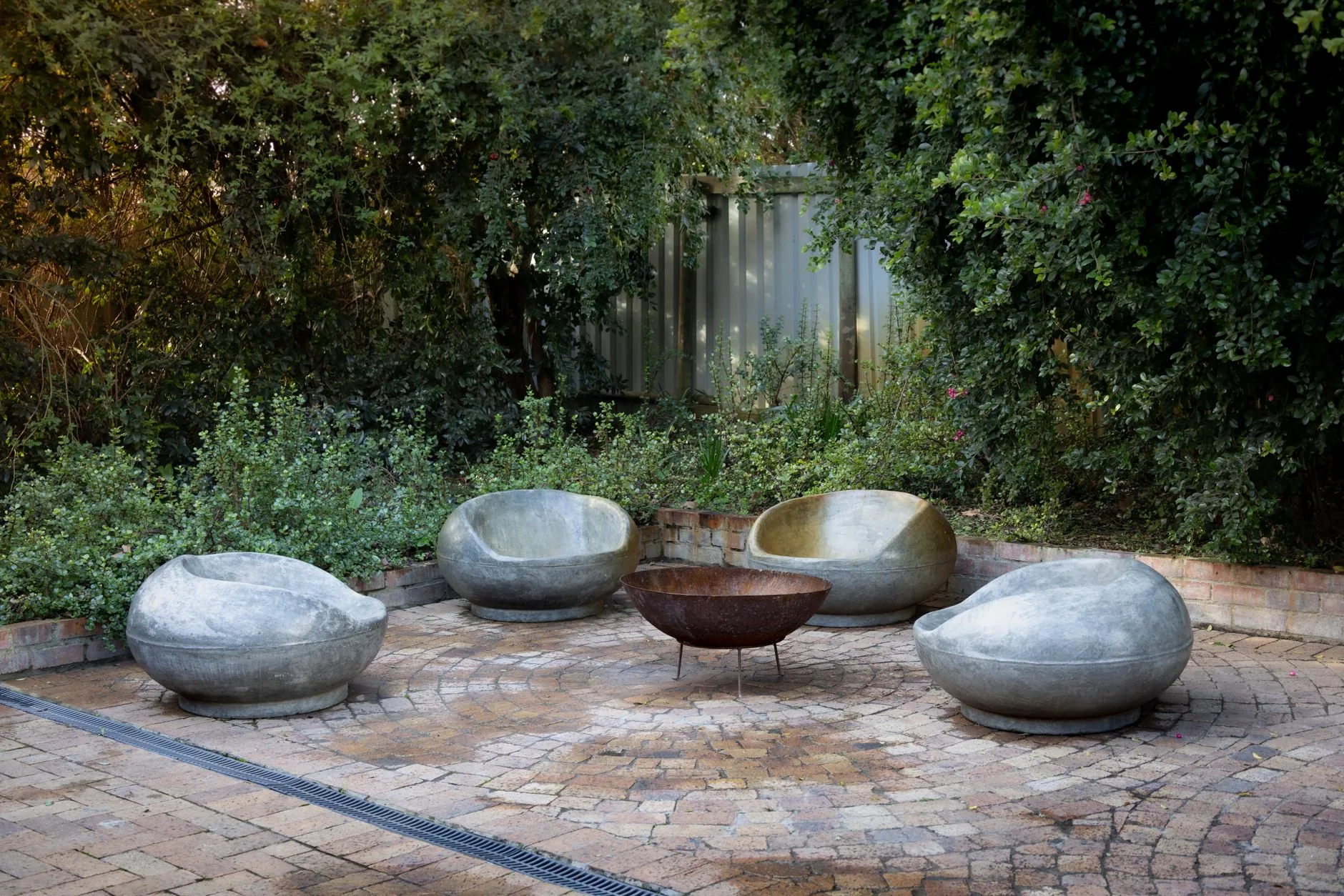
Safe Surfaces, Decking and Garden Furniture
The surface under the fire pit decides how forgiving your setup is. Heat goes down as well as up, and many fire bowls sit lower than they look in product photos.
Best Surfaces
The safest surfaces are non-combustible and level:
- Porcelain or stone patio slabs: good heat resistance, easy to sweep afterwards.
- Concrete: practical, though it can stain.
- Gravel: useful if the fire pit has stable legs and a wide base.
- Brick or block pavers: fine if level and not loose.
- Purpose-made fire pit mats: helpful on patios, but they are not a magic shield for decking.
A basic steel fire bowl from B&Q, Argos or Amazon UK costs about £45-£120. A heavier corten steel bowl can cost £180-£500. The heavier models are usually more stable and less likely to wobble if someone brushes past, which is a genuine safety advantage.
If your patio surface is due an upgrade anyway, our patio materials comparison explains how concrete, stone, porcelain and composite behave in normal garden use.
Decking Is the Problem Surface
I would avoid using a wood-burning fire pit on timber decking. Even with a heat mat, the risk is not only direct heat underneath; sparks can land between boards, ash can sit in gaps, and legs can concentrate heat in one spot.
Composite decking is not a free pass either. It may not burn like dry timber, but it can soften, scorch or mark. If the fire pit manufacturer says not to use it on decking, believe them. If you do use a gas fire table on decking, follow the product manual closely and keep a proper heat barrier underneath.
For furniture materials near heat, our teak vs rattan vs metal garden furniture comparison helps explain which materials cope better outdoors, though none should sit close to flames.
Furniture Distance
Keep seating far enough back that people are not leaning over the fire to talk. Garden sets tend to creep inward during the evening, especially once everyone relaxes. Set the chairs wider at the start than feels necessary.
Watch synthetic rattan, polyester cushions and outdoor rugs. They are fine in a seating area, but sparks can mark them quickly. A £30 replacement cushion is annoying; a melted corner of a £700 rattan sofa is worse.
Fuel, Smoke and What Not to Burn
Most neighbour disputes around fire pits are smoke disputes, not flame disputes. The fire may be under control in your garden while still being a nuisance next door.
Use the Right Fuel
For wood-burning fire pits, use dry seasoned hardwood or kiln-dried logs. Expect to pay about £7-£12 for a small net from a garden centre, petrol station, B&Q or local log supplier. Larger bulk bags are better value if you use the pit often.
Avoid damp logs. They smoke heavily, spit more and make the fire harder to manage. If a log hisses at you, it is too wet. No judgement, but it belongs on the log store, not tonight’s fire.
For smokeless fire pits or BBQ-style bowls, approved smokeless fuel can work well, usually about £12-£20 for a 10kg bag. Check the fire pit manual first; not every decorative bowl is designed for high-heat solid fuel.
Do Not Burn Rubbish
Do not burn:
- Painted or treated timber: old fence panels, decking offcuts and pallets may release unpleasant fumes.
- Plastic, foam or packaging: toxic smoke and melted mess.
- Garden waste: damp leaves and green branches smoke badly.
- Household rubbish: this is not 1987.
- Pressure-treated wood: not worth the fumes or ash risk.
GOV.UK’s garden bonfire rules explain that smoke and fumes can become a statutory nuisance. Fire pits are smaller than bonfires, but the neighbour-impact principle still matters.
Gas and Bioethanol Fire Pits
Gas fire pits usually produce less smoke and fewer sparks than wood, which is why they suit patios and entertaining spaces. They cost more: basic gas fire pits start around £180-£300, while good table-style gas fire pits often sit between £450 and £1,200 from retailers such as John Lewis, Homebase, B&Q and specialist outdoor-living shops.
Gas is not risk-free. Check hoses and regulators, keep cylinders upright and outdoors, and turn the gas off at the bottle after use. Bioethanol fire pits are clean-burning but need careful refilling; never top up while the burner is hot.
Children, Pets and Guests Around a Fire Pit
The fire pit itself is rarely the only problem. People move, dogs wander, children get curious, and someone always wants to prod the logs.
Set a Clear Boundary
Create a visible “no step” zone around the fire. For family gardens, I like a simple rule: children do not cross the chair line unless an adult says so. It is easy to understand and does not rely on judging distance from the bowl.
For younger children, do not assume a spark guard makes the fire safe to approach. Spark guards reduce flying embers; they do not stop the metal bowl becoming hot enough to burn skin.
Pets Are Not Sensible Around Fire
Dogs can knock into low fire bowls, wag tails near flames, or try to settle near warmth. Keep excitable dogs inside or on a lead until the fire is established and seating is settled. Cats will make their own decisions, as usual, but do not leave food near the pit where pets might investigate.
Alcohol and Fire Duties
If you light it, you own it. That means one adult stays responsible for fuel, supervision and extinguishing. If that person wants to drift into a second bottle of red, someone else needs to take over.
This sounds strict, but it avoids the common late-evening pattern: everyone goes inside, someone says “it’ll burn itself out”, and the wind gets up at midnight.
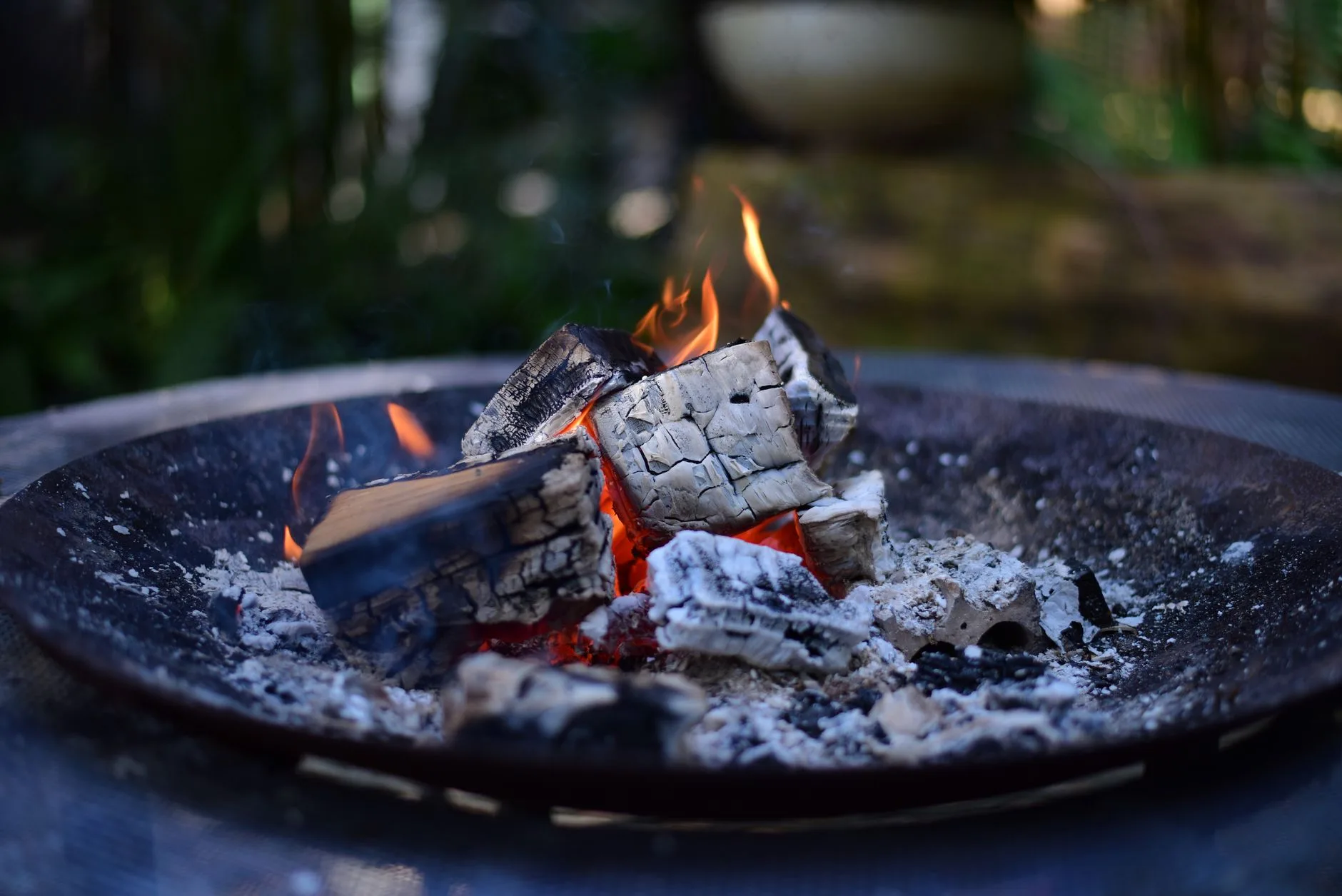
How to Put a Fire Pit Out Properly
Putting a fire pit out properly is dull. Good. Dull is exactly what you want at the end of an evening involving hot metal and embers.
Stop Adding Fuel Early
Stop adding logs 45-60 minutes before you plan to go inside. Let the fire burn down to embers while everyone is still outside. If you keep feeding it until the last drink, you create a job for tired people in the dark.
Use the Right Method
For wood fires:
- Let flames die down as much as possible.
- Spread logs and embers with a poker so they cool evenly.
- Add sand to smother the embers, or use water slowly if the fire pit manufacturer allows it.
- Stir the ash and check for glowing pockets.
- Leave the bowl uncovered until fully cool.
Water can warp some thin metal bowls if poured heavily onto very hot metal. Sand is gentler and less messy than a sudden steam cloud. A bag of play sand or builders’ sand costs about £4-£8 and is worth keeping nearby.
Do Not Tip Ash Straight into a Bin
Ash can hide heat for hours. Leave it in the bowl until cold, then move it to a metal bucket if needed. Do not tip warm ash into a plastic wheelie bin, compost bin or garden waste bag.
If you use the fire pit regularly, buy a small galvanised ash bucket with a lid. They cost about £12-£25 from Amazon UK, Screwfix, B&Q or garden centres and make cleanup much less risky.
Buying and Maintenance Choices That Make Fire Pits Safer
Some safety problems are solved at the buying stage. A flimsy fire pit with short legs, no spark guard and a tiny bowl needs more babysitting than a stable, well-made one.
Features Worth Paying For
Look for:
- Wide stable base: less wobble if someone catches a leg.
- Spark guard: useful with wood, especially in small gardens.
- Poker included: safer than using a random stick.
- Drainage hole or cover: reduces rust and trapped water.
- Raised bowl: keeps more heat away from the surface underneath.
- Manufacturer clearance guidance: a manual that states spacing and fuel limits is a good sign.
Budget fire bowls around £45-£80 are fine for occasional use if they are stable. For frequent use, I would spend £120-£250 on a heavier steel or cast iron model. Premium corten or designer fire pits can reach £500-£1,500, but the safety gain usually comes from weight, stability and sensible accessories rather than the brand name.
For wider buying context, compare options in our Best Outdoor Fire Pits 2026 UK guide.
Maintenance Checks
Before each use, check:
- Legs and bolts: no wobble or missing fixings.
- Rust holes: surface rust is normal; holes in the bowl are not.
- Spark guard condition: mesh should not be split or warped.
- Gas hose condition: no cracks, brittleness or loose connections.
- Surrounding area: dry leaves, cushions and covers moved away.
After use, let the pit cool fully, remove ash, and cover it only when dry. Wet ash accelerates corrosion and turns the bottom of cheap bowls into orange lace by next spring.
The same dry-before-covering rule applies to outdoor furniture covers; our guide to whether garden furniture covers are worth it explains why trapped moisture can be as damaging as rain.
The Safer Setup I Would Buy
For most UK gardens, I would choose a medium steel or cast iron bowl around 60-75cm wide, with a spark guard, poker, cover and a proper stone or porcelain patio base. Total cost: roughly £120-£250 for the pit and accessories, plus £10-£25 for sand/ash bucket basics.
If smoke is likely to be an issue, choose gas instead. A decent gas fire pit table is more money upfront, but it is cleaner, easier to turn off and less likely to annoy neighbours in tight terraces.
Frequently Asked Questions
Can I use a fire pit on decking? I would avoid wood-burning fire pits on timber decking. Even with a heat mat, sparks and trapped heat can cause damage. Gas fire tables may be suitable only if the manufacturer allows it and the surface is protected.
How far should a fire pit be from a fence or shed? Keep it as far away as your garden allows, and do not treat 1 metre as enough for timber fences or sheds. I would aim for several metres from combustible structures and avoid lighting it when wind pushes heat or sparks that way.
Are fire pits legal in UK gardens? There is no blanket UK ban on garden fire pits, but smoke, fumes and nuisance can still cause problems. GOV.UK notes that councils can investigate smoke that becomes a statutory nuisance.
What should I keep nearby when using a fire pit? Keep a bucket of sand, water or a connected hose nearby before lighting. A poker, heatproof gloves and a metal ash bucket are also useful and usually cost less than £30 combined.
What is the safest fuel for a garden fire pit? Dry seasoned hardwood or kiln-dried logs are best for wood fire pits. Avoid damp wood, painted timber, treated wood, plastic, rubbish and green garden waste because they create smoke and fumes.