You’ve just moved into a place with a proper garden for the first time — maybe a new-build with a rectangle of turf, or a Victorian terrace with a paved-over yard — and you want to do something good with it. You’ve seen the headlines about declining bee populations and hedgehog numbers dropping off a cliff, and you reckon your little patch could help. The good news: it can, and you don’t need to let it turn into a jungle to make it happen.
Creating a wildlife-friendly garden isn’t about abandoning your outdoor space to nature and hoping for the best. It’s about making deliberate choices — some of them surprisingly small — that give birds, insects, amphibians, and mammals what they need to feed, shelter, and breed. The even better news: most of these changes make your garden look better, not worse.
In This Article
- Why Wildlife Gardens Matter in the UK
- Planning Your Wildlife-Friendly Garden
- The Best Plants for Wildlife
- Creating Habitats and Shelter
- Adding Water to Your Garden
- Feeding Stations and Bird Care
- Managing Your Lawn for Wildlife
- Composting and Soil Health
- What to Avoid in a Wildlife Garden
- Seasonal Wildlife Garden Tasks
- Wildlife Gardening on a Budget
- Frequently Asked Questions
Why Wildlife Gardens Matter in the UK
The State of Nature 2023 report made grim reading: one in six species in the UK faces extinction, and 41% of species have declined since the 1970s. Gardens cover roughly 400,000 hectares across Britain — collectively, that’s larger than all our National Nature Reserves combined. Your back garden isn’t just a nice-to-have for wildlife; it’s critical habitat.
The decline in numbers
Hedgehog populations have fallen by roughly 30% since 2000. House sparrow numbers have halved. Butterfly species that were once common — the small tortoiseshell, the wall brown — are now in serious trouble. The causes are well-documented: intensive farming, habitat loss, pesticide use, and climate change. But the encouraging bit is that gardens sit right in the middle of this picture, connecting green corridors through urban and suburban areas.
What your garden can actually do
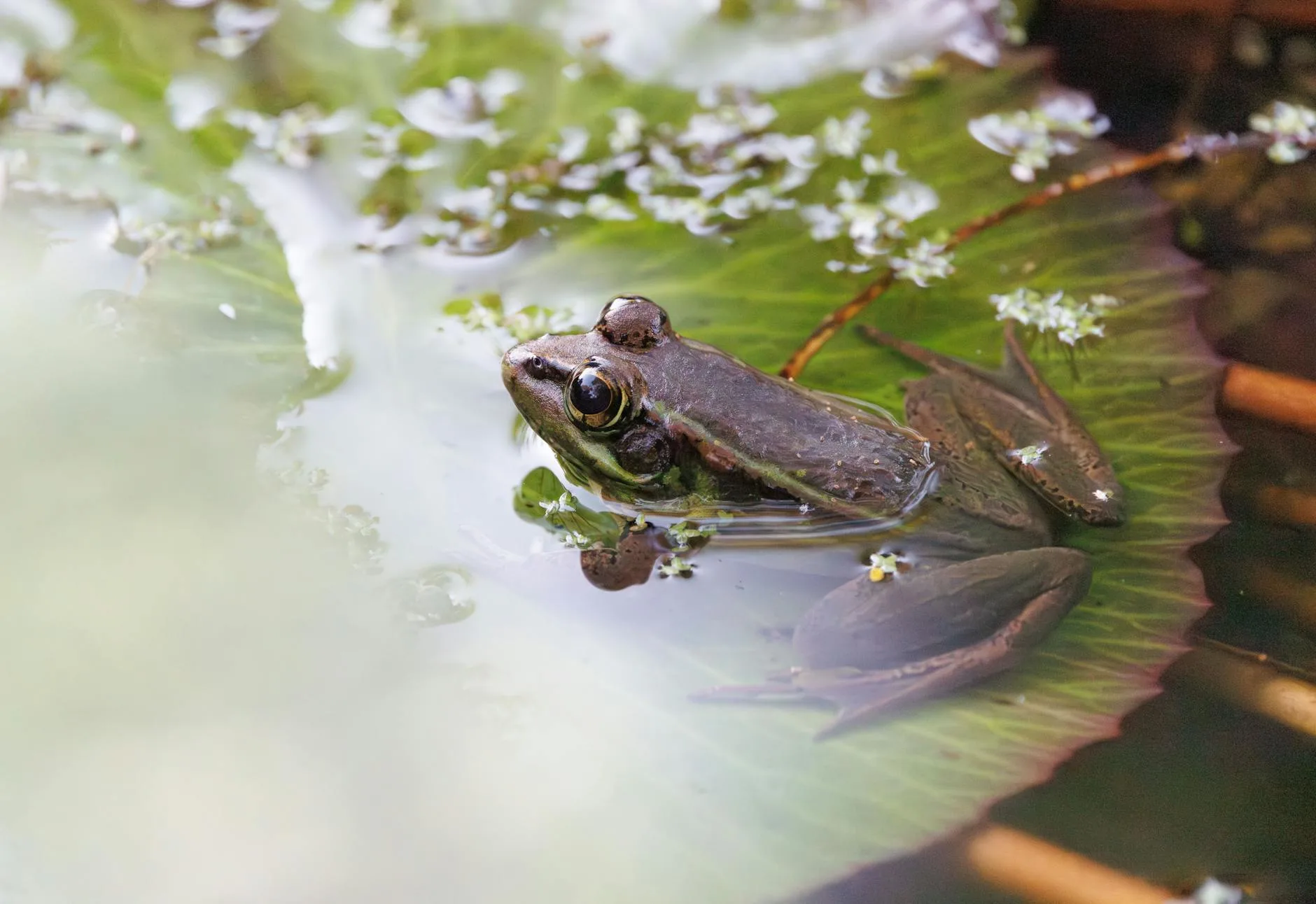
Even a small garden — we’re talking a 5m x 5m courtyard — can support dozens of species if it has the right elements. A single native hedge provides nesting sites for birds, food for caterpillars, and a highway for hedgehogs. A small pond, even one made from a washing-up bowl sunk into the ground, attracts frogs, newts, and dragonflies within weeks. I’ve watched a brand-new pond in a mate’s Oxfordshire garden go from empty to full of frogspawn in under a month.
Planning Your Wildlife-Friendly Garden
Before you start ripping things out and planting wildflower meadows, take stock of what you’ve got. A wildlife-friendly garden starts with understanding your space.
Assess your existing habitat
Walk around your garden at different times of day and note what’s already there. That scruffy corner behind the shed you’ve been meaning to tidy up? It’s probably home to beetles, spiders, and maybe a slow worm. The ivy on your fence that you keep thinking about pulling down? It flowers late in autumn when almost nothing else does, providing essential nectar for bees and berries for birds through winter.
Before you plan anything, check:
- Soil type — clay, sandy, chalky, or loam (affects what you can plant)
- Sun exposure — which areas get full sun, partial shade, or full shade
- Existing wildlife — what birds, insects, or mammals you already see
- Water access — is there a tap nearby for a pond or bird bath?
- Boundaries — fences, walls, hedges (and whether there are gaps for hedgehogs)
If you’re starting from scratch with a blank canvas, you might want to plan your garden layout before diving into the wildlife-specific elements.
Design with layers in mind
Wildlife gardens work best when they mimic natural habitats, and natural habitats have layers. Think about it: a woodland has a canopy, an understory, a shrub layer, a herbaceous layer, and ground cover. Your garden version might be a small tree (crab apple or rowan), underplanted with shrubs (hazel, dog rose), with perennials beneath (foxgloves, aquilegia), and ground cover at soil level (wild strawberry, creeping thyme).
This layered approach gives different species different niches. A robin hunts for worms at ground level. A blue tit picks caterpillars off branches at head height. A bat swoops through the open space above. One garden, multiple habitats.
The Best Plants for Wildlife
Not all plants pull the same weight for wildlife. The general rule: native plants support the most species, but plenty of non-native garden favourites are brilliant for pollinators too.
Native plants that earn their space
- Hawthorn — flowers in May (feeding hundreds of insect species), berries in autumn (loved by fieldfares and redwings)
- Dog rose (Rosa canina) — hips are winter food for birds, flowers attract hoverflies
- Foxglove — the bumble bee motorway; they practically queue up to get inside the flowers
- Wild primrose — early spring nectar when almost nothing else is flowering
- Honeysuckle — night-scented flowers attract moths, berries feed warblers
- Field maple — brilliant autumn colour and supports over 25 species of moth caterpillar
Garden plants that wildlife loves
You don’t have to go fully native. These garden staples are wildlife magnets:
- Lavender — bees swarm to it from June to August
- Sedum (stonecrop) — late-season nectar source, the butterflies pile in during September
- Verbena bonariensis — tall, airy, and irresistible to painted ladies and red admirals
- Echinacea — pollinators love the flowers, goldfinches eat the seed heads in winter
- Cotoneaster — small flowers for bees in spring, berries for birds in winter
The Royal Horticultural Society’s Plants for Pollinators list is the best starting point if you want to check whether something you’re considering is wildlife-friendly.
Growing from seed
Starting plants from seed is cheaper and gives you access to native wildflower species that garden centres rarely stock. A packet of wildflower seeds from a reputable UK supplier like Emorsgate Seeds costs about £3-8 and covers several square metres. If you’re new to growing from seed, having the right seed starting kit makes a big difference — a heated propagator gets seeds germinating weeks earlier than a cold windowsill.
Herbs for pollinators
Here’s something people overlook: herbs are phenomenal wildlife plants. Let your herbs flower instead of constantly harvesting them and you’ll have bees and hoverflies all summer. Thyme, oregano, chives, rosemary, and sage all produce flowers that pollinators can’t resist. You can easily grow herbs in pots if you’re short on border space — a few containers of flowering herbs near your back door does double duty as a kitchen garden and a pollinator buffet.
Creating Habitats and Shelter
Plants are half the equation. The other half is physical habitat — places for wildlife to nest, hibernate, shelter, and hide from predators.
Log piles and dead wood
This is the single easiest thing you can do. Find a shady corner, stack some logs and branches, and leave them. That’s it. Dead wood supports an incredible ecosystem: beetles, woodlice, fungi, centipedes, and slow worms all move in. Stag beetles — one of the UK’s most impressive insects — depend entirely on decaying wood for their larvae, which spend up to seven years underground before emerging.
I stacked a few old fence posts behind our compost bin three years ago and forgot about them. Turning one over last spring revealed a mass of beetle larvae, several centipedes, and what I’m fairly sure was a common newt tucked underneath. Nature doesn’t need much encouragement.
Hedgehog highways
Hedgehogs need to travel up to 2km a night to find enough food. Solid garden fences are their biggest obstacle. Cut a 13cm x 13cm hole at the base of your fence — that’s big enough for a hedgehog but too small for most pets. If you’re on good terms with your neighbours, get them to do the same and you’ve created a corridor.
The British Hedgehog Preservation Society has free “Hedgehog Highway” signs you can put next to the holes. It sounds daft, but it actually encourages neighbours to keep the holes clear rather than blocking them up.
Bug hotels and bee houses
You can buy insect hotels from B&Q or Amazon for about £10-25, or build one from pallets, bamboo canes, and pine cones. The key is variety: different insects need different hole sizes. Solitary bees — which are gentle, don’t sting, and are brilliant pollinators — like tubes 6-8mm in diameter and about 15cm deep.
Nest boxes
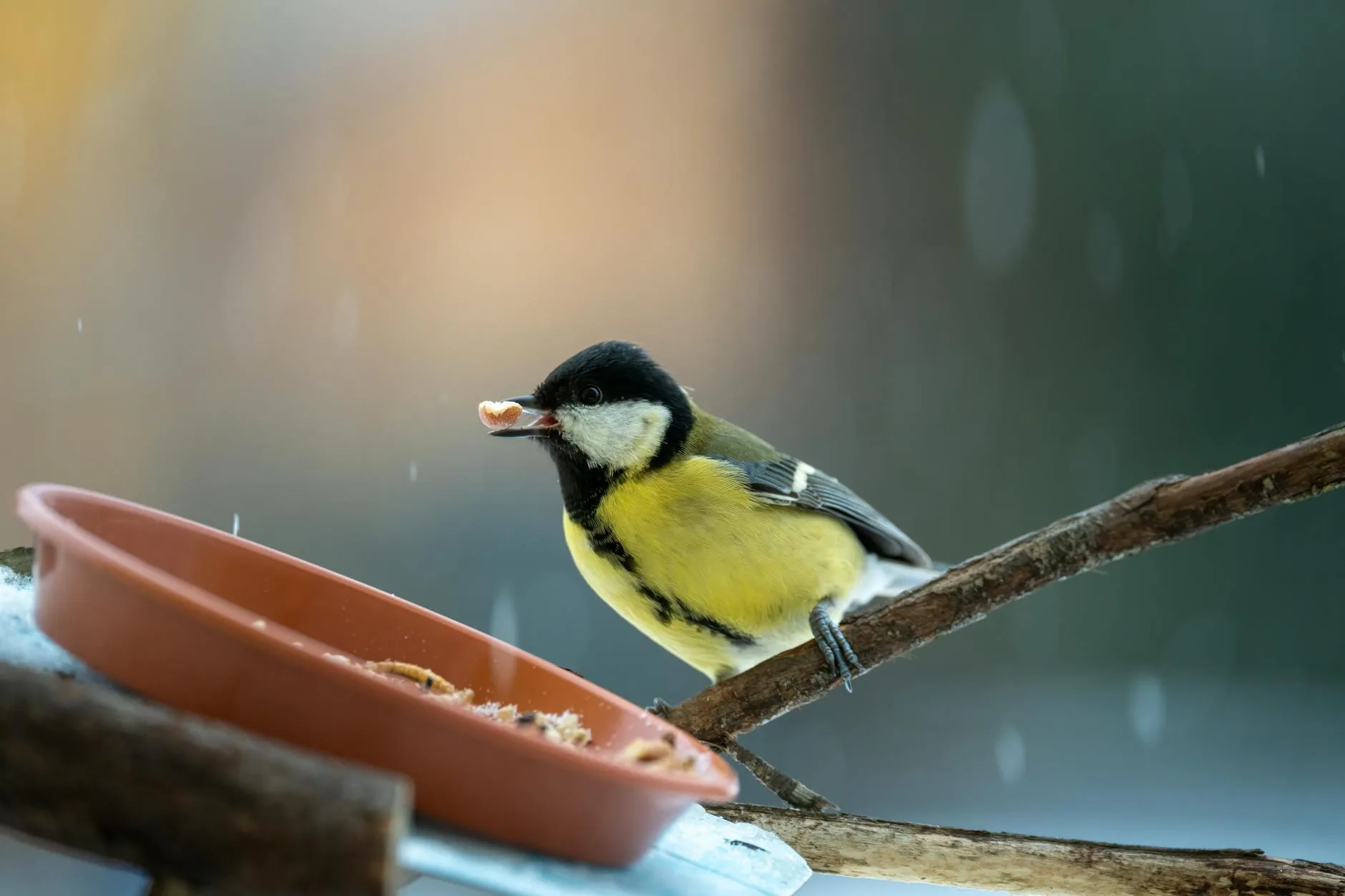
A standard nest box with a 25mm hole suits blue tits and coal tits. Bump it up to 28mm for great tits. A 32mm hole attracts house sparrows and nuthatches. Mount them at least 2 metres high, facing between north and east (to avoid direct afternoon sun and driving rain), and away from where cats can reach.
Expect to pay about £8-15 from the RSPB shop for a decent box, or £5-8 from Lidl or Aldi when they have their seasonal garden ranges in.
Adding Water to Your Garden
If you do one thing from this entire article, make it this: add water. A pond, even a tiny one, transforms a garden’s wildlife value overnight.
Why water is so important
Amphibians need it to breed. Birds need it to drink and bathe. Insects need it to complete their life cycles. Hedgehogs drink from it on their nightly rounds. Even a shallow dish of water on the ground makes a difference during dry spells — I keep a terracotta saucer topped up near the back step and regularly see blackbirds, robins, and the occasional wagtail using it.
Building a small wildlife pond
You don’t need a lake. A pond 1m x 1m and 40-60cm deep is enough to support frogs, newts, pond skaters, and dragonfly larvae. Here’s how:
- Dig a hole with gently sloping sides (so animals can get in and out)
- Remove sharp stones and line the base with old carpet or sand
- Lay a butyl rubber liner (available from garden centres for about £5-10 per square metre)
- Fill with rainwater if possible — tap water contains chlorine that takes a few days to dissipate
- Add native pond plants: water forget-me-not, marsh marigold, hornwort for oxygenation
- Place a few stones and a half-submerged log at the edges for access points
- Wait — don’t add fish (they eat everything) or introduce frogspawn from other ponds
The Freshwater Habitats Trust has excellent guidance on creating wildlife ponds, including what to plant and how to maintain them.
Bird baths
If a pond feels like too much commitment, a bird bath is the next best thing. Place it somewhere with clear sightlines so birds can spot approaching cats, and put a stone in the middle so smaller birds can stand on it. Clean it weekly and keep it topped up — birds rely on regular water sources and will stop visiting if it dries out.
Feeding Stations and Bird Care
Feeding birds is one of the most rewarding parts of a wildlife garden. You’ll attract species within days, and once they know your garden is reliable, they’ll keep coming back.
What to feed
- Sunflower hearts — the best all-rounder, no mess, loved by almost every species (about £12-15 for 5kg from Amazon UK)
- Fat balls — high energy, especially important in winter (remove the netting first — birds can get their feet tangled)
- Nyjer seed — goldfinch magnet, needs a specific feeder with small ports
- Mealworms — robins and wrens go mad for them, live ones are best but dried work too
- Fruit — halved apples on the ground attract blackbirds and thrushes, especially in winter
Steer clear of these:
- Bread — low nutrition, fills birds up without nourishing them
- Salted peanuts — the salt is toxic to birds in quantity
- Desiccated coconut — swells inside their stomachs
- Anything mouldy — can cause respiratory infections
Feeder placement
Position feeders where you can see them from a window — half the point is the enjoyment. But also consider:
- At least 2 metres from dense cover where cats could hide and pounce
- Near enough to a tree or bush that birds have an escape route from sparrowhawks
- At different heights — ground feeders for robins and dunnocks, hanging feeders for tits and finches, table feeders for everything else
Hygiene matters
Dirty feeders spread disease — particularly trichomoniasis, which has devastated greenfinch populations. Clean feeders every couple of weeks with a mild disinfectant (a dilute bleach solution works), rinse thoroughly, and let them dry before refilling. If you notice sick-looking birds (fluffed up, struggling to swallow), take all feeders down for two weeks to break the transmission cycle.
Managing Your Lawn for Wildlife
The perfect striped lawn is a wildlife desert. But you don’t have to let the whole thing go — a compromise works brilliantly.
The “two-speed lawn” approach
Mow one area regularly for the kids and the barbecue. Let another section grow longer — even a strip along the edges or a patch in a back corner. Long grass provides habitat for grasshoppers, spiders, and small mammals, and if you’re lucky, wildflowers will appear naturally from the seed bank in the soil.
No-mow May (and beyond)
Plantlife’s No Mow May campaign asks gardeners to put the mower away for the month of May, allowing wildflowers like daisies, clover, and dandelions to bloom. In its first year, participating gardens produced enough nectar for 2 billion bee visits. Even if you can’t commit to the full month, mowing less frequently — every two or three weeks instead of weekly — makes a measurable difference.
Dealing with “weeds”
Dandelions are one of the earliest nectar sources for bees emerging from hibernation. Clover fixes nitrogen in the soil (free fertiliser). Nettles are the food plant for red admiral and small tortoiseshell butterfly caterpillars. Before you pull something up, consider whether it’s earning its keep in wildlife terms.
Composting and Soil Health
A healthy garden starts with healthy soil, and the best way to build good soil is composting.
Why compost matters for wildlife
A compost heap isn’t just a recycling system — it’s a habitat in its own right. Slow worms love the warmth. Beetles, worms, and woodlice break down the material. Even grass snakes sometimes lay their eggs in compost heaps because the decomposition generates enough heat to incubate them.
Getting started
A basic compost bin from your local council costs about £10-20 (many councils offer subsidised bins). Or build an open heap in a corner using pallets — three pallets screwed together in a U-shape works brilliantly. Add a mix of:
- Greens (nitrogen-rich) — grass clippings, vegetable peelings, coffee grounds
- Browns (carbon-rich) — cardboard, dead leaves, straw, newspaper
- Avoid — cooked food, meat, dairy, diseased plants
Turn it occasionally, keep it moist but not waterlogged, and you’ll have rich, dark compost in 6-12 months. Your plants will grow better, your soil will hold more water, and you’ll have created another wildlife habitat in the process.
What to Avoid in a Wildlife Garden
Some common gardening practices actively harm wildlife. Here’s what to ditch:
Pesticides and herbicides
Slug pellets containing metaldehyde have been banned in the UK since 2022 — and good riddance. But even “wildlife-friendly” ferric phosphate pellets reduce the food available for thrushes, hedgehogs, and frogs that eat slugs naturally. If slugs are a serious problem, try beer traps, copper tape, or nematode biological controls (available from Amazon UK for about £8-15, they’re surprisingly effective).
Weed killers like glyphosate don’t discriminate. They kill wildflowers alongside weeds and can contaminate soil and water. Hand-weeding, hoeing, and mulching work for most situations.
Peat-based compost
Peat bogs are incredibly important carbon stores and habitats. Extracting peat for garden compost destroys ecosystems that took thousands of years to develop. The UK government plans to ban peat sales by 2030, but you can switch now. Peat-free composts from brands like Sylvagrow and Dalefoot have improved massively and are available at B&Q, garden centres, and online for about £6-10 for a 50L bag.
Artificial grass
It’s become enormously popular, especially in new-build estates. But artificial grass is a wildlife void — no insects, no soil organisms, no worms for birds, no wildflowers, no permeability for rainwater. If you want low-maintenance ground cover, try creeping thyme, chamomile, or clover — they’re all low-growing, handle some foot traffic, and support pollinators.
Over-tidying
Resist the urge to clear everything in autumn. Dead stems shelter overwintering insects. Leaf litter hides hibernating hedgehogs. Seed heads feed birds. The best thing you can do for wildlife in autumn is… not much. Leave the tidying until March.
Seasonal Wildlife Garden Tasks
Spring (March–May)
- Put up nest boxes by early March (before birds start prospecting)
- Start a new compost heap if yours is full
- Plant native wildflower plugs
- Create a hedgehog highway if you haven’t already
- Check ponds for frogspawn — don’t move it, just enjoy watching it develop
Summer (June–August)
- Keep bird baths and ponds topped up during dry spells
- Let some herbs flower for pollinators
- Avoid cutting hedges between March and August (nesting season — disturbing active nests is actually illegal under the Wildlife and Countryside Act 1981)
- Leave a section of lawn unmown for insects
Autumn (September–November)
- Build a log pile with fallen branches
- Leave seed heads standing for birds
- Put out extra bird food as temperatures drop
- Check bonfires for hedgehogs before lighting — they’re hibernation magnets
Winter (December–February)
- Keep feeders stocked and defrost bird baths on frosty mornings
- Clean out nest boxes (wearing gloves) ready for spring
- Plan next year’s planting — order seeds and bare-root plants
- Avoid disturbing compost heaps and log piles where wildlife is hibernating
Wildlife Gardening on a Budget
You don’t need to spend a fortune. Some of the best wildlife features cost nothing:
- Log piles — free from tree surgeons or your own pruning
- Leaf piles — just stop collecting them from a quiet corner
- Hedgehog holes — a jigsaw and five minutes
- Wildflower patches — stop mowing and see what comes up naturally
- Water dishes — an old saucer on the ground
If you have a bit to spend, here’s where the money makes the biggest difference:
- Pond liner and plants — about £30-50 for a small wildlife pond
- Quality bird seed — £12-15 for a 5kg bag of sunflower hearts lasts months
- Native hedging plants — bare-root whips cost about £1-2 each from nurseries like the Woodland Trust shop (November-March)
- A decent nest box — £8-15 from the RSPB shop
The total cost of transforming an average suburban garden into a wildlife haven? Probably £50-100 if you’re thrifty. That’s less than a garden centre spending spree on bedding plants that won’t be there by October.
Frequently Asked Questions
How long does it take for wildlife to find my garden? Birds and insects will find new feeders, ponds, and planting within days to weeks. Hedgehogs may take a season to establish a route through your garden. Frogs and newts will colonise a new pond within the first year — often within weeks if there are ponds in neighbouring gardens.
Can I have a wildlife-friendly garden and a neat garden? Yes, and this is the biggest misconception. A wildlife garden doesn’t mean an untidy garden. You can have neat borders, a mown lawn area, and tidy paths while also having a pond, native planting, bird feeders, and a log pile in a back corner. The trick is having different zones — some manicured, some left wilder.
Will a wildlife pond attract mosquitoes? A healthy wildlife pond with predators (dragonfly larvae, frogs, newts) actually reduces mosquito problems because the predators eat mosquito larvae. It’s stagnant, predator-free water that breeds mosquitoes — not a balanced pond ecosystem.
Should I feed birds all year round? Yes. The RSPB recommends year-round feeding. Birds need high-energy food in winter to survive cold nights, but they also need it during the breeding season when they’re working hard to feed chicks. Adjust what you offer — more fat-based foods in winter, more protein (mealworms) in spring.
What’s the single most impactful thing I can do? Add water. A pond, even a small container pond, supports more species than almost any other single garden feature. If you can only do one thing, dig a pond. If you can do two things, dig a pond and plant a native hedge.
Keep reading on Plot & Patio: Small Garden Ideas: 15 Ways to Maximise a Tiny UK Garden, How to Plan a Garden Layout: A Beginner’s Guide, How to Create Garden Zones for Different Uses, Shade-Loving Plants for UK Gardens: What Thrives in Dark Corners.