It’s late February, the garden looks like a crime scene of soggy leaves and brown stems, and you know you should be “preparing for spring” but the specifics are vague. Prune something? Dig something? Buy compost? The gap between “my garden needs attention” and a garden that’s actually ready to perform from March onward comes down to a handful of jobs done at the right time — most of which take an afternoon, not a weekend.
In This Article
- When to Start Spring Preparation
- Clearing and Tidying
- Soil Preparation
- Pruning: What to Cut and When
- Lawn Care After Winter
- Planning and Planting
- Feeding and Mulching
- Checking Structures and Supports
- Dealing with Weeds Early
- A Month-by-Month Spring Checklist
- Frequently Asked Questions
When to Start Spring Preparation
The UK Reality
British spring doesn’t arrive on a calendar date. In southern England, you might see growth from late February. In northern Scotland, late March is still winter. Soil temperature matters more than air temperature — plant roots won’t grow until the soil is consistently above 6°C. A soil thermometer (about £5-8 from any garden centre) removes the guesswork.
The General Timeline
- Late February to early March: clearing, tidying, structural repairs, initial pruning
- March: soil preparation, early sowing under cover, lawn first cut
- April: main planting, feeding, mulching, successional sowing
- May: tender plants out after last frost (typically mid-May in southern UK, late May further north)
The Met Office frost risk forecast is worth checking before planting anything tender. A late frost in May can destroy weeks of work in a single night — it happened to us in 2024, and we lost an entire tray of runner bean seedlings that had been hardened off too early.
Clearing and Tidying
The Winter Debris
Start with the obvious: fallen leaves trapped in borders, dead annual plants still standing, collapsed stems from last year’s perennials. This isn’t just aesthetic — debris left on the ground creates hiding spots for slugs and snails, and wet leaves sitting on crowns can cause rot.
What to Remove
- Dead annuals and vegetables — pull them out entirely, roots included
- Brown perennial stems — cut back to ground level. New growth will emerge from the base
- Fallen leaves — rake from borders and lawns. Add to a leaf mould bin or compost heap
- Broken canes and supports — remove and assess whether they’re reusable
What to Leave
- Ornamental grasses — these can look attractive through late winter and provide shelter for overwintering insects. Cut back in March when new growth appears at the base
- Seedheads on plants like echinacea and rudbeckia — birds feed on these through winter. Remove once you see new basal growth
- Evergreen ground cover — tidy edges but don’t cut back hard until you see active growth
Soil Preparation
Why It Matters
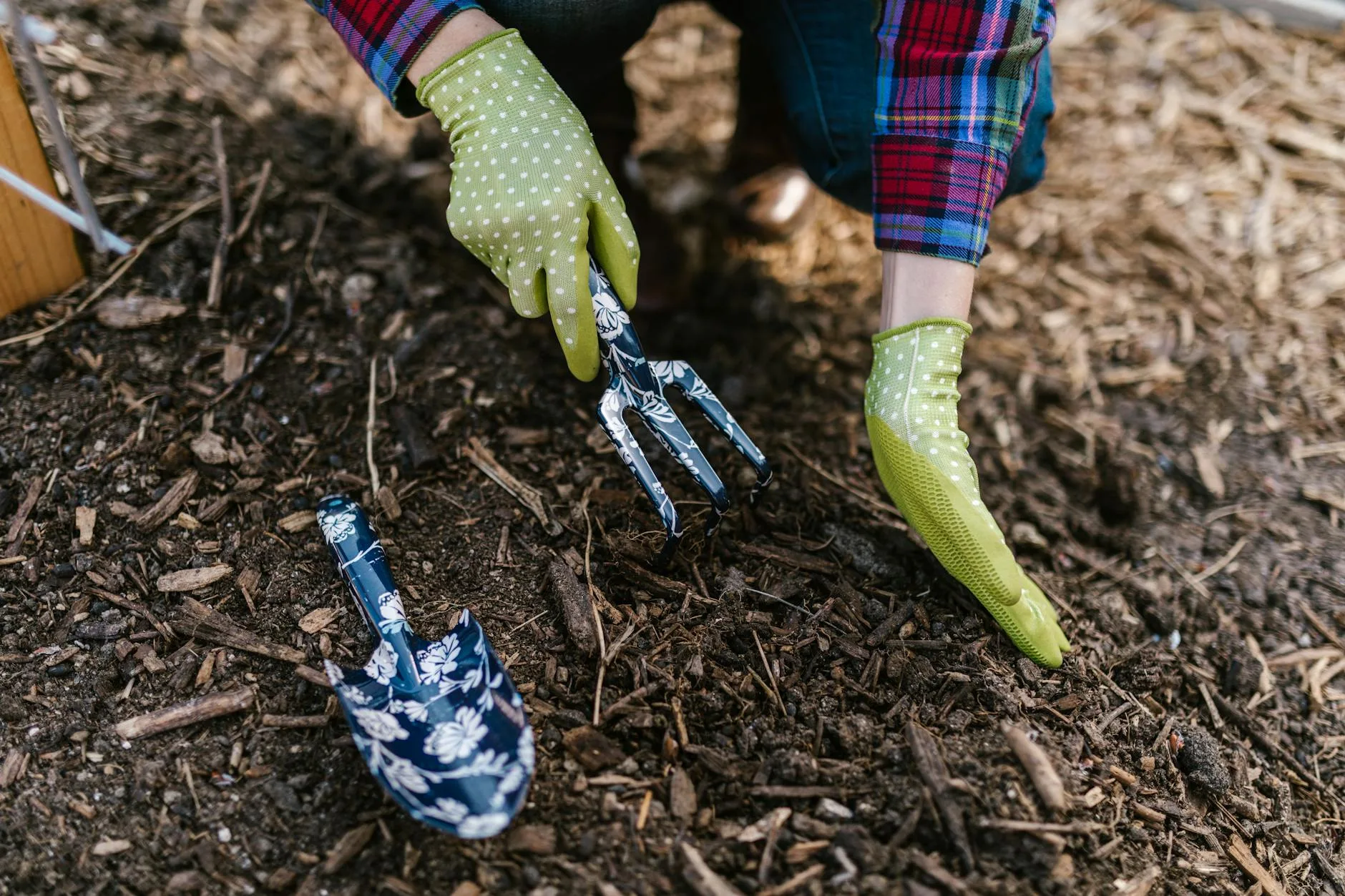
Winter compacts soil. Rain, frost, and the weight of snow push air out of the spaces between soil particles. Compacted soil drains poorly, restricts root growth, and makes it harder for plants to access nutrients. Opening up the soil in spring is one of the most productive things you can do.
How to Do It
- Wait until the soil is workable — pick up a handful and squeeze it. If it forms a sticky ball that doesn’t crumble, it’s too wet. Wait a few more days. Working waterlogged soil destroys its structure
- Fork over the top 15-20cm — push a garden fork in and rock it back and forth to break up compaction. Don’t turn the soil completely — you’re aerating, not excavating
- Add organic matter — spread 5-8cm of well-rotted garden compost, farmyard manure, or mushroom compost on the surface. Let the worms pull it down, or lightly fork it into the top layer
- Don’t walk on freshly prepared beds — lay boards to work from if you need to access the middle of a bed. Footprints on prepared soil compact it immediately
No-Dig Approach
If you follow the no-dig method (popularised by Charles Dowding), skip the forking entirely. Simply add a thick layer (8-10cm) of compost on top of the existing soil and let biology do the work. After three years of following no-dig in the vegetable beds, the soil structure is noticeably better than the traditionally dug borders — darker, more worm activity, and better moisture retention.
Pruning: What to Cut and When
Roses
Late February to mid-March is the window for pruning most roses in the UK — after the worst frosts but before strong new growth begins:
- Hybrid teas and floribundas — cut back to 15-20cm above ground level, cutting to an outward-facing bud. Remove dead, diseased, or crossing stems entirely
- Climbers — remove dead wood and tie in new growth. Don’t cut back the main structural stems unless they’ve outgrown their support
- Shrub roses — light shaping only. Remove one-third of the oldest stems at ground level to encourage new basal growth
Summer-Flowering Shrubs
Plants that flower on new season’s growth should be pruned hard in late winter or early spring:
- Buddleja — cut back to 30-60cm above ground level. Left unpruned, buddleja becomes a leggy, top-heavy mess
- Lavatera — hard prune to 30cm. Old wood doesn’t regenerate well
- Hardy fuchsia — cut to ground level in March. They look dead after pruning but grow back vigorously
What NOT to Prune in Spring
- Spring-flowering shrubs (forsythia, camellia, lilac, early clematis) — prune these after they finish flowering, not before. Cutting in spring removes the flower buds
- Wisteria — summer prune in July/August. Spring pruning removes flower buds
- Newly planted trees — leave them alone for the first year unless removing damaged branches
The RHS pruning guide has specific timing for individual species if you’re unsure about a particular plant.
Lawn Care After Winter
The First Cut
Wait until the grass is actively growing and the soil is dry enough to walk on without sinking. This is typically mid-March in southern England, late March to early April further north. For the first cut:
- Set the mower to its highest setting — taking off too much stresses the grass
- Just trim the tips — remove no more than one-third of the blade length
- Gradually lower the cutting height over subsequent mows through April and May
Dealing with Moss
Moss thrives in shady, damp, poorly drained lawns — and after a wet British winter, that’s most lawns. The approach:
- Scarify lightly in April using a spring-tine rake or electric scarifier. This rips out dead moss and thatch (the layer of dead grass between the green blades and the soil)
- Apply a moss killer if the infestation is heavy. Iron sulphate-based products (about £8-12 for a lawn treatment) are most effective. Apply when rain is expected within 48 hours
- Address the cause — improve drainage (spike the lawn with a garden fork), reduce shade where possible, and feed the grass to help it compete. For help with lawn equipment, see our guide to choosing a lawnmower for your garden size
Bare Patches
Overseed bare patches in April when soil temperatures are rising:
- Rake the bare area to create a fine tilth
- Scatter grass seed at the recommended rate (usually 30-50g per square metre)
- Lightly rake the seed into the surface
- Water regularly until established — the seedlings are vulnerable to drying out for the first 6-8 weeks
Planning and Planting
What to Sow Under Cover
From late February, start seeds indoors or in a heated propagator:
- Tomatoes, peppers, chillies — need warmth to germinate and a long growing season
- Aubergines — even slower than tomatoes, start as early as possible
- Hardy annuals (sweet peas, cornflowers, calendula) — can also be direct-sown outside from March
What to Plant Outside
From March (assuming frost-free conditions):
- Bare-root roses and shrubs — plant before they break dormancy. Soak roots for an hour before planting
- Hardy perennials — herbaceous plants bought in pots can go in from March onward
- Fruit bushes and canes — bare-root stock is cheapest and establishes quickly
What to Wait For
Don’t plant tender crops or bedding plants until after the last frost date for your area (mid-May for most of England, late May for Scotland and northern England). Hardening off — gradually exposing indoor-grown plants to outdoor conditions over 7-10 days — is essential. Going straight from a warm windowsill to a cold garden kills more plants than frost does.
Feeding and Mulching
Why Spring Feeding Matters
Plants wake up hungry. Winter has depleted soil nutrients, and the burst of spring growth demands nitrogen, phosphorus, and potassium. A general-purpose fertiliser (such as Growmore at about £5-8 for 1.5kg from B&Q or Wickes) applied in March gives plants the nutrients they need for strong early growth.
How to Feed
- Granular fertiliser — scatter around the base of plants at the recommended rate and lightly rake in. Water if rain isn’t expected within 48 hours
- Liquid feed — dilute and apply with a watering can. Faster acting but shorter lasting than granular
- Specialist feeds — ericaceous fertiliser for acid-loving plants (rhododendrons, camellias, blueberries), rose feed for roses, lawn feed for grass
Mulching
After feeding, apply a 5-8cm layer of mulch to beds and borders. Mulch:
- Suppresses weeds — the most immediate benefit and the one you’ll appreciate most by June
- Retains moisture — reduces watering through summer
- Improves soil structure — organic mulches break down over time, feeding the soil
- Regulates soil temperature — protects roots from late cold snaps
Good mulch options: garden compost, well-rotted manure, bark chips, leaf mould. Apply to damp soil — mulching dry soil locks the dryness in. Our guide to designing a low-maintenance garden covers how mulching fits into a broader strategy for reducing garden workload.
Checking Structures and Supports
Fences, Trellises and Arches
Winter storms stress garden structures. Walk the garden and check:
- Fence panels — loose, leaning, or broken panels are easier to fix now than when climbers are growing through them
- Trellis — check fixings are secure. Replace rotten sections before training new growth onto them
- Arches and pergolas — tighten bolts, check uprights are vertical, replace any corroded metalwork
- Raised bed edging — winter frost can shift wooden or stone edging. Realign before planting
Plant Supports
Get supports in place before plants need them — once a perennial has collapsed under its own weight, staking it looks awful and feels like propping up a drunk:
- Peony rings — position over emerging shoots in March. The plant grows through them naturally
- Grow-through supports — for bushy perennials like geraniums and nepeta
- Bamboo canes and twine — for climbing beans, sweet peas, and tall dahlias
- Obelisks and wigwams — install before planting climbers around them
Dealing with Weeds Early
Why Early Action Matters
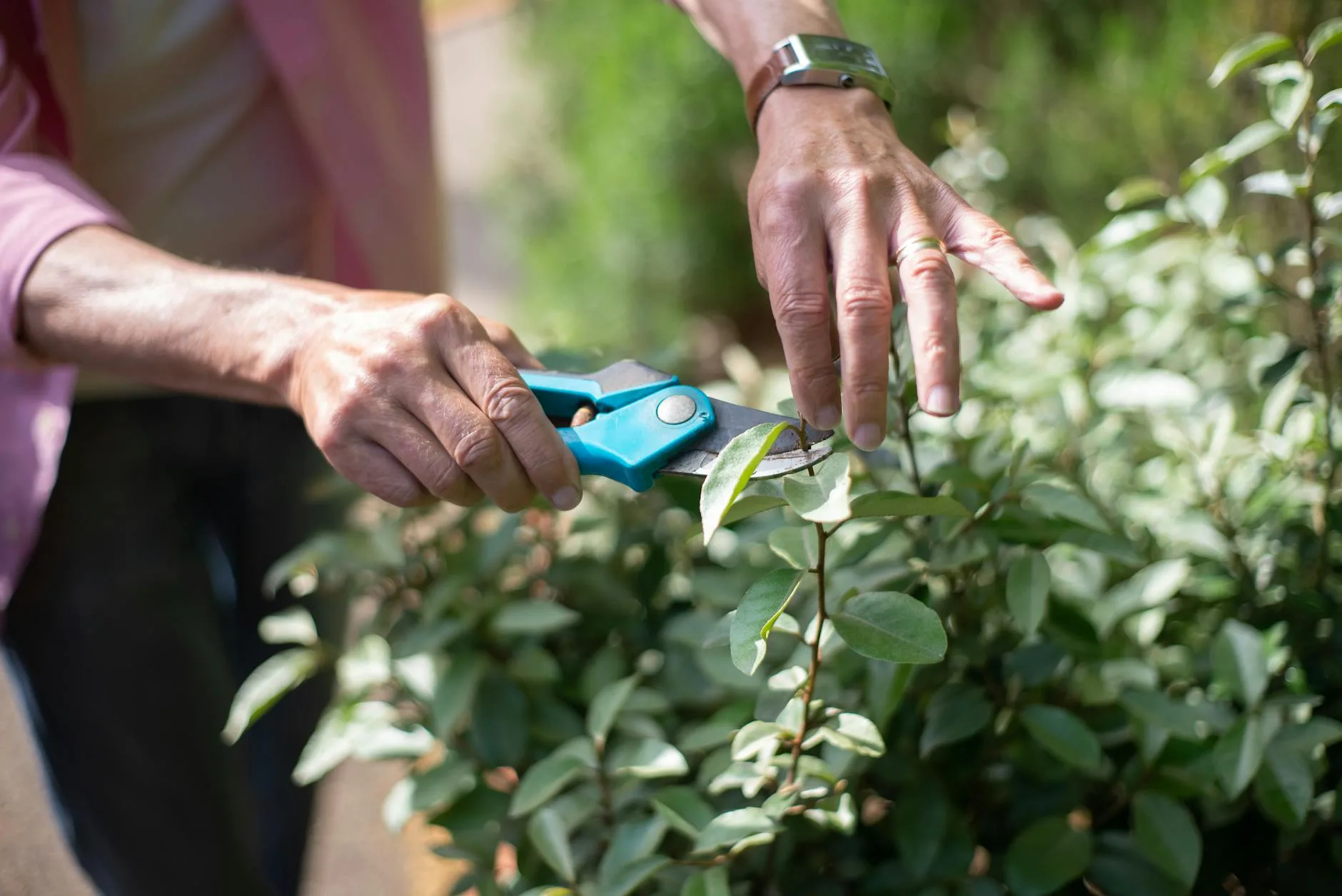
One weed that flowers and seeds in spring produces hundreds of weeds by summer. Dealing with weeds before they set seed is exponentially more effective than dealing with them after. Annual weeds (chickweed, groundsel, hairy bittercress) can complete their lifecycle in weeks during warm spring weather. Our guide to stopping weeds between patio slabs covers the hard-landscaping side.
The Approach
- Hoe on dry days — a sharp hoe slices through weed roots just below the surface. Leave the severed tops to dry on the soil surface. Hoeing takes 10 minutes and saves hours of hand-weeding later
- Hand-pull perennial weeds — bindweed, couch grass, and dandelions can’t be hoed effectively because they regenerate from root fragments. Pull or dig them out completely
- Mulch after weeding — a thick mulch layer prevents most annual weed seeds from reaching light and germinating
Weedkillers
Use sparingly and only where necessary. Glyphosate-based weedkillers (Roundup and similar) are effective on perennial weeds but kill everything they touch — use with precision on target weeds only, not broadcast across borders. For paths and patios, a weed burner or boiling water is chemical-free and effective.
A Month-by-Month Spring Checklist
February
- Clear winter debris from beds and borders
- Prune roses, buddleja, and summer-flowering shrubs
- Check and repair fences, supports, and structures
- Order seeds and plants for the coming season
- Start chitting seed potatoes on a windowsill
- Clean the greenhouse or cold frame
March
- Fork over soil in beds and borders (or add compost for no-dig)
- First lawn cut (high setting)
- Sow hardy annuals and early vegetables under cover
- Plant bare-root roses, shrubs, and fruit
- Apply general-purpose fertiliser to beds
- Divide overgrown perennials (hostas, geraniums, grasses)
April
- Main planting season — hardy perennials, climbers, shrubs
- Mulch beds and borders after feeding
- Sow direct: salad leaves, radishes, beetroot, carrots
- Harden off indoor-grown plants for planting out in May
- Keep on top of weeds — hoe regularly
- Stake tall perennials before they flop
May
- Plant out tender crops after last frost (mid to late May)
- Sow runner beans, courgettes, and squash directly
- Chelsea chop — cut back late-flowering perennials by one-third for bushier growth and later flowers
- Water newly planted shrubs and trees regularly
- Watch for aphids — blast with water or introduce ladybirds
Frequently Asked Questions
When should I start preparing my garden for spring? In the UK, start from late February with clearing and structural repairs. Soil preparation and pruning can begin in early March once the ground is workable. Main planting starts from mid-March to April depending on your location and weather. Northern areas typically start 2-3 weeks later than the south.
Should I dig my garden before planting? It depends on your approach. Traditional gardening involves forking over the top 15-20cm to break up winter compaction and incorporate organic matter. The no-dig method skips this entirely and adds compost on top instead. Both produce good results — no-dig preserves soil structure and reduces workload long-term.
What is the best mulch for garden beds? Well-rotted garden compost is the best all-round mulch — it suppresses weeds, retains moisture, and feeds the soil as it breaks down. Well-rotted manure works similarly but is higher in nutrients. Bark chips are longer-lasting but don’t feed the soil. Apply 5-8cm deep to damp soil after feeding.
Can I plant in March in the UK? Yes — hardy plants, bare-root roses and shrubs, and many perennials can go in from March. Don’t plant tender crops (tomatoes, peppers, bedding plants) until after the last frost, which is typically mid-May in southern England and late May further north. Start tender crops indoors from late February.
How do I get rid of moss in my lawn? Scarify in April to remove dead moss, apply an iron sulphate-based moss killer, and address the underlying causes: poor drainage, excessive shade, and weak grass. Spike the lawn with a garden fork to improve drainage, and feed the grass to help it outcompete moss.
Keep reading on Plot & Patio: Best Seed Starting Kits 2026 UK: Propagators & Heat Mats, How to Grow Herbs in Pots: A Beginner’s Guide, How to Protect Plants from Frost, Best Plant Supports 2026 UK: Trellises, Obelisks & Grow Frames.