Your patio is roughly the size of a bath towel. You can stand on it, but sitting requires negotiation with a chair that blocks the back door. Every Pinterest board shows vast sun-drenched terraces with statement furniture and fire pits — utterly useless when your outdoor space is 2m × 3m and gets afternoon shade from next door’s extension. But here’s the thing: some of the most inviting outdoor spaces I’ve seen are tiny. The constraint forces creativity that sprawling patios never need.
In This Article
- Why Small Patios Work Better Than You Think
- Layout Principles for Tiny Spaces
- Best Furniture for Small Patios
- Flooring Ideas That Make Spaces Feel Bigger
- Vertical Gardening and Planting
- Lighting for Small Outdoor Spaces
- Privacy and Screening
- Seasonal Adaptations
- Common Mistakes to Avoid
- Frequently Asked Questions
Why Small Patios Work Better Than You Think
The Intimacy Advantage
A small patio naturally creates a cosy, enclosed feeling that large spaces struggle to achieve. Where big patios need zoning, planting borders, and furniture groupings to avoid feeling like a car park, a tiny space is inherently intimate. Two chairs and a small table fill it perfectly — instant outdoor room.
Lower Cost, Higher Impact
Everything costs less when it’s smaller. A 6m² patio needs:
- Less paving — £200-400 instead of £1,000+
- Less furniture — one bistro set vs a full dining suite
- Fewer plants — 3-5 statement pots vs a full border
- Less lighting — 2-3 well-placed lights vs extensive runs
That means you can spend more per square metre on quality materials and fixtures — the things that actually make a space feel considered rather than cheap.
Easier Maintenance
A small patio takes 15 minutes to sweep, 30 minutes to pressure wash, and an evening to rearrange completely. No mowing, no edging, no weeding borders. For busy households — or anyone who’d rather sit in the garden than maintain it — small is an advantage, not a compromise.
Layout Principles for Tiny Spaces
Measure Everything First
Before buying anything, measure your patio precisely and sketch it on paper (graph paper is ideal — 1 square = 10cm). Mark:
- Door swing — how far the back door opens and in which direction
- Access paths — can you walk through with the furniture in place?
- Sun path — where does sunlight fall at morning, midday, and evening?
- Drainage — where does water collect? (never block drainage with furniture)
I sketched my own 2.5m × 3m patio on graph paper before buying anything, and it stopped me ordering a table that would have blocked the door. Ten minutes of measuring saves hundreds in wrong purchases.
The Two-Zone Rule
Even the smallest patio benefits from having two distinct purposes rather than one cluttered area:
- Zone 1: Seating — your table and chairs, the social/relaxation area
- Zone 2: Green — plants, pots, and vertical greenery that make it feel garden-like
These don’t need physical separation — just visual distinction. Seating on one side, a cluster of pots on the other. The eye reads it as an organised space rather than random furniture surrounded by random plants.
Keep the Centre Clear
The biggest mistake in small patios is filling the middle. Push furniture to edges and corners. A clear centre — even just 1m × 1m — creates the illusion of more space and prevents that cramped, overcrowded feeling. For more spatial layout ideas, our guide to creating garden zones applies the same principles at any scale.
Best Furniture for Small Patios
Bistro Sets
The classic small-patio solution: a round table (60-70cm diameter) and two folding chairs. Takes up roughly 1m × 1m when in use, folds flat against a wall when you need the space.
- Best material for UK weather: powder-coated steel or aluminium (won’t rust)
- Avoid: untreated wood (needs constant maintenance in UK rain)
- Budget: £50-80 from Argos, B&Q, or Dunelm
- Mid-range: £100-180 from John Lewis or Habitat
- Tip: round tables work better than square in tight corners — no sharp edges to catch on
Wall-Mounted Drop-Leaf Tables
Bracket-mounted to the wall, these tables fold flat when not in use — freeing 100% of your floor space. When you want to eat or work outside, fold it down, add a couple of folding chairs, done.
- DIY option: a hinged shelf bracket from Screwfix (£15-20) and a piece of treated timber or composite board. Total cost under £40
- Ready-made: garden-specific drop-leaf tables from £60-100
Stackable Chairs
If you occasionally host more than two people, stackable chairs store in the same footprint as one chair. Keep two out, stack the extras behind a pot or in a corner.
- Best options: polypropylene stacking chairs (lightweight, weatherproof, £15-25 each from IKEA or Habitat)
- Avoid: heavy wooden stackers — they’re hard to move and the weight makes stacking unstable
Built-In Seating
If your patio has a wall or raised border, a weather-resistant cushion on top converts it to bench seating with zero additional footprint. This is the single most space-efficient seating option — you’re using structure that already exists.
Flooring Ideas That Make Spaces Feel Bigger
Larger Format Pavers
Counter-intuitively, bigger paving slabs make small spaces feel larger. Fewer grout lines = fewer visual breaks = the eye reads it as one continuous surface. Use 600mm × 600mm or 900mm × 600mm slabs rather than small 300mm squares.
Diagonal Laying Patterns
Laying rectangular pavers diagonally (at 45° to the house wall) draws the eye along the longest dimension of the space, creating an illusion of depth. This is a professional trick that costs nothing extra but makes a noticeable difference. Our patio materials comparison covers which slab types work best for this pattern.
Continuity with Indoor Flooring
If your back door opens onto the patio, using a similar colour and format to your indoor floor creates visual continuity — the indoor space “extends” outward. Grey porcelain inside? Grey porcelain pavers outside. The boundary between inside and out dissolves visually.
Avoid
- Random mixed materials — a patchwork of decking, gravel, and slabs fragments the space visually
- Dark grout on light pavers — high contrast grout lines highlight every joint, making the area feel busier
- Gravel on small patios — migrates into the house, catches in chair legs, and makes the space feel less like a “room”
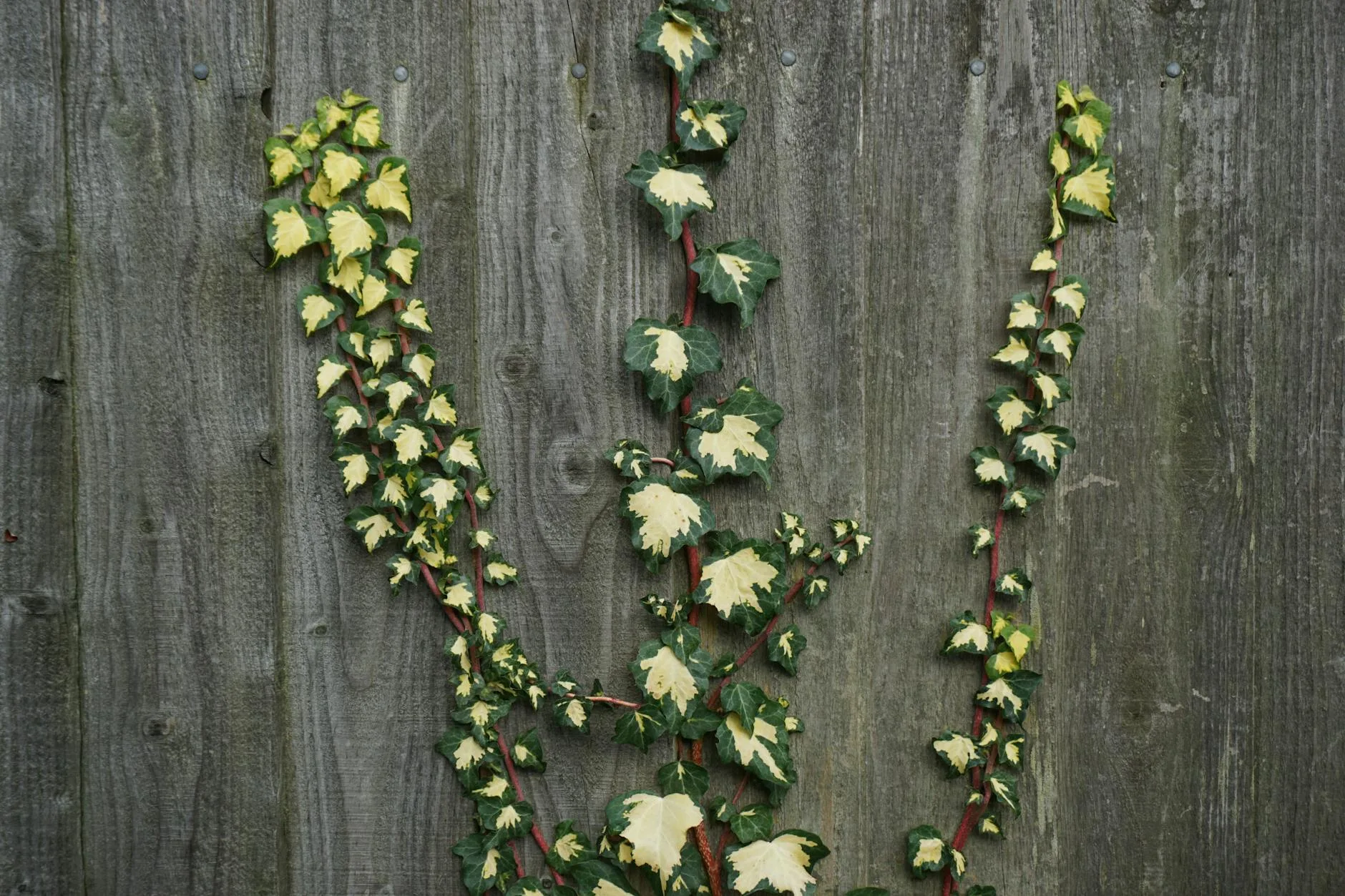
Vertical Gardening and Planting
When floor space is precious, grow upward. Vertical planting transforms a bare wall into a living green backdrop without sacrificing a single centimetre of usable patio.
Wall-Mounted Planters
Rows of planters fixed to a fence or wall at different heights create a living wall effect. Stagger them at 30-40cm intervals and plant trailing varieties that cascade downward (ivy, trailing lobelia, creeping Jenny).
- Budget DIY: wooden pallet garden (free/cheap, line with membrane, fill with compost)
- Mid-range: modular wall planters from £20-40 per set
- Premium: self-watering vertical garden systems from £80-200
Climbing Plants
A single climber in a ground-level pot with a trellis or wire support fills an entire wall within 1-2 seasons:
- Jasmine — scented, semi-evergreen, grows quickly in UK conditions
- Clematis — spectacular flowering, many varieties for different aspects
- Honeysuckle — fragrant, wildlife-friendly, vigorous
- Star jasmine (Trachelospermum) — evergreen, scented, slower but tidier
Container Planting Strategy
On a small patio, every pot needs to earn its space:
- Cluster odd numbers — groups of 3 or 5 pots at different heights look intentional rather than scattered
- Use tall, narrow containers — they take less floor space but create height and drama
- One statement plant — a single large architectural plant (olive tree, phormium, bamboo in a container) anchors the space better than ten small pots
- Seasonal rotation — swap 2-3 pots seasonally for colour without permanent planting
For shade-specific plant choices, our guide to shade-loving plants for UK gardens covers what thrives in the darker corners most small patios have.

Lighting for Small Outdoor Spaces
Why Lighting Transforms Small Patios
Lighting is disproportionately impactful on small patios. In daylight, a tiny space is obviously tiny. At night, with warm lighting, the boundaries dissolve — you can’t see the walls clearly, the plants glow, and the space feels atmospheric rather than cramped.
Best Lighting Types
- Festoon lights — string lights draped overhead or along a fence. The single most effective transformation for any small patio. About £15-30 for solar-powered sets
- Uplighters — placed at the base of plants or walls, directing light upward. Creates dramatic shadows and makes walls feel taller
- Candle lanterns — zero installation, warm flickering light, completely portable
- Recessed deck/floor lights — subtle but effective, no floor space taken. Require installation (mains or solar)
Lighting Mistakes
- Overhead security-style floods — harsh, unflattering, and make the space feel exposed rather than cosy
- Too many different types — pick 1-2 lighting styles max; mixing everything creates visual chaos
- Cold white LEDs — always choose warm white (2700-3000K) for outdoor spaces. Cold white looks clinical
For a detailed comparison of solar, LED, and mains options, check our garden lighting guide.
Privacy and Screening
The Overlooked Problem
Small patios are often overlooked — by upstairs neighbours, from higher ground, or through gaps in fencing. Privacy matters more in a small space because you’re closer to the boundaries.
Screening Solutions
- Bamboo screen panels — 1.8m tall, roll out along a fence, instantly private. About £20-40 per 4m roll from B&Q
- Pleached trees — small trees trained flat on a frame at head height. Take 1-2 years to fill but create an elegant, living screen
- Sail shade/canopy — triangular shade sails anchored to walls and posts block overhead views while providing sun/rain protection. From £15-40 depending on size
- Tall containers with screening plants — bamboo (in pots — never plant directly, it spreads aggressively), ornamental grasses, or photinia in tall narrow planters
Our garden screens and privacy guide has a full comparison of natural vs artificial screening for UK gardens.
Sound Screening
In tight urban spaces, noise from neighbours matters. A water feature (even a small tabletop fountain at £20-40) provides white noise that masks conversation and traffic. Plants with rustling leaves (grasses, bamboo) add natural sound that softens the urban feel.
Seasonal Adaptations
Spring/Summer
- Bring out cushions and throws (store indoors over winter)
- Add seasonal flowering pots (geraniums, petunias, lavender)
- Install festoon lights for evening use
- Set up the bistro set or unfold the drop-leaf table
Autumn
- Swap summer annuals for autumn colour (heuchera, cyclamen, ornamental cabbage)
- Add a weatherproof blanket throw to each chair
- Bring in a patio heater for evening use into October
- Move tender plants closer to the house wall for warmth
Winter
- Store cushions and non-weatherproof items indoors
- Leave evergreen containers (box, bay, skimmia) for year-round green
- Add a string of warm fairy lights — a tiny patio with winter lighting visible from the kitchen window lifts the entire mood of the house
- Keep the path clear of ice and leaves
Common Mistakes to Avoid
Overcrowding
The number one mistake. If you can’t move between furniture without turning sideways, there’s too much stuff. Remove one item — you’ll immediately feel better about the space. Negative space (empty areas) is a design feature, not wasted space.
Matching Everything
A small patio where the table, chairs, planters, and cushions all match looks like a showroom display — sterile and impersonal. Mix materials and styles: metal table, wooden planter, textured cushions. The variety creates visual interest that makes the space feel curated rather than catalogue-ordered.
Ignoring the Vertical
If all your decoration and planting is at ground level, you’re using a fraction of the available visual space. The walls and fences around a small patio are your biggest surfaces — use them with climbing plants, wall-mounted planters, lights, and mirrors.
Neglecting the View From Inside
You see your patio from the kitchen or living room far more than you sit on it. Make it look good from inside: a focal point visible through the door (a statement plant, a lit feature, an attractive pot arrangement) means you enjoy the space every day, not just when the weather cooperates.
Choosing Wrong-Scale Furniture
Furniture designed for large gardens looks absurd on a small patio. That 8-seater rattan set on sale at Costco? It’ll fill your entire patio and you’ll sit in it twice a year. Scale furniture to the space — a bistro set that leaves room to breathe beats a dining suite that doesn’t.
Frequently Asked Questions
What size furniture fits a 2m × 3m patio? A 60-70cm diameter bistro table with two folding chairs is ideal — this takes about 1m × 1m when in use and folds flat when not needed. Avoid anything wider than 80cm (dining tables) or deeper than standard chair depth (45cm). Always measure before buying and account for door swing clearance.
How can I make a small patio feel bigger? Use large-format paving slabs (fewer grout lines = cleaner visual), keep the centre clear of furniture, grow plants vertically on walls and fences, match outdoor flooring colour to indoor flooring for visual continuity, and add warm lighting that softens boundaries at night. A mirror on a back wall also creates surprising depth.
Is decking or paving better for a small patio? Paving is generally better for very small spaces — it’s lower maintenance, doesn’t need annual treatment, doesn’t become slippery in UK rain (if you choose textured or porcelain slabs), and large-format slabs create a cleaner look. Decking can work but adds a raised level that eats into headroom if you’re near a back door step. According to the RHS garden design guidance, hard landscaping materials should suit the scale and aspect of the space.
What plants work best on a small shaded patio? Ferns (especially hart’s tongue and polypody), hostas, heuchera, box balls in pots, and climbing hydrangea for walls. For flowering colour in shade, try begonias, busy lizzies, and cyclamen. Avoid sun-loving plants (lavender, roses, most herbs) — they’ll be leggy and disappointing without direct sunlight.
Do I need planning permission for a small patio? Usually no — a standard ground-level patio is permitted development. However, if you’re in a conservation area, the patio covers more than 50% of your garden, or you’re substantially altering drainage, check with your local planning authority. Raised patios (above 30cm from ground level) may need permission.