Every autumn you’re left staring at a mountain of hedge trimmings, prunings, and woody garden waste that won’t fit in the green bin. You’ve been piling it in the corner for three years, the heap is the size of a small car, and you’ve finally admitted you need a garden shredder. The good news is that a decent one turns that mountain into a couple of bags of mulch you can put straight back on the flower beds. The bad news is that there are enough options to make the decision confusing. Here’s how to cut through the noise.
In This Article
- What a Garden Shredder Actually Does
- Impact vs Roller Shredders
- Electric vs Petrol
- What to Look For When Buying
- Best Garden Shredders for Different Needs
- Safety Essentials
- What You Can and Can’t Shred
- Maintenance and Care
- Frequently Asked Questions
What a Garden Shredder Actually Does
A garden shredder takes woody garden waste — branches, hedge clippings, prunings, tough stems — and reduces it to chips or mulch. The output is typically 10-15% of the original volume. A wheelbarrow of branches becomes a bucket of chips.
Why Bother?
- Reduces waste volume by 85-90% — fewer trips to the tip, less space taken up
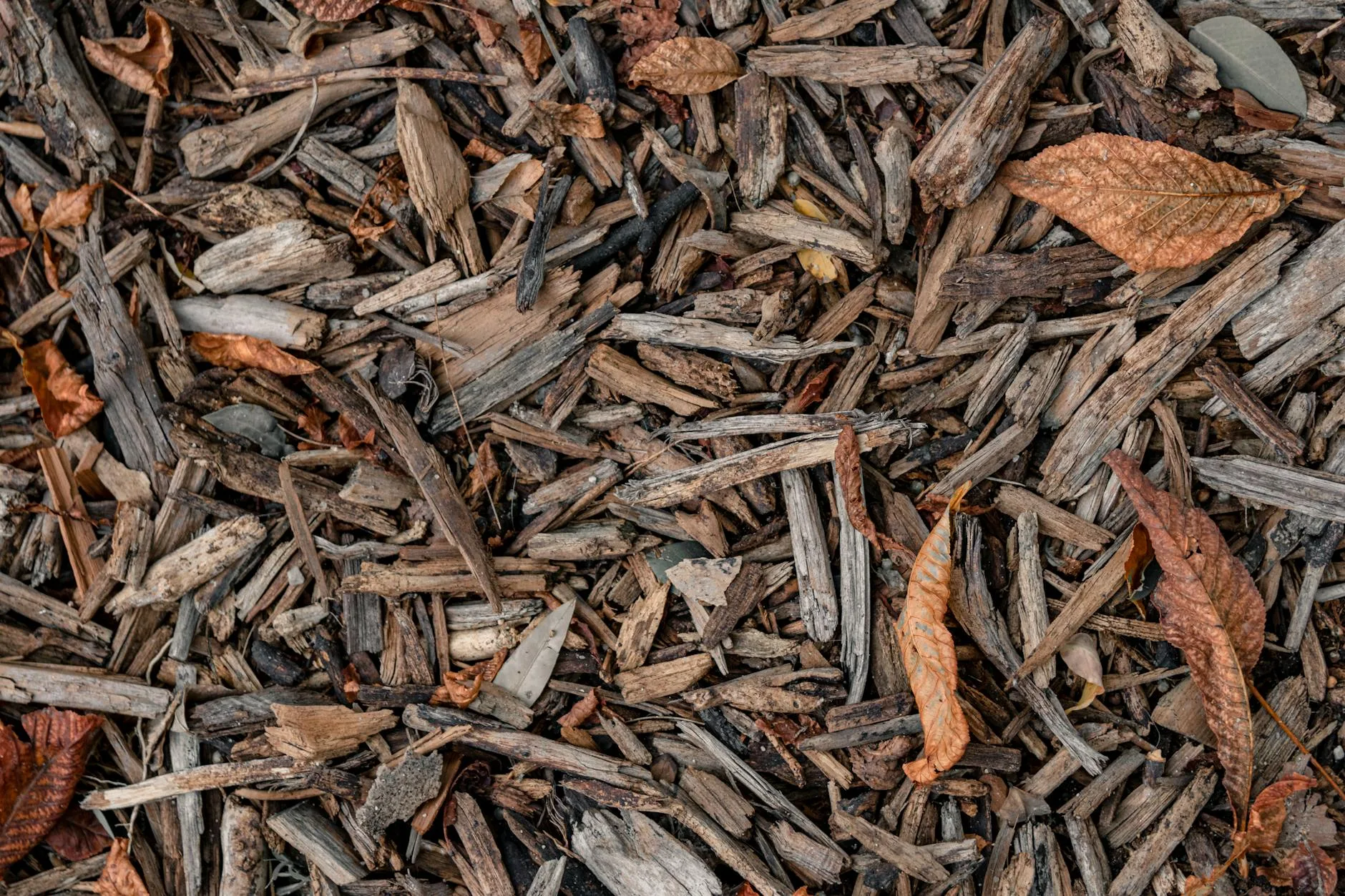
- Creates free mulch — shredded material makes excellent garden mulch, suppressing weeds and retaining moisture
- Composting speed — shredded material composts 3-5 times faster than whole branches
- Saves tip fees — some UK councils charge for garden waste disposal
The Royal Horticultural Society recommends using shredded woody material as a garden mulch — it’s one of the best things you can do for your soil.
Impact vs Roller Shredders
This is the fundamental choice, and it affects everything: noise, speed, what you can shred, and how much you’ll pay.
Impact (Rapid) Shredders
These use a high-speed spinning blade (similar to a lawnmower blade) to chop material. Think of a food blender for branches.
- Speed: fast — chews through soft material quickly
- Noise: loud (85-100 dB). Your neighbours will know you’re shredding.
- Best for: green, soft material — hedge clippings, leafy prunings, herbaceous stems
- Max branch diameter: typically 35-40mm
- Output: coarse, uneven chips
- Price range: £80-200
- Drawback: jams on woody, dry branches. You’ll spend time unclogging.
Roller (Quiet) Shredders
These use a slow-turning gear mechanism to crush and cut material against a metal plate. Think of it as a very slow, very powerful mangle.
- Speed: slower — feeds material in gradually
- Noise: much quieter (typically under 85 dB). Conversation-level noise.
- Best for: dry, woody branches — tree prunings, thicker stems, hard garden waste
- Max branch diameter: typically 40-45mm, some models up to 50mm
- Output: finer, more uniform chips — better for mulch and composting
- Price range: £150-400
- Drawback: slow with soft, green material. Leaves and thin stems can wrap around the roller.
Which Should You Buy?
If your waste is mainly hedge trimmings and leafy prunings, an impact shredder is cheaper and faster. If you’re dealing with woody tree prunings, an established garden with mature shrubs, or you want quiet operation, a roller shredder is worth the extra money. For most UK gardens with a mix of both, a roller shredder is the better long-term investment. I started with a cheap impact model and upgraded to a Bosch roller after two years — wish I’d bought the roller first.
Electric vs Petrol
Electric (Mains)
The majority of domestic garden shredders in the UK are electric. They plug into a standard 13A socket via an extension lead.
- Power: 2,000-2,800W (adequate for branches up to 45mm)
- Pros: lighter, quieter, no fuel or oil, less maintenance, cheaper
- Cons: limited by cable length, less raw power than petrol
- Best for: most UK gardens under half an acre
Petrol
Petrol shredders are the heavy-duty option for large gardens, smallholdings, and professional use.
- Power: 5-15 HP engines — substantially more powerful
- Pros: no cable limitations, handles thicker material (up to 75mm+), portable
- Cons: heavier, louder, fuel and oil costs, more maintenance, more expensive
- Best for: large properties, orchards, professional landscapers
For the average UK suburban garden, electric is the right choice. You’d need a genuinely large property with significant tree cover to justify a petrol shredder’s extra cost and hassle.
What to Look For When Buying
Maximum Branch Diameter
The most important spec. This tells you the thickest branch the shredder can handle. Most domestic models handle 35-45mm. If you regularly prune trees with branches thicker than this, you’ll need a more powerful (and more expensive) machine, or you’ll need to pre-cut branches to size with loppers.
Motor Power
For electric shredders: 2,000W minimum for an impact model, 2,400W+ for a roller. Below 2,000W and you’ll struggle with anything beyond soft hedge clippings.
Collection Box or Bag
Some shredders come with a collection container. Others just drop chips onto the ground. A built-in collection box is more convenient but adds bulk. If you’re shredding large volumes, you’ll empty it constantly anyway — a tarpaulin underneath works just as well.
Wheels and Portability
Shredders weigh 12-30kg. If you need to move it from the shed to different parts of the garden, good wheels matter. The cheap ones have small plastic wheels that dig into soft ground. Better models have larger, wider wheels that roll over gravel and grass. Check this in store if you can — Screwfix, B&Q, and most garden centres have display models.
Reversing Function
Roller shredders with a reverse function can self-clear jams. Without reverse, you’re manually pulling jammed material out with the machine switched off. This sounds minor until you’ve cleared your fifteenth jam of the afternoon. Our lawnmower comparison covers similar practical features for other garden power tools.
Best Garden Shredders for Different Needs
Best Overall: Bosch AXT 25 TC
Price: About £350-400 from B&Q, Screwfix, or Amazon UK
A roller shredder with a turbine-cut system that handles both soft and woody material. The 2,500W motor manages branches up to 45mm, the 53-litre collection box is large enough to be useful, and the noise level (under 85 dB) won’t upset the neighbours. The patented cutting system pulls material in automatically — you feed the branch end in and walk away while it does its work. After three seasons using this for hedge prunings and apple tree branches, the blades are still sharp and it hasn’t jammed once on woody material.
- Pros: quiet, self-feeding, handles mixed waste, large collection box
- Cons: expensive, slow with very soft green waste, heavy (31.3kg)
- Where to buy: B&Q, Screwfix, Amazon UK
Best Mid-Range: Einhell GC-RS 60 CB
Price: About £180-220
A solid roller shredder at a more accessible price. The 2,800W motor is powerful for the category, and it handles branches up to 44mm. It’s louder than the Bosch (89 dB) and the collection bag is smaller (60 litres, soft bag rather than rigid box), but the performance-to-price ratio is excellent. Good enough for most suburban gardens with mixed waste.
- Pros: good power, reasonable price, decent capacity
- Cons: noisier than Bosch, soft bag less convenient than rigid box
- Where to buy: Screwfix, Amazon UK, Toolstation
Best Budget: Bosch AXT Rapid 2200
Price: About £120-150
An impact shredder for those who mainly deal with soft garden waste. The 2,200W motor handles branches up to 40mm, and the Swiss-made blade is well-engineered for the price. It’s loud (typically over 90 dB) and jams on very woody material, but for annual hedge trimming and soft prunings, it’s more than adequate.
- Pros: affordable, fast through soft material, reliable brand
- Cons: loud, jams on hard wood, no collection container included
- Where to buy: B&Q, Amazon UK, garden centres
Best for Large Gardens: STIHL GHE 140 L
Price: About £400-500
STIHL’s electric roller shredder targets serious gardeners. The 2,500W motor handles 40mm branches, but it’s the build quality that justifies the premium — the steel chassis, heavy-duty rollers, and 60-litre rigid box are built for years of regular use. If you shred weekly through the growing season, this is the machine that won’t let you down.
- Pros: exceptional build quality, quiet operation, large collection box, STIHL dealer network for servicing
- Cons: most expensive electric option, heavy (29kg)
- Where to buy: STIHL dealers, selected garden centres
Safety Essentials
Garden shredders are the most dangerous common garden tool after chainsaws. Treat them with respect.
Mandatory PPE
- Safety glasses or goggles — chips fly at speed, especially from impact shredders
- Ear protection — essential for impact shredders (90+ dB damages hearing over time)
- Heavy gloves — protect hands when feeding material. Never push material in with bare hands.
- Sturdy footwear — closed-toe shoes minimum, steel-toe boots preferred
Operating Rules
- Read the manual before first use — every model has specific safety instructions
- Never reach into the chute while the machine is running — switch off and unplug first
- Feed branches butt-end first — this lets the machine grab and pull
- Stand to the side, not directly in front of the output
- Keep children and pets well away — behind a closed gate if possible
- Never shred in the rain — electricity and wet conditions don’t mix
What You Can and Can’t Shred
Yes — Shred These
- Hedge clippings (privet, leylandii, laurel, beech)
- Tree prunings up to the rated diameter
- Woody shrub stems (roses, buddleia, hydrangea)
- Herbaceous stems (if thick enough not to wrap)
- Dry autumn leaves (mixed with woody material)
No — Don’t Shred These
- Anything thicker than the rated diameter — this is how you break the machine or injure yourself
- Wet, stringy material (long grass, ivy, bindweed) — wraps around blades and jams
- Treated or painted wood — chemicals contaminate the mulch
- Plastic, wire, or string tied around garden waste — remove it first
- Diseased plant material — shredding spreads fungal spores. Burn or bin diseased waste separately.
- Bamboo — fresh bamboo is incredibly fibrous and wraps around blades. Dry it for several weeks first, or cut into very short lengths.
- Thick roots and stumps — garden shredders aren’t designed for soil-contaminated roots. The grit destroys blades rapidly.
Maintenance and Care
Storage Matters
Garden shredders don’t cope well with damp. Store yours in a shed or garage — not under a tarpaulin in the rain. Moisture corrodes blades, swells collection boxes, and degrades electrical connections. If your only option is outdoor storage, invest in a fitted waterproof cover and raise the machine off the ground on a pallet or wooden blocks to avoid sitting in puddles.
After Every Use
- Switch off and unplug
- Clear any material stuck in the chute
- Brush off debris from the exterior
- Empty the collection box/bag
Monthly (During Season)
- Check the blade or roller for damage and sharpness
- Tighten any loose bolts (vibration loosens them)
- Check the power cable for nicks or damage
Annual
- Impact shredders: replace or sharpen the blade (replacement blades cost about £15-25)
- Roller shredders: check the gap between roller and cutting plate — adjust per the manual
- Clean thoroughly and store in a dry place over winter
- Apply a light oil to metal cutting surfaces to prevent rust
Frequently Asked Questions
Is a roller or impact garden shredder better? Roller shredders are better for woody branches and are much quieter. Impact shredders are cheaper and faster for soft green waste. For most UK gardens with mixed waste, a roller shredder is the better long-term choice despite the higher upfront cost.
What size branches can a garden shredder handle? Most domestic electric shredders handle branches up to 35-45mm diameter. Petrol models can manage 50-75mm+. Always check the rated maximum — feeding branches thicker than this risks damaging the machine or causing injury.
Are garden shredders noisy? Impact shredders are loud (85-100 dB) — ear protection is essential. Roller shredders are much quieter (under 85 dB), similar to normal conversation level. If noise is a concern for you or your neighbours, choose a roller model.
Can I use shredded garden waste as mulch? Yes. Shredded woody material makes excellent garden mulch. Spread it 5-8cm deep around plants and on borders to suppress weeds and retain moisture. The RHS recommends woody mulch as one of the best soil improvers available. Avoid using fresh green shreddings as mulch — compost them first.
How much does a good garden shredder cost? Budget impact shredders start at about £80-120. Mid-range roller shredders cost £180-250. Premium roller shredders from Bosch and STIHL cost £350-500. For occasional use, a mid-range model offers the best value.
Keep reading on Plot & Patio: How to Choose the Right Wheelbarrow for Your Garden, Hedge Trimmer Guide: How to Choose and Use Safely, How to Choose a Leaf Blower: Electric vs Petrol vs Battery, Secateurs vs Loppers vs Pruning Saws: Which Do You Need?.