It’s mid-April, the garden is looking brilliant after weeks of patient planting, and then the weather app shows a frost warning for tonight. You’ve got tender courgette seedlings just hardened off, new bedding plants still settling in, and a climbing hydrangea you’re not entirely sure about. The scramble to protect everything before sunset is one of those gardening moments nobody warns you about — but it doesn’t have to be a panic.
In This Article
- Why Frost Damages Plants
- Which Plants Are Most Vulnerable
- Understanding UK Frost Dates
- Short-Term Frost Protection Methods
- Long-Term Frost Protection Strategies
- Protecting Plants in Containers
- What to Do After Frost Damage
- Frost-Hardy Plants That Don’t Need Protection
- Common Frost Protection Mistakes
- A Frost Protection Checklist
- Frequently Asked Questions
Why Frost Damages Plants
When temperatures drop below 0°C, the water inside plant cells freezes. Ice crystals expand and rupture cell walls, which is why frost-damaged leaves turn black and mushy — the cells have literally burst. It’s the same reason you don’t freeze lettuce.
Ground Frost vs Air Frost
The Met Office distinguishes between two types:
- Air frost — when the air temperature at 1.25m above ground drops below 0°C. This is what weather forecasts report
- Ground frost — when the ground surface temperature drops below 0°C. This can happen even when the air temperature reads 2-3°C, because the ground loses heat faster through radiation on clear, still nights
Ground frost is more common and affects low-growing plants, seedlings, and anything at soil level. A forecast of “no frost” can still mean ground frost catches your newly planted lettuce.
Frost Pockets
Cold air is heavier than warm air, so it sinks and pools in low-lying areas, hollows, and at the base of walls and fences. These “frost pockets” can be several degrees colder than the rest of your garden. I’ve measured a 4°C difference between the top and bottom of a sloped garden on the same night. If you notice certain plants always suffering more than others, they’re probably sitting in a frost pocket.
Which Plants Are Most Vulnerable
Tender Plants (Will Die in Frost)
These plants have zero frost tolerance and need protection whenever temperatures approach 0°C:
- Bedding plants — petunias, impatiens, begonias, geraniums (pelargoniums)
- Tender vegetables — courgettes, tomatoes, runner beans, peppers, aubergines, cucumbers
- Tender herbs — basil (dies at the slightest cold), lemon verbena
- Exotic plants — banana plants, tree ferns, cannas, dahlias (above ground)
- Recently planted seedlings — anything hardened off within the past week
Semi-Hardy Plants (Damaged but May Survive)
These tolerate light frost but struggle below -3°C:
- Half-hardy perennials — fuchsias, salvias, penstemons, agapanthus
- Mediterranean herbs — rosemary (established plants cope, young ones don’t), lavender in exposed positions
- Early-season fruit blossom — apple, pear, cherry, and plum flowers are killed by frost, destroying that year’s fruit crop
- Potatoes — the foliage blackens in frost, though the tubers underground survive
What Catches People Out
The biggest surprise for UK gardeners is fruit blossom damage. A single late frost in April or May can wipe out an entire apple tree’s crop for the year. The Royal Horticultural Society warns that late spring frosts are one of the most common causes of poor fruit harvests. The tree itself is fine, but the flowers are gone and no flowers means no fruit.
Understanding UK Frost Dates
Average Last Frost Dates
The UK’s last frost dates vary enormously by region and altitude:
- Southern coastal areas (Cornwall, Devon coast, Channel Islands) — mid-March to early April
- Midlands and most of England — late April to mid-May
- Northern England and Wales — mid to late May
- Scotland (lowlands) — late May to early June
- Scotland (highlands) — mid-June or even later at altitude
These are averages. In 2024, parts of southern England had frost in late May. The trend over recent decades is toward earlier last frosts, but individual years can still surprise you.
When to Plant Out
The traditional advice is to wait until after the last frost date for your area before planting tender crops. In practice, I plant out two weeks after the average last frost date and keep fleece handy for the first fortnight. Getting caught by a late frost after you’ve already planted 40 courgette seedlings is not a lesson you want to learn twice.
The RHS Hardiness Ratings
The RHS rates plant hardiness on a scale from H1 (heated greenhouse only) to H7 (survives anything the UK throws at it). When buying plants, check the label:
- H1-H3 — need frost protection or indoor overwintering
- H4 — hardy in most of the UK but may struggle in severe winters
- H5-H7 — fully hardy, no frost protection needed
Short-Term Frost Protection Methods
When the forecast says frost tonight and your tender plants are already in the ground, here’s what works:
Horticultural Fleece
The single most useful frost protection tool. Garden fleece is a lightweight, breathable fabric that traps a layer of warm air around plants while allowing light and moisture through.
- Single layer protects down to about -2°C
- Double layer protects down to about -5°C
- Cost: about £5-15 for a 10m roll from B&Q, Wickes, or Amazon UK
- How to use: drape loosely over plants, leaving room for air circulation. Secure edges with stones, bricks, or pegs — don’t wrap tightly around stems
I keep two rolls in the shed from October through May. When the forecast changes at 6pm, you’ve got maybe three hours before temperatures drop. Having fleece ready saves the panic.
Cloches and Bell Jars
Individual plant protectors that work brilliantly for small numbers of plants:
- Plastic cloches — cheap, light, stack for storage. About £8-12 for a pack of six from garden centres or Wilko
- Glass bell jars — heavier and more expensive but look beautiful and last forever. About £10-20 each from specialist suppliers
- Cut-off plastic bottles — the budget option. Cut the bottom off a 2-litre bottle and place over individual seedlings. Remove caps during the day for ventilation
Newspaper and Cardboard
Old-fashioned but effective for emergency use. Layer newspaper over plants (4-5 sheets thick) and weight down with stones. The insulating air pockets between sheets trap warmth. Cardboard boxes turned upside down over individual plants work similarly. Remove everything in the morning — these aren’t breathable and will smother plants if left on.
Straw and Mulch
A thick layer of straw, bark mulch, or leaves around the base of plants insulates the root zone. This doesn’t protect the foliage but keeps the roots alive, which is often enough for semi-hardy plants to recover:
- Apply 10-15cm deep around the base of vulnerable plants
- Pull mulch away from stems — moisture trapped against stems encourages rot
- Straw is better than leaves — leaves mat down when wet and restrict air flow
Long-Term Frost Protection Strategies
Cold Frames
A cold frame is a bottomless box with a transparent lid, essentially a mini greenhouse. They’re perfect for hardening off seedlings and extending the growing season at both ends.
- Ready-made cold frames cost about £40-80 from Argos, B&Q, or Harrod Horticultural
- DIY versions using old window frames on a brick base work just as well
- Position against a south-facing wall for maximum warmth
- Prop the lid open on sunny days to prevent overheating — cold frames can reach 40°C inside on a sunny spring afternoon
Greenhouses and Polytunnels
The most effective long-term frost protection, obviously, but the most expensive:
- Small greenhouse (6x4ft) — about £200-400 from Wickes, B&Q, or Two Wests and Elliott
- Polytunnel (8x10ft) — about £150-300, cheaper than a greenhouse but less attractive
- Heated propagator inside an unheated greenhouse extends protection further — about £30-60 from garden centres
Even an unheated greenhouse typically stays 3-5°C warmer than outside on a frost night. That’s often enough to save tender plants.
Windbreaks and Microclimates
Strategic planting and structures can reduce frost exposure across your garden:
- South-facing walls absorb heat during the day and radiate it at night, creating a warm microclimate. Plant tender climbers and wall shrubs against them
- Hedges and shrub borders block cold winds without creating the frost-pocket effect that solid fences cause (cold air flows through a hedge rather than pooling behind it)
- Raised beds drain better and warm up faster than ground-level soil, giving plants a head start in spring
For ideas on making the most of your garden’s microclimates, have a look at our guide to growing herbs in pots — containers give you the flexibility to move plants to sheltered spots when frost threatens.
Protecting Plants in Containers
Container plants are more vulnerable than those in the ground because the roots are surrounded by a thin layer of compost with no thermal mass from the surrounding earth.
Moving Containers Indoors
The simplest solution. When frost is forecast:
- Move to an unheated porch, garage, or greenhouse — even a few degrees makes the difference
- Group containers together against a house wall — they share warmth and the wall provides radiated heat
- Don’t bring containers into heated rooms — the temperature swing from 0°C outside to 20°C inside stresses plants more than the frost would
Insulating Containers In Place
For containers too heavy to move:
- Wrap the pot in bubble wrap — two layers around the outside insulates the root ball. Tie with string or tape. This looks ugly but works
- Stand pots on “feet” or bricks — keeps the base off cold ground and improves drainage
- Place straw inside a hessian sack and wrap around the pot — more attractive than bubble wrap and equally effective
Terracotta Warning
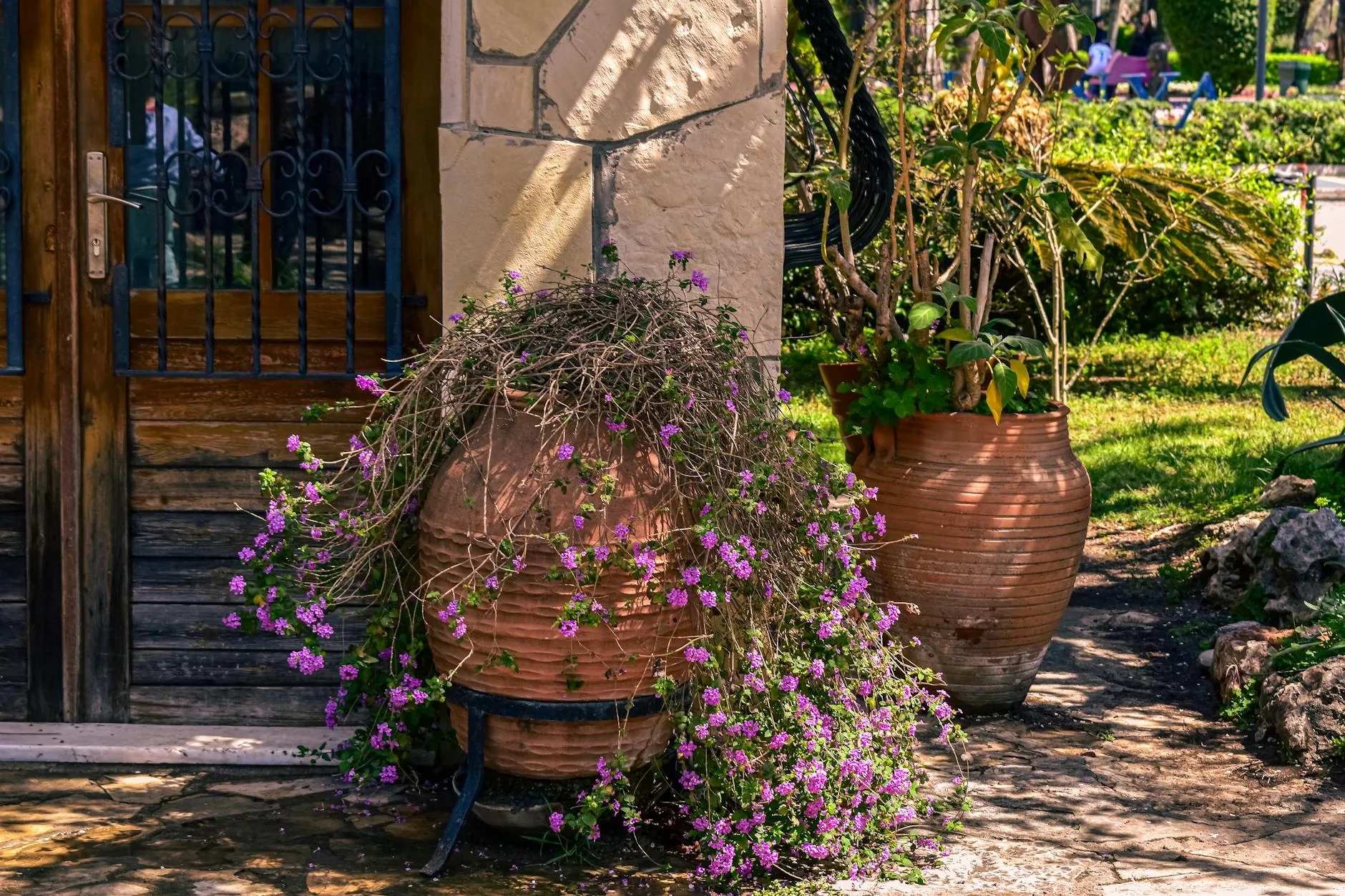
Terracotta pots are porous and absorb water. When that water freezes, the pot cracks. Over winter, either move terracotta indoors, raise pots on feet so water drains away from the base, or use pot feet and fleece wrapping to keep the frost out. I’ve lost three terracotta pots to frost cracking — at £25-40 each, it’s an expensive lesson.
What to Do After Frost Damage
Don’t Panic — Wait
The morning after a frost, your garden may look terrible. Blackened leaves, collapsed stems, limp foliage. But frost damage often looks worse than it is:
- Wait at least a week before cutting anything back. Many plants recover from the roots even when the top growth is destroyed
- Don’t water frost-damaged plants immediately — the roots may be stressed and waterlogging makes it worse
- Avoid touching frozen foliage — handling frozen leaves causes more damage as the ice crystals tear through the tissue
Pruning Damaged Growth
After a week or two, you can assess the real damage:
- Cut back blackened stems to healthy growth — you’ll see green wood when you cut into the stem
- Leave damaged foliage on evergreens until new growth appears in spring — the dead leaves protect the plant from further frost
- Check the base — scrape a small area of bark near soil level. Green underneath means the plant is alive. Brown and dry means it’s gone
Plants That Recover Well
Many plants that look dead after frost bounce back:
- Fuchsias — they die back to ground level but regrow from the base reliably in most of the UK
- Penstemons — same behaviour, cut back hard in spring once new shoots appear at the base
- Potatoes — blackened foliage is replaced by new growth in a week or two
- Dahlias — the tubers are safe underground. Frost kills the top but the plant returns
For help planning a garden that copes well with unpredictable weather, our guide to planning a garden layout covers how to position plants for natural shelter.
Frost-Hardy Plants That Don’t Need Protection
If you’re tired of the annual frost scramble, consider planting more fully hardy species. These survive anything a UK winter throws at them:
Hardy Shrubs
- Viburnum — evergreen varieties provide winter flowers and structure
- Box (Buxus) — classic hedging, fully hardy, unfazed by frost
- Cotoneaster — berries for birds, tough as nails
- Mahonia — yellow winter flowers when nothing else is blooming
Hardy Perennials
- Hellebores — flower in the coldest months, specifically adapted to frost
- Hardy geraniums (Geranium, not Pelargonium) — die back in winter, return reliably
- Epimedium — groundcover that tolerates frost, shade, dry soil, and neglect
- Bergenia — “elephant’s ears” leaves that look good year-round, even with frost damage colouring them bronze
Hardy Vegetables
- Kale — improves in flavour after frost. One of the few vegetables that tastes better for being frozen
- Leeks — stand in the ground through the hardest winters
- Winter cabbages and Brussels sprouts — classic UK winter crops
- Broad beans (autumn-sown) — overwinter as small plants, crop earlier than spring sowings
For getting tender plants going early under cover, our seed starting guide covers propagators and heat mats that give seedlings a frost-free head start.
Common Frost Protection Mistakes
Leaving Fleece On Too Long
Fleece left on during warm days causes overheating and etiolation (pale, leggy growth). Remove or fold back fleece by mid-morning on days above 10°C. It’s meant for overnight protection, not permanent covering.
Watering Before a Frost
Counterintuitive, but watering in the late afternoon before a frost actually helps — wet soil holds more thermal energy than dry soil and releases it slowly overnight. Commercial fruit growers use overhead sprinklers to protect blossom, because the water freezing around the buds releases latent heat that keeps the tissue just above the damage threshold. You don’t need sprinklers, but a good soak before sunset provides some insulation.
Planting Too Early
The most common cause of frost damage is enthusiasm outrunning the calendar. Garden centres sell tender bedding plants from March, but in most of the UK, they shouldn’t go outside unprotected until May. The plants are grown in heated greenhouses — they’re not ready for your garden yet. I’ve been guilty of this more times than I’ll admit. Now I don’t plant tender things before the first May bank holiday, regardless of how warm April feels.
Ignoring Frost Pockets
If the same area of your garden always loses plants to frost while the rest survives, it’s a frost pocket. Solutions:
- Create drainage for cold air by cutting gaps in low hedges or fences
- Plant frost-tolerant species in the pocket and save tender plants for warmer spots
- Avoid planting fruit trees in frost pockets — their blossom will be killed year after year
A Frost Protection Checklist
When a frost warning is issued, here’s the routine:
- Check the forecast. The Met Office app gives hour-by-hour temperature predictions. Look for the overnight low — below 2°C means ground frost is likely, below 0°C means air frost
- Move container plants. Bring anything tender into a porch, greenhouse, or against a house wall. Group pots together
- Cover vulnerable plants. Drape fleece over tender plants in the ground. Don’t wrap tightly — create an air pocket
- Protect individual plants. Place cloches or cut bottles over small seedlings and newly planted specimens
- Water the soil. A good soak in the late afternoon adds thermal mass to the soil
- Mulch exposed roots. Add extra straw or bark mulch around the base of semi-hardy plants
- Close greenhouse vents. If you have a greenhouse, close all vents and doors before sunset
- Remove protection in the morning. Once temperatures rise above 5°C, remove or open fleece, cloches, and vents
Three minutes of preparation the evening before saves weeks of replacement planting.
Frequently Asked Questions
At what temperature should I protect my plants? Below 2°C is the trigger for ground frost protection, especially for seedlings and low-growing plants. Below 0°C is air frost — protect anything tender. If in doubt, cover it. The effort of protecting plants that would have survived is nothing compared to losing plants you didn’t protect.
Can I use a bedsheet instead of horticultural fleece? An old bedsheet or duvet cover works in an emergency but it’s heavier and less breathable than proper garden fleece. It can flatten delicate seedlings under its weight. For a single night, it’s better than nothing. For regular use, buy proper fleece — a 10m roll costs about £8 and lasts for years.
Should I bring my potted plants into the house during frost? An unheated porch, garage, or greenhouse is better than a heated room. The temperature shock of going from near-freezing to 20°C central heating stresses plants more than the frost itself. If you only have heated rooms, choose the coolest one and keep plants away from radiators.
How do I know if my plant has survived frost damage? Wait a week, then scrape a small area of bark on the main stem near the base. If it’s green underneath, the plant is alive and should recover. If it’s brown and dry all the way through, it’s dead. For herbaceous plants, check for new shoots emerging from the base — if the root system survived, new growth appears within a few weeks.
Is bubble wrap better than fleece for frost protection? They serve different purposes. Fleece protects foliage and is breathable, so it can stay on during the day. Bubble wrap is better for insulating pots and root systems — wrap it around containers, not over the top of plants. Using both together (fleece over the plant, bubble wrap around the pot) gives the most protection for container plants.
Keep reading on Plot & Patio: Best Seed Starting Kits 2026 UK: Propagators & Heat Mats, How to Grow Herbs in Pots: A Beginner’s Guide, How to Prepare Your Garden for Spring, Best Low-Maintenance Plants for UK Gardens.