You’ve eaten one too many disappointing frozen pizzas and decided it’s time to cook proper Neapolitan-style pizza at home. The supermarket oven maxes out at 250°C. A dedicated pizza oven hits 400-500°C. That temperature difference is the whole game — it’s the difference between a soggy base and a leopard-spotted, puffed-up crust that you’d pay £14 for in a restaurant.
In This Article
- Why a Pizza Oven, Not a Regular Oven
- Wood vs Gas vs Multi-Fuel: Which Type to Choose
- Best Overall: Ooni Koda 16
- Best Wood-Fired: Ooni Karu 16
- Best Budget: VonHaus Pizza Oven
- Best Premium: Gozney Dome
- Best for Large Groups: DeliVita Diavolo
- Key Features to Compare
- Accessories You Actually Need
- Safety and Placement
- Running Costs and Fuel
- Common Pizza Oven Mistakes
- Frequently Asked Questions
Why a Pizza Oven, Not a Regular Oven
The difference comes down to temperature and radiant heat. A domestic kitchen oven reaches 220-250°C. A pizza oven reaches 400-500°C. At those temperatures, pizza cooks in 60-90 seconds rather than 8-12 minutes.
What High Heat Does
- Crust: the base crisps and chars instantly, creating those distinctive leopard spots while staying soft and chewy inside
- Cheese: melts and bubbles in seconds without overcooking the toppings
- Toppings: cook from the radiant heat above while the base cooks from the stone below — everything finishes at the same time
- Moisture: the fast cook time means the dough doesn’t dry out. A kitchen oven slowly evaporates moisture, giving you a cracker-like base
After cooking pizza in both for years, the outdoor oven produces results that no amount of technique or fancy dough can replicate in a standard kitchen oven. The heat is the secret ingredient.
Beyond Pizza
Most pizza ovens double as outdoor ovens for other cooking: roast vegetables, bread, steaks, fish, even desserts. The residual heat after pizza service (the oven stays hot for hours after turning off the fuel) is perfect for slow-roasting a shoulder of lamb or baking sourdough.
Wood vs Gas vs Multi-Fuel: Which Type to Choose
Wood-Fired
- Flavour: unmistakable smoky taste that gas can’t replicate. This is the authentic Neapolitan experience
- Temperature range: 400-500°C easily. Wood burns hotter than gas and creates more radiant heat from the flame
- The ritual: building and managing the fire is part of the experience. Some people love it; others find it tedious
- Downsides: takes 15-30 minutes to reach temperature. Fire management during cooking is a skill. More cleanup (ash). Needs dry, seasoned wood (about £5-8 per session using kiln-dried hardwood)
- Best for: purists, entertainers, people who enjoy the process as much as the result
Gas
- Convenience: turn it on, wait 15-20 minutes, start cooking. No fire management, no ash
- Consistency: steady, controllable temperature throughout the cook. Gas doesn’t fluctuate like wood
- Flavour: clean heat with no smoke flavour. The pizza is excellent but lacks the wood-fired character
- Downsides: requires propane bottles (about £25-35 for a refill, lasting 8-15 sessions). Less romantic. Some models struggle to hit 500°C
- Best for: weeknight cooks, families, anyone who wants great pizza without the faff
Multi-Fuel
- Flexibility: use wood when you want flavour and theatre, gas when you want convenience
- Best of both worlds: most multi-fuel ovens come with a gas burner attachment that replaces the wood tray
- Downsides: multi-fuel ovens cost more, and you’re buying both fuel types. The gas attachment adds £50-100 to the price
- Best for: people who can’t decide and want the option of both
For what it’s worth, we started with gas for the convenience, switched to wood for the flavour, and ended up with a multi-fuel oven so we could choose based on the occasion.
Best Overall: Ooni Koda 16
Price: about £400-450 from ooni.com, John Lewis, or Amazon UK
The Koda 16 is the pizza oven we recommend to most people. It’s gas-powered, heats up in 20 minutes, fits a 16-inch pizza, and produces restaurant-quality results with minimal effort. Turn the dial, wait, cook. That’s it.
Why It’s Our Top Pick
- 16-inch cooking surface — fits full-size pizzas, unlike the smaller 12-inch models that force you to make personal-sized ones
- L-shaped gas burner — distributes heat more evenly than single-point burners, reducing the hot spots that burn one edge while the other stays pale
- 20-minute heat-up — from cold to 500°C in about 20 minutes. Realistic for a weeknight dinner
- Minimal maintenance — no moving parts, no ash, no fire management. Wipe the stone with a brush after use
- Portable — weighs about 18kg. Carry it to a campsite or holiday rental (we’ve done this twice)
The Downsides
- No wood option — this is gas-only. If you want wood-fired flavour, look at the Karu instead
- No built-in thermometer — you need a separate infrared thermometer (about £15-25) to check stone temperature. Essential, not optional
- Propane bottle storage — a gas bottle lives next to the oven. Not a problem functionally, but it’s not the prettiest garden feature
We’ve cooked well over 200 pizzas on a Koda 16 and it delivers consistently. The L-shaped burner was a genuine upgrade over the original Koda’s single flame.
Best Wood-Fired: Ooni Karu 16
Price: about £600-650 from ooni.com or John Lewis
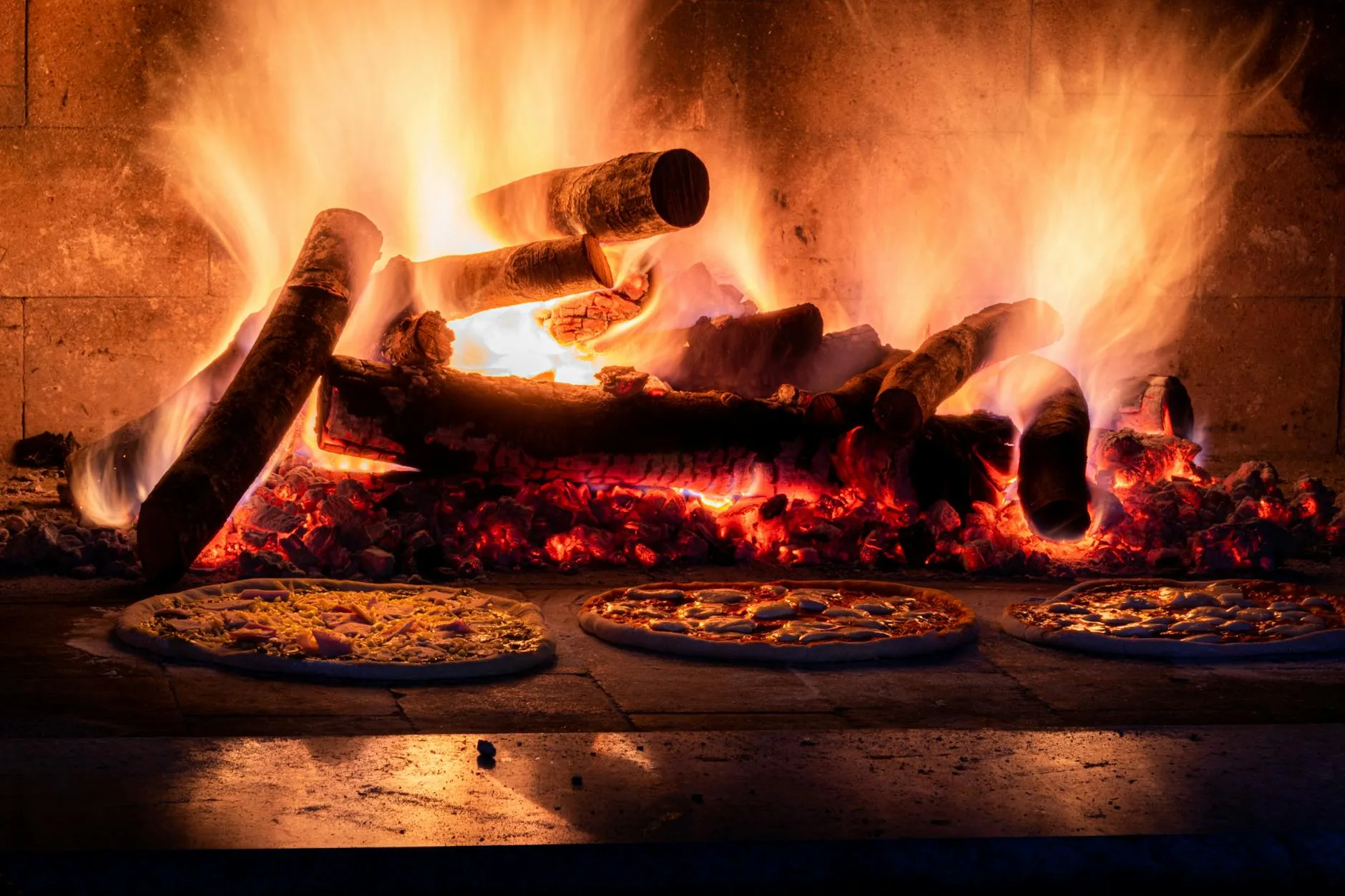
The Karu 16 is Ooni’s flagship multi-fuel oven, but it’s at its best running on wood or charcoal. The insulated body retains heat brilliantly, and the flame at the back of the oven creates the rolling ceiling of fire that makes Neapolitan pizza magic happen.
What Sets It Apart
- Multi-fuel capability — runs on wood, charcoal, or gas (gas burner sold separately for about £80)
- Superior insulation — double-walled stainless steel with ceramic fibre insulation. Reaches cooking temperature faster and holds it longer than single-wall ovens
- ViewFlame technology — a glass door lets you watch the fire and your pizza without opening the oven and losing heat
- Digital thermometer — built-in, reading stone and ambient temperature. This alone saves you £20 on a separate thermometer
The Downsides
- Heavier — about 28kg. Not something you’ll casually move around
- Fire management required — you need to feed the fire every 10-15 minutes during cooking. With 8 guests and 12 pizzas to cook, that’s a commitment
- Higher price — £200 more than the Koda 16, plus £80 for the gas attachment if you want both options
Wood Fuel Tips
Kiln-dried hardwood chunks (not logs — chunks the size of your fist) work best. Birch, oak, and beech are ideal. Avoid softwood (pine, spruce) — it burns fast, creates excess smoke, and can taint the flavour. Budget about £5-8 per cooking session buying from B&Q, local firewood suppliers, or Amazon UK.
Best Budget: VonHaus Pizza Oven
Price: about £80-120 from vonhaus.com or Amazon UK
If you want to try outdoor pizza cooking without committing £400+, the VonHaus is the entry point. It’s wood-fired, heats up reasonably fast, and produces pizza that’s miles better than your kitchen oven — even if it can’t match the Ooni on consistency.
What You Get for the Money
- Stainless steel construction — lightweight but functional
- Cordierite pizza stone — retains heat well and gives decent crust char
- Built-in thermometer — basic but helpful
- 12-inch capacity — personal-sized pizzas only
- Chimney with rain cap — proper ventilation for wood burning
Where It Falls Short
- Thin walls — single-wall construction means heat escapes faster. You’ll use more fuel and the temperature fluctuates more
- Small cooking area — 12 inches limits you to personal pizzas. Fine for two people, frustrating for a family of four
- Build quality — legs wobble, the thermometer is approximate at best, and the door latch feels flimsy
- Temperature ceiling — struggles to get above 400°C consistently. You’ll get good pizza, but not the blistered, 60-second Neapolitan cook
For the price, it’s excellent value. Think of it as a trial run — if you love cooking pizza outdoors, you’ll upgrade within a year. If it turns out to be a passing fad, you’ve only spent £100.
Best Premium: Gozney Dome
Price: about £1,500-1,800 from gozney.com or selected retailers
The Gozney Dome is what happens when a commercial pizza oven manufacturer makes a home version. It’s built like a tank, cooks like a professional oven, and looks stunning on a patio. This is the aspirational choice.
Why It Commands a Premium
- Dual-zone cooking — large enough to have one zone at 500°C for pizza and another at 300°C for slower items. Cook pizza and roast vegetables simultaneously
- Rolling flame technology — the flame pattern mimics traditional Neapolitan wood-fired ovens, creating even overhead heat
- Restaurant-grade build — stone floor, thick insulation, powder-coated shell that shrugs off UK weather
- Multi-fuel — wood or gas (both included in some bundles)
- Beautiful design — available in olive, grey, and bone finishes that look like outdoor furniture rather than equipment
- Massive capacity — fits a 16-inch pizza with room to spare, or multiple smaller items
Is It Worth £1,500?
If you cook outdoors regularly (weekly or more), entertain often, and want something that performs flawlessly for 10+ years — yes. The Dome cooks better than any portable oven we’ve used, and the build quality justifies the longevity.
If you cook pizza once a month in summer, the Ooni Koda at one-third the price makes more sense. The Dome is for committed outdoor cooks, not casual users.
Best for Large Groups: DeliVita Diavolo
Price: about £1,200-1,400 from delivita.com or garden centres
The DeliVita is handmade in Yorkshire from clay and fibreglass, weighs about 30kg, and retains heat like nothing else on this list. It’s also the most visually distinctive — the smooth, painted shell comes in colours like Chilli Red, Very Olive, and Hale Grey.
Why It’s Great for Entertaining
- 40-minute heat retention — the clay body holds heat long after you stop feeding the fire. Cook 15+ pizzas without the temperature dropping
- Even heat distribution — the domed shape circulates hot air naturally, reducing cold spots
- Looks like a centrepiece — this is the oven guests photograph. It’s as much a conversation piece as a cooking tool
- Handmade quality — each one is individually made in North Yorkshire. The build quality is tangible
The Trade-Offs
- Wood-only — no gas option. If you want gas convenience, look elsewhere
- Heavy — at 30kg, it needs a sturdy table or dedicated stand (DeliVita sell their own for about £250)
- Slow to heat — the clay mass takes 25-30 minutes to reach cooking temperature. Patience required
- Expensive accessories — the official stand, cover, and peel set add £300-400 to the total
Key Features to Compare
Stone Material
- Cordierite (budget-premium): excellent heat retention, thermal shock resistant, the industry standard
- Biscotto stone (premium): traditional Italian pizza stone, holds heat fractionally better than cordierite but costs more
- Fibrament (Gozney): engineered stone, consistent heat distribution. Used in commercial ovens
Opening Size and Shape
Wider mouths make it easier to slide pizzas in and turn them during cooking. The Ooni 16-inch models have generous openings. Some budget ovens have narrow slots that make peel manoeuvring tricky.
Insulation
Single-wall ovens (VonHaus, some budget brands) lose heat fast and need more fuel. Double-wall with ceramic fibre insulation (Ooni Karu, Gozney Dome) maintains temperature effortlessly. This is the single biggest quality differentiator.
Accessories You Actually Need
- Pizza peel (about £15-30): a long-handled paddle for sliding pizzas in and out. Wooden peels for launching, metal peels for turning. You need both — or at minimum a metal turning peel
- Infrared thermometer (about £15-25): essential if your oven lacks a built-in gauge. Point at the stone to check cooking temperature. Don’t guess
- Pizza dough containers (about £10-15): stack of proofing trays for preparing multiple dough balls. Speeds up cooking when you’re feeding a group
- Oven cover (about £30-60): UK weather will destroy an uncovered oven within a year. Non-negotiable
- Turning peel (about £15-25): small, round metal peel for rotating pizza mid-cook. Critical for even cooking in ovens with hot spots
The Food Standards Agency’s guidance on safe cooking temperatures applies to pizza ovens too — particularly when cooking meat toppings.
Safety and Placement
Where to Put Your Pizza Oven
- On a stable, level, heat-resistant surface — a paving slab, concrete pad, or purpose-built stand. Never on a wooden table, plastic furniture, or directly on grass
- At least 1 metre from any combustible surface — fences, sheds, parasols, overhanging trees, house walls with cladding
- In a ventilated area — not under a gazebo or covered patio. The chimney output needs clear sky above it
- Protected from wind — strong wind disrupts temperature control and blows embers. Position the opening away from the prevailing wind direction
Kids and Pets
The exterior of a running pizza oven reaches 200-300°C. A child touching the shell will be seriously burned. Keep children and pets at least 2 metres away from the oven during and after cooking. The oven stays dangerously hot for 30-60 minutes after the flame goes out.
Running Costs and Fuel
Wood
- Cost per session: about £5-8 using kiln-dried hardwood from B&Q, Homebase, or a local supplier
- Session length: enough wood for 2-3 hours of cooking (10-15 pizzas)
- Annual cost (weekly use, April-September): roughly £130-200
Gas (Propane)
- Cost per session: about £2-4 (a 5kg propane bottle costs £25-35 and lasts 8-15 sessions)
- Refills from: Calor gas dealers, B&Q, petrol stations, caravan supply shops
- Annual cost (weekly use, April-September): roughly £50-100
Multi-Fuel
Expect a blend — mostly gas for convenience during the week, wood for weekend entertaining. Annual cost sits between the two, roughly £80-150.
Common Pizza Oven Mistakes
Not Preheating Long Enough
The stone needs to absorb heat, not just the air. Even if the thermometer reads 400°C, the stone may only be 250°C if you’ve rushed the preheat. Wait until the stone temperature matches the air temperature — typically 20-30 minutes after the oven reaches target temperature.
Using Too Much Dough
Thick dough in a pizza oven burns on top before the centre cooks through. Stretch your dough thin — 3-4mm in the centre, slightly thicker at the edges. Neapolitan pizza is a thin-crust affair.
Overloading Toppings
More toppings means more moisture, which means a soggy base. Three or four toppings maximum. Use a light hand with sauce and fresh mozzarella — too much and the centre turns into a lake. Our best results come from two toppings and good-quality ingredients.
Not Turning the Pizza
Most ovens have a hot spot near the flame. If you don’t turn the pizza 90-180 degrees halfway through (at about 30-45 seconds), one side chars while the other stays pale. This is what the turning peel is for — a quick spin at the halfway point evens everything out.
Leaving the Oven Uncovered
An uncovered pizza oven in the UK will rust, crack, or degrade within one winter. Buy the brand-specific cover on day one. It’s the single most important accessory after the peel.
For most UK gardens, our guide to choosing patio furniture applies to pizza oven setup too — consider your outdoor space, usage patterns, and how the oven fits into your existing patio layout.
Frequently Asked Questions
How much does a good pizza oven cost in the UK? A capable outdoor pizza oven starts at about £80-120 for basic wood-fired models. The sweet spot for most home cooks is £400-650 (Ooni Koda 16 or Karu 16). Premium options from Gozney and DeliVita run £1,200-1,800. Gas ovens are generally cheaper to run than wood.
Can you use a pizza oven in winter? Yes, though you’ll use more fuel to reach and maintain temperature in cold weather. Wind protection matters more in winter. Many dedicated pizza oven owners cook year-round — there’s something satisfying about making pizza in the cold with a roaring oven. Cover the oven between uses to prevent frost damage.
Do pizza ovens work on a wooden deck? Not directly — the radiant heat from the base will scorch or ignite timber decking. Place a large heat-resistant mat or concrete paving slab under the oven, extending at least 30cm beyond the oven footprint in every direction. Some manufacturers sell purpose-built deck protection mats.
How long does it take to cook a pizza in an outdoor oven? At full temperature (400-500°C), a Neapolitan-style pizza cooks in 60-90 seconds. At lower temperatures (300-350°C), expect 3-5 minutes. The cook time depends on dough thickness, topping moisture content, and stone temperature. Always check the base is done by lifting the edge with a peel.
What’s the best fuel for a pizza oven? Kiln-dried hardwood (oak, beech, birch) for the best flavour and consistent heat. Avoid softwood, treated wood, or damp logs — they produce excessive smoke and inconsistent temperatures. For gas ovens, standard propane bottles from any gas dealer work with all major brands.
Keep reading on Plot & Patio: Best Patio Heaters 2026 UK: Electric, Gas & Infrared, Weber vs Kamado Joe vs Big Green Egg UK: Which BBQ Wins?, Best BBQs 2026 UK: Charcoal, Gas & Kamado Grills, Best Chimineas 2026 UK: Clay, Cast Iron & Steel.