You walk outside, look at your garden, and see one undifferentiated rectangle of grass with a patio at one end and a shed at the other. It works, technically — you can sit out, the kids can run around, and you can hang the washing up. But it doesn’t feel like a designed space. It feels like leftover land behind the house.
Garden zoning changes that. By dividing your garden into distinct areas — each with its own purpose and character — you create a space that feels larger, works harder, and looks deliberately planned rather than accidentally present. The same square footage, but transformed. Here’s how to do it without a landscape architect’s budget.
In This Article
- What Garden Zoning Means and Why It Works
- Assessing Your Garden Before You Start
- The Most Useful Garden Zones
- Creating a Dining and Entertaining Zone
- Creating a Relaxation Zone
- Creating a Children’s Play Zone
- Creating a Growing Zone
- Creating a Utility Zone
- How to Separate Zones Without Walls
- Making Zones Work in Small Gardens
- Common Zoning Mistakes
- Frequently Asked Questions
What Garden Zoning Means and Why It Works
Zoning is the principle of dividing a garden into distinct areas, each designed for a specific activity or mood. Interior designers do this instinctively with rooms — a kitchen is different from a bedroom, even in an open-plan flat. Garden zoning applies the same thinking outdoors.
Why It Makes Gardens Feel Bigger
A single open lawn feels like one space. Three distinct zones within the same area feel like three spaces. Your eye moves between them, discovers different features, and registers variety. A 10m x 8m garden with a dining terrace, a lawn area, and a planted border at the back feels more spacious than the same dimensions as an unbroken rectangle of grass.
Why It Makes Gardens More Useful
An unzoned garden tries to be everything and succeeds at nothing particularly well. The kids play football where you’re trying to sunbathe. The washing line runs through the entertaining area. The compost bin is visible from the dining table. Zoning puts each activity in the right place, so nothing competes.
The Flow Principle
Good zoning creates a natural flow through the garden. You step out the back door onto the dining terrace. Beyond that, the lawn opens up. Past the lawn, a planted area draws you towards a bench or a feature. Each zone leads to the next, creating a journey rather than a single static view. The Royal Horticultural Society describes this as the “garden rooms” approach — treating each zone as a distinct room with its own character.
Assessing Your Garden Before You Start
Measure Everything
Before planning zones, measure your garden accurately. Draw a rough plan on graph paper or use a free garden planning app (SmartDraw, Garden Planner). Mark the house wall, existing structures (shed, fences, paths), and any features you’re keeping.
Track the Sun
Spend a day noting where sunlight falls at different times. Morning sun, midday sun, and afternoon sun hit different parts of the garden. Your dining zone should get evening sun if you eat outside in summer. Your growing zone needs the sunniest position for vegetables. Your relaxation zone might benefit from afternoon shade under a tree.
Note Problem Areas
- Boggy patches — poor drainage that stays wet after rain
- Dense shade — under trees or next to high fences and walls
- Slopes — gentle slopes can be terraced, steep slopes limit what’s possible
- Overlooked areas — where neighbours can see in, affecting how you use the space
- Root zones — large trees have extensive roots that limit what you can plant or build nearby
Consider Access
How do you move through the garden? Where do you naturally walk? Paths and access points should connect zones logically. Don’t plan a dining zone that requires walking across wet grass in your socks — connect it to the house with hard landscaping.
The Most Useful Garden Zones
Not every garden needs every zone. Choose the ones that match how your family actually uses the outdoor space.
- Dining and entertaining — where you eat, host, and sit with drinks on summer evenings
- Relaxation — a quiet spot for reading, thinking, or just sitting
- Children’s play — visible from the house, soft underfoot, space for toys and games
- Growing — vegetables, herbs, cut flowers, or a combination
- Utility — bins, compost, washing line, shed storage — the necessary but unattractive parts
Most UK family gardens work well with three or four of these. Trying to fit all five into a small garden creates zones too small to use properly.
Creating a Dining and Entertaining Zone
Location
Adjacent to the house, ideally directly accessible from the kitchen or living room. Carrying plates and drinks across a lawn gets old fast. A hard surface — paving, decking, or porcelain tiles — is essential. Grass gets muddy, uneven, and damages furniture legs. Our guide to patio materials covers the options for hard surfacing.
Size
Allow roughly 3m x 3m minimum for a four-seater dining set with room to pull chairs out. Six-seater sets need about 3.5m x 3.5m. Add a BBQ area and you’re looking at 4m x 5m for a properly functional entertaining space.
Features That Work
- Overhead cover — a pergola or gazebo extends the usable season by sheltering from light rain and providing shade. Even a simple sail shade makes a difference
- Lighting — festoon lights or integrated deck lights let you use the space after dark from May through September
- A nearby power source — for an outdoor pizza oven, blender, or music speaker. Worth installing a weatherproof outdoor socket if you don’t have one
- Screening — if the dining area is overlooked, tall planters with bamboo, ornamental grasses, or pleached trees provide privacy without blocking all light
Creating a Relaxation Zone
The Purpose
A quiet corner where you go to sit, read, drink tea, or do nothing. Separate from the social dining zone — this is your garden equivalent of a comfortable armchair in a quiet room.
Location
Ideally at the far end of the garden from the house, creating a reason to walk through the space. Against a sunny fence or wall works well. If your garden has a naturally sheltered corner, use it. The journey to get there is part of the appeal — it should feel like arriving somewhere.
Features That Work
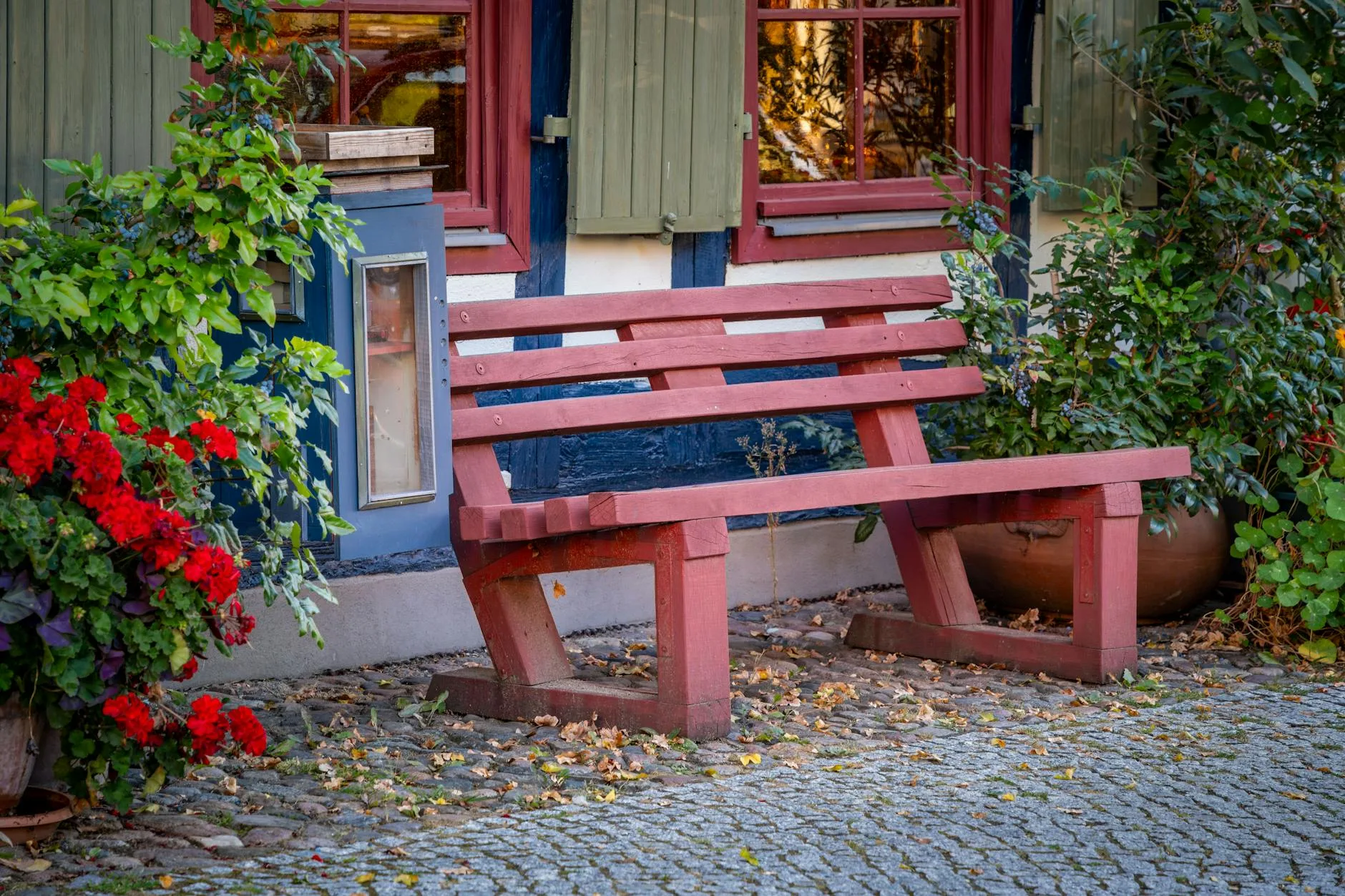
- A quality bench or seat — invest in something comfortable. A hard, backless bench nobody sits on is wasted space. Our guide to garden benches covers what lasts in UK weather
- Planting around the seat — fragrant plants (lavender, rosemary, jasmine) near the seating area add a sensory dimension that makes the spot feel intentional
- A focal point — a water feature, a specimen plant, or a piece of garden art gives your eye somewhere to rest
- Screening from the main garden — even a low hedge, a row of tall grasses, or a trellis with climbing plants creates the feeling of being in a separate room
Creating a Children’s Play Zone
Visibility Is Non-Negotiable
You need to see the play area from the house — the kitchen window is the most common line of sight. Don’t put the play zone behind a shed or around a corner where you can’t supervise.
Surface
Lawn is the most practical surface for a general play area — soft enough for falls, durable enough for running, and easy to maintain. If you’re installing a climbing frame or swing, consider rubber matting or bark chippings in the impact zone directly underneath. Standard lawn won’t survive the constant foot traffic beneath a swing.
What to Include
Scale to your children’s ages. Toddlers need a sandpit and a small slide. Primary-age children want space to kick a ball, a climbing frame, and room to ride bikes. Teenagers want to be left alone with a phone signal and possibly a hammock.
The Transition Plan
Children’s play zones have a shelf life. The sandpit that’s perfect at age three is unused by age seven. Plan zones that can evolve — a sandpit can become a raised planting bed, a climbing frame footprint can become a seating area. Build with transition in mind, not permanent fixtures for a three-year phase.
Creating a Growing Zone
Location
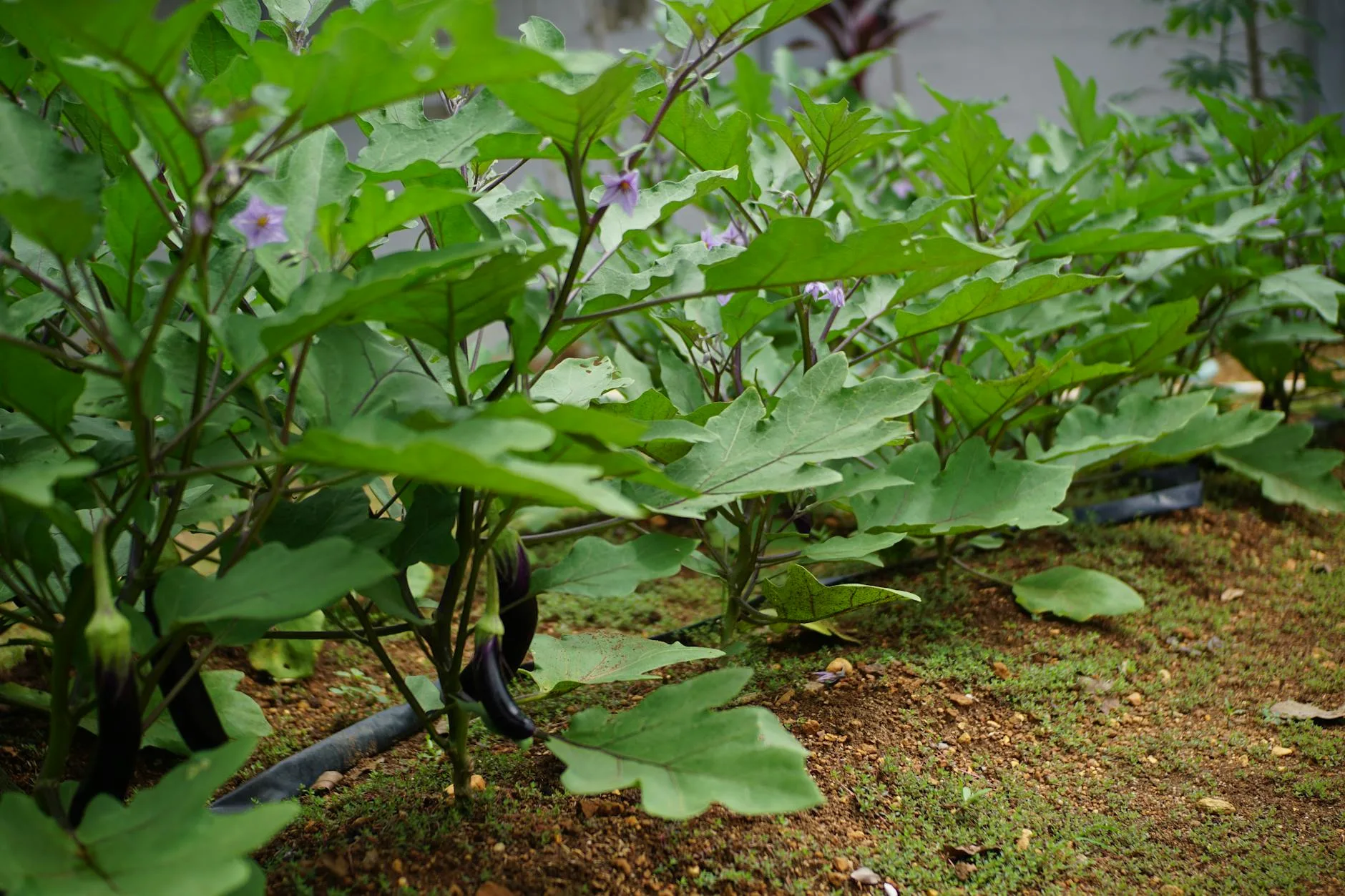
The sunniest part of the garden. Vegetables and most herbs need at least six hours of direct sunlight during the growing season (April to September). South-facing is ideal; east or west-facing works for most crops; north-facing is challenging for anything beyond shade-tolerant herbs and salad leaves.
Raised Beds vs Ground Level
Raised beds are the most popular choice for UK veg growing. They warm up faster in spring, drain better in wet winters, and save your back. A 1.2m x 2.4m raised bed is the standard size — you can reach the centre from either side without stepping on the soil. Three or four beds this size provide enough growing space for a meaningful supply of seasonal vegetables.
Ground-level growing works fine in gardens with good soil and drainage. It’s cheaper but requires more soil improvement (compost, manure) and means bending or kneeling to work.
Kitchen Herb Zone
A separate herb section near the kitchen door is one of the most practical features you can add. Fresh rosemary, thyme, mint, basil, and parsley within reach of the back door gets used constantly — far more than herbs at the bottom of the garden. Our guide to growing herbs in pots covers the basics if you don’t have bed space. Garden Organic, the UK’s leading organic growing charity, offers free growing guides for beginners.
Creating a Utility Zone
What Goes Here
Everything necessary but visually unappealing: wheelie bins, recycling, compost bins or heap, washing line or rotary dryer, cold frame, potting bench, bulk garden supplies (bags of compost, spare pots). The goal is a functional space that’s accessible but hidden from the main garden views.
Location
Side access passages are ideal if your garden has one. Otherwise, behind the shed, against a side fence screened by planting, or in a corner screened by trellis and climbers. The utility zone should be easy to reach (you access the bins daily) but not the first thing you see from the dining table.
Screening Options
- Trellis with climbing plants — creates a living wall that hides bins and compost in summer. Ivy, clematis, or star jasmine on a 1.8m trellis provides year-round screening
- Slatted fence panels — allow airflow (important for compost) while blocking the view
- Evergreen hedging — box, privet, or yew creates a formal screen that works year-round but takes 2-3 years to establish
- Bin storage units — wooden or composite bin stores house wheelie bins neatly. They look better than exposed bins but cost £80-200
How to Separate Zones Without Walls
Changes in Level
Even a single step up or down between zones creates a strong psychological boundary. A dining terrace 15cm above the lawn level feels like a separate room. A sunken relaxation area feels intimate and sheltered. Level changes are the most effective zone dividers.
Changes in Surface Material
Switching from paving to lawn to gravel creates distinct zones without any physical barrier. Each material signals a different space and use. The transition itself — where paving meets grass, or gravel meets planting — is the zone boundary.
Planting Boundaries
Low hedging (box, lavender, rosemary), ornamental grasses, or border planting between zones creates a soft, natural boundary. This works particularly well between the lawn area and a relaxation or growing zone. The plants don’t block views or light but clearly define where one zone ends and another begins.
Structural Elements
Arches, pergolas, and arbours create doorways between zones. Walking through an arch from the dining terrace to the lawn feels like entering a new room. A pergola over a path between zones frames the transition and adds vertical interest.
Containers and Planters
Large planters positioned to define edges create movable zone boundaries. This works well for renters or anyone who doesn’t want permanent structural changes. A row of three or four tall planters with grasses or bamboo separates zones while remaining flexible.
Making Zones Work in Small Gardens
Fewer Zones, Done Well
In gardens under 30 square metres, limit yourself to two or three zones maximum. A dining zone, a planted border, and one feature area (relaxation or growing) is enough. Trying to create five distinct zones in a small space creates a cluttered, fragmented feel.
Vertical Zoning
Use walls, fences, and trellises to create zones vertically when floor space is limited. A green wall or climbing plants on a trellis separates zones without taking any floor area. Raised planters at waist height create a growing zone without consuming ground space.
Multi-Purpose Zones
In small gardens, zones can overlap. A raised bed with built-in bench seating combines growing and relaxation. A dining table that folds against the wall converts entertaining space to play space. Design for flexibility, not fixed single-purpose zones.
Diagonal Lines
Running zones diagonally across a rectangular garden makes it feel wider. Instead of dividing the garden with straight lines parallel to the house, angle the zone boundaries at 45°. This simple trick makes narrow gardens feel broader and creates more interesting sight lines.
Common Zoning Mistakes
Creating Too Many Zones
A garden with six tiny zones feels fragmented and fussy. Three well-proportioned zones are better than six cramped ones. If a zone is too small to use comfortably for its intended purpose, merge it with the adjacent zone.
Ignoring Sight Lines
The view from inside the house matters as much as the view from within the garden. Stand at your kitchen window and living room window — what do you see? Your most attractive zone should be visible from where you spend the most time indoors. The utility zone should be hidden from every indoor window if possible.
Not Connecting Zones
Zones need paths or obvious routes between them. Stepping stones across a lawn, a gravel path, or paving slabs linking the dining terrace to the garden bench — without clear connections, zones feel disconnected rather than part of a cohesive design.
Over-Screening
Tall hedges, dense fences, and solid screens between every zone make a garden feel smaller and darker. Use partial screens — low planting, open trellis, changes in level — that suggest boundaries without creating closed-off compartments.
Planning Without Living in the Space
Before committing to permanent zones, live with temporary markers for a season. Use potted plants to suggest boundaries, place furniture in proposed locations, and see how the garden actually gets used through spring and summer. What you think you want in February is often different from what you actually use in July.
Keep reading on Plot & Patio: Small Garden Ideas: 15 Ways to Maximise a Tiny UK Garden, How to Plan a Garden Layout: A Beginner’s Guide, How to Create a Wildlife-Friendly Garden, Shade-Loving Plants for UK Gardens: What Thrives in Dark Corners.
Frequently Asked Questions
How many zones should a garden have?
Three to four zones work best for most UK gardens. Small gardens (under 30 square metres) should have two or three. Large gardens can accommodate five or more. The key principle is that each zone should be large enough to function properly for its intended purpose — fewer well-sized zones beat many cramped ones.
Can I zone a rented garden?
Yes. Use movable elements — large planters, free-standing screens, portable furniture, and container growing — to create zones without permanent changes. Raised beds on legs, potted herbs, and portable fire pits all create distinct areas that you can take with you when you move. Avoid digging, building permanent structures, or removing existing features without your landlord’s permission.
What is the cheapest way to separate garden zones?
Planting borders with inexpensive perennials or ornamental grasses is the cheapest structural option — about £20-40 for enough plants to define a boundary. Even cheaper: use changes in mowing height (leave a strip of long grass between zones) or lay a simple gravel path to divide areas. These cost under £20 and create clear visual boundaries.
Do I need planning permission to zone my garden?
Zoning itself requires no planning permission — you’re arranging existing space, not building new structures. However, some elements within zones may need permission: outbuildings over a certain size, structures in front gardens, raised platforms above 30cm, or work in conservation areas. Most domestic garden changes fall within permitted development rights, but check your local council’s guidelines for specific structures.
Should the biggest zone be nearest or furthest from the house?
The most frequently used zone should be nearest the house — usually the dining and entertaining area. Zones you visit less often (growing, relaxation) work better further away. This creates a natural flow from high-activity near the house to low-activity at the far end, which also makes the garden feel longer because your eye is drawn through the space.