Buying a BBQ in the UK means accepting a fundamental truth: you’ll use it 15–25 times a year if you’re dedicated, and the rest of the time it’ll sit under a cover watching the rain. The question isn’t whether a BBQ is a good investment — it is — but which type matches how you actually cook, how much space you have, and whether you’re willing to learn fire management or just want to turn a dial and start grilling.
Three fuel types dominate the UK market: charcoal (traditional, flavourful, requires skill), gas (convenient, consistent, less flavour), and kamado (charcoal in a ceramic shell, the best of both worlds at a price). Here’s what’s worth buying at each price point.
In This Article
- Charcoal vs Gas vs Kamado
- Best BBQs 2026 UK
- What Size BBQ Do You Need
- Features That Matter
- Setting Up and Placement
- Maintenance and Storage
- Frequently Asked Questions
Charcoal vs Gas vs Kamado
Charcoal
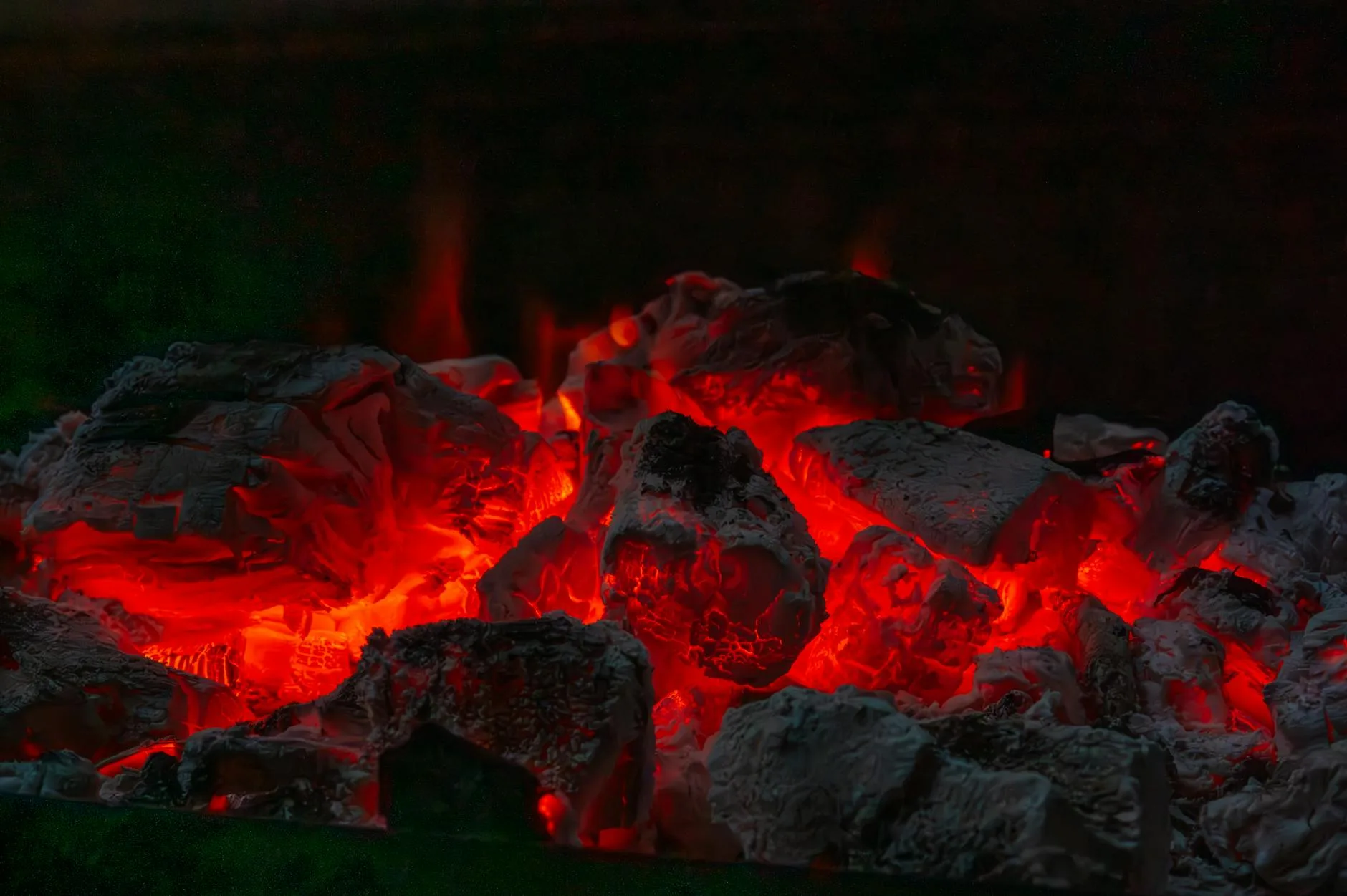
The original. Charcoal produces the smoky flavour that most people associate with barbecue. It burns hotter than gas (reaching 350°C+ for proper searing), creates smoke that flavours the food, and delivers a cooking experience that involves actual fire management rather than knob-turning.
The trade-offs: 20–30 minutes to light and reach cooking temperature, temperature control requires practice and attention, cleaning involves ash removal, and charcoal is an ongoing cost (£5–10 per session).
Best for: flavour chasers, weekend cooks who enjoy the process, anyone who wants authentic barbecue results.
Gas
Convenience in a box. Turn the dial, press the ignition, and you’re cooking in 10 minutes. Temperature control is precise and instant — turn it up, turn it down, zone-cook with different burners at different temperatures. No ash, no chimney starter, no waiting.
The trade-off: less flavour. Gas produces heat without smoke, so you get grilled food rather than barbecued food. Smoking boxes and wood chips help, but they can’t replicate the flavour of cooking over real coals. Gas BBQs also tend to be larger and heavier than charcoal equivalents.
Best for: weeknight cooking, families who BBQ frequently, anyone who values convenience over maximum flavour.
Kamado (Ceramic)
A kamado is a charcoal BBQ built like a ceramic oven. The thick walls retain heat for hours, the sealed design allows precise airflow control, and the versatility is unmatched — grill, smoke, roast, bake pizza, and slow-cook over 12–18 hours on a single load of charcoal.
The trade-off: weight (60–120kg), price (£500–2,000+), and a learning curve for airflow management. Once mastered, a kamado outperforms both gas and standard charcoal for every cooking method except high-volume quick grilling (where a large flat charcoal grill wins on surface area).
For a detailed comparison of the top kamado brands, our Weber vs Kamado Joe vs Big Green Egg guide covers the premium end in depth.
Best for: serious outdoor cooks who want one device that does everything, anyone who enjoys low-and-slow smoking, long-term investment buyers.
Best BBQs 2026 UK
Weber Kettle Original — Best Charcoal
About £120–160 from Weber, Amazon UK, or garden centres. The Weber Kettle has been the default charcoal BBQ recommendation for decades because nothing at this price does the job better. The 57cm cooking grate handles 10–12 burgers simultaneously, the lid creates an oven environment for indirect cooking, and the build quality means it lasts 5–10 years with basic care.
The one-touch cleaning system (a sweep lever clears ash into the collection bowl) makes post-cook cleanup faster than most charcoal BBQs. The air vents provide good temperature control for someone willing to learn — close the vents to cool down, open for more heat.
Why we rate it: The best charcoal BBQ under £200. Does everything a charcoal BBQ should do without complication.
Weber Spirit II E-310 — Best Gas
About £400–500 from Weber, John Lewis, or garden centres. The Spirit II sits in Weber’s mid-range gas lineup and represents the sweet spot of size, features, and price. Three burners give you three temperature zones, the porcelain-enamelled grates distribute heat evenly, and the GS4 grilling system (ignition, burners, bars, grease management) is reliable across thousands of cook sessions.
The built-in thermometer is accurate enough to trust for lid-down roasting. The side tables fold down for compact storage. The grease management system catches drips cleanly, which makes cleaning less of a chore. For families who want to BBQ 2–3 times a week during summer without thinking about charcoal, this is the standard choice.
Why we rate it: The most reliable gas BBQ in the UK market. Weber’s build quality and parts availability mean it lasts years.
Kamado Joe Classic III — Best Kamado
About £1,500–1,800 from specialist retailers. If you’re investing in a kamado, the Classic III is the one that most experienced outdoor cooks recommend. The SloRoller hyperbolic smoke chamber distributes heat and smoke more evenly than any competitor, the Divide & Conquer flexible cooking system lets you cook at multiple levels simultaneously, and the air lift hinge makes the heavy ceramic lid feel weightless.
It grills steaks at 350°C, smokes brisket at 110°C for 14 hours, and bakes pizza at 400°C — all in the same device, all on charcoal. The ceramic shell retains heat so efficiently that a full load of lump charcoal lasts an entire day of cooking.
Why we rate it: The best all-round outdoor cooker available. If your budget allows it, you’ll never need another BBQ.
Char-Broil Gas2Coal 2.0 — Best Hybrid
About £300–400 from Amazon UK, Argos, or garden centres. A 3-burner gas BBQ that converts to charcoal in under 60 seconds — remove the grate inserts, add charcoal, and you’re cooking over real fire. The conversion is genuinely quick and doesn’t require tools.
In gas mode, it performs like a competent mid-range gas BBQ. In charcoal mode, it’s adequate but doesn’t match a purpose-built charcoal grill (the firebox shape is optimised for gas, not charcoal). The appeal is flexibility — gas for quick weeknight cooking, charcoal for weekend flavour sessions — without buying two separate BBQs.
Why we rate it: The best compromise if you genuinely want both fuel types and only have space (or budget) for one BBQ.
Weber Smokey Joe — Best Portable
About £50–65 from Weber or garden centres. A miniature Weber Kettle (37cm grate) that’s light enough to carry to the park, beach, or a friend’s garden. It cooks for 2–4 people, uses the same charcoal as its larger sibling, and produces proper barbecue results in a package that fits in a car boot beside everything else.
It won’t cook for a party, and the small grate means you’re cooking in batches for more than two people. But for spontaneous outdoor cooking, picnics, and camping trips, it’s the best portable charcoal BBQ at any price. Add an outdoor pizza oven to the patio setup and you’ve got a complete outdoor kitchen for under £300.
Why we rate it: Proper BBQ performance you can carry in one hand.
Tepro Toronto Click — Best Under £100
About £70–90 from Amazon UK or garden centres. If budget is the primary constraint, the Tepro Toronto offers a surprising amount of BBQ for the money: adjustable charcoal tray (height changes for temperature control), side burner for a pot or pan, warming rack, and a thermometer in the lid.
The build quality reflects the price — thinner steel, simpler construction, and components that will need replacing sooner than Weber equivalents. But for 2–3 summers of regular use, it performs well above its price point. If you’re not sure whether you’ll use a BBQ enough to justify a £400 investment, start here and upgrade when the Tepro eventually rusts through.
Why we rate it: The most BBQ per pound. Proves you don’t need to spend hundreds to enjoy outdoor cooking.
What Size BBQ Do You Need
Cooking for 1–2 People
A portable or compact BBQ with a 35–45cm grate. The Weber Smokey Joe or a small gas portable handles everything without taking up patio space.
Cooking for 3–6 People (Most Families)
A standard BBQ with a 45–57cm grate or a 3-burner gas model. This covers Sunday lunch, a few friends for dinner, and the occasional summer party without cooking in endless batches.
Cooking for 8+ People or Entertaining Regularly
A large charcoal grill (57cm+ grate) or a 4–6 burner gas BBQ. If you host regularly, the extra cooking surface saves time and lets you cook different items simultaneously — burgers and sausages on one zone, vegetables on another, buns warming on the upper rack.
The Space Question
Before buying, measure your patio or garden area. A gas BBQ with side tables needs roughly 1.5m × 0.7m of floor space plus clearance on all sides (30cm from walls, not under overhanging structures). A kamado needs less footprint (about 0.7m × 0.7m) but weighs more and ideally sits on reinforced ground. For small patios, compact charcoal BBQs are the most space-efficient option.
Features That Matter
Lid Thermometer
Essential for indirect cooking and roasting. Without a lid thermometer, you’re guessing the internal temperature — which means guessing whether your chicken is cooking at 180°C (perfect) or 250°C (burning on the outside, raw inside). Every BBQ above £100 should include one.
Adjustable Vents (Charcoal)
Top and bottom vents control airflow, which controls temperature. More airflow = hotter. Less airflow = cooler. Without adjustable vents, a charcoal BBQ runs at whatever temperature the charcoal decides — which makes anything beyond basic grilling unpredictable.
Grease Management
A good grease system channels dripping fat away from the heat source and into a removable collection tray. Without it, grease drips onto hot coals or burners, causing flare-ups that char food and create smoke. Gas BBQs generally handle this better than charcoal because the grease tray design is more intentional.
Warming Rack
A secondary rack above the main grate for keeping cooked food warm, toasting buns, or cooking items that need gentler heat. Useful for batch cooking — move finished burgers to the warming rack while the next batch cooks below.
Side Tables
Somewhere to put plates, tongs, sauces, and the inevitable beer. Foldable side tables are a bonus for storage. If your BBQ doesn’t have side tables, a small table or trolley nearby serves the same purpose.
Setting Up and Placement
Surface
Place your BBQ on a flat, stable, non-flammable surface. Patio slabs, concrete, or decking (with a fireproof mat underneath) all work. Grass isn’t ideal — heat from the base can scorch it, and uneven ground makes the BBQ unstable. For your patio material options, stone and concrete handle heat best.
Distance from Structures
Keep the BBQ at least 1 metre from fences, walls, and overhanging structures (pergolas, parasols, awnings). Charcoal BBQs produce sparks; gas BBQs produce radiant heat. Both can damage or ignite nearby materials.
Wind Direction
Position the BBQ so the prevailing wind blows smoke away from the house and seating area. In the UK, prevailing wind is south-westerly — so positioning the BBQ to the north-east of your seating area works for most gardens. Charcoal produces more smoke than gas; kamados produce the least because the sealed design contains most of it.
Access
You need access on at least two sides — one for cooking, one for loading fuel or clearing ash. A BBQ pushed into a corner is hard to manage safely.
Maintenance and Storage
After Each Cook
- Burn off residue: close the lid and run the BBQ at high heat for 10 minutes after cooking. This carbonises stuck-on food
- Brush the grates: use a bristle-free grill brush (bristle brushes shed metal fibres that can end up in food) while the grate is still warm
- Empty the grease tray/ash collector: after cooling. Grease attracts pests; ash absorbs moisture and accelerates rust
Seasonal Care
- Deep clean grates: every 4–6 weeks during BBQ season. Soak in warm soapy water, scrub with a non-scratch pad, rinse, and dry
- Check gas connections: (gas BBQs) spray soapy water on hose connections and watch for bubbles indicating leaks. Replace hoses every 5 years
- Inspect the firebox: look for rust, cracks, or deterioration in the base. Surface rust can be treated with high-temperature BBQ paint. Structural rust means replacement time
Winter Storage
Cover the BBQ with a fitted waterproof cover (£15–30 — a worthwhile investment). If possible, store under a roof (garage, shed, covered patio). Disconnect and remove gas bottles — store them upright outdoors, not in enclosed spaces. For patio heaters, similar winter storage principles apply.
Remove cooking grates and store indoors to prevent winter rusting. Coat cast iron grates with a thin layer of cooking oil before storage — the oil prevents oxidation.
Frequently Asked Questions
Is charcoal or gas better for BBQ? Charcoal produces better flavour through smoke and higher temperatures. Gas is more convenient — faster startup, easier temperature control, less cleanup. If flavour is the priority, charcoal wins. If you BBQ frequently and value convenience, gas wins. A kamado offers charcoal flavour with better temperature control, at a higher price.
How much should I spend on a BBQ? £50–100 for a basic charcoal or portable. £200–500 for a quality gas or charcoal BBQ that lasts 5+ years. £500–2,000 for a premium kamado. The cost guide principle applies: buy once at the right quality rather than replacing cheap BBQs every 2 years.
Can I BBQ in the rain? Yes — a lidded BBQ works in rain because the lid protects the cooking area. The cook gets wet, not the food. Charcoal is harder to light in rain (use a chimney starter under a covered area). Gas ignites regardless of weather. Some rain actually helps — it keeps temperatures moderate and reduces flare-ups.
How long does a BBQ last? A quality steel BBQ (Weber Kettle, Weber Spirit) lasts 5–10 years with basic maintenance. A kamado lasts 15–20+ years — the ceramic doesn’t rust. Budget BBQs (under £100) typically last 2–4 years before rust becomes structural.
Do I need a BBQ cover? In the UK, yes — unless you store the BBQ indoors after every use. Rain, frost, and UV degrade metal, gaskets, and ignition systems. A £20 cover extends the life of a £400 BBQ by several years.
Before positioning any charcoal, gas or kamado BBQ, check Food Standards Agency BBQ safety advice on placement, storage and cooling down.