Last summer, plenty of UK patios went from dry and usable to soaked within a single afternoon thunderstorm. Cushions stayed damp for days, cheaper rattan sets held water in the weave, and mildew appeared before everything had properly dried. That is usually when the garden furniture covers worth it question stops being theoretical and becomes a practical patio problem. With mixed UK weather, from drizzly mornings to frost-flecked nights, the question comes up every spring when we start uncovering patio sets and dusting off loungers.
Covers also make more sense once you know what you are protecting. Compare our weather-proof garden furniture picks, check how much to budget in our garden furniture cost guide, and use the garden furniture cleaning guide before packing anything away for winter.
In This Article
- Why Covers Matter
- Understanding Materials and Weather
- How to Choose the Right Cover
- Maintenance and Storage Tips
- Cost vs Longevity Analysis
- Balancing Function and Aesthetics
- Environmental and Practical Considerations
- Five-Year Replacement Cost Check
- Making Covers Look Less Clumsy
- Frequently Asked Questions
Why Covers Matter
British weather can undo a tidy patio faster than most people expect. Rain, frost, UV rays, leaf stains, and seagull droppings all wear furniture down. Using garden furniture covers creates a physical barrier that slows down this wear. Even if your set is made from durable materials, prolonged exposure fades colours, weakens joints and encourages mildew.
The Role of the Seasons
Britain’s seasons shift quickly: April may begin with blossom-scented sun before a sudden frost returns overnight. Weather can be harsher in exposed coastal and upland spots, so covers need to be chosen for the place they will actually sit. Wooden sets absorb moisture that freezes and cracks fibres. Plastics can warp under unexpected sunshine, and cushions retain damp that breeds odour. Across one unpredictable year, cover use can mean the difference between a fresh finish and flaking varnish.
Everyday Illustration
If you live in the south-west, salt-laden air accelerates rust and discolouration. Further inland, tree pollen accumulates on light-coloured cushions. These localised patterns make one-size-fits-all advice weak: what works in London drizzle may not survive an Aberdeen winter. A practical tip some households apply is using lighter, vented covers in late spring before switching to PVC-backed versions around October.
Understanding Materials and Weather
The RHS guide to maintaining garden seats and tables is a useful reality check here: hardwood, softwood, metal and plastic furniture all need different care, so a cover should support the maintenance routine rather than replace it. For local exposure, the Met Office weather warnings guide is a sensible reference before leaving lightweight covers or loose cushions outside during wind and heavy rain.
Not all furniture materials respond equally to our maritime climate. A Teak vs Rattan vs Metal Garden Furniture: Which Lasts? article outlines longevity contrasts, but here we examine how covers interact with each.
Wood and Teak Sets
Teak resists decay but still picks up water stains and hairline cracks when frost enters pores. A breathable cover with UV protection prevents overnight dew from seeping into joints. Softer woods such as acacia need even more consistent cover use and periodic re-oiling.
Rattan (Natural and Synthetic)
Rain softens natural rattan fibres, leading to brittleness. Synthetic versions lose surface sheen in direct sun. A UV-stabilised polyester cover avoids that, preserving both colour and texture. Owners on south-facing patios find this particularly useful between May and August.
Metal Furniture
Aluminium and steel are sturdy but oxidise in salty air. Tiny scratches or chipped paint let in moisture, causing pitting. A custom-fit cover reduces condensation on surfaces, although it’s best to raise heavy furniture by placing blocks under legs during storms so water drains beneath.
Cushions and Upholstery
Cushion storage remains the biggest headache. Even water-resistant fabrics struggle during a week of continuous showers. Covers that include zipped compartments or separate storage bags allow swift setup on sunny days without hauling fabric indoors nightly.
How to Choose the Right Cover
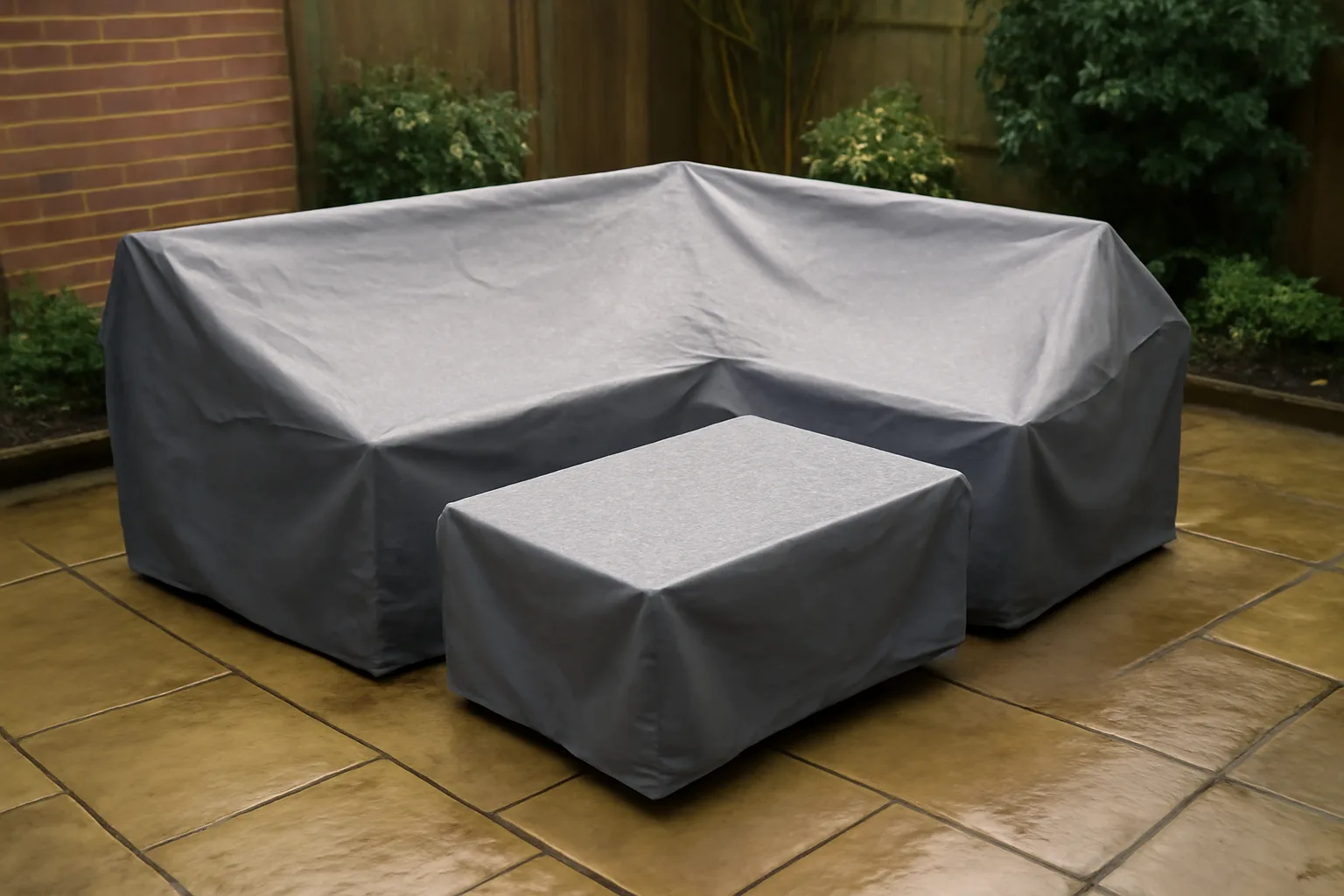
Garden covers vary from simple sheets to precision-tailored designs. UK retailers stock numerous models: Argos, Dunelm, and John Lewis offer both universal and brand-specific sizing. The useful question is not just price; it is how much protection your furniture actually needs.
Step-by-Step Selection Process
- Measure precisely – Include handles and tapered backs. Leave 2–4cm slack around edges to promote airflow.
- Material thickness – A heavier 420D or 600D polyester resists tears and feels substantial without being unwieldy.
- UV resistance – Sunlight may be weaker in northern counties yet still fades darker covers. Look for UV stabilisation ratings or guaranteed fade resistance for 2–3 years.
- Securing mechanisms – Elastic cords and toggles work for small chairs; strap-and-buckle systems resist highland gusts.
- Water repellency – A hydrostatic head of 1000–2000mm suffices for general rainfall. Storm-prone zones benefit from 3000mm-rated versions.
Key Materials to Consider
- Polyester – Lightweight, resistant to mildew; good for modular sofas.
- PVC-backed polyester – Provides strong waterproofing; ideal for wintering but must be aired occasionally.
- Polyethylene weave – Economical for temporary setups, though degrades faster under UV.
- Canvas or eco-blend fabric – Often made from recycled content; balances protection with minimal plastic use.
Design Features Worth the Extra
Higher-end options like those from Bosmere or Norfolk Leisure include mesh vents, reinforced seams and drawstring storage bags. Elasticated skirts tuck under bases neatly. Premium designs often list exact compatibility with modular sets from brands such as Maze or Bramblecrest. Spending slightly more for a neat silhouette avoids the bin-bag aesthetic and secures everything in high winds.
Maintenance and Storage Tips
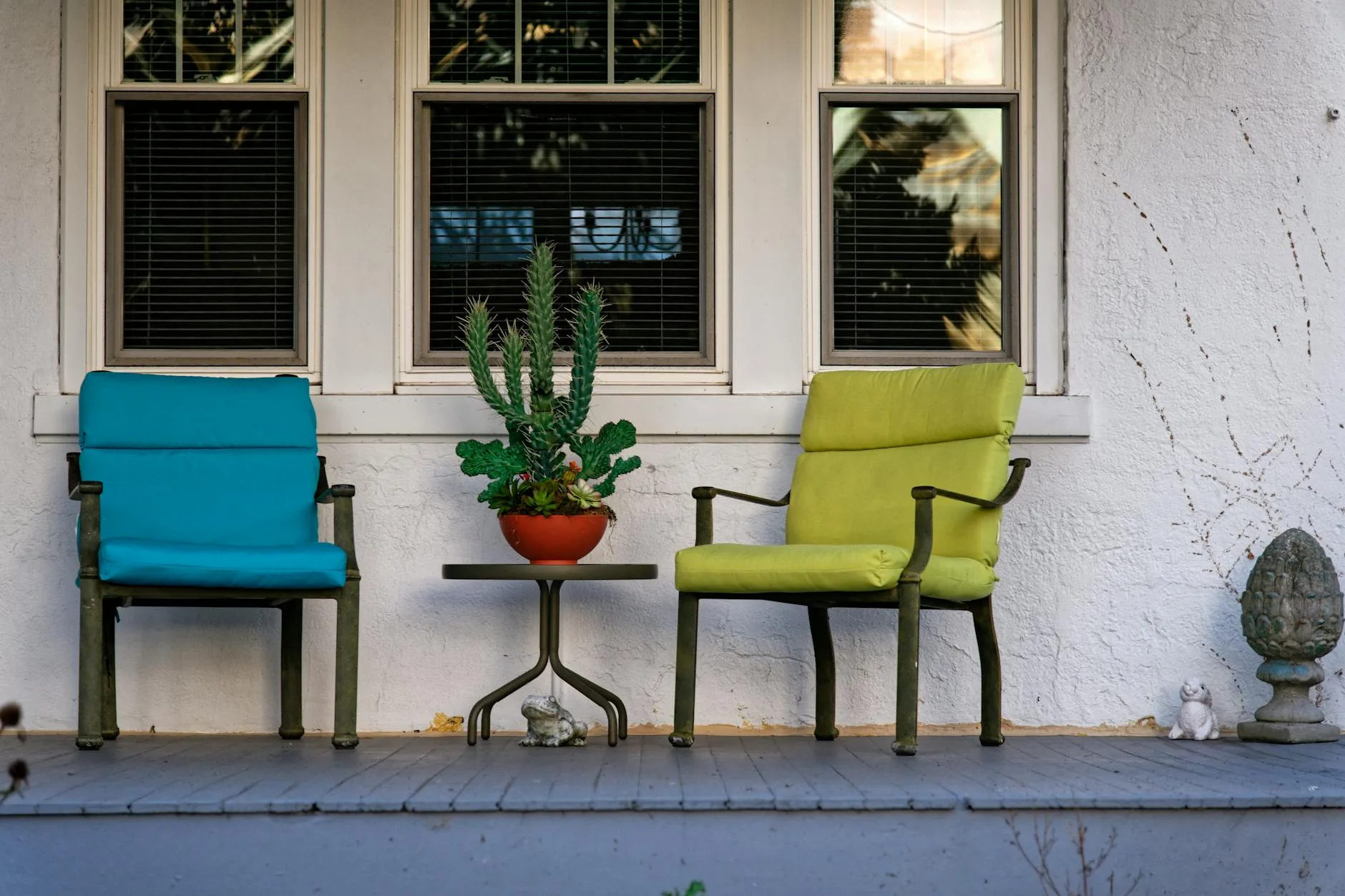
One small habit makes covers last longer: clean and dry them before long storage, rather than folding away grit, algae and trapped moisture. If the furniture underneath is timber, our wooden garden furniture maintenance guide is worth pairing with this routine so the cover is not hiding a finish that already needs oiling or repair.
Even robust covers degrade if neglected. Regular maintenance keeps performance steady and prevents musty odours.
Cleaning Routine
- Weekly dusting – Brush away pollen, bird droppings and tree resin.
- Monthly washing – Use a solution of mild detergent and warm water; scrub with a soft brush.
- Rinse lightly – A standard garden hose, avoiding power jets that stress seams.
- Dry thoroughly – Hang over a washing line or railing until the interior is fully dry.
Covers accumulate grime, which traps moisture and makes subsequent cleans harder. A lightweight silicone spray can repel dirt and extend water resistance after several months. For larger garden configurations, many homeowners purchase two identical covers and rotate them to ensure continuous use while cleaning.
Caring for Furniture Beneath
Protection works best when combined with regular upkeep. Treat wood yearly following How to Oil and Maintain Wooden Garden Furniture. For metal frames, inspect powder coatings and touch up chips promptly. Cushions should be dry before covering; moisture sealed inside accelerates rot. A good rule is to let morning dew dissipate naturally before covering again.
Cost vs Longevity Analysis
When considering whether garden furniture covers are worth it, it helps to align cost with extended usability. Let’s add realistic UK values.
Example Projection
Take a £900 aluminium dining set used across five summers without cover protection. You might expect noticeable dulling and a few corrosion patches after year three. Replacement of fabric pads and minor repainting might total £250–£300. A full set of covers costing £120 could realistically postpone those expenses another five years. That can move the annual cost of ownership from roughly £240 to just over £100.
Table-Free Breakdown (Forecasted Over Ten Years)
- No covers: Cleaning products & repairs ≈ £600; revarnish cycle biennially.
- With covers: Cleaning products ≈ £120; new covers every 5 years (£300 total); saving ≈ £180 overall plus improved look.
Long-Term Value Observation
At communal blocks and shared terraces, pattern differences are stark. Covered furniture retains finish through frosty winters, while exposed sets often look bleached and brittle by early summer. Over an eight-year horizon, the original contour and comfort visibly separate these groups, showing why covers can be worth buying.
Balancing Function and Aesthetics
A challenge many UK households face is reconciling pristine lawns and smart decking with bulky protective sheeting. Fortunately, style has caught up.
Design-Led Options
Neutral tones in greys or beiges now dominate modern patio palettes, complementing paving stones or rendered walls. Retailers such as IKEA and Cox & Cox sell subtle shades with minimal logos. Shape transitioning—tapered backs and rounded corners—gives fitted structure rather than square drapes.
Practical Aesthetic Tips
- Visibility: During social gatherings, remove or fold covers under seats rather than stacking aside. It preserves appearance and accessibility.
- Seasonal layering: Some prefer transparent covers through transitional months, allowing garden features to remain visible while offering drizzle protection.
- Blending materials: A two-tone finish, say charcoal upper with sand base trim, hides marks while blending with landscaping choices.
If in doubt, treating covers as design accessories rather than afterthoughts makes them feel part of the garden. Purchasing all covers from the same range ensures fabric colour consistency.
Environmental and Practical Considerations
Sustainability is starting to matter more in this category.
Recycled and Recyclable Materials
Many suppliers have moved toward RPET (recycled polyethylene terephthalate) derived from plastic bottles. These provide similar strength to virgin polyester yet reduce waste streams. Biodegradable coatings are emerging for canvas models though durability in long-term rain remains limited.
Disposal and Repurposing
When covers reach end-of-life, repurpose them as log pile liners or soil weed barriers before disposal. Councils often classify mixed-fibre covers under ‘general waste’, but specialist textile recycling companies now offer collection services. Extending product life reduces landfill load and carbon impact.
Dual-Cover Systems
Some landscapers use two covers: a light summer dust cover and a heavier winter one. That keeps surfaces protected without trapping damp under a heavy cover all year. That suits the way UK weather swings between wet and dry spells.
Pest and Hygiene Benefits
A tidy benefit of consistent cover use is protection against garden pests. Slugs, spiders, and pigeon mess seldom infiltrate sealed seating. For households near trees, this alone makes covers worthwhile: leaf tannins can permanently stain light fabrics if unattended.
Regional Maintenance Planning
Scotland’s east coast demands wind-resistant fastenings, while southern counties may prioritise UV resistance. Checking the forecast before long wet spells helps you decide when to lift, air and dry the covers.
Urban vs Rural Application
Urban patios collect airborne soot and fine dust; rural gardens deal with sap, pollen and bird life. In both settings, appropriately chosen covers simplify cleaning routines, reduce detergent use, and preserve the joy of spontaneous al fresco moments without constant scrubbing.
Think about your local weather before buying and you will usually spend less time cleaning, drying and replacing things later.
Five-Year Replacement Cost Check
The garden furniture covers worth it debate usually comes down to upfront cost versus what they save over time. In the UK market, covers range from around £25 for a small bistro set to £180 for a premium modular sofa waterproof protector. While these numbers seem high for something that never gets sat on, the return appears over several seasons.
Balancing Upfront Cost and Lifespan
A modest polyester cover may keep a bench dry through one wet winter, but you might find yourself buying a new one by the second. Premium covers made from Oxford fabric with taped seams tend to last between three and five years. For instance, a homeowner in Manchester with an exposed patio might notice cheaper models degrade by the second February due to continual rainfall and frost. Investing once in a mid-range or high-end option often saves money by extending furniture life by the same number of years.
A quick budget example: replacing mildew-stained cushions on a full dining set can cost upwards of £150. A durable £60 cover prevents that expense every year, lowering the long-term average cost. Still, cost alone should not dictate choice — consider your garden’s exposure level. An enclosed London balcony needs less protection than an unshaded coastal terrace in Cornwall.
Maintenance as a Cost Factor
Covers still demand care. Dirt and algae can settle on the outer surface and transfer back to furniture if not cleaned periodically. A twice-yearly rinse with mild detergent and warm water keeps waterproof coatings performing. In coastal towns like Brighton or Scarborough, salt can degrade seams more quickly, so a post-season freshwater rinse helps prolong stitching integrity. Neglecting this routine shortens their life, reducing value for money.
Realistic Timing Expectations
Manufacturers often suggest their products withstand several winters, yet those estimates assume ideal handling and correct fit. Pulling a snug cover roughly during a windy December evening can stress seams, reducing life expectancy by months. A practical fix is adding foam padding near sharp edges before covering, distributing tension more evenly. As with most outdoor gear, longevity aligns directly with storage habits and attention to minor details.
Making Covers Look Less Clumsy
While functionality tops the list of reasons people debate if garden furniture covers worth it, appearance carries increasing influence. Few want a well-landscaped garden spoiled by a dull grey heap of fabric. Modern covers now bridge this gap by offering subdued greens, taupe tones, and fitted silhouettes that complement contemporary landscapes.
Matching Cover Designs to Garden Style
Garden settings vary widely from cottage patios to sleek city decks. A neutral olive or sand shade can blend with natural stone features typical of Cotswold gardens. In contrast, darker charcoal covers look smart on modern decking. Retailers across the UK now advertise colour-matched ranges that tone with fence paint or outdoor storage boxes, letting homeowners preserve their design continuity even off-season.
Be wary of colourfastness claims, though. Without UV treatment, even premium hues fade by September if repeatedly exposed to midday sun. Checking for tags stating “UV stabilised to British Standard ISO 105-B02” offers some assurance against premature fading.
Practical Adjustments for Wind and Rain
A cover well suited to visual appeal can still fail if it collects water in dips. In areas facing frequent rainfall, such as the Lake District or North Wales, puddling rapidly encourages mould. Propping up sections of the furniture beneath the cover with an upturned flowerpot promotes runoff. Some owners in Belfast report good results using inexpensive inflatable support domes that keep surfaces higher at the centre.
Likewise, for windy locations along the east coast, tie-down clips and buckles are preferable to just drawstrings. These attachments limit flapping noise through breezy nights and keep seams from tearing. Fitting the cover snugly yet allowing air movement is the fine balance to strike.
Aesthetics During the On-Season
Many households opt to remove covers daily in summer, then reinstall them overnight to prevent dew build-up. This routine reduces mildew while preserving the look of fresh cushions for spontaneous barbeques. Folding covers neatly and storing them behind a planter or in a weatherproof bench keeps patios tidy and prevents trip hazards.
The best-looking patios make practical kit disappear into the background. Choose covers that blend in, so the eye stays on planting and lighting rather than protective fabric. In this way, covers become quiet background kit: less glamorous than cushions or lighting, but useful if you want the furniture to last.
Frequently Asked Questions
Do garden furniture covers cause mould? They can, if ventilation is poor. Choose breathable materials with air vents and avoid trapping moisture underneath.
Should covers be completely waterproof or water-resistant? Water-resistant covers are often better because they allow some airflow. Fully waterproof options can lead to condensation if left on too long.
Can I leave my furniture covered all year? Yes, though in winter it helps to remove cushions and periodically lift covers to aerate surfaces. Small checks every few weeks keep mildew away.
Are covers necessary for metal furniture? While metal is durable, covers help prevent rust spots, discolouration, and water pooling in joints, especially in coastal UK areas.
How do I stop covers from blowing away? Use toggles, cord locks, or weighted straps. Tucking edges under legs works for lighter covers, but clips give dependable stability during storms.