You ask for a patio quote thinking it will be a few slabs and a weekend’s labour, then the contractor starts talking about excavation, sub-base depth, waste removal, drainage falls and porcelain cuts around the drain cover. That is why patio prices jump around so much. As a realistic 2026 guide, patio cost UK 2026 figures usually land around £120-250 per square metre for a properly installed patio, with small simple jobs sometimes lower and premium porcelain or awkward access pushing well above that.
In This Article
- Quick Answer: What Does a New Patio Cost in 2026?
- Why Patio Quotes Vary So Much
- Patio Cost by Size
- Patio Cost by Material
- Labour, Groundwork and Waste Costs
- Drainage, Edging and Access Costs
- Where to Save Money Without Regretting It
- Where Not to Cut Corners
- Questions to Ask Before Accepting a Quote
- Example Budgets for Common UK Patios
- Final Verdict
- Frequently Asked Questions
Quick Answer: What Does a New Patio Cost in 2026?
For a normal UK garden, I would budget £2,500-5,500 for a modest professionally installed patio, and £6,000-12,000+ for a larger or higher-spec patio with porcelain, steps, drainage work or awkward access. Tiny jobs can cost less, but small patios often have a higher square-metre price because the contractor still has travel, setup, waste and cutting time.
Typical installed price ranges
As a rough installed guide:
- Basic concrete paving: about £90-150 per m2.
- Indian sandstone: about £110-180 per m2.
- Limestone: about £120-190 per m2.
- Porcelain paving: about £150-280 per m2.
- Premium natural stone or complex layouts: about £220-350+ per m2.
Those figures include typical labour and materials, not just the slab price. The slab itself is only part of the job. A patio that drains properly and stays flat depends on excavation, sub-base, bedding mortar, jointing, cutting, edging and waste removal.
My honest budgeting rule
If a quote looks very cheap, ask what is missing. The cheapest patio quote often excludes proper waste disposal, skips depth on the sub-base, uses weak spot bedding, or ignores drainage. That can look fine for the first summer and become a rocking, puddled mess after a few winters.
For most homes, I would rather reduce the patio size slightly than cut the base specification. A smaller patio installed properly beats a larger one that moves.
Why Patio Quotes Vary So Much
Two patios can be the same size and still cost very different amounts. The visible paving is the easy bit to compare. The hidden work underneath is where the quote changes.
Existing ground conditions
If the existing area is level, accessible and already close to the right height, the job is easier. If the installer has to remove old concrete, dig out clay, correct levels or work around drains and tree roots, the labour goes up quickly.
I pay close attention to the first site visit. A good installer will talk about falls, damp-proof course levels, drainage routes and what is coming out of the ground. If the whole conversation is just “which slabs do you like?”, I would be cautious.
Access to the garden
Access can add more cost than people expect. A patio at the back of a terraced house with no side entrance is harder than a patio where materials can be unloaded straight onto the drive. Every tonne of sub-base, sand, slabs and waste has to move somehow.
Awkward access can mean:
- More labour time: hand-carrying materials through the house or down steps.
- Smaller machinery: less efficient excavation and compaction.
- Extra protection: covering floors, doors and paths during the job.
- Higher skip or grab costs: if waste cannot be loaded directly.
Finish level and detail
A plain rectangular patio is cheaper than a design with curves, steps, borders, porcelain plank patterns or lots of cuts around inspection covers. Porcelain can look superb, but it is harder to cut and needs a slurry primer and careful bedding. That detail costs money.
Patio Cost by Size
Size is the easiest starting point, but do not treat square metres as the whole story. A 12m2 patio with awkward access can cost more than a 20m2 patio in an easy, open garden.
Small patio: 8-12m2
A small patio for a bistro set or two chairs might cost £1,200-3,000 depending on material and access. The square-metre price can look high because setup and waste costs are spread across a small area.
This size suits a small terrace, side return or quiet coffee spot. If you want a proper dining table, barbecue and circulation space, it will feel tight. Our small patio ideas guide is useful if you are trying to make a compact area work harder.
Medium patio: 15-25m2
A medium patio is the common family-garden size. Budget £2,500-6,500 for most installs, with porcelain and complex edges pushing higher. This gives enough room for a dining set, a couple of planters and comfortable movement around chairs.
If I were planning from scratch, I would lay out the actual table and chair footprint with tape or cardboard. Dining chairs need more space than the table size suggests. People push them back, children leave them at angles, and someone always needs to squeeze past with plates.
Large patio: 30-50m2
A large patio can cost £5,000-14,000+. At this size, drainage and layout matter a lot because a huge paved rectangle can look harsh and shed plenty of water. Breaking the area into dining, lounging and planting zones often looks better than paving every available metre.
If the patio starts to dominate the garden, consider a smaller paved area plus gravel, planting beds, stepping stones or a lawn edge. You may spend less and end up with a nicer garden.
Patio Cost by Material
Material choice affects both the slab cost and the labour. Cheap slabs are not always cheap once the base, cutting and wastage are included.
Concrete paving
Concrete slabs are the budget option, usually costing £20-45 per m2 for materials and roughly £90-150 per m2 installed. They are practical and widely available from B&Q, Wickes, Travis Perkins and local builders’ merchants.
They suit utility areas, rental properties and simple seating spaces. The downside is appearance. Basic concrete can look a bit flat, and cheaper slabs may weather unevenly. If you care about the look, choose a textured or larger-format concrete slab rather than the cheapest council-style paving.
Indian sandstone
Indian sandstone remains popular because it gives a natural look at a sensible price. Materials often sit around £25-60 per m2, with installed costs roughly £110-180 per m2.
The colour variation is part of the appeal, but it means you should view a full pack or several sample slabs rather than one perfect showroom piece. Sandstone also needs sensible sealing and cleaning if you want to keep algae and staining under control. Our patio cleaning guide explains the maintenance side.
Porcelain paving
Porcelain is the smart modern option. It is dense, low-absorption and available in crisp stone, concrete and timber-effect finishes. Materials commonly cost £35-90 per m2, but installed prices are often £150-280 per m2 because cutting and laying need more care.
I like porcelain for modern extensions and low-maintenance patios, but I would not choose it purely because it is fashionable. Poorly installed porcelain can fail like anything else. It needs proper fall, good slurry primer and suitable jointing.
Natural stone and premium finishes
Granite, slate, sawn sandstone, clay pavers and premium limestone can look beautiful but vary widely. Installed costs can reach £220-350+ per m2, especially with intricate patterns, steps or edging.
At this end, the installer matters as much as the slab. Ask to see local work that is at least a year old. Fresh patios always look good. Older patios tell you more.
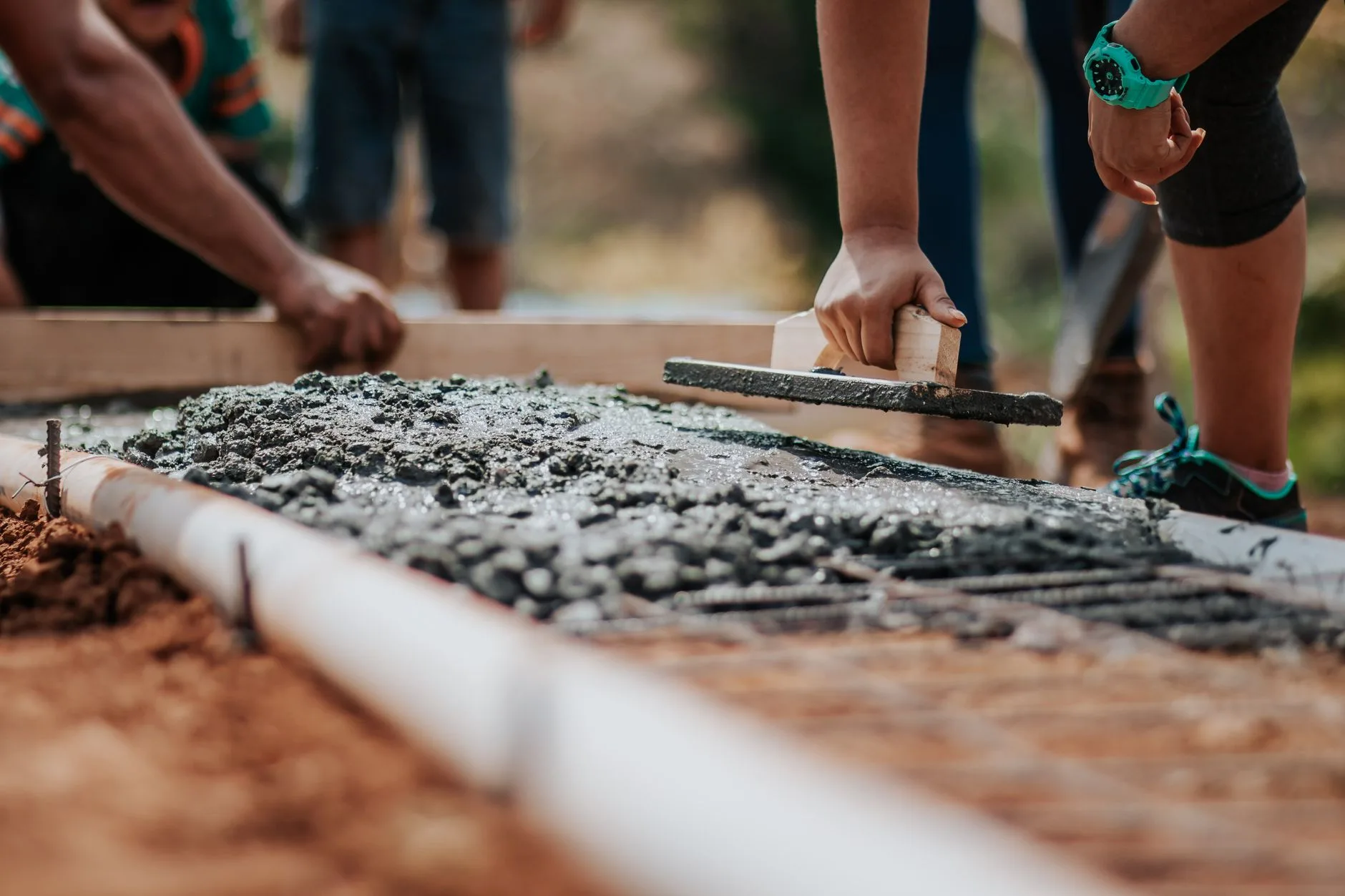
Labour, Groundwork and Waste Costs
Labour is not just laying slabs. A proper patio is a small construction project, and the hidden layers decide how long it lasts.
What the labour includes
A good quote should explain:
- Excavation: removing turf, soil, old slabs or concrete.
- Sub-base: compacted MOT Type 1 or suitable alternative.
- Bedding layer: mortar or other specified bedding system.
- Laying and cutting: including falls away from the house.
- Jointing: mortar, resin or brush-in compound.
- Waste removal: skip, grab lorry or licensed disposal.
Labour rates vary by region, but many patio teams price by the job rather than day rate. In the South East, expect stronger quotes than in some other parts of the UK. That is not a rip-off by itself. Wages, travel, waste and demand all differ.
Why sub-base depth matters
The sub-base is not the glamorous part, but it is where many cheap patios fail. Too little excavation and compaction can lead to rocking slabs, dips and puddles. For most domestic patios, installers often use around 100mm of compacted sub-base, but the exact specification depends on ground conditions and use.
If someone proposes laying new slabs directly over a tired old patio, ask why. Sometimes overlaying can work where levels, drainage and stability are right. Often it is just a shortcut.
Drainage, Edging and Access Costs
If drainage or levels are part of the quote, read our patio drainage solutions guide before accepting a cheap base specification. The Planning Portal also explains when front-garden paving may need planning permission, especially where rainwater would run onto the road rather than into a permeable area.
Drainage is the part of patio planning that sounds dull until water is sitting against the house. Then it becomes very interesting.
Drainage and planning considerations
Patios should fall away from the house and should not bridge the damp-proof course. If water will run towards buildings, drains, neighbouring land or a public pavement, get proper advice before work starts. The Planning Portal guidance on paving front gardens is especially relevant if you are paving areas where rainwater runoff could be an issue.
Most rear garden patios do not need planning permission, but levels, drainage and conservation-area rules can still matter. Raised patios, retaining walls and changes close to boundaries deserve more care. See our raised patio guide if the new surface will sit much above the existing garden.
Edging and retaining details
Edging keeps the patio neat and helps stop movement at the perimeter. A simple mortar haunch may be included. Decorative setts, brick edging, sleepers or metal edging will cost more.
Steps, retaining edges and level changes can add hundreds or thousands depending on complexity. If the patio needs to meet bifold doors, a lawn, a side path and an old drain cover, allow for more cutting and detail than a simple rectangle.
Where to Save Money Without Regretting It
There are sensible ways to reduce patio cost. The trick is saving on choices you can see and change, not on the structure you cannot.
Keep the shape simple
A rectangle or clean L-shape is cheaper than curves and complicated borders. Curves mean more cuts, more waste and more time. If budget is tight, use planting and furniture to soften a simple shape rather than asking the paving layout to do everything.
Large-format slabs can reduce joint lines, but they are heavy and may need more careful handling. The cheapest labour option is often a simple layout with a commonly used slab size.
Choose a mid-range slab
You do not need the most expensive porcelain or natural stone for a good-looking patio. A decent mid-range sandstone, limestone or concrete slab can look excellent if the design is proportioned well and the pointing is tidy.
I would spend on:
- Good preparation: excavation, sub-base and compaction.
- Clean edges: borders, cuts and transitions that look intentional.
- Useful size: enough space for furniture without paving the whole garden.
- Planting: planters and beds that stop the patio feeling bare.
Do some preparation yourself, carefully
You may save money by clearing furniture, lifting loose old slabs, removing easy planting or improving access. Do not take on excavation or drainage unless you know what you are doing. A contractor may not want to build over a base they did not prepare, and rightly so.
Where Not to Cut Corners
For front gardens and driveways, GOV.UK has separate permeable surfacing guidance that explains why runoff control, soakaways and rain gardens matter. It is not a patio price list, but it is a useful guardrail when a quote includes new paving close to the house or highway.
Some savings are false economy. They make the quote cheaper and the future repair bill larger.
Do not skimp on the base
The base is the patio. The slabs are the finish. If the base moves, the whole thing suffers. I would be suspicious of any quote that is vague about excavation depth, sub-base material or compaction.
Ask the installer to describe the build-up in plain English. You do not need to become a landscaper, but you should know what layers are going under the slabs.
Do not ignore drainage
A patio that sends water towards the house is a problem. A patio that traps water in a low corner is annoying every time it rains. Drainage channels, soakaways, permeable areas or design changes may add cost, but they are cheaper than living with puddles or damp worries.
If your current patio already puddles, tell the installer. Do not assume the new surface will magically fix it unless drainage is part of the plan.
Questions to Ask Before Accepting a Quote
The best quote is not always the cheapest or the longest. It is the one that makes the job clear.
Ask these before saying yes
Use this list before accepting:
- What exactly is being excavated and removed? Ask about old slabs, soil, concrete and waste.
- What sub-base depth and material are included? Get the build-up in writing.
- How will the patio drain? Ask where rainwater will go.
- Are cuts, edging and steps included? These can change the price.
- Who supplies the slabs? If you supply them, clarify responsibility for breakages and delays.
- What jointing compound is included? Cheap jointing can spoil a good patio.
- How long is the work expected to take? Weather can delay it, but you need a sensible plan.
Get comparable quotes
Try to get at least two or three quotes based on the same brief. If one is much cheaper, compare the details rather than celebrating too early. It may exclude waste, drainage, VAT, sealing, edging or difficult cuts.
A good contractor will not mind reasonable questions. The ones who get irritated when you ask about drainage and base preparation are doing you a favour by showing you early.
Example Budgets for Common UK Patios
These are not fixed quotes, but they help frame what is normal.
Budget family dining patio
A 16m2 concrete or budget sandstone patio with decent access might cost around £2,000-3,800. Keep the shape simple, avoid raised areas, and use planting rather than expensive borders to soften the edges.
This is the sensible option if you mainly want a clean area for a table, barbecue and a few pots. It will not have the glossy look of porcelain, but it can be perfectly good if laid well.
Mid-range porcelain patio
A 22m2 porcelain patio for a modern extension might cost around £4,500-8,000. That assumes good access, a proper base, careful cuts and decent jointing. Add more if you need steps, drainage channels, retaining work or awkward levels.
This is where I would be picky about installers. Porcelain rewards careful work and exposes rushed work.
Larger landscaped patio
A 40m2 patio with zones, edging, steps and drainage could cost £8,000-15,000+. At this point, you are not just buying a paved area. You are shaping the garden. It may be worth spending some money on design advice before committing to a big hard-landscaping job.
Large patios can feel sterile without planting, shade and lighting. Our patio materials comparison can help narrow the finish before you start asking for quotes.
Final Verdict
For a typical UK home in 2026, a realistic new patio budget is £120-250 per m2 installed, with small simple patios starting around £1,500-3,000 and larger or premium projects reaching £6,000-12,000+. The main cost drivers are material, access, excavation, drainage, edging and the level of finish.
My advice is simple: choose a size you will actually use, spend properly on the base and drainage, then pick the nicest material that still leaves budget for furniture and planting. A patio is not finished when the last slab is laid. It becomes useful when there is shade, seating, lighting, planters and enough room to pull a chair out without landing in the flower bed.
Frequently Asked Questions
How much does a patio cost per square metre in the UK?
Most professionally installed patios cost around £120-250 per square metre in 2026. Basic concrete can be lower, while porcelain, premium stone, awkward access, steps or drainage work can push the price above £280 per square metre.
What is the cheapest type of patio to install?
Basic concrete paving is usually the cheapest patio material to install. It is practical and widely available, but it will not look as premium as sandstone, limestone or porcelain. A simple shape and good access also help keep labour costs down.
Is porcelain paving worth the extra cost?
Porcelain paving can be worth it if you want a crisp, low-absorption, modern patio that is easy to clean. It costs more to buy and install, and it needs careful laying. Poorly installed porcelain is not a bargain, even if the slabs look good.
Do I need planning permission for a new patio?
Most rear garden patios do not need planning permission, but drainage, raised levels, conservation areas and front garden paving can change the position. If water runoff, height or boundaries are involved, check Planning Portal guidance or ask your local authority before work starts.
Can I lay a patio myself to save money?
You can lay a small simple patio yourself if you are comfortable with excavation, levels, compaction, cutting and drainage. For larger patios, porcelain, raised areas or drainage-sensitive jobs, a good professional installer is usually worth the cost.