You love the idea of a beautiful garden. You hate the idea of spending every weekend maintaining it. Join the club — half the gardens in Britain start the year with big ambitions and end it as overgrown guilt trips. A low-maintenance garden isn’t about giving up on aesthetics. It’s about designing something that looks brilliant without demanding your every spare hour.
In This Article
- What Low-Maintenance Actually Means
- Hard Landscaping: The Backbone of Easy Gardens
- Choosing Plants That Look After Themselves
- Ground Cover Plants That Suppress Weeds
- Lawn Alternatives for Less Mowing
- Mulching: The Single Best Time-Saver
- Watering Systems That Run Themselves
- Low-Maintenance Borders and Beds
- Container Gardening for Easy Colour
- Dealing with Weeds the Smart Way
- Seasonal Tasks: A Minimal Calendar
- Frequently Asked Questions
What Low-Maintenance Actually Means
Low-maintenance doesn’t mean no maintenance — it means less frequent, less demanding, and more enjoyable when you do it. A properly designed low-maintenance garden needs about 2-3 hours per week during the growing season and almost nothing in winter. Compare that to a high-maintenance garden with bedding plants, a pristine lawn, and topiary that can easily swallow 8-10 hours a week.
The UK Climate Advantage
The UK climate is actually perfect for low-maintenance gardening. We get enough rain to keep most plants alive without constant watering (most years, anyway), our winters kill off many pests naturally, and the temperate conditions suit a huge range of tough, self-sufficient plants. The RHS recommends designing for your conditions rather than fighting them — which is exactly what low-maintenance gardening is about.
Who This Is For
- Time-poor homeowners who want kerb appeal without weekend slavery
- Older gardeners who love their garden but find the physical work harder than it used to be
- New homeowners inheriting an overgrown mess who want to start smart
- Anyone who’s killed enough bedding plants to know they need a different approach
I redesigned my own back garden three years ago with low-maintenance principles after spending more time maintaining it than enjoying it. The difference is transformative — I actually sit in it now instead of working in it.
Hard Landscaping: The Backbone of Easy Gardens
The more ground you cover with permanent, hard surfaces, the less there is to maintain. That doesn’t mean paving over everything — it means being strategic about where you put paths, patios, and raised beds.
Patio and Seating Areas
A generous patio (at least 3m × 3m for a table and chairs) eliminates a chunk of lawn or border. Porcelain paving tiles are the lowest maintenance option — they don’t absorb water, don’t grow algae easily, and clean with a pressure washer once a year. Expect to pay £40-80 per square metre for porcelain, including installation. For more on patio materials, check our patio materials comparison guide.
Gravel Areas
Gravel with a weed membrane underneath is one of the cheapest and most effective low-maintenance surfaces. A 20mm decorative gravel over landscape fabric keeps weeds down for years. Cost: about £3-5 per square metre for the gravel itself, plus £1-2 per square metre for the membrane.
Raised Beds
Raised beds are easier to weed (less bending), drain better (fewer waterlogged plant casualties), and create defined borders that look intentional. They also contain the planting area, which stops plants sprawling across paths. A timber raised bed kit starts at about £50-80 from B&Q or Wickes for a 1.2m × 0.6m bed.
Paths
Defined paths between garden areas prevent lawn edges from degrading and reduce the trampled-mud look. Stepping stones through gravel or bark chips create structure with minimal effort. The key is making paths wide enough (at least 60 cm) that they don’t feel cramped.
Choosing Plants That Look After Themselves
The right plant in the right place is the first law of low-maintenance gardening. We tested dozens of perennials and shrubs in our garden over three growing seasons, and the winners were always the ones that thrived on neglect.
Evergreen Shrubs (The Backbone)
Evergreens provide year-round structure and never need replanting:
- Lavender — drought-tolerant, attracts pollinators, smells wonderful. Trim after flowering. About £5-8 per plant from garden centres.
- Hebe — compact, flowers through summer, comes in dozens of varieties. Hardy to about -10°C. About £8-12.
- Skimmia — shade-tolerant evergreen with red berries in winter. Perfect for north-facing spots. About £12-18.
- Photinia ‘Red Robin’ — glossy red new growth, fast-growing, clips into shape. About £15-25.
- Euonymus — bulletproof evergreen, variegated varieties brighten dark corners. About £8-15.
Perennials That Come Back Every Year
Unlike bedding plants (which need replacing every season), perennials return year after year:
- Geraniums (Hardy) — not to be confused with pelargoniums. True hardy geraniums are indestructible, flower from May to October, and spread to fill gaps. ‘Rozanne’ is the gold standard.
- Japanese anemones — elegant white or pink flowers from August to October. Once established, they need zero attention.
- Sedums — succulent-type perennials that thrive in poor soil and full sun. ‘Autumn Joy’ is a classic.
- Crocosmia — dramatic orange or red flowers in late summer. Spreads naturally to fill spaces.
- Astrantia — delicate star-shaped flowers, loves partial shade, self-seeds gently.
Ornamental Grasses
Grasses add movement and texture with almost no effort. Cut them back once in February and they do everything else themselves:
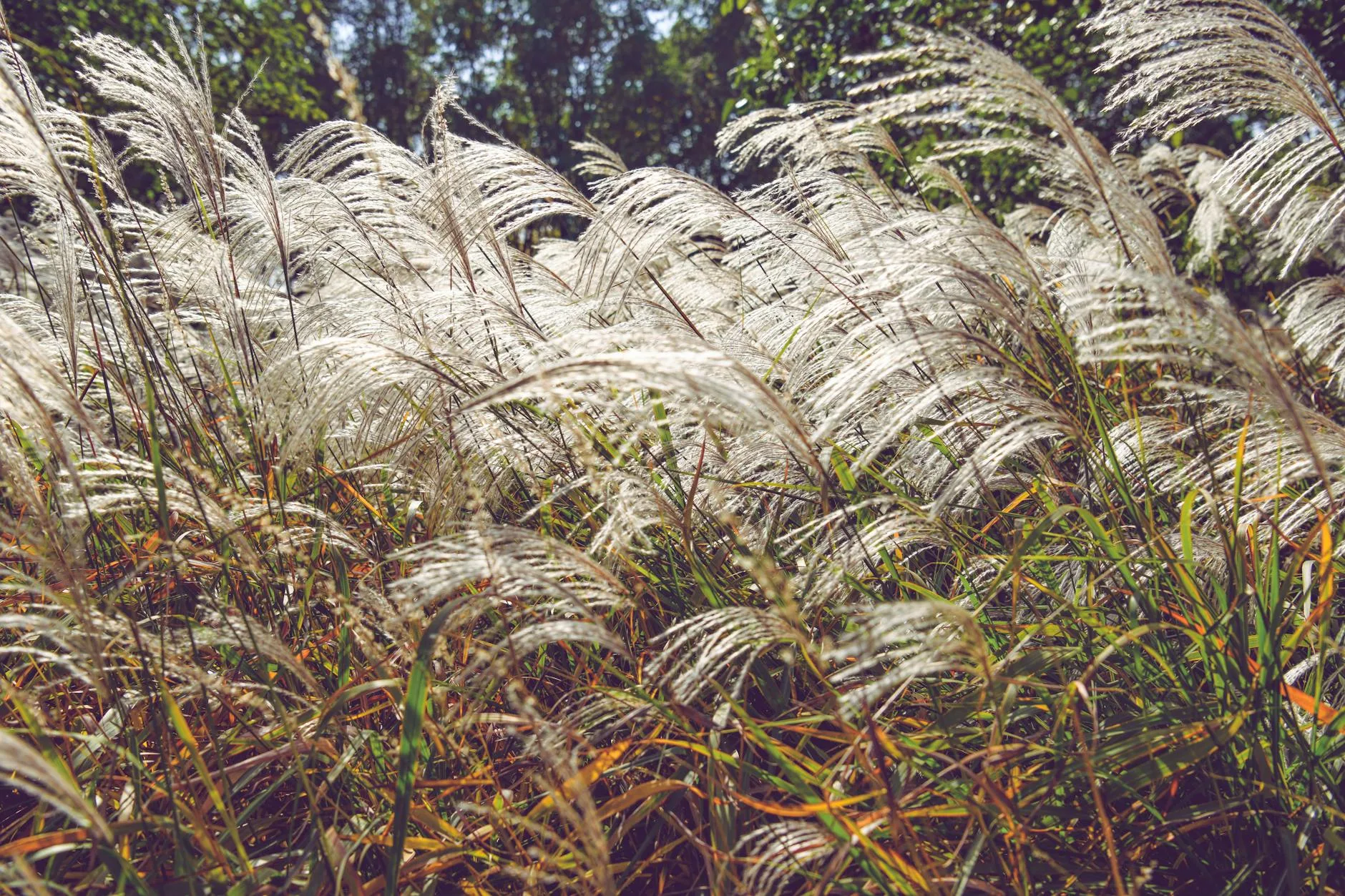
- Miscanthus sinensis — tall (1.5-2m), dramatic plumes in autumn, stunning winter silhouette
- Stipa tenuissima — feathery, moves in the slightest breeze, self-seeds to fill gaps
- Pennisetum — bottlebrush flower heads, compact enough for borders
Ground Cover Plants That Suppress Weeds
Ground cover plants are nature’s mulch. They spread to fill bare soil, blocking light and preventing weed germination. Once established (usually after one growing season), they reduce weeding to almost nothing.
Best Ground Cover for Sun
- Thymus serpyllum (creeping thyme) — aromatic, flowers purple in summer, handles foot traffic. Perfect between paving slabs.
- Sedum acre — yellow flowers, evergreen, tolerates drought and poor soil
- Alchemilla mollis (lady’s mantle) — frothy yellow-green flowers, self-seeds, works in sun or partial shade
Best Ground Cover for Shade
- Vinca minor (lesser periwinkle) — blue flowers, evergreen, vigorous in shade. Can be invasive, so use in contained areas.
- Pachysandra terminalis — dense, glossy evergreen. Slow to establish but essentially maintenance-free once going.
- Heuchera — colourful foliage (purple, lime, bronze), semi-evergreen. About £8-12 per plant.
How to Establish Ground Cover
Plant ground cover plants about 30 cm apart and mulch between them with bark chips. Water weekly for the first summer. After that, they fend for themselves. The first year they sleep, the second year they creep, the third year they leap — as the old gardening saying goes.
Lawn Alternatives for Less Mowing
If mowing is the task you hate most, you have options. A traditional lawn needs mowing weekly from March to October — that’s roughly 30 mowing sessions per year. After maintaining lawns for years, I’ve come to think the traditional British obsession with perfect stripes is the single biggest time sink in gardening.
Option 1: Smaller Lawn
You don’t have to eliminate the lawn entirely — just reduce it. Replace the difficult bits (under trees, narrow strips, slopes) with gravel or ground cover, and keep a smaller, easy-to-mow rectangle. A smaller lawn with a robot mower is essentially zero-maintenance.
Option 2: Wildflower Meadow
Convert part of the lawn to a wildflower meadow. Mow once in late autumn, rake off the cuttings, and leave it alone the rest of the year. A wildflower seed mix costs about £15-30 per 100 square metres from specialist suppliers. The first year looks rough; by year two, it’s genuinely beautiful.
Option 3: Artificial Grass
Controversial, but honest: artificial grass looks decent, needs no mowing, and lasts 10-15 years. It does need brushing and occasional hosing. Cost: £50-80 per square metre installed. Not great for the environment (non-recyclable plastic, heat island effect) but very low maintenance. Not recommended by the RHS, but widely used.
Option 4: Chamomile or Clover Lawn
Chamomile (‘Treneague’ variety — non-flowering) makes a fragrant, low-growing lawn alternative that needs mowing about 4 times per year. White clover is even tougher, fixes nitrogen in the soil, and stays green in drought. Neither looks like a traditional lawn, but both look attractive in their own way.

Mulching: The Single Best Time-Saver
If you do one thing from this entire article, mulch your borders. A 5-8 cm layer of organic mulch (bark chips, composted wood chip, or garden compost) applied once a year in spring:
- Suppresses weeds by blocking light to the soil surface
- Retains moisture so you water less
- Feeds the soil as it breaks down
- Looks tidy — instant neat-garden effect
Which Mulch to Use
- Bark chips (£4-6 per 60-litre bag from B&Q): Long-lasting, attractive, ideal for borders. Lasts 2-3 years before needing topping up.
- Composted wood chip (free from tree surgeons or about £40 per cubic metre delivered): The best all-rounder. Feeds the soil as it decomposes.
- Garden compost (homemade or about £5 per 50-litre bag): Best for feeding soil, but breaks down in one season and doesn’t suppress weeds as well.
- Gravel (£3-5 per square metre): Permanent, no decomposition, but doesn’t feed the soil. Best for Mediterranean-style planting.
How to Mulch Properly
- Weed the area thoroughly first — mulch suppresses new weeds but won’t kill established ones
- Water the soil well
- Spread mulch 5-8 cm deep, keeping it away from plant stems (touching stems causes rot)
- Top up annually in March or April
After three years of consistent mulching, my borders went from weekly weeding to a 10-minute pull-out session once a month. It’s the closest thing to magic in gardening.
Watering Systems That Run Themselves
Hand-watering is time-consuming and easy to forget. An automated system pays for itself in plant survival alone.
Drip Irrigation
A simple drip irrigation system connects to an outdoor tap via a battery-operated timer. Water drips slowly to the base of each plant through micro-tubes. No waste, no effort.
- Hozelock Easy Drip Kit (about £35 from Amazon UK): Covers up to 15 plants. Plug-and-play setup.
- Battery timer (about £25 from Screwfix): Screws onto the tap, turns water on and off automatically.
- Total cost: About £60 for a complete system that runs indefinitely.
Soaker Hoses
A soaker hose weeps water along its entire length when connected to a tap. Lay it through borders under mulch, connect to a timer, and forget about it. About £15-20 for a 15-metre soaker hose.
Self-Watering Containers
For pots, self-watering containers have a built-in reservoir that wicks water up to the compost as needed. They reduce watering from daily to once or twice a week. Lechuza and Stewart are the main UK brands — expect to pay £15-40 per pot depending on size.
Low-Maintenance Borders and Beds
The secret to borders that look after themselves is layered planting — tall at the back, medium in the middle, low at the front — with plants chosen for the same growing conditions.
The “Bones” Approach
Start with 3-5 structural shrubs or grasses that provide year-round interest. Fill between them with reliable perennials. Add bulbs for spring colour that requires zero effort after planting. We found that borders designed this way look intentional even when slightly overgrown — which is exactly the point.
A Low-Maintenance Border Recipe (for a 3m × 1m bed in sun)
Back row (tall):
- 1 × Miscanthus ‘Morning Light’ (ornamental grass, 1.5m)
- 1 × Photinia ‘Red Robin’ (evergreen, 1.5m, clip once yearly)
Middle row:
- 3 × Lavender ‘Hidcote’ (evergreen, aromatic, 45 cm)
- 2 × Geranium ‘Rozanne’ (perennial, flowers May-October)
- 1 × Sedum ‘Autumn Joy’ (perennial, late colour)
Front row:
- 5 × Stipa tenuissima (small grass, 30 cm)
- Creeping thyme between any gaps
Bulbs (planted between everything):
- 50 × Crocus (February flowers)
- 30 × Narcissus ‘Thalia’ (April flowers, white)
Total cost: about £100-130. Annual maintenance: trim lavender after flowering, cut grasses back in February, add mulch in March. That’s it.
Container Gardening for Easy Colour
Containers give you colour exactly where you want it — by the front door, on the patio, along a path — without committing to permanent borders. For tips on keeping weeds from ruining your patio, we have a dedicated guide.
Low-Maintenance Container Plants
- Box balls (Buxus): Clip once in June. Green all year. Classic. About £20-40 per plant depending on size.
- Hydrangeas: Big, showy flowers from July to September. Hardy. Need regular watering in pots but otherwise undemanding.
- Hostas: Dramatic foliage, love shade, virtually indestructible in pots (and slugs can’t climb glazed pots as easily).
- Ornamental grasses: Hakonechloa or Carex in pots look elegant with zero effort.
Container Tips
- Use the biggest pots you can — larger pots dry out slower and need less frequent watering
- Mix slow-release fertiliser granules into the compost at planting time — feeds for 6 months without you doing anything
- Stand pots on feet (pot risers, about £5 for a set of 3) to improve drainage and prevent waterlogging
Dealing with Weeds the Smart Way
You’ll never eliminate weeds entirely, but you can make them a minor nuisance rather than a constant battle.
Prevention Over Cure
- Mulch everything — the single most effective weed prevention
- Plant densely — no bare soil means no space for weeds to germinate
- Use weed membrane under gravel paths and decorative stone areas
- Don’t let weeds flower — one dandelion produces 2,000+ seeds. Pull them before they set seed and you reduce next year’s problem
Quick Weeding Techniques
- Hoe on dry days: A sharp Dutch hoe slices weed seedlings off at the root in seconds. Do this on a dry, sunny day and the weeds desiccate on the surface. Five minutes with a hoe saves an hour of hand-weeding later.
- Boiling water for paths: Pour boiling water directly on weeds growing between paving slabs. Free, instant, chemical-free.
- Flame weeding: A garden flame gun (about £25 from Amazon UK) wilts weeds in seconds. Satisfying, effective, and safe on hard surfaces.
What to Avoid
- Bare soil: Nature fills bare soil with weeds. Always have a plan for every square centimetre.
- Imported soil without checking: Topsoil and compost from unknown sources can introduce weed seeds. Buy from reputable suppliers.
- Gravel without membrane: Gravel alone doesn’t stop weeds — it just makes them harder to pull out. Always use landscape fabric underneath.
If you’re planning a garden layout from scratch, factoring in weed prevention at the design stage saves years of frustration.
Seasonal Tasks: A Minimal Calendar
A low-maintenance garden still needs some love — just not much. Here’s the stripped-back annual calendar:
Spring (March-April) — 3-4 Hours Total
- Top up mulch on borders (biggest single job of the year)
- Cut back ornamental grasses
- Trim lavender if not done in autumn
- Check irrigation system connections
- Plant any new additions
Summer (May-August) — 1-2 Hours per Week
- Deadhead roses and perennials (optional — most low-maintenance plants don’t need it)
- Mow lawn if you have one (or let the robot mower handle it)
- Check automated watering is working
- Enjoy the garden — this is the whole point
Autumn (September-November) — 2-3 Hours Total
- Clear fallen leaves from paths and paving (a leaf blower makes this 5 minutes instead of 30)
- Cut back perennials that have gone over (or leave them for winter interest — your choice)
- Plant spring bulbs (30 minutes of effort for months of colour)
Winter (December-February) — Almost Nothing
- Enjoy the evergreen structure
- Plan any changes for spring
- Clean and oil garden tools (optional but extends their life)
Frequently Asked Questions
How much does it cost to create a low-maintenance garden from scratch? A basic redesign for a typical UK back garden (10m × 6m) costs about £500-1,500 if you do the work yourself, or £3,000-8,000 with professional landscaping. The biggest costs are hard landscaping (patio, paths, gravel) and structural plants. The investment pays back in reduced maintenance time and fewer replacement plants over the years. Starting small — one border at a time — spreads the cost.
Can I make an existing garden low-maintenance without starting over? Yes. Start by replacing annual bedding plants with perennials and evergreen shrubs. Add a thick mulch layer to all borders. Consider reducing the lawn area by extending a patio or adding a gravel area. Replace high-maintenance hedges (like privet, which needs trimming 3-4 times a year) with slower-growing alternatives like yew (one trim per year). Each change reduces the workload incrementally.
Is a low-maintenance garden bad for wildlife? Not at all — it can be better. Dense ground cover provides habitat for insects and small mammals. Leaving grasses and perennials standing through winter provides seed heads for birds and shelter for overwintering insects. Wildflower meadow areas (which need mowing only once a year) support more biodiversity than a manicured lawn. Mulched borders support worm and beetle populations. The key is diversity of planting, not frequency of maintenance.
What’s the lowest-maintenance surface for garden paths? Gravel over weed membrane is the cheapest and easiest to maintain. Porcelain paving is the most durable — it resists algae, frost damage, and staining, and just needs a pressure wash once a year. Bark chip paths are inexpensive but need topping up annually. Avoid wooden decking, which requires annual treatment and becomes slippery without it.
Should I use weed killer in a low-maintenance garden? Ideally, no. A well-designed low-maintenance garden with mulch, ground cover, and weed membrane should keep weeds manageable without chemicals. If weeds are persistent in hard-to-reach areas (between paving, along fence lines), spot-treat with a glyphosate-based product rather than blanket spraying. The goal is to make the design do the work so chemical intervention is rarely needed.
Keep reading on Plot & Patio: Best Low-Maintenance Plants for UK Gardens, How to Create Garden Zones for Different Uses, Small Garden Ideas: 15 Ways to Maximise a Tiny UK Garden, Best Garden Screens 2026 UK: Privacy & Wind Protection.