There’s a particular moment of regret that comes from buying the wrong wheelbarrow. It usually arrives about ten minutes into your first real job with it — maybe hauling wet soil from the back of the garden, or shifting a load of gravel from the drive to a new border. The wheel’s stuck, the handles dig into your palms, and the whole thing tips sideways because you loaded it wrong. A good wheelbarrow makes garden work noticeably easier. A bad one makes you curse every trip. I’ve owned four wheelbarrows in the last decade, from a £25 plastic thing to my current Walsall Wheelbarrow — and the difference is night and day.
In This Article
- What a Wheelbarrow Actually Does (And Why It Matters)
- Types of Wheelbarrow Explained
- Wheel Options: Pneumatic, Solid & Ball Wheels
- Materials: Steel, Poly & Galvanised
- Capacity and Load Weight: How Much Do You Need?
- Handle Design and Ergonomics
- Best Wheelbarrows in the UK
- Maintenance Tips to Make It Last
- Frequently Asked Questions
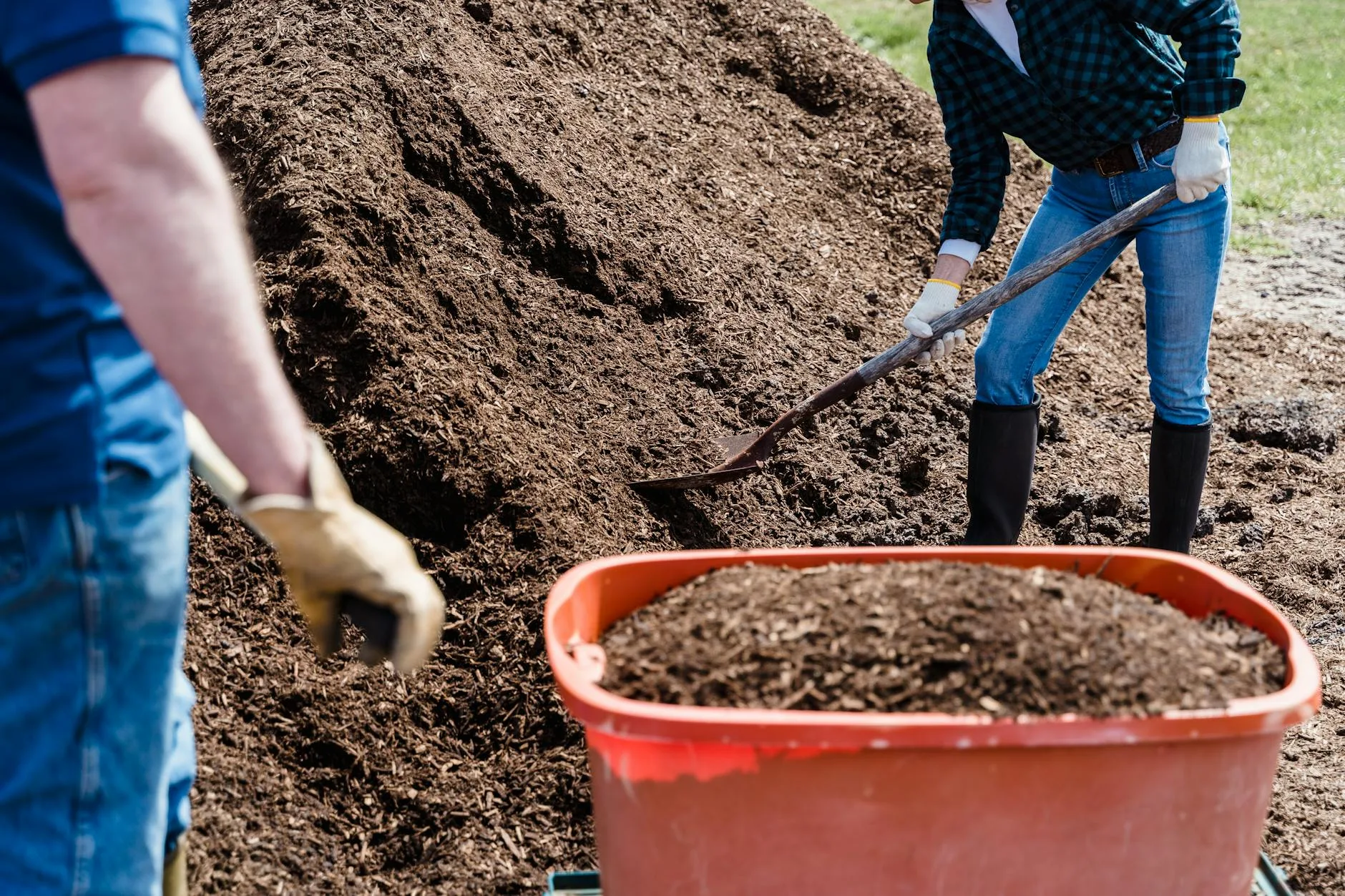
What a Wheelbarrow Actually Does (And Why It Matters)
A wheelbarrow is a lever on a wheel. The wheel acts as the fulcrum, your arms provide the lifting force, and the load sits between. This basic physics means that wheel position, handle length, and load placement all affect how heavy the job feels.
The Leverage Effect
The closer the load is to the wheel, the less force you need to lift the handles. That’s why front-heavy loading is key — pile your soil or compost toward the front of the tray, not the back. A properly loaded wheelbarrow can carry 80kg while feeling like 20kg at the handles. Loaded backwards, that same weight feels like you’re deadlifting your patio.
Garden Size Matters
If you’re working a typical UK back garden — say 10-15 metres from shed to border — almost any wheelbarrow will do the job. The RHS wheelbarrow guide agrees — for small gardens, don’t overthink it. But if you have a larger plot, an allotment, or regularly shift heavy materials like aggregate and wet soil, the difference between a £30 B&Q special and a £100 builder’s barrow is enormous. After three years of using a cheap poly barrow on my allotment, upgrading to a proper galvanised steel one was revelatory.
Types of Wheelbarrow Explained
Traditional Single-Wheel Wheelbarrows
The classic design: one wheel at the front, two handles at the back. These are manoeuvrable, easy to tip for unloading, and can navigate narrow garden paths. The trade-off is that they require you to balance the load — tip too far left or right and you’re wearing your compost.
This is the right choice for most gardeners. They handle everything from leaf clearing to soil moving, and the single wheel lets you pivot around tight corners. For general garden use, you’ll use this 90% of the time.
Two-Wheel (Dual-Wheel) Wheelbarrows
Two wheels at the front provide stability but sacrifice manoeuvrability. You don’t need to balance the load, which is great for heavy materials or if you have back problems. The downside: they’re wider, harder to steer around obstacles, and you can’t easily tip them to one side for unloading.
Two-wheel models work best on flat ground — allotments, large lawns, building sites. On uneven terrain or narrow paths between raised beds, they’re frustrating. I tried a two-wheel model on my allotment for a season and gave up — the paths are too narrow and the ruts too deep.
Ball Wheelbarrows
These use a single large ball instead of a traditional wheel. The ball distributes weight across soft ground without sinking — brilliant for muddy allotments and soft lawns in winter. They’re more expensive (£80-150) and the ball can be awkward to replace if it punctures, but for wet clay soil, nothing else comes close.
The Walsall Wheelbarrow Company makes the best-known ball barrow in the UK, and it’s a genuine problem-solver if your garden turns to mud between October and March.
Folding and Compact Wheelbarrows
Canvas or poly tubs on folding metal frames. These store flat, which is useful if shed space is tight. They handle light jobs — leaves, garden waste, small amounts of compost — but won’t cope with heavy loads. Expect them to last 2-3 seasons before the fabric tears or the frame bends.
Wheel Options: Pneumatic, Solid & Ball Wheels
Pneumatic (Air-Filled) Tyres
The standard choice. They absorb bumps, roll smoothly over rough ground, and provide good grip. The obvious downside: punctures. A flat tyre on a wheelbarrow is maddening because you can’t just swap it like a bike tyre — you usually need to remove the whole axle assembly.
Keep a puncture repair kit or a spare inner tube (about £5 from Screwfix or B&Q). Better yet, fill the tyre with puncture-proof sealant when it’s new. Prevention beats cure.
Solid (Puncture-Proof) Tyres
Solid rubber or foam-filled. No punctures, ever. The trade-off is ride quality — they transmit every bump directly to your arms, which is tiring over distance. They also struggle on soft ground because they don’t deform to spread the weight.
For hard surfaces — patios, drives, concrete paths — solid tyres are fine. For soft soil and lawns, pneumatic is noticeably better.
Ball Wheels
As mentioned above, a single large ball (usually inflatable) that floats over soft ground. The garden layout guide covers path planning, which is relevant here — if your paths are solid and well-laid, a ball wheel is overkill.
Materials: Steel, Poly & Galvanised
Galvanised Steel
The professional choice. Galvanised steel trays resist rust, handle heavy loads without flexing, and last 10-20 years with basic care. They’re heavier empty (about 15-20kg), which matters if you’re lifting the wheelbarrow over steps or into a raised storage area.
- Best for — heavy materials (soil, gravel, concrete), builder’s jobs, long-term use
- Price range — £60-120 for a quality model from Walsall, Haemmerlin, or similar
Painted Steel
Cheaper than galvanised but the paint chips, exposing bare steel to moisture. In a British garden, that means rust within a year or two unless you touch up chips promptly. Fine as a starter barrow, but expect to replace it within 5 years.
Poly (Plastic) Trays
Lightweight, rust-proof, and cheap (£25-50). The tray won’t corrode, but it flexes under heavy loads and becomes brittle in cold weather over time. For light garden work — shifting leaves, moving plants, carrying tools — poly is perfectly adequate.
The garden furniture cleaning guide has tips on maintaining outdoor equipment that apply to wheelbarrows too.
Capacity and Load Weight: How Much Do You Need?
Wheelbarrow capacity is measured in litres (volume of the tray) and load weight (how much it can carry). These are different things — you can fill a 100-litre tray with leaves and barely notice the weight, or half-fill it with wet soil and struggle.
Capacity Guide
- 65 litres — compact. Fine for small gardens, light jobs, carrying tools and plants. Easy to manoeuvre in tight spaces
- 85 litres — the UK standard for domestic use. Handles most garden jobs without being unwieldy. This is what most people should buy
- 100-120 litres — large. For big gardens, allotments, or regular heavy work. Harder to control when fully loaded
- 150+ litres — builder’s size. Unless you’re mixing concrete or shifting aggregate by the tonne, you don’t need this
Load Weight
Most domestic wheelbarrows are rated for 100-150kg. Builder’s barrows handle 150-200kg. Don’t trust a cheap barrow with a 200kg rating — the tray might hold the weight, but the handles and wheel bearings won’t.
Wet soil weighs about 1,600kg per cubic metre. A fully loaded 85-litre wheelbarrow of wet soil weighs roughly 130kg. Keep that in mind when you’re enthusiastically filling it.
Handle Design and Ergonomics
Wooden Handles
Traditional, warm in cold weather, and repairable (sand and re-oil). They can splinter over time and they absorb moisture, which adds weight and eventually leads to rot. The HSE recommends wearing gloves when using wooden-handled tools to prevent splinters and blisters.
Steel Handles
Stronger and lighter than wood. Cold in winter without gloves. Usually powder-coated, which chips and rusts. The best steel-handled barrows have rubber grips at the ends.
Handle Length and Grip
Longer handles give more leverage but make the barrow wider and harder to store. Standard length is about 120-140cm. If you’re over 6ft, look for handles at the longer end of that range — short handles mean you’re stooping, which is a fast track to back pain.
Rubber or foam grips at the handle ends make a significant difference during extended use. If your barrow comes with bare metal or wood ends, you can add bike handlebar grips for about £5.
Best Wheelbarrows in the UK
Best Overall: Walsall 85L Galvanised Wheelbarrow
About £70-85 from Screwfix or B&Q. Made in the UK, galvanised steel tray, pneumatic tyre, wooden handles. It’s the one you see on allotments and building sites for a reason — it just works, and it’ll outlast you. If you buy one wheelbarrow for life, make it this one.
Best Budget: Draper 65L Poly Wheelbarrow
Around £30-40 from Amazon UK or Screwfix. Light, rust-proof, and perfectly fine for a small garden. The poly tray won’t handle concrete or gravel, but for soil, compost, and garden waste it’s solid value. Expect 3-5 years from it.
Best for Soft Ground: Walsall Ball Barrow
About £100-130. The inflatable ball wheel floats over soft, wet ground where regular wheels sink. If you garden on clay soil or your allotment path becomes a canal in winter, this is worth every penny.
Best Two-Wheel: Haemmerlin 100L Twin-Wheel
Around £80-100 from builder’s merchants. Stable, no balancing required, handles heavy loads on flat ground. The twin wheels make it less nimble but much easier to use if you have back or shoulder issues.
Maintenance Tips to Make It Last
- Store under cover — even galvanised steel lasts longer out of constant rain. A shed, lean-to, or tarp is enough
- Rinse after wet work — soil and concrete residue accelerate corrosion on steel trays. A quick hose-down takes 30 seconds
- Check tyre pressure — pneumatic tyres lose air slowly. A firm tyre makes pushing easier and reduces puncture risk on rough ground
- Oil moving parts — a spray of WD-40 on the wheel bearing and any bolts once a season prevents seizing
- Sand wooden handles annually — a quick rub with medium sandpaper and a coat of linseed oil prevents splinters and extends handle life by years
Frequently Asked Questions
What size wheelbarrow do I need for a small garden? A 65-litre capacity is plenty for a small UK garden. It handles compost runs, plant moving, and garden waste without taking up too much shed space. Only go bigger if you regularly shift heavy materials.
Are two-wheel wheelbarrows better than one-wheel? They’re more stable but less manoeuvrable. Two-wheel models work best on flat, wide paths. For typical UK gardens with narrow paths, raised beds, and turns, a single-wheel model is more practical.
How do I stop my wheelbarrow tyre going flat? Add puncture-proof sealant to a pneumatic tyre when new — it seals small holes automatically. Alternatively, fit a solid rubber tyre (about £15-20 from B&Q) for permanent puncture protection, accepting the rougher ride.
Is a plastic or metal wheelbarrow better? Metal (especially galvanised steel) is stronger, longer-lasting, and handles heavier loads. Plastic is lighter, cheaper, and rust-proof. For heavy work or long-term use, metal wins. For light gardening in a small garden, plastic is fine.
How long does a galvanised wheelbarrow last? With basic care — storing under cover, rinsing after use — a quality galvanised steel wheelbarrow from Walsall or Haemmerlin should last 15-20 years. Painted steel lasts 3-5 years before rust becomes a problem. Poly trays last 3-5 years before becoming brittle.
One final check before buying: think about storage as much as carrying capacity. A large barrow is useful during landscaping, but awkward if it lives permanently in the way. For most UK gardens, the best wheelbarrow is the biggest one you can still store easily, tip safely and push through the narrowest gate or side passage you use regularly.
The RHS garden advice hub is useful when deciding whether a wheelbarrow is the right tool for the jobs you do most.
Keep reading on Plot & Patio: Hedge Trimmer Guide: How to Choose and Use Safely, How to Choose a Garden Shredder, How to Choose a Leaf Blower: Electric vs Petrol vs Battery, Secateurs vs Loppers vs Pruning Saws: Which Do You Need?.