You love the idea of a garden that looks good. You do not love the idea of spending every Saturday on your knees pulling weeds, deadheading roses, and coaxing something temperamental back from the brink of death. That’s not laziness — that’s rational time management. The good news: plenty of plants look brilliant, survive British weather, and ask almost nothing from you in return. Here are the best ones, from ground cover that smothers weeds to shrubs that essentially look after themselves.
In This Article
- What Makes a Plant Low Maintenance
- Best Low-Maintenance Shrubs
- Best Low-Maintenance Perennials
- Ground Cover Plants That Suppress Weeds
- Ornamental Grasses
- Evergreens for Year-Round Structure
- Plants for Specific Problem Areas
- Planting Tips for a Low-Maintenance Garden
- What to Avoid
- Frequently Asked Questions
What Makes a Plant Low Maintenance
The Criteria
Not all “easy” plants are equally easy. We’re looking for plants that tick most of these boxes:
- Hardy to at least -10°C — they survive a typical British winter without protection
- Drought-tolerant once established — they don’t need watering after the first year unless it’s extreme
- Disease and pest resistant — no annual spraying, no constant slug battles
- No annual pruning required — or at most a once-a-year tidy
- Self-sufficient — no staking, feeding regimes, or special soil requirements
- Long-lived — plant once, enjoy for years or decades
The Honest Trade-Off
Low-maintenance plants tend to be the workhorses rather than the showstoppers. You won’t get the drama of a dahlia border or the perfection of a rose garden without effort. What you will get is a garden that looks consistently good with minimal input — which for most people is a far better deal.
Best Low-Maintenance Shrubs
Lavender (Lavandula angustifolia)
The quintessential low-maintenance shrub. Thrives in poor, well-drained soil and full sun. Flowers from June to August, smells wonderful, attracts pollinators. Needs one hard prune per year in late summer (cut back to about one-third) to prevent it going woody and leggy. English lavender varieties like ‘Hidcote’ and ‘Munstead’ are the hardiest for UK gardens.
- Size — 60-80 cm tall and wide
- Position — full sun, well-drained soil (hates heavy clay)
- Price — about £5-8 per plant from garden centres
Hebe
Evergreen, compact, and virtually indestructible in mild UK areas. Flower spikes appear in summer in shades of purple, pink, or white. Smaller varieties (‘Red Edge’, ‘Sutherlandii’) work well in borders and containers. Larger varieties (‘Great Orme’) make good informal hedges. No regular pruning needed — just remove any frost-damaged stems in spring.
- Size — varies from 30 cm to 1.5 m depending on variety
- Position — sun to partial shade, most soils
- Price — about £6-12 per plant
Viburnum tinus
An evergreen shrub that flowers in winter (November to March) when almost nothing else does. White or pink flower clusters followed by metallic blue berries. Tolerates shade, pollution, and most soil types. One of the toughest shrubs you can plant. Needs minimal pruning — just shape it after flowering if it’s getting too large.
- Size — up to 3 m tall and wide if unchecked
- Position — sun or shade, any reasonable soil
- Price — about £10-20 per plant
Hydrangea paniculata
Unlike the fussier mophead hydrangeas, paniculata varieties are tough, reliable, and flower on new wood (so even if you prune at the wrong time, they’ll still bloom). ‘Limelight’ is the star performer — large lime-green flower heads that age to pink. Hard prune in late winter for the biggest blooms.
- Size — 1.5-2.5 m tall
- Position — sun to partial shade, moist but well-drained soil
- Price — about £12-25 per plant
Best Low-Maintenance Perennials
Geranium (Hardy Geraniums, Not Pelargoniums)
Hardy geraniums are the backbone of any low-effort garden. They flower for months, form dense ground cover that smothers weeds, tolerate most conditions, and come back reliably year after year. ‘Rozanne’ flowers from May to October — an absurdly long season. ‘Johnson’s Blue’ is another classic. Not to be confused with the tender pelargoniums sold in hanging baskets — those need winter protection.
- Size — 30-60 cm tall, spreading to 60 cm+
- Position — sun or partial shade, most soils
- Price — about £6-10 per plant
Japanese Anemones (Anemone × hybrida)
Flower in late summer and autumn when everything else is fading. Elegant pink or white flowers on tall stems that sway in the breeze. Spread gradually to form large colonies — this is a feature, not a problem, as they fill gaps beautifully. ‘Honorine Jobert’ (white) is the classic variety.
- Size — 60-120 cm tall
- Position — partial shade to sun, moist soil preferred
- Price — about £7-12 per plant
Astrantia
Intricate pincushion flowers in white, pink, or deep red throughout summer. Self-seeds gently without being invasive. Tolerates partial shade and moist soil — perfect for that tricky spot under a tree where other plants sulk. ‘Hadspen Blood’ has the richest colour. Cut back the stems after flowering for a second flush.
- Size — 60-80 cm tall
- Position — partial shade, moist soil
- Price — about £8-15 per plant
Alchemilla mollis (Lady’s Mantle)
Soft, scalloped leaves that hold raindrops like mercury. Frothy lime-green flowers in early summer. Seeds around happily — too happily for some people, but unwanted seedlings pull out easily. Makes excellent ground cover along path edges. Cut the whole plant back to the ground after flowering and fresh new leaves appear within weeks.
- Size — 40-50 cm tall
- Position — sun or shade, any soil
- Price — about £5-8 per plant
Ground Cover Plants That Suppress Weeds
The best weed suppression is plant suppression — cover the ground so densely that weeds can’t compete. These plants do exactly that.
Ajuga reptans (Bugle)
Dark bronze or purple leaves with blue flower spikes in spring. Spreads by runners to form a thick mat. Excellent under trees and in shady spots. ‘Burgundy Glow’ has multicoloured foliage that brightens dark corners.
Vinca minor (Lesser Periwinkle)
Evergreen trailing stems with blue, white, or purple flowers from spring to autumn. Covers ground rapidly and thrives in shade. The larger cousin (Vinca major) is too vigorous for small gardens — stick with minor.
Pachysandra terminalis
The ultimate shade-tolerant ground cover. Glossy evergreen leaves form a dense carpet in deep shade where virtually nothing else grows. Slow to establish but unstoppable once it gets going. Plant at 30 cm intervals for full coverage within two years.
Epimedium (Barrenwort)
Heart-shaped leaves and delicate spring flowers. Tolerates dry shade under trees — one of the few plants that genuinely thrives in this challenging condition. Cut back the old foliage in late winter before new growth appears.
Ornamental Grasses
Grasses add movement, texture, and a modern feel with zero effort. Most need cutting back once a year in late winter — that’s it.
Miscanthus sinensis ‘Morning Light’
Silver-edged leaves, graceful arching habit, feathery plumes in autumn. One of the most elegant grasses and totally self-sufficient once established. Grows to about 1.5 m. Cut to the ground in February before new growth starts.
Stipa tenuissima (Mexican Feather Grass)
Fine, wispy foliage that catches every breath of wind. Compact at about 60 cm. Seeds around a bit — either embrace the naturalistic look or pull out strays. Looks spectacular backlit by low sun. Plant in groups of three or five for the best effect.
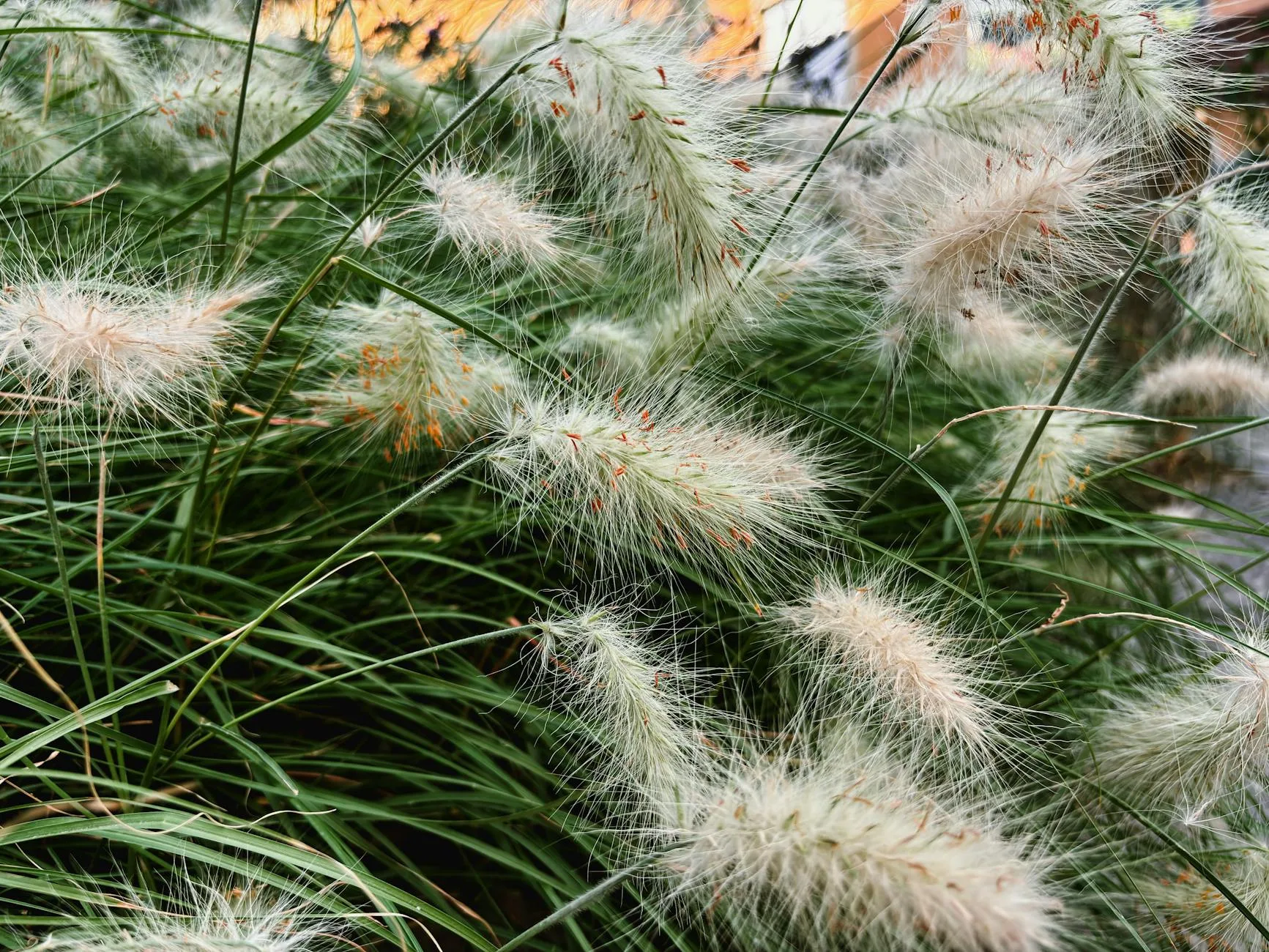
Pennisetum alopecuroides (Fountain Grass)
Fluffy bottlebrush flower heads from late summer through autumn. Compact and well-behaved at about 60-80 cm. ‘Hameln’ is the most reliable variety for UK gardens. Needs a sheltered spot in colder areas.
Evergreens for Year-Round Structure
Box (Buxus sempervirens)
The classic hedging and topiary plant. Dense, dark green foliage that responds well to clipping. Box blight has caused problems in some areas — if you’re in a blight-prone zone, consider alternatives like ilex crenata (Japanese holly) which looks very similar but resists the disease. The RHS has current guidance on managing box blight.
Photinia × fraseri ‘Red Robin’
Glossy evergreen leaves that emerge bright red before maturing to dark green. Makes an excellent screen or hedge. Tough, fast-growing, and needs only one or two clips per year to keep it tidy. One of the most popular garden shrubs in the UK for good reason.
Fatsia japonica
Architectural evergreen with huge, glossy, palmate leaves. Looks exotic but is completely hardy in most UK gardens. Tolerates full shade and pollution — brilliant for urban gardens and north-facing borders. White flower clusters appear in autumn followed by black berries.
Plants for Specific Problem Areas
Heavy Clay Soil
Many plants struggle in heavy clay, but these positively enjoy it:
- Aster — autumn colour, loves moisture-retentive clay
- Rose — most varieties thrive in clay. Choose disease-resistant modern shrub roses
- Cornus (dogwood) — coloured winter stems plus easy care
- Weigela — pink or red flowers in early summer, no fuss
Dry Shade
The most challenging garden condition. These cope well:
- Epimedium — delicate but tough
- Cyclamen hederifolium — autumn flowers, patterned leaves, goes dormant in summer
- Polypodium vulgare — an evergreen fern for dry shade. Unusual and underused
- Geranium macrorrhizum — aromatic leaves, pink or white flowers, dense ground cover
Exposed and Windy Sites
If your garden catches the wind:
- Euonymus fortunei — tough evergreen ground cover or low hedge
- Griselinia littoralis — excellent hedging for coastal and windy gardens
- Escallonia — evergreen, flowering, wind-resistant. Popular in seaside gardens
- Cotoneaster — berries for wildlife, tolerates almost anything
Planting Tips for a Low-Maintenance Garden
Mulch Everything
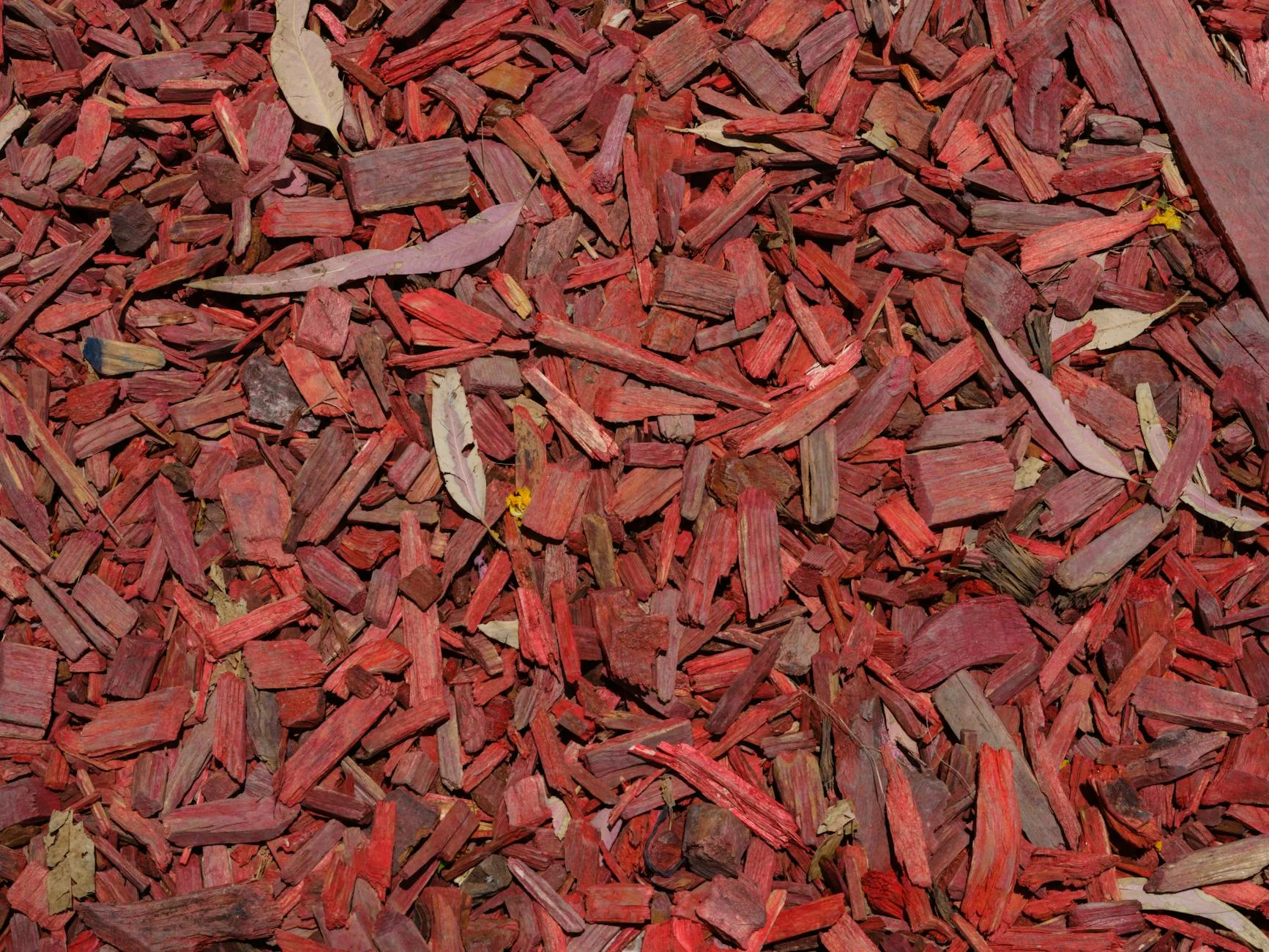
A 7-10 cm layer of bark mulch, wood chip, or composted bark between plants suppresses weeds, retains moisture, and slowly improves the soil. Apply in spring after rain. This single action reduces weeding and watering by 70-80%. It’s the lowest-effort, highest-impact thing you can do.
Plant in Groups
Three or five of the same plant together looks intentional and professional. One of each looks bitty and disorganised. Groups also create denser cover, which means fewer gaps for weeds. If you’re planning a new border, our low-maintenance garden design guide covers the layout principles.
Right Plant, Right Place
A shade-loving plant in full sun will struggle and need constant attention. A sun-lover in shade will grow leggy and weak. Matching plants to their conditions is the single biggest factor in low maintenance — get this right and the plants do the work. Check the label before buying.
Water Well at Planting, Then Leave Alone
New plants need watering regularly for the first spring and summer (roughly weekly in dry spells). After the first year, established plants in the ground rarely need supplemental watering in the UK. Container plants are a different story — they always need watering.
What to Avoid
High-Maintenance Plants
- Hybrid tea roses — need spraying, feeding, deadheading, and precise pruning
- Dahlias — need lifting and storing over winter (or risking losing them)
- Sweet peas — annual, need regular tying in and picking
- Bedding plants — planted every year, pulled out every autumn. Expensive and labour-intensive
- Fussy alpines — need specific drainage and soil conditions
- Wisteria — needs twice-yearly pruning to a specific system, or it won’t flower
Design Choices That Create Work
- Large lawns — mowing is the most time-consuming garden task. Reduce lawn area and increase planting
- Annual borders — replanting every year is the definition of high maintenance
- Formal hedging — needs multiple clips per year to stay sharp. Informal hedging (escallonia, viburnum) needs one clip at most
Frequently Asked Questions
What’s the easiest plant to grow in a UK garden? Hardy geraniums — specifically ‘Rozanne’. It flowers from May to October, tolerates sun or shade, spreads to cover ground, suppresses weeds, survives winter, and needs virtually no attention beyond cutting back old growth in spring. If you could only plant one thing, this is it.
Can I have a colourful garden without much work? Yes. Choose plants that flower at different times: lavender and geraniums for summer, Japanese anemones for autumn, viburnum tinus for winter, spring bulbs (which need no annual planting once established). Layer these through borders and you’ll have colour in every season with almost no ongoing effort.
How do I stop weeds without constant weeding? Three strategies: dense ground cover planting (ajuga, vinca, geranium macrorrhizum), thick mulch (7-10 cm of bark or wood chip), and landscape fabric beneath gravel or mulch in paths and non-planted areas. Combined, these reduce weeding to occasional spot-pulling rather than hours of work.
Are native plants lower maintenance than non-native? Not necessarily. Some native plants are extremely low-maintenance (foxgloves, primroses, ferns), while others are thuggish and need controlling (nettles, bindweed — technically native). The best approach is choosing plants suited to your specific conditions, whether native or not.
When is the best time to plant? Autumn (September to November) is ideal. The soil is still warm from summer, rain is usually reliable, and plants establish root systems over winter before growing strongly in spring. Spring planting works too but needs more watering in the first summer. Avoid planting in frozen or waterlogged ground.
Keep reading on Plot & Patio: How to Design a Low-Maintenance Garden in the UK, Shade-Loving Plants for UK Gardens: What Thrives in Dark Corners, Best Plant Supports 2026 UK: Trellises, Obelisks & Grow Frames, How to Protect Plants from Frost, Best Garden Bulbs 2026 UK: Spring, Summer & Autumn Flowering.