You’re standing in Screwfix staring at a wall of garden tools, and the bloke next to you just confidently picked up something called a “grass trimmer” while you’re still trying to work out whether you need a strimmer, an edger, or both. They look similar. Some of the packaging uses the words interchangeably. But they do different jobs, and buying the wrong one means you’ll be back here next Saturday spending money you didn’t need to spend. Let’s sort this out.
In This Article
- What Is a Strimmer?
- What Is a Lawn Edger?
- The Key Differences
- Which One Do You Actually Need?
- Can a Strimmer Do the Job of an Edger?
- Best Strimmers for UK Gardens
- Best Lawn Edgers for UK Gardens
- Cordless vs Corded vs Petrol
- Safety and Maintenance
- Frequently Asked Questions
What Is a Strimmer?
A strimmer (also called a grass trimmer, line trimmer, or weed whacker if you’ve been watching too many American YouTube videos) uses a rapidly spinning nylon line to cut grass and weeds. It’s designed for areas your lawnmower can’t reach — around fence posts, along walls, under hedges, around tree bases, and along awkward edges.
How It Works
A motor spins a spool of nylon line at high speed. The line acts like a blade, slicing through grass and soft plant stems on contact. As the line wears down or breaks, you either bump the spool to feed more line or replace the spool entirely, depending on the design.
What It’s Good At
- Reaching tight spots — around fence posts, garden ornaments, play equipment
- Cutting long or overgrown grass that a mower can’t handle
- Clearing weeds along paths, driveways, and patios
- Rough areas — banks, slopes, and uneven ground where a mower won’t go
- Quick tidying after mowing — cleaning up the bits the mower missed
What It’s Not Good At
A strimmer cuts, but it doesn’t create a clean, defined edge. Run a strimmer along the border between your lawn and a flower bed, and you’ll get a rough, uneven line. It also tends to scalp the grass if you hold it too close, leaving brown patches. For precision edging work, it’s the wrong tool.
What Is a Lawn Edger?
A lawn edger creates a clean, crisp line where your lawn meets a path, driveway, patio, or border. It cuts a vertical slice into the turf, giving you that sharp definition you see on well-kept lawns and in garden magazines.
How It Works
There are two main types:
- Rotary edgers — use a spinning metal blade oriented vertically to cut through turf and soil along the lawn edge. Powered by electric motor or petrol engine
- Manual edgers — a half-moon shaped blade on a long handle. You press it into the ground with your foot to cut the edge. No power needed, just effort
What It’s Good At
- Creating sharp, defined borders between lawn and hard surfaces
- Maintaining existing edges — keeping them crisp throughout the season
- Cutting through matted grass and roots that have crept over paths and borders
- Producing a professional finish — the difference between “tidy” and “impressive”
What It’s Not Good At
An edger only works along edges — it can’t trim grass in the middle of the lawn, around obstacles, or on slopes. It’s a specialist tool for one job. If you’ve only got 3 metres of lawn border, a manual edger or even a sharp spade will do.
The Key Differences
Cutting Angle
This is the fundamental difference. A strimmer cuts horizontally — the line spins parallel to the ground, slicing through grass at the chosen height. An edger cuts vertically — the blade goes straight down into the turf, creating a clean slice perpendicular to the surface.
Finish Quality
A strimmer gives a functional trim. An edger gives a clean architectural line. The difference is visible from across the garden. If you care about how your borders look — and you’re reading an article about garden tools, so you probably do — the edger wins on finish every time.
Versatility
Strimmers win here. They work anywhere: flat ground, slopes, around obstacles, in overgrown corners, along walls. An edger only works along the specific lines where lawn meets something else. A strimmer is the Swiss army knife; an edger is the scalpel.
Speed
For general tidying, a strimmer is faster — you can work through a typical garden in 10-15 minutes. Edging is slower and more deliberate, but you only need to do it every 2-4 weeks during the growing season. Many gardeners edge once a month and find it takes 15-20 minutes for an average garden.
Which One Do You Actually Need?
You Need a Strimmer If…
- Your garden has lots of obstacles the mower can’t get around
- You have overgrown areas, rough patches, or slopes
- You want one tool that handles most tidying tasks
- You don’t have defined borders that need sharp edges
- Budget only stretches to one tool
You Need an Edger If…
- You have paths, patios, or driveways bordered by lawn
- You want a neat, professional-looking garden
- Your lawn edges have become overgrown and messy
- You already have a strimmer and want to step up the finish
You Need Both If…
- Your garden has obstacles AND defined borders
- You’re serious about lawn care and want the full toolkit
- You maintain your garden regularly throughout the season
For most UK gardens, start with a strimmer. It handles the widest range of jobs. Add an edger later if your borders need the extra precision. If you’re working with cordless garden tools across the board, look for brands where batteries are interchangeable between the strimmer and edger.
Can a Strimmer Do the Job of an Edger?
Sort of. With practice, you can tilt a strimmer vertically and run it along a lawn edge to create a rough border. Some strimmers even have a rotating head specifically for this purpose — the handle stays the same but the cutting head pivots 90 degrees.
The Compromise
A strimmer used as an edger gives about a 70% result compared to a dedicated edger. The line is less precise than a blade, so the edge isn’t as sharp. You’ll also cut more unevenly because controlling a spinning nylon line vertically is harder than pushing a blade along a guide. For casual gardeners, it’s fine. For anyone who takes pride in crisp borders, it’s not enough.
When the Combo Works
If you have a small garden with simple, straight borders and you’re not fussed about millimetre-perfect edges, a strimmer with a rotating head covers both jobs adequately. This is the most cost-effective approach for gardens under about 100 square metres of lawn.

Best Strimmers for UK Gardens
Budget: Bosch EasyGrassCut 26 (about £50-60)
Corded electric, lightweight (1.9 kg), 26cm cutting width. Perfectly adequate for small to medium gardens with a power socket nearby. The auto-feed line system means no fiddling with spool bumps. Available at B&Q, Argos, and Amazon UK.
Mid-Range: Bosch UniversalGrassCut 18V-26 (about £90-120)
Cordless, part of the Bosch 18V system so the battery works with other tools. 26cm cutting width, good battery life for 30-40 minutes of work. The right choice for most medium-sized UK gardens. Lightweight at 2.1 kg with battery.
Premium: Stihl FSA 57 (about £170-200)
Stihl’s entry-level cordless trimmer with a 28cm cutting width and the build quality Stihl is known for. Heavier than consumer models but more robust. Available from Stihl dealers, not supermarkets — and that’s partly the point. Budget the AK battery system (about £100 extra) unless you already have one.
For Tough Jobs: Ryobi 36V Expand-It (about £130-160)
Takes interchangeable heads — strimmer, edger, hedge trimmer, pruner — on one power unit. Excellent value if you want multiple tools without multiple motors. The edger attachment (about £40 extra) gives you both tools in one system. Available at Ryobi dealers and online.
Best Lawn Edgers for UK Gardens
Manual: Spear & Jackson Half-Moon Edger (about £12-18)
The classic tool. A sharp half-moon blade on a long handle. Press it into the ground with your foot, step along the edge, done. No battery, no charging, no noise. Works brilliantly for straight edges and simple curves. This is what professional gardeners have used for decades, and there’s a good reason it hasn’t changed. Available everywhere from B&Q to your local garden centre.
Electric: Bosch UniversalEdgeCut 18V-26 (about £90-110)
Cordless, vertical blade, adjustable depth. Creates a clean edge in seconds rather than minutes. Part of the Bosch 18V battery system. Ideal if you have significant amounts of edging to maintain and want a powered solution.
Budget Power: Worx WG163E (about £70-90)
Cordless strimmer with a dedicated edging mode — the head rotates and wheels guide the blade along the edge. Not as precise as a dedicated edger, but good enough for most gardens and you get a strimmer too. A genuine two-in-one option.
Cordless vs Corded vs Petrol
Cordless (Battery)
The default choice for most UK gardens now. Modern lithium-ion batteries give 20-40 minutes of run time, which is enough for all but the largest gardens. No trailing cable, no fuel mixing, reasonably quiet. The only downside is battery cost if you’re starting from scratch — the tool plus battery plus charger often costs 50-80% more than the corded equivalent.
Corded Electric
Cheaper upfront, unlimited run time, but you’re dragging a cable around the garden. Fine for small, simple gardens. Awkward in larger or more complex layouts. The cable also limits your reach — a 25-metre extension lead covers most semi-detached gardens but not much more.
Petrol
More power, no range limitations, handles heavy-duty work. But noisy, needs fuel mixing (for 2-stroke engines), heavier, and requires more maintenance. Only worth considering for very large gardens or professional use. Most UK gardeners don’t need a petrol strimmer — the Royal Horticultural Society recommends starting with electric or cordless for typical domestic gardens.
Safety and Maintenance
Safety Basics
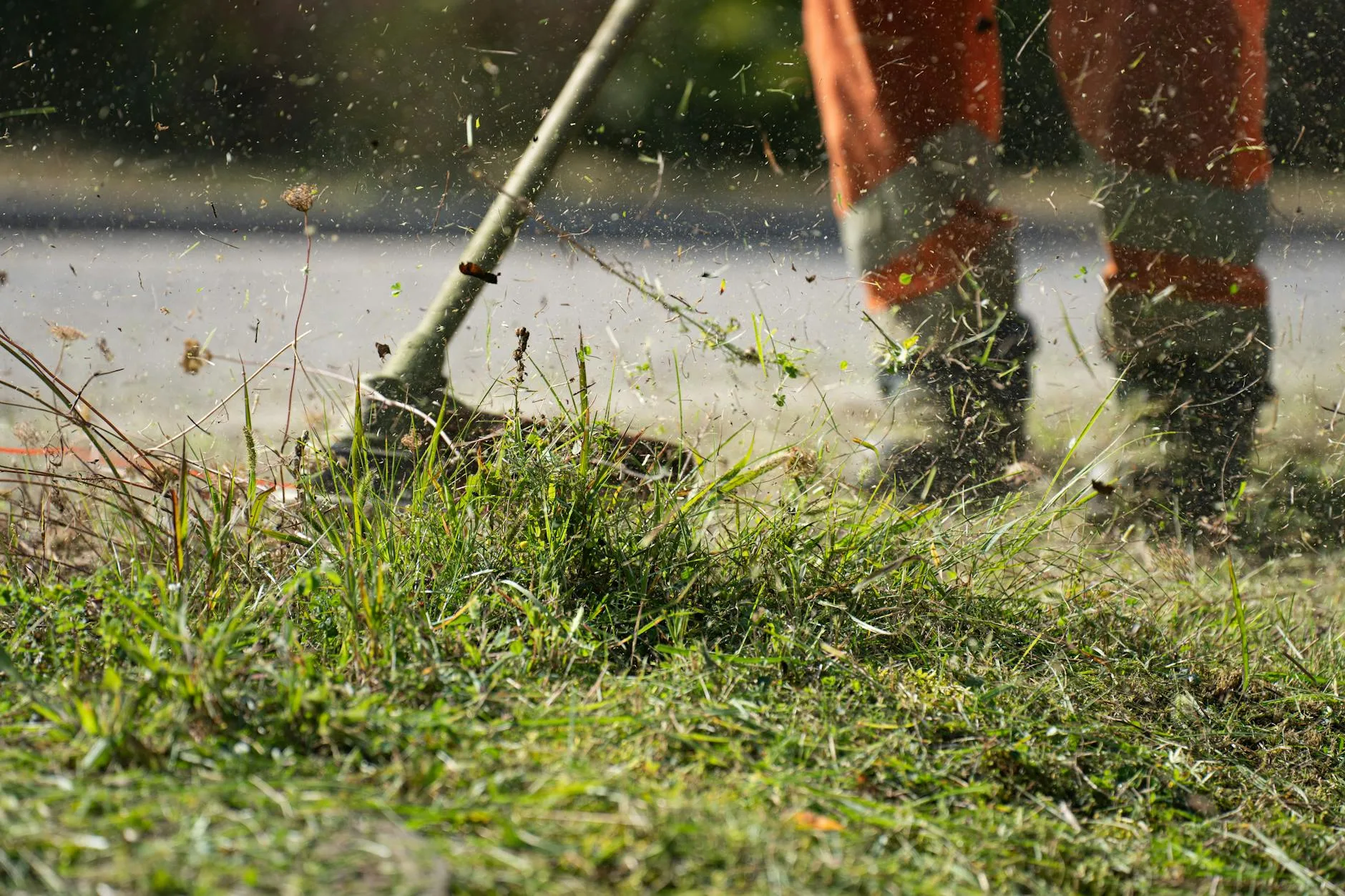
- Eye protection — essential, not optional. A strimmer throws debris at high speed. Safety glasses cost £3-5 from Screwfix
- Long trousers and closed shoes — shorts and flip-flops near a spinning line is asking for trouble
- Ear protection for petrol models — they’re loud enough to cause hearing damage over time
- Clear the area of stones, toys, and loose objects before starting. A strimmer line can launch a small stone at speed
- Keep children and pets indoors while you’re working
Strimmer Maintenance
- Replace the nylon line regularly — a fresh line cuts cleaner and faster
- Clean the spool area after each use to prevent jams
- Check the guard is securely attached before starting
- For cordless models, charge the battery after each use and store indoors over winter
Edger Maintenance
- Keep the blade sharp — a sharp edge cuts cleanly, a dull one tears
- Clean soil off the blade after use to prevent rust
- For manual edgers, a quick pass with a flat file restores the edge in minutes
- Oil metal components before winter storage
Frequently Asked Questions
Can I use a strimmer on wet grass? You can, but the results are poor. Wet grass clumps, sticks to the line, and cuts unevenly. It also clogs the guard and spool area. Wait for the grass to dry if possible. If you must trim wet grass, use a slightly longer line and work more slowly.
How often should I edge my lawn? Every 2-4 weeks during the growing season (April to October) maintains a crisp edge. If you let it go longer, grass and weeds creep over the border and you’ll need to re-cut a new edge rather than maintaining the existing one, which is harder work.
Is a 2-in-1 strimmer and edger any good? For most home gardeners, yes. Models with a rotating head that converts from trimmer to edger mode give about 80% of the performance of dedicated tools. The compromise is worth it for the convenience and cost saving, especially in smaller gardens.
What thickness strimmer line do I need? 1.6mm handles most domestic grass. 2.0-2.4mm for tougher weeds and overgrown areas. Thicker line cuts more aggressively but wears out the motor faster on smaller machines. Match the line thickness to what your strimmer manufacturer recommends.
Do I need a strimmer if I have a robotic mower? Probably yes. Robotic mowers handle the main lawn area but struggle with edges along fences, walls, and borders. A strimmer picks up what the robot misses. Some gardeners find they only strim once a fortnight with a robotic mower, rather than weekly.
Keep reading on Plot & Patio: How to Choose a Lawnmower for Your Garden Size, Flymo vs Bosch vs Einhell: Which Lawnmower Brand Wins in 2026?, Best Robotic Lawnmowers 2026 UK: Set and Forget, Best Lawnmowers 2026 UK: Cordless, Electric & Petrol.