For Japanese garden design UK homeowners can maintain, copy the discipline, not the postcard version. The aim is a calm garden with strong shapes, restrained planting and materials that age well in British rain. If you start by buying a red bridge and a stone lantern, the garden can tip into theme-park territory fast.
In This Article
- Japanese Garden Design UK: What Makes It Work
- Start With the Layout, Not the Plants
- Choose a Restrained Plant Palette
- Use Gravel, Stone and Water Carefully
- Add Structure Without Making It Look Themed
- Build It in Stages and Maintain the Calm
- Frequently Asked Questions
Japanese Garden Design UK: What Makes It Work
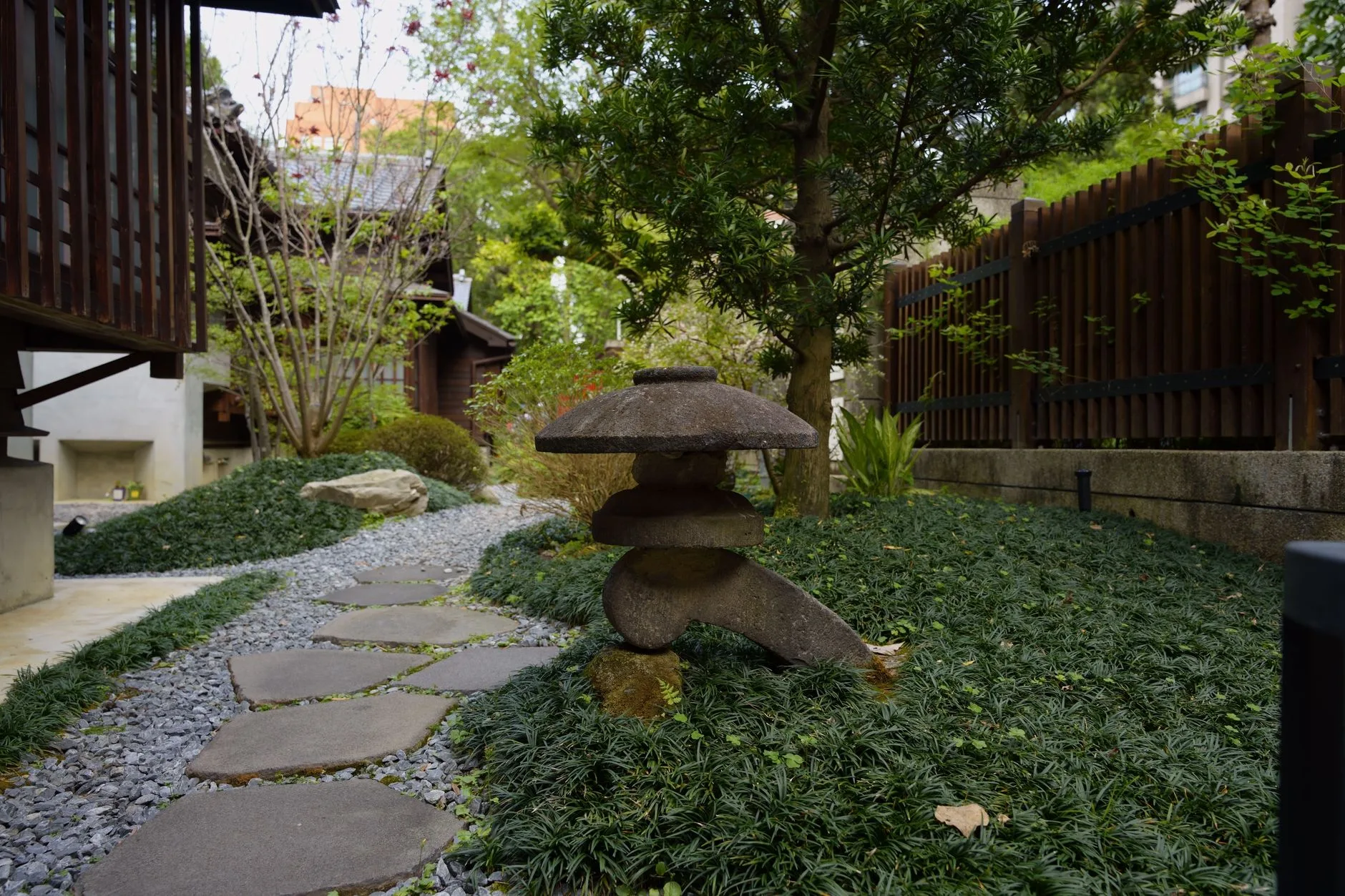
A Japanese-inspired garden is not just a normal garden with bamboo in the corner. The look comes from control: fewer materials, deliberate views, asymmetric balance and a sense that every stone, plant and path has been placed for a reason.
The RHS guide to creating a Japanese-style garden highlights naturalistic rocks, water, flowing lines, careful paths, stone lanterns, gravel and restrained planting. That is a useful starting point because it focuses on composition rather than decoration. In a UK garden, that distinction matters.
The principles to borrow
The most useful principles are:
- Restraint: use fewer plant varieties and repeat them well.
- Asymmetry: avoid mirror-image borders and dead-straight feature placement.
- Borrowed views: frame an existing tree, hedge, wall or sky rather than pretending the garden exists in isolation.
- Movement: make the route slow down with stepping stones, a slight turn, a change of texture or a framed view.
- Seasonal detail: give the garden a reason to look good in winter, spring rain, summer shade and autumn colour.
This is why a compact UK courtyard can take the idea better than a large lawn sometimes does. A 4m x 6m town garden already has enclosure, boundaries and strong sightlines. You are not fighting scale. You are editing it.
What not to copy too literally
The common mistake is treating “Japanese” as a shopping list: bamboo screen, lantern, acer, gravel, red bridge, done. That often looks flat because the objects do not relate to each other. A lantern stuck beside a plastic pond does not create calm. A single acer in a crowded mixed border does not create structure.
I would rather see one good stone, three clipped evergreen shapes, a modest gravel area and a simple timber bench than ten themed features. The quieter version ages better and is cheaper to maintain.
For a small garden, set a rough materials budget before you start. A restrained Japanese-inspired corner can be done for about £400-£1,200 if you reuse existing paving and choose young plants. A full redesign with new paving, timber screens, water feature and mature specimen plants can easily reach £3,000-£10,000 once labour is included.
Start With the Layout, Not the Plants
The layout is the starting point. Plants soften the garden later, but the calm feeling comes from paths, edges, enclosure and where your eye lands when you step outside.
Pick one main viewpoint
Start from the place you see most often: kitchen doors, patio chairs, a home-office window, or the first step into the garden. Stand there and choose one main view. That view might be a stone basin, a small tree, a curved gravel bed, a bench, or a framed patch of planting.
Do not create three competing focal points in a small garden. One strong view is enough. If the garden is long, you can add a second quieter moment halfway down, but it should feel like part of the journey rather than a separate display.
Our guide to planning a garden layout is useful here because the basic questions are the same: where you sit, how you move, what needs screening and which parts of the garden get sun.
Use a path to slow the garden down
Japanese-inspired gardens often feel larger than they are because the route is not a straight sprint. A simple stepping-stone path through gravel or low planting can make a 6m garden feel calmer by slowing your pace and changing the angle of view.
For UK gardens, I would use:
- Large stepping stones: roughly £8-£25 each from B&Q, Wickes or local stone yards.
- Self-binding gravel: often about £90-£150 per bulk bag, plus delivery.
- Slate chippings: around £6-£10 per 20kg bag for small areas.
- Timber edging: about £8-£20 per length, depending on finish and size.
Keep the path practical. If you need to wheel a bin through the garden every week, do not make a delicate stepping-stone route your only access. Use the Japanese-inspired area as a side route or viewing garden instead.
Control the boundaries
Most UK gardens are dominated by fences. You can fight that, or you can use it. A dark-stained fence, slatted screen, evergreen hedge or rendered wall gives the restrained planting something calm to sit against.
Black or dark brown timber stain costs about £18-£35 for a 2.5-litre tin from Screwfix, B&Q or Wickes. It is one of the cheapest upgrades if the existing fence is sound. I like darker boundaries because acers, ferns and clipped evergreens stand out better against them than they do against orange fence panels.
If privacy is the issue, read our garden screens guide before buying. A Japanese-inspired garden does not need a full fence replacement if one or two screens can frame the main view.
Choose a Restrained Plant Palette
Planting is where Japanese-inspired UK gardens often go wrong. Too many colours, too many flowering perennials and too much “one of everything” noise will undo the calm layout. The planting should support the shapes and seasons, not shout over them.
The backbone plants
For most UK gardens, I would build the palette around:
- Acer palmatum: the classic Japanese maple. Young plants are often £25-£70; larger specimens can be £150-£400.
- Fatsia japonica: big glossy leaves, good in shade, usually £12-£35.
- Sarcococca: evergreen, winter scent, about £10-£25 per plant.
- Pittosporum: clipped structure in mild areas, about £15-£45.
- Cloud-pruned Ilex crenata or yew: more expensive, often £80-£300+ for shaped plants.
- Ferns: Dryopteris, Polystichum and Asplenium varieties are usually £6-£15 each.
- Hakonechloa macra: soft Japanese forest grass, roughly £8-£18 per pot.
If I had to pick one tree for a small UK Japanese-inspired garden, I would choose a well-shaped acer over bamboo. It gives better seasonal change, takes pruning, and does not threaten the neighbour’s patio if you choose the right variety and container.
Be careful with bamboo
Bamboo can look brilliant, but running bamboo in a small UK garden is a headache unless contained properly. If you want bamboo, choose a clump-forming type such as Fargesia and still give it space. A decent 10-litre Fargesia is usually £35-£80 from UK nurseries.
I would avoid cheap mystery bamboo from marketplace sellers unless the listing is clear about the species and growth habit. A £20 mistake can become several weekends of digging. If you mainly want the vertical line, a slatted screen, tall grass or clipped evergreen may be easier.
Keep colour seasonal and limited
Use flowers as punctuation. Iris, camellia, azalea, cherry blossom, white anemones and simple spring bulbs can all work, but they should not turn the garden into a cottage border.
The safer palette is mostly green, with spring blossom, autumn acer colour and a few white or purple accents. That restraint also suits typical UK light. In grey weather, strong leaf shape and evergreen structure matter more than a short flush of flowers.
For nearby planting ideas, our guides to shade-loving plants and low-maintenance plants give you UK-hardy options that can be worked into this style.
Use Gravel, Stone and Water Carefully
Hard landscaping does a lot of the work in a Japanese-inspired garden. Gravel, stone, timber and water create the quiet structure before the plants fill in.
Gravel needs proper groundwork
Raked gravel looks simple, but it needs a stable base and clean edges. If you just pour decorative gravel onto soil, weeds push through and the stones disappear into mud.
For a small dry garden area, budget roughly:
- Weed membrane: about £10-£25 per roll.
- MOT Type 1 sub-base: around £50-£80 per bulk bag.
- Decorative gravel or granite chippings: about £90-£180 per bulk bag.
- Metal edging: about £15-£35 per metre for smart steel edging.
- Labour: often £200-£600+ for a small professional installation, depending on access and excavation.
The gravel area does not have to be huge. A 2m x 3m section can be enough if it sits in the main view and has one or two well-placed stones. Keep it away from heavy leaf fall if you hate picking leaves out of gravel.
Choose stones for shape, not quantity
One good boulder is better than a scatter of random pebbles. Look for weathered stone with a stable base and a shape that looks settled. Local stone yards often have better options than garden-centre bags because you can choose individual pieces.
Expect small feature stones to cost £15-£60 each and larger boulders to cost £80-£300+, plus delivery. Delivery can be the hidden cost, especially if access is awkward. If you have a terraced garden or no side gate, ask before ordering.
Do not line every bed with white pebbles. Bright white stone can look harsh in UK light and gets dirty quickly. Grey granite, Scottish cobbles, Cotswold stone in moderation, or darker slate usually sits more quietly.
Water can be tiny
You do not need a koi pond. In many UK gardens, a small bowl, stone basin or self-contained water feature is better because it is cheaper, safer around children, and easier to keep clean.
A basic solar water feature might cost £40-£120. A better mains-powered self-contained bowl or basalt column is often £150-£500. A proper pond with liner, pump, edging and planting can run from £800 to several thousand pounds if professionally built.
For raised decks, platforms and some water-feature surroundings, check the Planning Portal’s guidance on decking and raised platforms, especially the 30cm height point and coverage limits. For a small ground-level gravel garden, planning is rarely the issue; raised structures and boundary changes are where you need to be more careful.

Add Structure Without Making It Look Themed
The finishing pieces should make the garden feel settled, not theatrical. This is where restraint saves money as well as taste.
Screens, gates and timber details
Slatted timber screens suit UK gardens because they hide bins, frame views and add shadow lines. You do not need an imported Japanese gate. A well-made cedar or pressure-treated slatted panel can do the job.
Typical UK prices:
- Basic slatted panels: about £45-£120 each.
- Cedar screens: often £120-£250 per panel.
- Simple timber pergola kit: around £250-£900.
- Bespoke joinery: easily £1,000+ once installation is included.
If the garden is narrow, screens work best as partial frames rather than full-height corridors. A 1.8m screen on both sides of a tiny space can feel like a service alley. Break the line with planting or keep one side lower.
Lanterns, benches and bowls
A stone lantern can work, but buy one good piece and let it breathe. Cheap resin lanterns often look toy-like after a winter. Reconstituted stone lanterns are usually £60-£180; carved natural stone versions can be £250-£800+.
For seating, I prefer a plain timber bench or low platform over ornate furniture. A simple hardwood garden bench costs roughly £180-£500, while a smart contemporary bench from a specialist retailer can go past £800. If you already have a dining set, you may not need a new bench at all. Position one quiet seat where it catches morning or evening light and leave it there.
Our garden zones guide can help if you need the Japanese-inspired area to sit beside a dining space, barbecue or children’s lawn. The calm corner should not make the rest of the garden unusable.
Lighting should be low and warm
Avoid bright security-style lighting in the calmest part of the garden. Low warm-white spike lights, a soft uplight on an acer, or concealed strip lighting under a bench is enough.
Solar stake lights are cheap, often £15-£40 for a pack, but many look patchy by winter. Mains low-voltage garden lighting costs more, commonly £150-£600 for a small DIY kit and more for professional installation, but it gives a steadier result. Our garden lighting guide covers the trade-offs in more detail.
Build It in Stages and Maintain the Calm
The best Japanese garden design UK approach is to build the bones first, then add detail slowly. That keeps the budget under control and stops the garden becoming a collection of impulse buys.
A sensible phased plan
For most homes, I would stage it like this:
- Clear the view and remove visual clutter.
- Decide the main viewpoint and route.
- Fix the boundary colour or screening.
- Install gravel, stones, path and edging.
- Add one specimen tree and evergreen structure.
- Fill with ferns, grasses and lower planting.
- Add one water feature, lantern or bench only if the garden still needs it.
That order matters. If you buy the acer first, you will end up designing around a pot. If you build the layout first, every later purchase has a job.
Budget versions that still work
A modest DIY version might look like this: darken the fence with a £25 stain, add a £120 gravel bed, use £80 of stepping stones, buy a £45 young acer, add £70 of ferns and grasses, and finish with a £60 water bowl. That can change the feel of a small corner for under £500 if you already have tools and decent access.
A mid-range version might spend £1,500-£3,500 on proper edging, a better specimen tree, stone features, professional gravel installation and a simple screen. A full garden redesign with paving, drainage, lighting, bespoke timber and mature plants is a different project. At that point, get proper quotes and compare them against other upgrades such as patios, garden offices or furniture.
Maintenance is mostly editing
Japanese-inspired gardens do not need to be high-maintenance, but they do need regular editing. Leaves need clearing from gravel. Acers need careful watering in pots. Ferns need cutting back. Evergreen shapes need light pruning. Gravel needs raking now and then, though not every weekend unless you enjoy it.
In a UK climate, the biggest maintenance problems are wet leaves, moss in the wrong place, weeds in gravel and wind scorch on acers. Put acers out of harsh wind, use decent compost in containers, and mulch planted beds so they do not dry out between rain spells.
My test for whether the garden is working is simple: remove one thing in your head. If the garden looks calmer without it, do not buy it. That single habit will save more money than any clever product choice.
Frequently Asked Questions
Can you create a Japanese-inspired garden in a small UK garden? Yes. Small gardens often suit the style because enclosure, clear views and controlled planting matter more than size. Focus on one viewpoint, a simple route, restrained planting and good boundaries.
What is the cheapest way to get the look? Darken tired fencing, simplify the planting, add a small gravel area and use one well-placed feature stone or water bowl. A careful DIY corner can be done for about £400-£700 if you avoid mature specimen plants.
Which plants are best for a UK Japanese-style garden? Acers, ferns, Fatsia japonica, Sarcococca, Hakonechloa, clipped yew and clump-forming Fargesia bamboo are reliable choices. Choose fewer varieties and repeat them rather than filling every gap with something different.
Do I need a pond? No. A small water bowl, stone basin or self-contained fountain is often better in a family garden. It gives reflection and sound without the cost, maintenance and safety worries of a full pond.
Is bamboo a good idea? Sometimes. Use clump-forming bamboo such as Fargesia and avoid unknown running bamboo in small gardens. If you only want vertical structure, a slatted screen or tall ornamental grass may be easier to manage.
How much does a Japanese-inspired garden cost in the UK? A small DIY corner can cost under £1,000. A more polished redesign with screens, gravel, feature stone, water, lighting and better plants is often £2,000-£6,000, with full professional garden redesigns costing more.