The best garden lighting depends on what needs lighting. For a path without wiring, start with the GIGALUMI solar stakes; for a dining patio, the Lights4fun festoon set gives a warmer overhead glow. The Lepro two-pack suits two entrances or sections of a side path, while Philips Hue Lily spots and the hardwired Impress wall light suit more permanent, controllable schemes. Solar markers are convenient, but do not rely on them as your only light for a step or entrance.
Our top 5 garden-lighting picks

GIGALUMI six-pack solar path lights
Best for paths without wiring
Warm-white markers make the edge of a path easier to see, but they are decorative rather than a substitute for dependable task lighting.

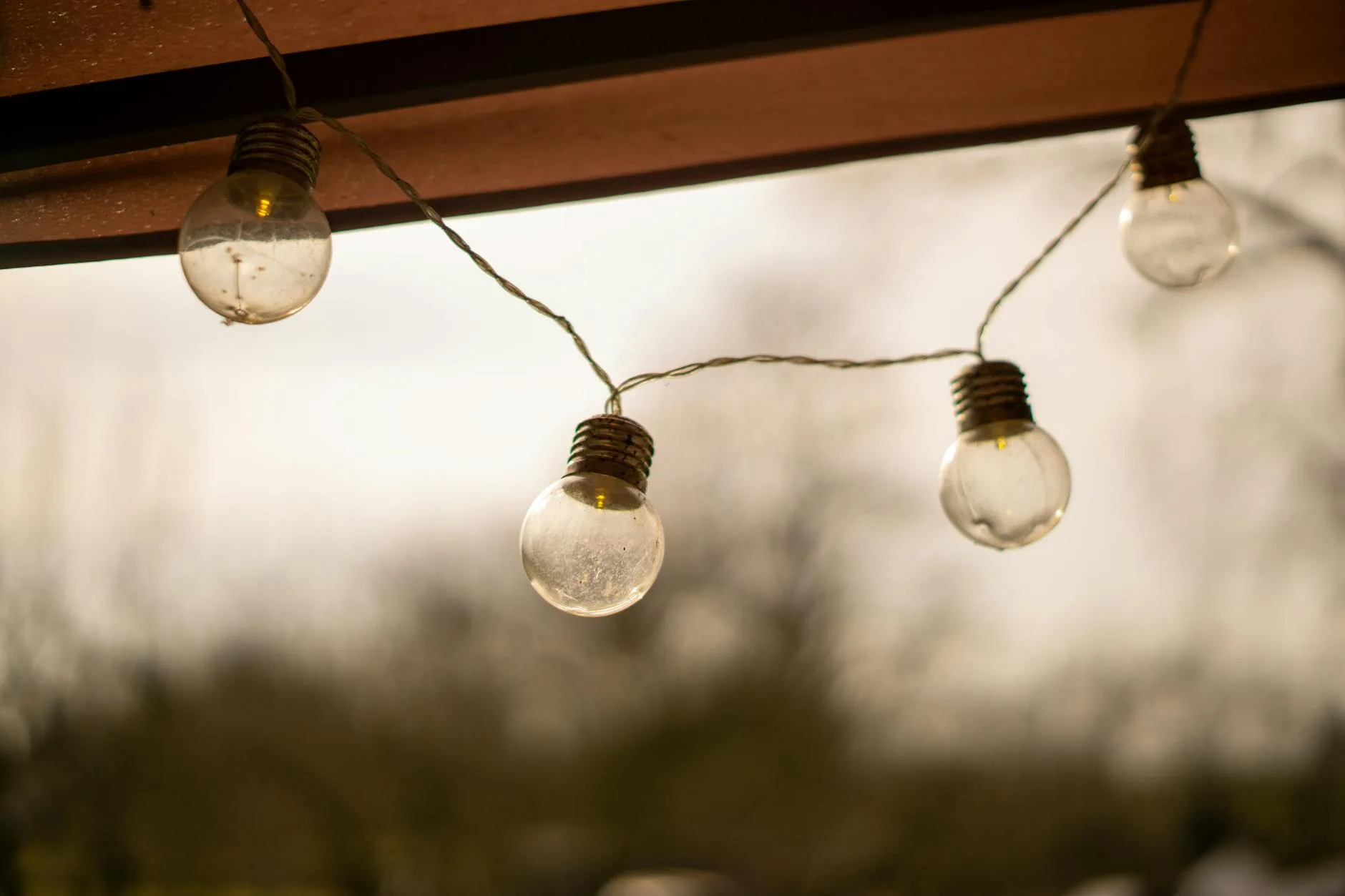
Lights4fun 20-bulb Edison festoon lights
Best for patio atmosphere
Warm-white bulbs give a seating area a softer overhead glow; plan the 4.75m lit run and the route to a protected power supply.

Lepro three-head solar security lights (two-pack)
Best motion-activated light
Each of the two lights has three adjustable heads for a doorway or side path; solar charging still depends on the mounting position.

Philips Hue Lily three-spot base kit
Best smart garden spotlights
The low-voltage base kit can pick out trees or planting with adjustable colour; it includes a power supply but requires a Hue Bridge.

Philips Hue Impress slim wall light
Best hardwired wall light
A fixed wall light for an entrance or patio, with app-controlled white and colour light; it needs a hardwired installation and a Hue Bridge.
In this guide
- Comparison at a glance
- Five garden lights reviewed
- Which light should you buy?
- Plan the lighting by task
- Power, weather and safe installation
- Before you order
- The bottom line
- Frequently asked questions
Comparison at a glance
| Light | Best use | Power | Main compromise |
|---|---|---|---|
| GIGALUMI six-pack | Path edges and borders | Solar | Decorative output and variable winter run time |
| Lights4fun Edison festoon | Seating and dining patios | Plug-in low voltage | Needs a suitable power route and supports |
| Lepro two-pack security lights | Two doorways or side paths | Solar with motion sensor | Panels need useful daylight |
| Philips Hue Lily three-pack | Trees and planting features | Plug-in low voltage | Hue Bridge sold separately |
| Philips Hue Impress slim | Fixed entrance or patio wall | Hardwired mains | Electrical installation and Hue Bridge |
These lights do different jobs; their brightness figures and power arrangements are not interchangeable. Measure the area and plan where the light should fall before picking a fixture.
The five best garden lights for different jobs
1. GIGALUMI six-pack: best solar path markers
The six warm-white stake lights are an easy way to mark the edge of a garden path or border without a cable run. The water-ripple pattern gives them a decorative role rather than a floodlight’s broad coverage. Position the panels where they receive daylight, not beneath dense planting or a deep roof overhang.
Choose these for orientation and ambience along a path, not to make uneven steps reliably safe through a winter evening. Solar duration varies with season, shading and battery condition; the manufacturer’s maximum run-time claim is not a promise of nightly UK performance.
- Buy it if: you want a six-point path marker with no power connection.
- Skip it if: you need dependable task lighting at a step or gate.
- Main compromise: convenient placement trades away predictable brightness.
2. Lights4fun Edison festoon: best patio atmosphere
This 20-bulb warm-white set is for a seating area, pergola or fence line where an overhead glow matters more than lighting the ground uniformly. The listed lit length is 4.75m, with a separate 5m lead from the transformer. Measure the actual hanging route, including slack and support points, rather than assuming the total cable length is all illuminated.
The lights are listed as IP44 and use a low-voltage transformer. That does not mean an ordinary indoor socket or an exposed connection can be left in rain. Plan a suitable, RCD-protected supply and protect the connection from weather.
- Buy it if: a warm overhead patio glow is the priority and power is accessible.
- Skip it if: you cannot route and protect the supply safely.
- Main compromise: it creates atmosphere, not focused light on steps or work areas.
3. Lepro three-head solar lights: best motion-sensor two-pack
The selected pack contains two lights, each with three adjustable heads and a motion sensor. Place them at separate doorways or along a side passage rather than trying to stretch one beam across both areas. Lepro specifies a 1,200-lumen maximum per light and an IP65 housing. The heads let you aim light where people approach.
Each integrated solar panel needs a position with useful daylight, so a north-facing recess may undermine the result. These lights respond to movement rather than providing steady evening light for dining.
- Buy it if: you have two places that need motion-triggered light without new cable runs.
- Skip it if: both mounting positions are heavily shaded.
- Main compromise: a bright sensor light is not a continuous patio light.
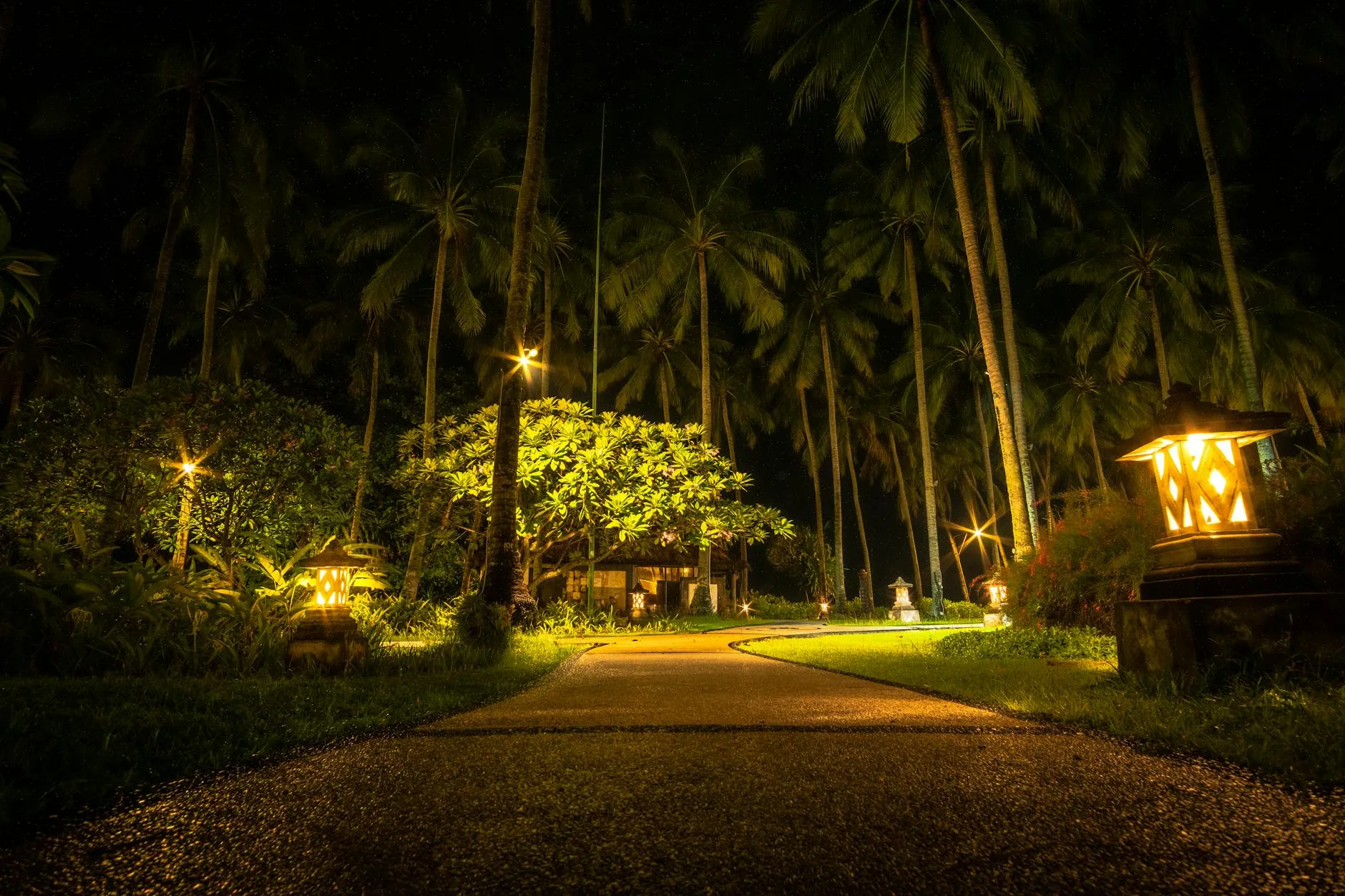
4. Philips Hue Lily base kit: best smart spotlights
This three-spot Lily base kit includes a low-voltage power supply, as Philips Hue confirms for the base kit. Aim the adjustable heads at a tree, planting bed or wall texture rather than into a neighbour’s window. White and coloured scenes let the same fixtures move from everyday accent light to an occasional event setting.
The kit requires a Hue Bridge for smart control; the Bridge is not included. Compare the total system cost and cable route before choosing it over simpler fixed-white lights.
- Buy it if: you already use Hue or want adjustable feature lighting.
- Skip it if: you want a simple light with no hub or power-supply planning.
- Main compromise: smart flexibility adds equipment and setup.
5. Philips Hue Impress slim: best hardwired wall light
The Impress slim is a fixed wall fixture for an entrance or patio edge. Its integrated LED offers white and colour light, and the Hue app can change the scene once it is paired with a Hue Bridge. The selected narrow variant matches Philips Hue’s 1742930P7 hardwired model, not its separate low-voltage wall version.
A properly sited wall light gives a more dependable daily route light than a solar stake. The trade-off is installation: allow for a qualified electrician and a suitable outdoor circuit, as well as the separate Bridge. If you only need simple white light, the smart system may be unnecessary expense and complexity.
- Buy it if: you are planning a permanent, controllable entrance or patio light.
- Skip it if: you want a plug-in light or cannot plan electrical work.
- Main compromise: a permanent fixture is less flexible and costs more to install.
Which garden light should you buy?
If the patio is the main problem, start with the Lights4fun festoon set. Along a route, solar markers can show the edge, while a regularly used step or entrance needs a dependable, well-aimed light. Lily spots highlight planting, while Impress belongs in a planned permanent wall installation. The biggest mistake is buying by a lumen number alone: beam direction and mounting position matter more. Our garden zoning guide can help you decide where each layer belongs.
Plan the lighting by task
Start with the route people walk
Map the route you use after dark, noting steps, changes in level and awkward turns before decorating trees. Small solar markers can show an edge, but a regularly used step needs a dependable, well-aimed source. Avoid glare at eye level: seeing the route clearly matters more than seeing the lamp itself.
Add a separate layer for seating
Festoon lights suit a pergola or patio boundary because they make the space feel occupied without flooding the whole garden. Check the hanging span, lead cable, socket position and wind exposure. In a small patio, one overhead run can do more than several bright fittings pointed at the table. If you also use a patio heater, plan both cable routes without overloading a supply.
Use spotlights selectively
A few adjustable spotlights can pick out a tree, textured wall or planting bed. Leave some darker areas so the lit features stand out. Garden screens can provide a backdrop, but aim the beam away from neighbouring windows and avoid placing fittings where watering or garden work will damage cables.
Power, weather and safe installation
Solar, low voltage or mains?
Solar is easiest to position and avoids a power cable, but its nightly output depends on daylight and panel condition. A plug-in low-voltage system offers more predictable light where a suitable socket exists, while a hardwired fitting suits an established entrance or a renovation. The Lily kit is low voltage; the selected Impress wall light is hardwired. Treat these as different installation jobs, not interchangeable Hue accessories.
Read the whole system’s weather rating
Check the fitting, transformer, connectors and any extension cable, not just the headline IP number on the lamp. IP44 and IP65 describe different levels of ingress protection, but neither excuses a badly placed socket or unsupported cable. Follow the manufacturer’s placement instructions and keep connections suitable for their exposure. Electrical Safety First advises RCD protection for outdoor electrical equipment.
Plan installation and upkeep
Use a qualified electrician for a new hardwired outdoor light or circuit. For plug-in lights, protect the supply and test the RCD as directed. Keep solar panels free of leaves, clean diffusers when they become dirty and inspect cables after moving furniture or pruning. If you prefer a scheme with less to maintain, plan fewer fixtures in the right places rather than lighting every border; our low-maintenance garden guide takes the same approach to the rest of the space.
Before you order
Measure the festoon hanging run from anchor to anchor, allowing slack, and confirm that the lead reaches a suitable protected supply. For solar fittings, check that the chosen mounting position gives the panel useful daylight. A shaded panel can turn a promising security-light specification into an unreliable installation.
For Hue, check the exact kit and the rest of your system. The Lily three-pack here is a base kit with a power supply, but it still needs a separate Bridge. The Impress here is a hardwired wall light; do not confuse it with the separate low-voltage Impress version. For layout ideas beyond fittings, see our small-garden ideas.
The bottom line
Choose one dependable light for a frequently used entrance or step before adding atmosphere elsewhere. Then match any decorative lights to the space: an overhead warm glow for dining, markers for edges and carefully aimed spots for features. A garden looks better when each fixture has a clear job.
Frequently asked questions
Do solar garden lights work in a UK winter? They can light up after dull days, but the run time and brightness are less predictable than in summer. Keep the panel clear and choose mains or low-voltage lighting for a route that must be reliably lit every evening.
Are IP44 garden lights suitable outdoors? IP44 indicates protection against splashing water, but position and the manufacturer’s instructions still matter. Check the rating of the whole system, including connectors and power supply, and do not leave an indoor plug exposed to rain.
Can I install a hardwired outdoor wall light myself? A new outdoor electrical installation is best planned and carried out by a qualified electrician. The Philips Hue Impress in this guide is hardwired; it is not the low-voltage plug-in version.
Do Philips Hue garden lights need a Bridge? The Lily base kit and the Impress wall light selected here require a Hue Bridge for their smart controls. The Lily base kit includes its outdoor power supply, but the Bridge is a separate purchase.
Are solar path lights enough to make steps safe? Treat small solar stakes as visual markers, not guaranteed safety lighting. If a step or entrance needs dependable illumination, plan a suitable fixed or well-positioned motion light.