Your neighbours built a second-floor extension last year and now have a direct view into your garden from their new bedroom window. Every time you step outside for a morning coffee in your dressing gown, you feel watched. Planting a hedge takes five years to reach useful height. You need privacy now — this summer, not 2031. Garden screens provide immediate cover in days rather than decades, and modern options look far better than the cheap reed panels that disintegrate after one British winter.
In This Article
- Types of Garden Screens
- Materials Compared
- Our Top Picks for 2026
- Wind Protection: What Works
- Height Regulations and Planning
- Installation Methods
- Screens vs Fences vs Hedges
- Maintenance by Material
- Frequently Asked Questions
Types of Garden Screens
Fixed Screens (Permanent)
Bolted to posts or walls, designed to stay in place for years. Made from timber, composite, or metal. These provide year-round privacy and wind protection but require proper installation — usually concreted posts or wall-mounted brackets.
Freestanding Screens (Semi-Permanent)
Panels held in place by weighted bases, planters, or post spikes driven into soft ground. Moveable without major dismantling but heavy enough to resist normal wind. Good for renters or people who want flexibility to rearrange their garden layout.
Roll-Out Natural Screens
Bamboo, willow, heather, or reed mats that attach to existing fences or frameworks. The cheapest option (£10-30 per 4m roll) and provides instant visual coverage, but durability varies enormously. Quality bamboo lasts 5-7 years; budget reed panels disintegrate in 1-2 seasons.
Living Screens (Instant Hedging)
Ready-grown hedge panels delivered at 1.5-2m height. Instant privacy with the organic look of a natural hedge. Expensive (£80-200 per linear metre) but combines immediate coverage with long-term improvement as the plants establish. Requires ongoing maintenance (trimming 1-2 times per year).
Materials Compared
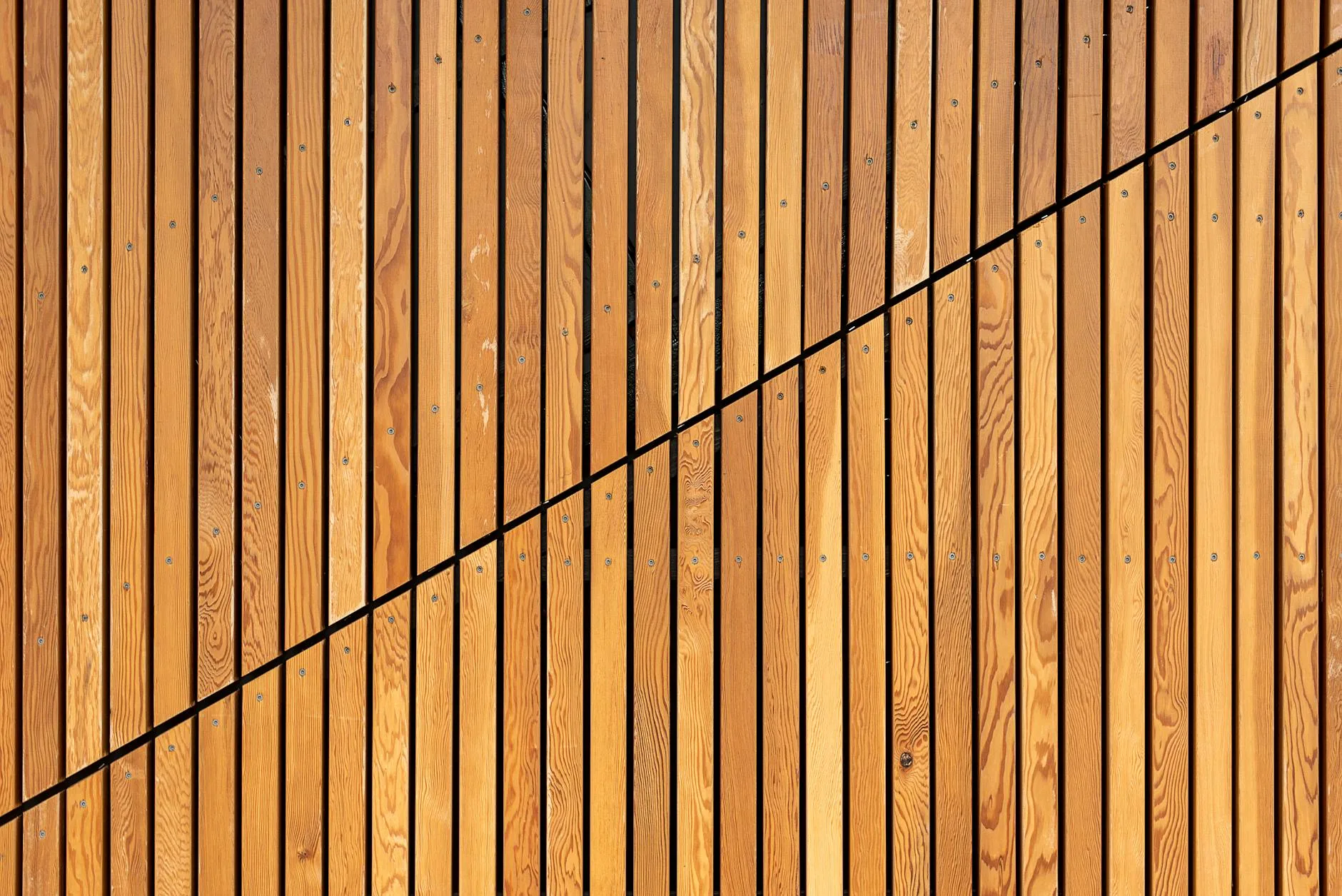
Timber (Western Red Cedar, Larch, Pine)
The classic choice. Natural appearance, warm tones, and easy to work with. Western red cedar is naturally rot-resistant without treatment (15-20 year lifespan). Pressure-treated pine is cheaper but needs regular staining (every 2-3 years) to prevent grey weathering and rot.
- Cost: £40-120 per 1.8m panel
- Lifespan: 10-20 years depending on species and treatment
- Maintenance: annual inspection, biennial staining (pine), minimal (cedar)
- Wind resistance: excellent (slatted designs let wind through; solid panels need strong posts)
Composite (WPC — Wood Plastic Composite)
Boards made from recycled wood fibre and plastic. Will not rot, split, warp, or need staining. Looks like timber from a few metres away but feels slightly different up close. The most low-maintenance option after initial installation — wash annually and that is it.
- Cost: £80-200 per 1.8m panel
- Lifespan: 25+ years (manufacturers often guarantee 15-25 years)
- Maintenance: annual power wash only
- Wind resistance: excellent (strong, rigid material)
Metal (Powder-Coated Steel or Aluminium)
Contemporary look — laser-cut patterns, geometric designs, or simple vertical bars. Aluminium does not rust; steel needs powder coating (typically guaranteed for 10-15 years). Thinner profile than timber so less imposing visually, while still blocking sightlines when close together.
- Cost: £100-400 per panel depending on design complexity
- Lifespan: 20-30+ years
- Maintenance: almost zero (wash, check for coating damage)
- Wind resistance: variable (decorative cut-outs let wind through; solid panels need sturdy fixing)
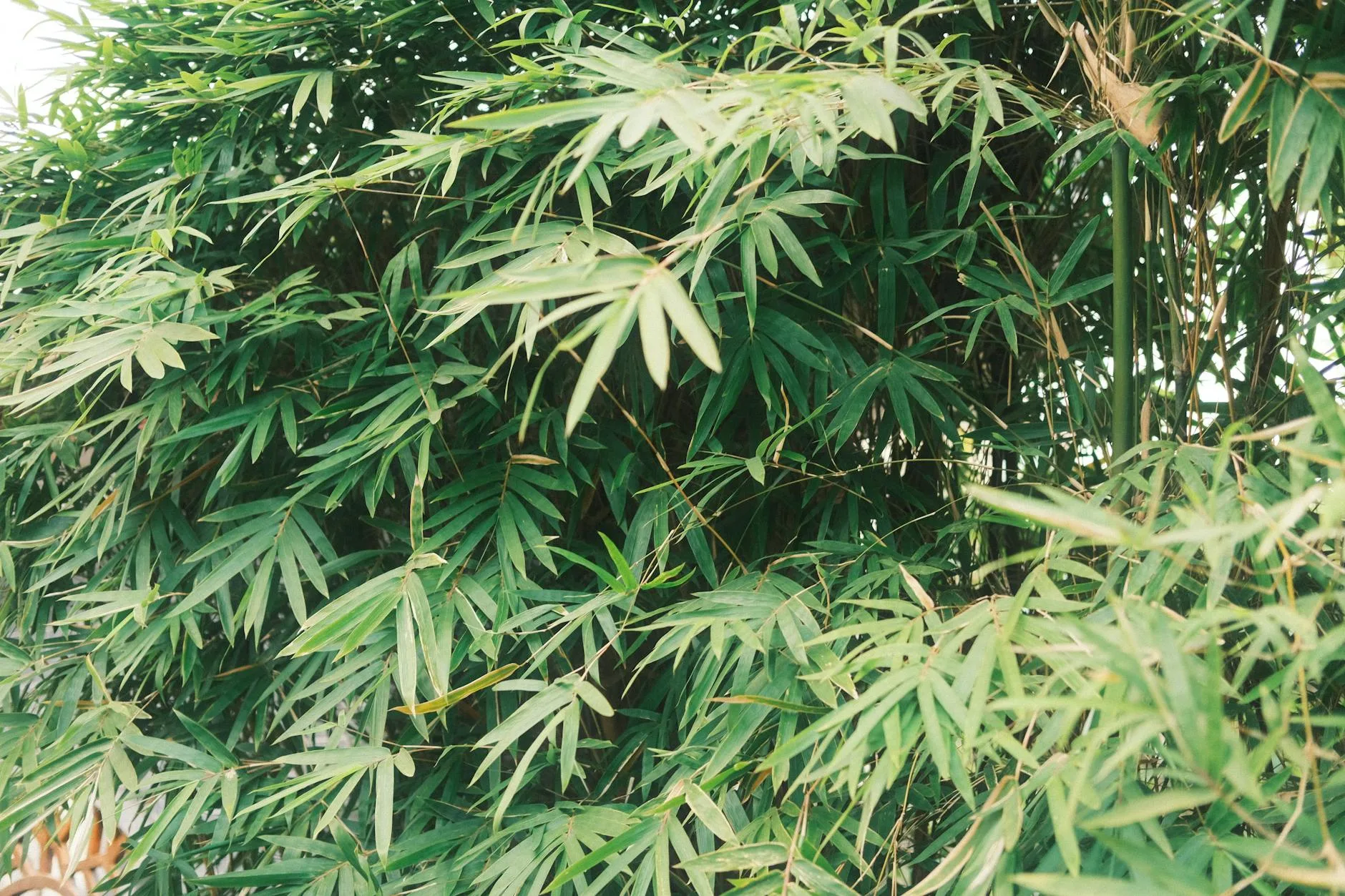
Bamboo
Natural bamboo poles wired together — the most common “quick fix” garden screen. Natural appearance blends with planting. Quality varies: thick-diameter treated bamboo (20mm+ poles) lasts 5-7 years outdoors. Thin untreated bamboo (10mm) splits and greys within a season.
- Cost: £15-50 per 4m roll
- Lifespan: 2-7 years depending on quality and whether treated
- Maintenance: replace sections as they degrade
- Wind resistance: moderate (flexible, moves in wind rather than resisting it)
Our Top Picks for 2026
Best Overall: Forest Garden Venetian Panel (about £65 per 1.8m × 1.8m)
Horizontal slatted timber with alternating gaps — provides 80% visual privacy while allowing air and dappled light through. The slatted design means wind passes through rather than catching (no post-snapping gales). Available at B&Q, Wickes, and most timber merchants. Pressure-treated pine in a warm golden tone that weathers to silver-grey if left untreated, or maintains colour with annual oil.
Best Budget: Gardman Bamboo Screen 4m × 1.5m (about £18)
Genuine bamboo poles wired together — roll it out, cable-tie it to your existing fence, done in 20 minutes. Provides visual screening from ground level. At this price, even replacing it every 2-3 years remains cheaper than permanent alternatives. The 1.5m height blocks most horizontal sightlines without requiring planning permission.
Best Premium: Screen With Envy Composite Screening (from £180/panel)
UK manufacturer producing aluminium-framed composite panels in multiple styles — slatted, solid, geometric, and louvred. Zero maintenance, 25-year guarantee, and genuinely attractive design that transforms a garden boundary into a feature. Expensive but you install once and never think about it again. Available direct and through landscaping suppliers.
Best for Renters: Primrose Artificial Ivy Trellis (about £35 per 2m × 1m)
Expanding wooden trellis covered in realistic artificial ivy leaves. Freestanding against a wall or leaning on an existing fence — no drilling, no concrete, no permanent changes. Provides immediate green privacy that looks natural from a few metres away. Not UV-stabilised on the cheapest options (leaves fade), so spend £35+ for the branded versions that maintain colour for 3-5 years.
Best Natural: Elveden Instant Hedge — Laurel (from £95 per metre)
Ready-grown evergreen laurel at 1.5-2m height, delivered in troughs you drop into the ground. Instant dense privacy that looks established from day one. Within 2 seasons the plants root through the trough into the soil and begin growing as a normal hedge. Combine with our wildlife garden guide for maximum ecological benefit from living screens.
Wind Protection: What Works
The 50% Rule
Counterintuitively, solid screens are WORSE for wind protection than semi-permeable ones. A solid barrier creates turbulent eddies on the lee side — wind hits the screen, is forced over the top, and crashes down as swirling gusts 2-3 metres behind it. A permeable screen (40-60% solid) filters wind through, slowing it by 50-75% without creating turbulence. The protected zone extends 10-15× the screen height versus only 5-7× for a solid barrier.
Best Materials for Wind
- Slatted timber or composite — optimal wind filtration with 40-50% gap ratio
- Woven willow or hazel hurdles — naturally permeable, traditional, and effective
- Hedging — living screens filter wind perfectly (the gaps between leaves provide ideal permeability)
Worst Materials for Wind
- Solid close-board fencing — catches maximum wind force, creates turbulence behind
- Sheet materials (polycarbonate, glass) — full wind load with zero permeability
- Canvas/sail fabric — catches wind like a literal sail, rips fixings out in storms
Height Regulations and Planning
Permitted Development (No Planning Required)
- Front garden: maximum 1m height for walls and fences
- Rear and side garden: maximum 2m height
- Next to a highway: maximum 1m regardless of position
These apply to barriers on or within your boundary. Freestanding screens within your garden (not on the boundary) are not technically “fences” under planning law — but local authorities may intervene if they consider them visually intrusive to neighbours.
When You Need Planning Permission
- Above 2m height at rear/side boundaries
- Above 1m at front boundaries or highway edges
- Listed buildings or conservation areas (any boundary treatment may need consent)
- Blocking light to a neighbour’s window (Party Wall and “right to light” considerations)
The Neighbourly Approach
The GOV.UK boundary disputes guidance recommends discussing plans with neighbours before installing screens. A conversation prevents complaints. Most disputes arise because people feel ambushed — “they put a 2m fence up without a word.” A quick chat about your plans (not asking permission, just informing) prevents most conflicts.
Installation Methods
Post-and-Rail (Permanent)
Concrete posts (75mm square) or timber posts (100mm) set in postcrete or concrete at 1.8m centres. Panels slot between or bolt onto posts. The most robust method for exposed sites — survives storm-force winds without movement. Requires digging post holes 60-75cm deep.
Post Spikes (Semi-Permanent)
Metal spikes driven into the ground with a sledgehammer. Timber posts slot into the spike socket. No concrete, no digging — removable by pulling the spike out. Works in soft ground but can work loose in sandy or clay soil after several seasons. Not recommended for exposed sites.
Wall-Mounted (Using Existing Structure)
Brackets fixed to a wall or existing fence, supporting screen panels horizontally. Excellent for adding height to existing low walls or extending the life of a structurally sound old fence that is visually tired. Requires the existing structure to be solid enough to take the wind load.
Freestanding with Planter Bases
Heavy planters (filled with soil and plants) provide enough weight to hold freestanding screen posts upright. No ground fixings needed — perfect for patios, decked areas, and hard surfaces where digging is impossible. The planters add a decorative element and let you integrate climbing plants that eventually cover the screen naturally.
Screens vs Fences vs Hedges
Speed of Privacy
- Screens/fences: immediate (same day installation)
- Instant hedging: immediate but expensive (£100+/metre)
- Planted hedging: 3-5 years to reach useful height (cheapest long-term at £5-10/metre)
Maintenance Comparison
- Composite/metal screens: wash annually, zero other maintenance
- Timber screens: stain every 2-3 years, inspect annually for rot
- Hedges: trim 1-3 times per year depending on species, feed annually, water in dry spells
Cost Comparison (per 10 metres at 1.8m height)
- Budget timber panels: £300-500 including posts and installation
- Composite screening: £1,000-2,000 installed
- Instant hedge: £1,000-2,000 (but no installation labour needed beyond planting)
- Planted hedge (bare root): £50-100 for plants + 3-5 years of waiting
The best long-term solution for most UK gardens is a combination: install a screen or fence for immediate privacy, then plant a hedge in front of it. As the hedge matures over years, it eventually replaces the screen’s function while adding biodiversity and year-round beauty.
Maintenance by Material
Timber: Annual
In autumn, check for split panels, loose fixings, and rot at ground level. Brush off moss and algae (a stiff broom and soapy water). Every 2-3 years (pressure-treated pine) or 5-7 years (cedar), apply fence oil or stain. Cut back any climbing plants that retain moisture against the timber.
Composite: Minimal
Power wash once per year in spring to remove algae buildup. Check fixings and brackets — composite itself does not degrade but metal screws can corrode over decades. That is the full maintenance requirement — nothing else needed.
Bamboo: Replace When Needed
Quality bamboo screen lasts 5-7 years before splitting and greying becomes unsightly. Replace sections as they fail rather than the whole run at once — bamboo is cheap enough that periodic replacement is part of the plan, not a failure.
Metal: Inspect Annually
Check powder coating for chips or scratches that expose bare metal. Touch up with matching spray paint before rust establishes. Aluminium needs nothing — it does not rust. Steel needs coating integrity maintained.
Keep reading on Plot & Patio: Small Garden Ideas: 15 Ways to Maximise a Tiny UK Garden, How to Plan a Garden Layout: A Beginner’s Guide, How to Create a Wildlife-Friendly Garden, How to Create Garden Zones for Different Uses, Best Garden Fencing 2026 UK: Panels, Trellis & Composite.
Frequently Asked Questions
Can I put a screen on top of my existing fence to add height? Yes, up to a total combined height of 2m at rear/side boundaries without planning permission. Lattice trellis panels on top of 1.5m fences are the most common approach. Ensure the existing fence posts can support the additional wind load — older fences with decaying posts may collapse with added height. Reinforce or replace posts as needed.
What is the best screen material for a windy garden? Slatted timber or composite with 40-50% gap ratio. The gaps allow wind through at reduced speed without creating damaging turbulence on the sheltered side. Solid screens catch full wind force — fine in sheltered gardens but problematic on exposed sites, hilltops, or coastal locations.
Do I need my neighbour’s permission to install a screen? Not if it is within your boundary and under 2m tall. If it sits ON the shared boundary, technically both owners have rights. In practice, installing a screen on your side of the boundary (even touching the fence) is your prerogative. Informing neighbours avoids conflict but permission is not legally required for compliant installations.
How do I stop a bamboo screen blowing down? Attach it firmly to a rigid structure — an existing fence, concrete posts, or a timber framework. Bamboo rolls on their own have no structural rigidity and will blow flat in any decent wind. They are cladding, not structure — they need something solid behind them to maintain position.
Will a garden screen affect my house insurance? Standard garden screens and fences are normally covered under buildings insurance as boundary structures. Very expensive installations (£5,000+ metal or glass screens) should be declared as home improvements. Storm damage to fences is one of the most common UK household insurance claims — check your excess before claiming for panel replacements.