Choosing a garden parasol is mostly about shade size, base weight and fabric protection, not the colour you liked first. This garden parasol buying guide is for UK patios where wind, narrow paving, mixed furniture and short sunny spells all matter. Get the size and base wrong and even a lovely £300 parasol becomes the annoying thing everyone keeps moving.
In This Article
- Garden Parasol Buying Guide: Quick Size Answer
- Match Parasol Size to the Area You Actually Use
- Pick the Right Type: Centre Pole, Tilting or Cantilever
- Get the Base Weight Right Before You Buy
- UV Rating and Fabric: What Actually Matters
- What to Spend and Where to Buy in the UK
- Setup, Wind and Maintenance Checks
- Frequently Asked Questions
Garden Parasol Buying Guide: Quick Size Answer
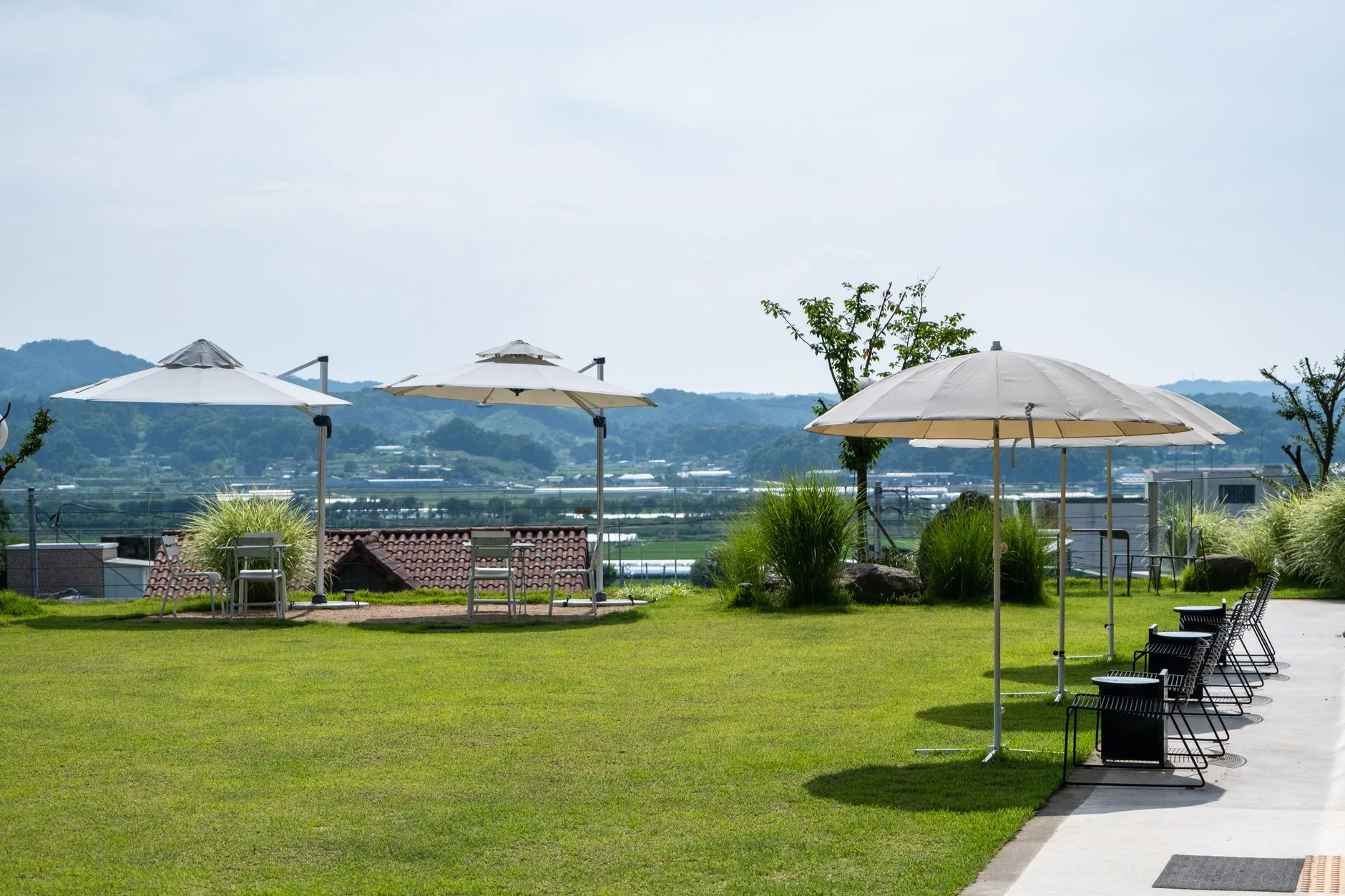
For most UK patios, a 2.7m to 3m round or square parasol is the useful middle ground. It gives enough shade for a four-seat dining set, a pair of loungers or a compact corner sofa without swallowing the whole patio. A 2m parasol is only really comfortable for a bistro table or one chair. A 3.5m cantilever parasol can work brilliantly over a larger sofa set, but only if you have space for the side arm and a heavy base.
My default pick for a normal family patio would be a 3m tilting centre-pole parasol with a 25kg to 35kg base. It is cheaper, easier to store, less fussy in wind and easier to move than a cantilever. The fancier offset models look better in a showroom, but the base is huge and you feel that every time you sweep, move furniture or squeeze round the table with plates.
Use these as sensible starting points:
- Small bistro set: 1.8m to 2.1m parasol, usually with a 12kg to 20kg base.
- Four-seat dining table: 2.4m to 3m parasol, usually with a 25kg to 35kg base.
- Six-seat dining table: 3m to 3.5m parasol, often with 35kg+ base weight.
- Corner sofa or lounge set: 3m cantilever or 3m square parasol, with 60kg+ ballast for many offset designs.
The thing to check first is not the canopy diameter. It is where the shade lands at 3pm when the sun is lower and coming in sideways. A parasol straight through the middle of a dining table is tidy, but it only works if the table has a proper parasol hole, the chairs stay close to the table, and you do not need shade over a separate serving area.
Match Parasol Size to the Area You Actually Use
The easiest mistake is buying for the furniture footprint instead of the shaded footprint. A 3m round parasol is 3m across the canopy, not 3m of useful shade in every direction. The pole, sun angle and canopy height all reduce the area that feels comfortable.
Measure the activity zone
Measure the space people occupy, not just the table top. For a dining set, include the pulled-out chairs. For a sofa set, include the front edge where people put their feet, not just the cushions. If your small patio layout already feels tight, leave at least 60cm of clear walking space around the base and chair backs.
A rough guide:
- 2m canopy: one or two people, small balcony, bistro table, reading chair.
- 2.7m canopy: four-seat round table, compact square table, two loungers side by side.
- 3m canopy: four to six-seat dining set, small lounge set, wider patio doors.
- 3.5m canopy: larger lounge set or six-seat table, but only with proper clearance.
If your patio is long and narrow, square or rectangular canopies often behave better than round ones. A 2m x 3m rectangular parasol can cover a long table without shading half the fence. Round parasols are easier to find and usually cheaper, but they waste shade at the corners.
Allow for the moving sun
UK garden shade is rarely neat. In June, the midday sun can sit high enough for a flat canopy to work well. By late afternoon, the shade moves sideways and a fixed upright parasol may miss the chairs entirely. That is why tilt matters more than people expect.
If your seating area faces west or south-west, buy a tilting parasol unless you have natural shade from a fence, pergola or tree. If the patio is already partly shaded, read the space like you would when planning garden zones for different uses: dining, lounging and cooking may each need shade at different times rather than one giant umbrella in the middle.
Pick the Right Type: Centre Pole, Tilting or Cantilever
There are three main types worth considering. The right one depends on where the pole can go, how much wind your garden gets and how much faff you will tolerate.
Centre-pole parasols
A centre-pole parasol is the classic umbrella shape. It goes through the hole in a patio table or sits beside a chair in a freestanding base. It is the best-value option for most gardens.
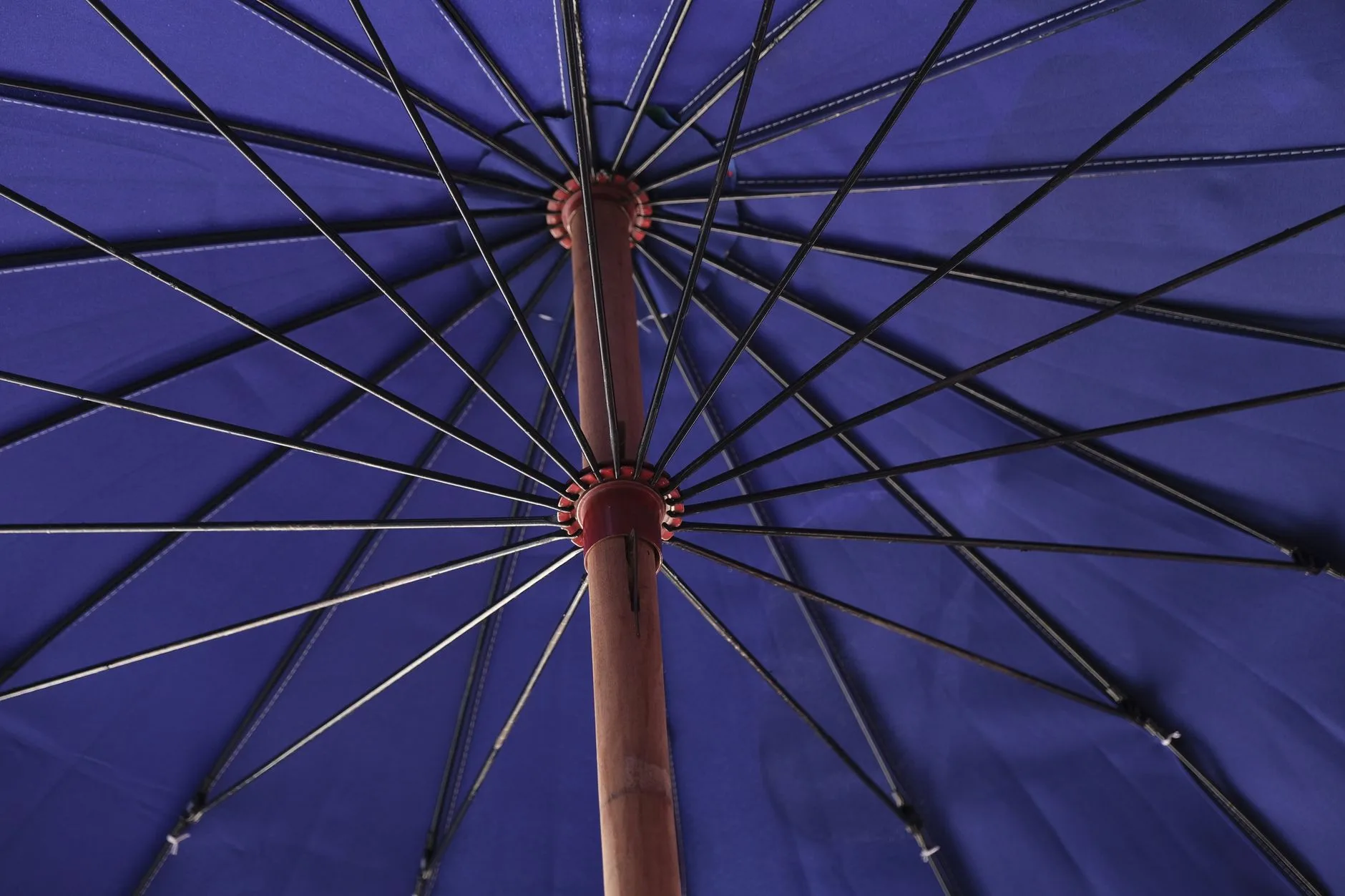
The good ones have a crank handle, a vented canopy and a pole that does not wobble in the base collar. Budget versions start around £35 to £75 at Dunelm, Argos and B&Q, though many at that price need a separate base. John Lewis had 2.7m wind-up options around £75.65 in June 2026, while sturdier 3m sets with included bases were closer to £279.
The downside is simple: the pole is in the way. Fine through a dining table. Irritating in the middle of a lounge set.
Tilting parasols
A tilting parasol is usually still centre-pole, but the top angle changes so you can chase low sun. This is the one I would buy for a typical patio. The mechanism is not glamorous, but it solves the real problem.
Look for a tilt joint that locks cleanly and does not rely on a tiny plastic button. Cheaper tilt mechanisms can sag after a season, especially if people keep forcing them against the wind. If the price difference is only £20, I would take the stronger crank-and-tilt model over a prettier canopy.
Cantilever parasols
Cantilever parasols put the pole to one side and suspend the canopy over the seating area. They are brilliant over a corner sofa, hot tub, outdoor dining set without a table hole, or a patio where a centre pole would block movement. They also need respect. A 3m cantilever parasol is a sail on an arm.
Budget cantilevers at Argos, B&Q and The Range often sit around £80 to £180, but many use cross bases that need separate slabs. Better models from Kettler, Bramblecrest, Maze or John Lewis can run from about £350 to £800+. John Lewis listed Kettler 3m cantilever models with base around £494 to £550 in June 2026.
If you are choosing between a cantilever and a more permanent shade structure, compare it with a pergola or gazebo before spending premium money. A parasol wins for flexibility. A pergola wins if you want a fixed outdoor room.
Get the Base Weight Right Before You Buy
The base is not an accessory. It is the safety system. Too many parasols are sold with the canopy price shouted loudly and the base requirement tucked away in the small print.
Centre-pole base weights
For a centre-pole parasol, use the canopy size and exposure as your guide:
- Up to 2m: 12kg to 20kg if sheltered; more if freestanding.
- 2.4m to 2.7m: 20kg to 30kg for most patios.
- 3m: 25kg to 35kg minimum; 40kg if the garden is open or breezy.
- 3.5m: 40kg+ unless the manufacturer states a specific tested base.
If the parasol sits through a heavy dining table, the table adds stability, but I still would not use a lightweight 12kg base under a 3m canopy. A gust can lift the canopy enough to rock the whole table. That is when drinks go, then tempers.
Granite and concrete bases are usually better than hollow plastic ones. A Habitat granite base at Argos was around £55 in June 2026, which is boring money but often better spent than paying extra for a canopy pattern. Water-fillable bases are handy for storage, but they can flex and look tired after winter.
Cantilever ballast
Cantilever bases are different because the weight has to counter the offset arm. Many use four paving-style weights, commonly 60kg to 100kg in total. Do not assume the base is included. A cheap-looking £120 cantilever can become a £180 to £240 purchase once you add the correct ballast.
Check three things before ordering:
- Included base: whether it includes weight, a cross frame only, or fillable segments.
- Required total ballast: the manufacturer figure, not a reviewer’s guess.
- Footprint: the base may take up 80cm to 100cm square, which is huge on a small patio.
For rented homes or patios where you move furniture often, a centre-pole model may be less elegant but far easier to live with. The same logic applies when choosing outdoor dining sets: the product that looks best online is not always the one that works when people are carrying plates and moving chairs.
UV Rating and Fabric: What Actually Matters
Shade is not the same as full UV protection. A parasol reduces direct sun, but reflected UV can still reach skin from paving, pale walls and nearby glass. The NHS sun safety advice still recommends spending time in shade between 11am and 3pm, covering up and using sunscreen rather than relying on shade alone.
UPF and UV labels
Look for a canopy marked UPF 50+ or with a clear UV protection claim. UPF is a fabric rating; SPF is a sunscreen rating. Some garden listings blur the language, so I prefer products that state the canopy protection directly.
For family patios, UPF 50+ is worth paying for if children will be eating or playing under it. Cancer Research UK also points out that shade is only one part of sun protection, so treat the parasol as comfort plus risk reduction, not a magic shield.
Fabric weight, colour and rain
Polyester is the common budget fabric. It is fine if the stitching is neat, the canopy is vented and the product comes with a cover. Heavier solution-dyed acrylic fabrics cost more but resist fading better. On a south-facing patio, cheap dark fabric can fade from smart charcoal to tired grey surprisingly fast.
Colour has trade-offs:
- Cream and beige: cooler-looking, easy to match, but shows mildew and bird mess.
- Grey: practical and popular, but can feel gloomy under the canopy.
- Green or blue: gives stronger shade visually, but may dominate a small garden.
- Black: sharp with modern furniture, but can feel heavy in a compact patio.
Most garden parasols are shower-resistant, not made for proper rain. If the listing says water-repellent, that means it should shrug off a brief shower while you finish lunch. It does not mean you should leave it open through a wet weekend. For year-round protection, a garden furniture cover and dry storage matter more than a heroic canopy claim.
What to Spend and Where to Buy in the UK
A decent garden parasol buying guide should give price bands, because the market jumps around a lot in summer. Based on current UK pricing in June 2026, I would budget like this:
- Budget centre-pole parasol: about £35 to £80 from Dunelm, Argos, B&Q or The Range. Good for occasional use, usually base extra.
- Better 2.7m to 3m crank-and-tilt parasol: about £90 to £220 from John Lewis, B&Q, Homebase, Dobbies or Amazon UK.
- 3m parasol and base set: about £250 to £350 for a stronger patio-ready option.
- Cantilever parasol: about £120 to £300 for budget to mid-range models, or £400 to £900+ for premium brands with better frames.
- Base: about £25 to £80 for centre-pole bases; £80 to £200+ for cantilever ballast sets.
My value pick is not the cheapest parasol. It is a 2.7m or 3m crank-and-tilt model with a separate 25kg to 35kg granite or concrete base, likely costing £130 to £250 all in. That gives you more control than a basic push-up parasol without the footprint pain of a cantilever.
If you already own high-end garden furniture, do not cheap out on the parasol base. A £55 granite base protecting a £900 dining set is sensible. A £25 lightweight base under a large canopy beside glass doors is false economy.
For premium buyers, the better reason to spend more is the frame and fabric, not the logo. Check the crank action, pole diameter, spare canopy availability and whether the base is included. If the product page is vague about ballast, skip it.
Setup, Wind and Maintenance Checks
A parasol should be easy enough to use that you actually open it. If it needs two people, a ladder and a deep breath, it will stay folded until guests arrive.
Before first use
Run through this quick setup check:
- Check the pole diameter: make sure the base collar fits the pole and tightens properly.
- Test the crank and tilt: open it slowly and make sure the canopy locks without grinding.
- Position the base first: move the base before opening the canopy, not after.
- Watch the shade: test the setup at lunchtime and again late afternoon before deciding it is in the right spot.
- Fit the cover: if using a cover is annoying on day one, it will be ignored all summer.
Wind rules
Close the parasol when you leave the garden, when wind picks up, and overnight. I know that sounds obvious. It is also the rule people break because the sky looks calm from the kitchen. A parasol does not need storm weather to move; a sharp gust across a fence line can twist the frame.
The Cancer Research UK sun safety guidance is a useful reminder that shade helps most when used with sensible timing, clothing and sunscreen. So close it for wind, but do not treat a closed parasol as a reason to sit uncovered in strong sun.
Cleaning and storage
Brush dry dirt off before it becomes stained. For mildew, use warm water and mild soap unless the manufacturer says otherwise. Avoid pressure washing the canopy; it can strip coatings and force water into seams. If the patio itself is going green, sort that with a proper patio cleaning routine rather than spraying the parasol while you are there.
At the end of summer, dry the canopy fully before storing it. A damp folded parasol in a shed is basically a mildew invitation. Store the pole and canopy separately if the design allows, keep the cover on, and check the base collar screws before the next season.
The bottom line: buy the parasol for the space, buy the base for the wind, and buy the fabric for the people who will sit under it. Colour comes fourth. Maybe fifth.
Frequently Asked Questions
What size garden parasol do I need for a four-seat table? Most four-seat garden tables suit a 2.4m to 3m parasol. Choose 2.7m if the patio is tight and 3m if people sit out for long lunches.
Is a cantilever parasol better than a centre-pole parasol? A cantilever is better for corner sofas and tables without parasol holes, but a centre-pole parasol is cheaper, easier to stabilise and simpler to store.
How heavy should a parasol base be? For a 3m centre-pole parasol, use at least 25kg to 35kg. For cantilever models, follow the manufacturer ballast figure, often 60kg or more.
Does a garden parasol block UV rays? A UPF 50+ canopy blocks much more UV than thin unlabelled fabric, but shade is still only one part of sun protection. Reflected UV can still reach you.
Can I leave a garden parasol up overnight? No. Close it when you leave the garden and overnight, even in mild weather. Wind damage is the quickest way to ruin the frame.
Are cheap garden parasols worth buying? Cheap parasols are fine for occasional use if you pair them with a proper base. For daily summer use, spend more on the crank, tilt joint and canopy fabric.