Garden power tool safety is mostly decided before the blade spins, the battery clicks in, or the petrol engine starts. The safest people in the garden are not timid; they are the ones who pause long enough to check the cable route, the ground, the guard, the weather and who else is nearby.
In This Article
- Garden Power Tool Safety Starts With the Risk Check, Not the Trigger
- Wear the Right Protection for the Tool
- Electric, Battery and Petrol Tools Need Different Habits
- Tool-by-Tool Safety Checks
- Control the Working Area
- Maintenance, Storage and When to Stop Using a Tool
- What I Would Buy for a Safer Garden Tool Setup
- Frequently Asked Questions
Garden Power Tool Safety Starts With the Risk Check, Not the Trigger
Most garden power tool safety advice sounds like common sense until you are halfway through a job, rain starts spitting, the extension lead is under the hedge and the dog has appeared beside the lawnmower. That is why the first check has to happen while nothing is moving.
The 60-second check I would not skip
Before using a mower, hedge trimmer, strimmer, chainsaw, blower, shredder or pressure washer, run through this quick check:
- Ground: remove toys, stones, wire, plant labels, hosepipes and loose branches.
- Weather: avoid mains electric tools in rain or wet grass, and be cautious on slippery decking or mossy paving.
- People and pets: keep children, dogs and anyone not helping well away from the working area.
- Tool condition: check guards, blades, wheels, handles, cables, batteries and fuel caps before starting.
- Exit route: know where you will step if the tool snags, kicks back, stalls or throws debris.
That last point matters. People often plan the cut but not the escape. If a hedge trimmer catches a hidden wire or a mower hits a lump of metal, you want your feet already set, not crossed over on a wet slope.
The HSE’s machinery guidance makes the same basic point for powered equipment: check it is in safe working order before use. That guidance is aimed at work settings, but the habit is just as useful in a domestic UK garden.
Match the job to the tool
The wrong tool is often the risky tool. A strimmer is not a mini hedge cutter. A hedge trimmer is not a saw. A pressure washer is not a paint stripper. If the job needs forcing, stop and choose something better.
For example, if you are cutting thick branches, a sharp pruning saw or loppers may be safer than leaning into a hedge trimmer. Our guide to secateurs, loppers and pruning saws covers where hand tools beat powered tools. For lawn edges, the choice between a strimmer and edger also changes the risk profile; a wheeled edger is calmer around paving, while a strimmer throws more debris. See Strimmer vs Lawn Edger: Which Do You Need? if that is the job in front of you.
Wear the Right Protection for the Tool
PPE is not glamorous, but neither is spending Saturday afternoon in A&E because a stone bounced off a strimmer line. You do not need to dress like a tree surgeon for every job, but eye protection, gloves and sensible footwear should be the baseline.
The protection that earns its keep
For most home gardens, I would buy:
- Safety glasses: £5-£15 from Screwfix, Toolstation, B&Q or Amazon UK. Clear wraparound glasses are better than sunglasses because they protect from side debris.
- Ear defenders: £10-£25 for basic over-ear defenders, or £25-£45 for more comfortable 3M-style options. Petrol mowers, leaf blowers, shredders and chainsaws justify them.
- Work gloves: £4-£12 for general gardening gloves, £12-£25 for cut-resistant gloves. Cheap fabric gloves are poor around thorns and rough timber.
- Sturdy footwear: old trainers are not enough for mowing, shredding or chainsaw work. Basic safety trainers start around £30; safety boots are usually £40-£90.
- Leg protection: chainsaw trousers or chaps cost roughly £70-£160. If that sounds expensive, it is because chainsaws are not casual garden tools.
My minimum for mowing is closed shoes, eye protection if the grass is stony, and no loose clothing. For strimming, I add glasses every time. For hedge trimming above chest height, glasses and gloves are not optional in my book. A clipping in the eye is a deeply stupid way to lose a weekend.
Avoid loose clothing and dangling cords
Loose hoodie strings, scarf ends, long jewellery and untied hair are bad news around spinning parts. This is more of an issue with shredders, mowers and drills than with a simple leaf blower, but the rule is easy: if it can dangle, tuck it away.
Corded earphones are another nuisance. They snag on handles and make it harder to hear someone shouting. If you want music while using low-risk tools, use one earbud at low volume. For anything with blades, I would skip the music and listen to the machine. A change in sound often tells you something is blocked, blunt or about to stall.
Electric, Battery and Petrol Tools Need Different Habits
A cordless hedge trimmer, a mains mower and a petrol chainsaw can all cut plant material, but the safety habits are different. Treating them as interchangeable is where people get sloppy.
Mains electric tools
Corded tools are usually cheaper and lighter. A decent electric mower might cost £90-£180, while a corded hedge trimmer can be £45-£120. The trade-off is the cable.
Use an RCD-protected socket or plug-in RCD adaptor, which costs about £10-£20 from Screwfix, B&Q or Wickes. Keep the cable behind you, not across the cutting path. If you are mowing, work away from the socket so the cable trails over already-cut grass. If you are hedge trimming, loop the cable over your shoulder or use a bright extension lead that is easy to see.
Do not use mains electric garden tools in rain, on soaked grass, or near ponds. That sounds obvious until you are trying to squeeze in one more job before tea. Leave it. UK weather will still be there tomorrow, looking smug.
Battery tools
Battery tools remove the cable risk and are now powerful enough for most domestic gardens. If you are deciding whether cordless is strong enough for you, read Cordless Garden Tools: Are They Powerful Enough?. Safety-wise, the main habits are battery handling, storage and not leaving the battery fitted while clearing jams.
Remove the battery before:
- Cleaning blades: especially hedge trimmers, lawnmowers and saws.
- Clearing blockages: a stuck mower blade can move suddenly when freed.
- Changing line or attachments: strimmer heads are fiddly enough without accidental starts.
- Transporting the tool: do not carry a live tool through the house or garage.
Store lithium-ion batteries indoors in a dry place, away from direct heat. Most replacement branded batteries cost £45-£120, so looking after them is not just safer; it saves money.
Petrol tools
Petrol tools are louder, heavier and fussier. They still make sense for large gardens, thick hedges and long sessions, but they demand more respect.
Refuel when the engine is cool. Keep petrol in an approved fuel can, usually £8-£20, not an old drinks bottle or random container. Start the tool on firm ground, away from dry leaves, open doors and children. Petrol mowers and chainsaws also need more maintenance because vibration loosens parts over time.
Hand-arm vibration is not just a workplace issue. The HSE notes that hand-held and hand-guided powered tools, including mowers and hedge trimmers, can expose users to vibration risk over time. You can read its hand-arm vibration advice for the technical background. At home, the practical version is simple: take breaks, keep blades sharp, do not grip harder than needed, and stop if your hands tingle or go numb.
Tool-by-Tool Safety Checks
This is the section to scan before you pick up a specific tool. It is not a replacement for the manual, but it catches the mistakes I see most often in home gardens.
Lawnmowers
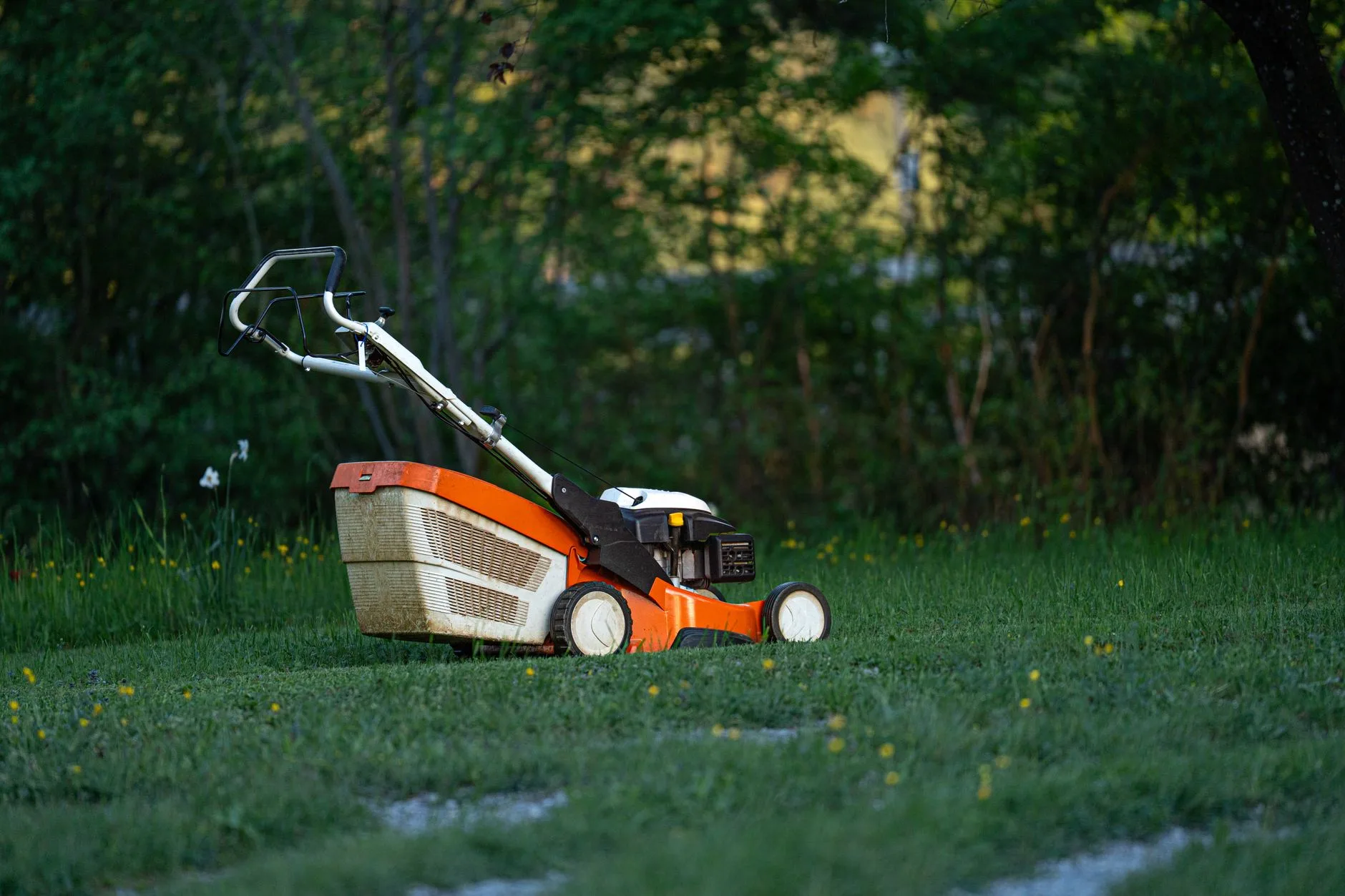
Walk the lawn first. Stones, dog toys, pegs and fallen branches can become projectiles or damage the blade. If you are using a corded mower, keep the cable over your shoulder and behind the cut line. If you are using a battery mower, remove the battery before turning the mower over.
Never lift a running mower to “just get that awkward bit”. Use a strimmer or shears around steps, raised edges and tree roots. If your mower is struggling, the grass may be too long or wet. Raise the cutting height and take a second pass later.
For buying context, our UK lawnmower guide covers cordless, electric and petrol models from about £90 to £700. Safety-wise, I prefer a mower with a clear safety key, easy height adjustment and a grass box that clips in without wrestling.
Hedge trimmers
Check for wire, old string, nest material and thick woody stems before cutting. Use two hands. Keep the blade below shoulder height where possible, and use a platform or tripod ladder rather than overreaching from the top of a wobbly step ladder.
The RHS hedge trimming advice says to think about safety with powered hedge trimmers and wear goggles and thick gloves. Its hedge trimming guide is worth reading before tackling a large hedge. Our own hedge trimmer guide goes deeper on choosing and using the right type for UK gardens.
Strimmers and brush cutters
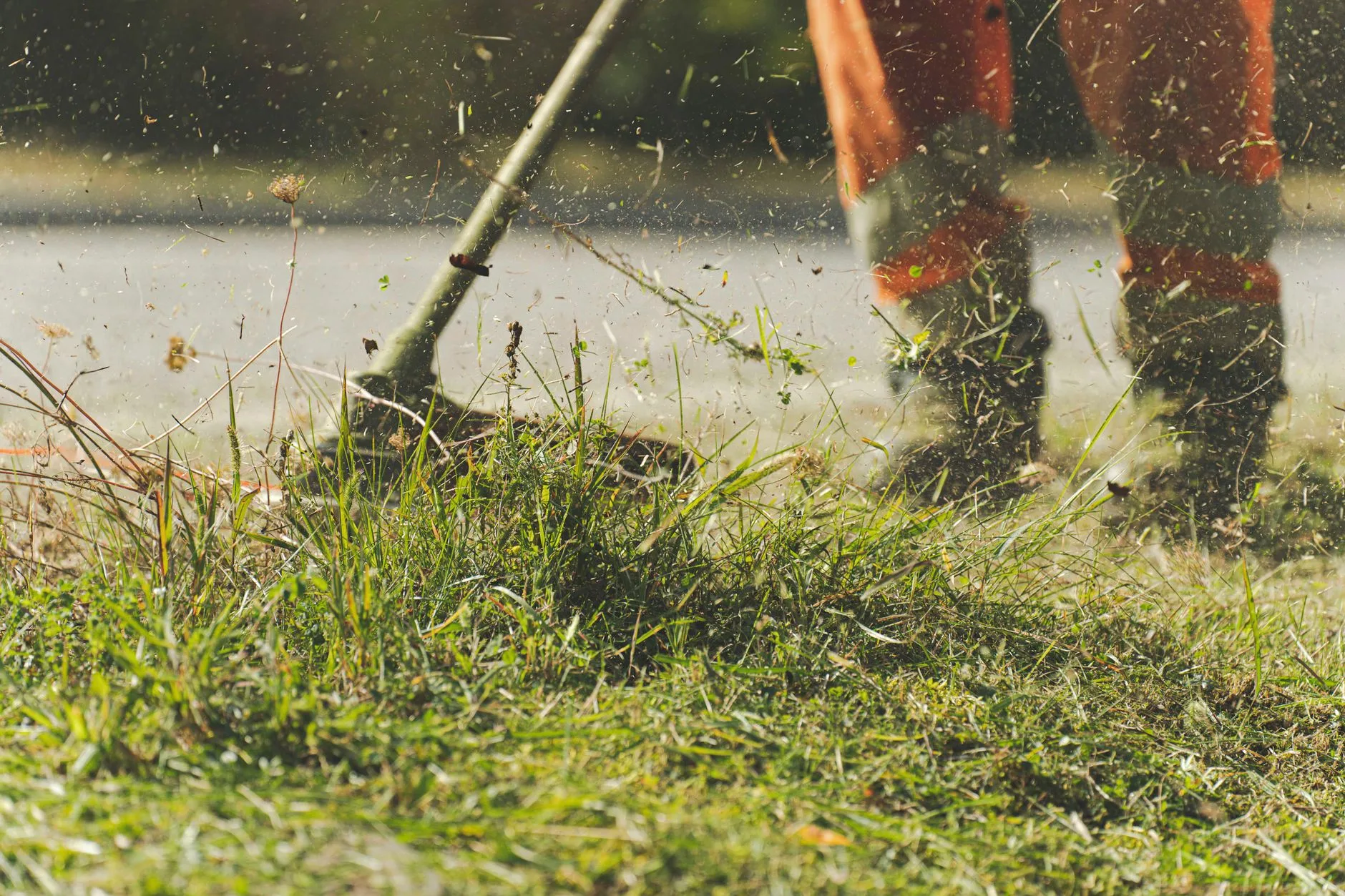
Strimmers are debris machines. Eye protection is the one thing I would not negotiate. Long trousers help too, because line fragments and grit sting. Check which way the head throws debris and keep windows, cars, pets and people out of that arc.
Do not strim gravel unless you are deliberately auditioning for a broken patio door. Around trees, use a guard or hand tool; strimmer line can damage bark quickly.
Chainsaws
For most domestic gardeners, the safest chainsaw is the one you hire a professional to use. That is not me being dramatic; chainsaws punish poor stance, blunt chains and overconfidence.
If you do own one, use chainsaw-rated PPE, keep the chain sharp, understand kickback, and do not cut above shoulder height. A basic electric chainsaw may cost £80-£160, but proper helmet, visor, gloves, boots and leg protection can cost more than the saw. That is normal. Our chainsaw maintenance guide explains the upkeep side in more detail.
Pressure washers and shredders
Pressure washers look harmless compared with blades, but they can cut skin, strip soft wood and blast grit into eyes. Keep the jet away from hands, pets, pointing mortar and electrical fittings. Good domestic pressure washers usually cost £80-£250; the safest one is not always the most powerful one.
Garden shredders need patience. Use the tamper, not your fingers. Wear eye protection. Feed material steadily and stop before clearing jams. If a shredder sounds angry, it probably is.
Control the Working Area
The safest tool technique will not help much if the working area is chaos. This is where a lot of domestic garden jobs go wrong: not because the tool failed, but because someone stepped into the danger zone or the operator lost footing.
Keep bystanders out
Set a clear boundary. For mowing and hedge trimming, that may be the lawn or patio. For strimming, leaf blowing and pressure washing, make the boundary wider because debris travels. Children and pets should be indoors or well away, not “just watching”.
If another adult is helping, agree signals before starting. Do not shout over a petrol mower and hope they hear. Stop the tool before talking. It takes three seconds and saves confusion.
Watch slopes, ladders and awkward corners
Slopes change everything. Mow across gentle slopes if the manual allows it, not up and down steep ground where you could slip under the mower. Avoid mowing very wet slopes. On banks or rough edges, a lightweight cordless strimmer may be safer than forcing a mower to do a job it was never built for.
Ladders deserve equal suspicion. Powered hedge trimming from a ladder is where overreach and blade position become a poor combination. If the hedge is too tall to cut with both feet stable, reduce the height in stages, use a platform, or pay someone with the right kit.
Awkward corners are where people defeat guards, lift tools, twist wrists and cut towards themselves. Slow down. Sometimes the safest finish is a pair of shears.
Maintenance, Storage and When to Stop Using a Tool
Safe tools are usually boring tools: clean, sharp, dry, correctly guarded and stored where children cannot reach them. Most maintenance is quick if you do it after each job rather than six months later when everything is sticky, blunt and slightly cursed.
After-use maintenance
Let the tool stop fully, disconnect the power source, then clean it. Brush grass from mower decks, wipe sap from hedge trimmer blades, remove mud from wheels and check vents are clear. Sap remover or blade cleaner costs about £6-£12; light machine oil is usually £4-£8.
Sharpening matters because blunt blades make tools grab and vibrate. We cover manual sharpening in How to Sharpen Garden Tools at Home, and the same principle applies to powered garden kit: clean edges cut with less effort.
Storage habits that prevent accidents
Store tools dry, with batteries removed and chargers unplugged when not in use. Hang tools securely rather than leaning them where they can fall. Keep fuel away from ignition sources. Lock away chainsaws, hedge trimmers and shredders if children visit.
Do not store a dirty mower packed with wet grass. It rusts, smells and makes the next job harder. A stiff brush, cheap work gloves and five minutes after mowing will do more for safety than a fancy accessory you never use.
Stop using the tool if something feels wrong
Stop if you notice:
- New vibration: possible loose blade, damaged head or imbalance.
- Burning smell: motor strain, blocked vents or electrical fault.
- Cracked casing: especially around handles, guards or battery mounts.
- Damaged cable: do not tape it and carry on; repair or replace it.
- Missing guard: the guard is part of the tool, not optional packaging.
The annoying part is that stopping often feels overcautious in the moment. The sensible part is that a £20 repair is better than a wrecked tool or a trip to minor injuries.
What I Would Buy for a Safer Garden Tool Setup
You do not need to spend a fortune to make garden power tool safety much better. I would rather see someone with modest tools and good habits than premium kit used casually.
Budget safety setup under £60
For a small UK garden with a mower, strimmer and hedge trimmer, I would start here:
- Wraparound safety glasses: £5-£10 from Screwfix or Toolstation.
- Decent gloves: £8-£12 from B&Q, Wickes or Amazon UK.
- Plug-in RCD adaptor: £10-£20 if you use corded tools outdoors.
- Ear defenders: £10-£18 for basic over-ear protection.
- Bright extension lead: £15-£25 if your old lead is dark, short or damaged.
That is not exciting shopping, but it changes the risk level of most weekend jobs.
Better setup for regular gardeners
If you use power tools most weekends, upgrade comfort. Bollé or Uvex safety glasses around £10-£20 are clearer and less annoying than the cheapest ones. 3M ear defenders around £20-£35 are more comfortable for longer sessions. Cut-resistant gloves around £15-£25 are worth it for pruning and hedge work.
For chainsaw users, do not improvise. Buy chainsaw-rated trousers or chaps, helmet with visor, gloves and boots. Expect £180-£350 for a basic proper setup. If that number feels silly for one job, that is your answer: hire the job out.
The tools I would pay extra for
On the tool side, I would pay extra for:
- A clear safety key: useful on cordless mowers stored in sheds or garages.
- Tool-free height adjustment: reduces the temptation to fiddle near blades.
- Good guards: especially on strimmers and hedge trimmers.
- Comfortable handles: better control means less wrist strain and fewer clumsy cuts.
- Reliable battery platform: shared batteries from Bosch, Ryobi, Makita, Einhell or Stihl reduce charger clutter and storage mess.
If I were buying one general-purpose cordless system for a typical garden, I would look at Ryobi ONE+ or Bosch 18V for value, Einhell for budget, and Stihl or Makita if the garden is large and the tools will work hard. Expect entry cordless hedge trimmers from £60-£120 bare, cordless mowers from about £180-£450, and battery strimmers from £60-£180 depending on battery inclusion.
The bottom line: buy tools you can control, protect your eyes and ears, keep the work area empty, and stop the moment the tool behaves oddly. That is not overthinking it. That is how you get the garden done and still have ten fingers for the barbecue afterwards.
Frequently Asked Questions
What is the most important garden power tool safety rule? Disconnect the power source before clearing jams, cleaning blades or making adjustments. For corded tools, unplug them. For battery tools, remove the battery. For petrol tools, switch off and wait for moving parts to stop.
Should I wear eye protection when strimming? Yes. Strimmers throw stones, grit, line fragments and plant debris at awkward angles. A £5-£15 pair of wraparound safety glasses is cheap protection.
Can I use electric garden tools in light rain? I would not use mains electric tools in rain or on soaked ground. Battery tools remove the cable risk but wet grass, slippery paving and poor visibility still make the job less safe.
Are cordless garden tools safer than corded ones? They remove the risk of cutting through a cable, which is a real advantage. They still need careful handling, especially when clearing blockages or transporting the tool with the battery fitted.
What PPE do I need for a chainsaw at home? Use chainsaw-rated leg protection, gloves, boots, helmet and visor. If you are not prepared to buy or hire proper PPE, hire a professional for the chainsaw job.
How often should garden power tools be serviced? Clean them after each use, check guards and cables before every job, sharpen or replace blades when cutting quality drops, and book a service if vibration, noise or starting problems appear.