You’re in B&Q eyeing up a cordless hedge trimmer when the bloke next to you says “they’re rubbish — haven’t got the power of a corded one.” He might have been right five years ago, but battery technology has moved on faster than most people realise. The question isn’t whether cordless garden tools work — they clearly do, or every major manufacturer wouldn’t have switched their focus to battery platforms. The real question is whether they work well enough for your specific garden.
In This Article
- How Battery Technology Has Changed
- Voltage and What It Actually Means
- Cordless vs Corded vs Petrol: Honest Comparison
- Which Tools Work Best Cordless
- Which Tools Still Struggle
- Battery Platforms and Interchangeability
- Runtime: How Long Will It Last?
- Cost Comparison Over Five Years
- Making the Right Choice for Your Garden
- Frequently Asked Questions
How Battery Technology Has Changed
The reason cordless garden tools had a bad reputation is that early models used nickel-cadmium (NiCd) batteries. These were heavy, lost charge when sitting in the shed, suffered from “memory effect” (where partial charges reduced total capacity over time), and delivered inconsistent power as the battery drained — full speed at 100%, sluggish at 50%.
Modern tools use lithium-ion (Li-ion) cells, which solved every one of those problems:
- No memory effect — charge them whenever, from any level, without damaging capacity
- Minimal self-discharge — a charged battery sitting in the shed for three months will still have 80-90% charge
- Consistent power delivery — full cutting speed at 100% and at 20%, then a rapid shutdown when empty rather than a gradual fade
- Much lighter — a 36V lithium battery weighs roughly half what an equivalent NiCd battery weighs
The performance gap between cordless and corded tools has narrowed to the point where, for most domestic gardens, it’s practically closed. Professional landscapers working 8-hour days on large estates might still reach for petrol — but for a typical UK garden, battery power handles everything.
Voltage and What It Actually Means
Manufacturers plaster voltage numbers across packaging like it’s the only spec that matters. Here’s what those numbers actually tell you:
The Basics
- 18V — entry level for garden tools. Adequate for light trimming, small lawns, and occasional use. Most 18V tools run on 2.0-4.0Ah batteries
- 36V — the sweet spot for most domestic gardens. Equivalent power to many corded electric tools. This is where most mid-range mowers, hedge trimmers, and blowers sit
- 40V — premium domestic range. More power than most gardens need, but appreciated for thicker hedges and longer grass
- 56V / 80V — prosumer and professional territory. Genuine petrol-replacement power for large gardens and commercial work
The Marketing Trick
Some brands advertise “twin 18V” systems as “36V.” Technically accurate — two 18V batteries in series deliver 36V — but it means buying and maintaining two batteries. Others inflate numbers by advertising “max voltage” (measured at full charge) rather than nominal voltage (the working average). A battery labelled “20V Max” is actually an 18V battery. It’s the same product, different marketing.
What Matters More Than Voltage
Amp-hours (Ah) determine runtime, not power. A 36V 2.0Ah battery delivers the same cutting force as a 36V 5.0Ah battery — it just runs out faster. Think of voltage as the engine size and Ah as the fuel tank.
Cordless vs Corded vs Petrol: Honest Comparison
Where Cordless Wins
- Convenience — no trailing cables, no extension leads, no tripping hazards. Just grab it and go. For tools you use briefly (hedge trimmer, leaf blower, strimmer), this alone justifies the switch
- Noise — cordless tools are noticeably quieter than petrol equivalents. Your neighbours will thank you, especially for early Saturday morning sessions. According to gov.uk guidance on noise nuisance, excessive garden machinery noise is one of the most common neighbourhood complaints in the UK
- Maintenance — no spark plugs, no oil changes, no carburettor adjustments, no pulling a starter cord 47 times when it’s cold. Charge the battery, clean the tool occasionally, done
- Emissions — zero at point of use. Relevant if you care about the environment, and increasingly relevant to UK regulations on small engine emissions
- Weight — generally lighter than petrol equivalents. Significant for overhead work like hedge trimming
Where Corded Wins
- Unlimited runtime — the cable is annoying but it never runs out. For sustained heavy work (scarifying a large lawn, cutting back years of neglected hedging), corded tools never stop
- Lower upfront cost — a corded hedge trimmer costs about £40-60. The cordless equivalent with battery is £100-150. The tool itself is often identical; you’re paying for the battery and charger
- Consistent maximum power — no battery sag over a session. The tool performs identically at minute one and hour three
Where Petrol Wins
- Raw power — a 55cc petrol chainsaw still outperforms any domestic cordless chainsaw for thick hardwood logs. For felling trees and processing large timber, petrol remains king
- Extended runtime — refuel in 30 seconds and keep going. No waiting for batteries to charge
- Cold weather performance — lithium batteries lose capacity in freezing temperatures. Petrol doesn’t care
For a typical UK garden (up to about 200m² of lawn, a few hedges, some borders), cordless handles everything. The garden where petrol still makes sense is the large rural property with mature trees, long hedgerows, and extensive rough grass — and even there, cordless is catching up.
Which Tools Work Best Cordless
Hedge Trimmer — Excellent
This is where cordless is a revelation. Corded hedge trimmers mean constantly managing a cable that’s trying to get cut by the blade. Cordless eliminates that entirely. A 36V hedge trimmer handles any domestic hedge up to about 25mm branch thickness, which covers privet, beech, laurel, and most ornamental hedging. Our guide to hedge trimmers covers specific models.
Leaf Blower — Excellent
Leaf blowers are used in short bursts — 10-20 minutes at a time. A single battery charge easily covers this. Cordless blowers are far quieter than petrol, which matters because leaf blowers are one of the loudest garden tools.
Grass Trimmer/Strimmer — Very Good
A 36V strimmer handles lawn edges and rough grass with no issues. The only limitation is very thick bramble and woody undergrowth, where a petrol strimmer with a brush cutting blade still has the edge. For standard lawn edging and border tidying, cordless is perfect.
Lawnmower — Good (with caveats)
Cordless mowers have improved enormously. A 36V mower with a 4.0Ah battery will cut about 200-250m² of lawn on a single charge — roughly the size of a typical UK suburban back garden. That’s enough for most people. If your lawn is larger, you’ll need a second battery or a model with a bigger battery. The best cordless lawnmowers can handle up to 400m² on premium batteries.
The caveat: if you let the grass grow long (holiday, lazy fortnight, wet spring), a cordless mower works harder and drains the battery faster. Keep on top of mowing and the battery easily lasts.
Chainsaw — Good for Light Work
A cordless chainsaw handles pruning, small tree limbs, and cutting up firewood logs up to about 25-30cm diameter. That covers 90% of domestic chainsaw tasks. For felling mature trees or processing large hardwood, petrol remains the practical choice.
Which Tools Still Struggle
Scarifier/Dethatcher
Scarifying is one of the most power-hungry garden tasks — dragging blades through compacted turf and thatch. Cordless scarifiers exist but drain batteries rapidly. A medium lawn might need 2-3 battery swaps. Since you scarify once or twice a year, a corded electric scarifier (about £80-120 from B&Q or Screwfix) is the more practical choice.
Rotavator/Cultivator
Turning heavy, compacted soil needs sustained torque. Cordless cultivators work for light, already-loose soil in raised beds but struggle with clay or uncultivated ground. For serious soil preparation, petrol or corded is still the better option.
Pressure Washer
Cordless pressure washers exist — brands like Kärcher and Bosch sell them — but the water pressure is a fraction of mains-powered units. About 20-25 bar versus 110-150 bar for corded models. Fine for rinsing bikes and garden furniture, not fine for cleaning patios or stripping moss. The best pressure washers are still mains-powered.
Battery Platforms and Interchangeability
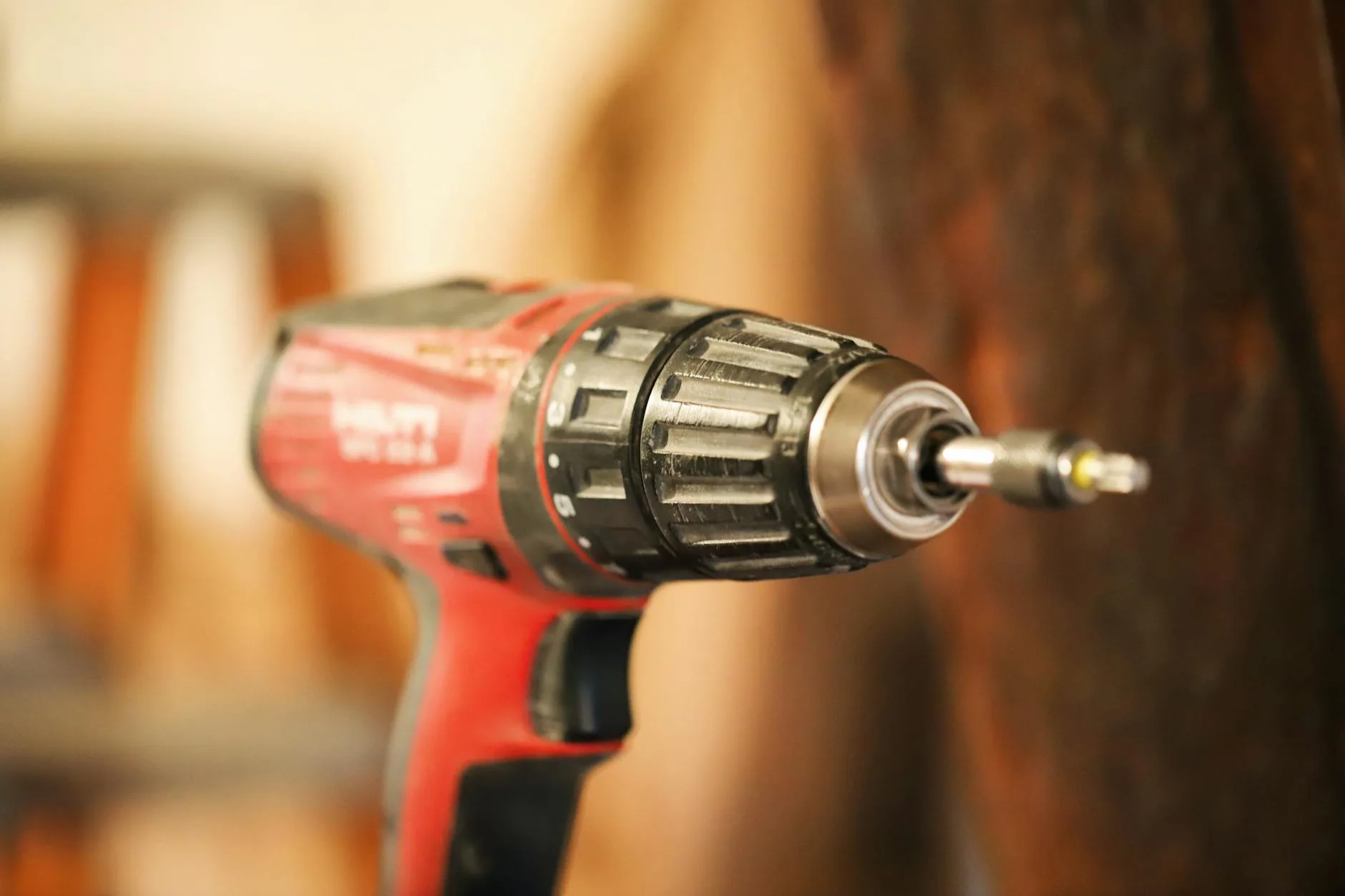
The smartest move when buying cordless tools is to pick a battery platform and stick with it. Most major brands use a single battery across their entire range:
- Bosch 18V POWER FOR ALL — shared across Bosch green (home) range. Also compatible with some Gardena, Husqvarna, and Wagner products
- Makita 18V LXT — the biggest professional platform. Hundreds of compatible tools including garden products
- Einhell 18V Power X-Change — excellent budget platform with a wide range of garden tools
- Ryobi ONE+ 18V — huge range of home and garden tools. Very popular in the UK
- DeWalt 18V/54V FlexVolt — premium professional range
Buying into a platform means your second and third tools come as “body only” (no battery or charger included), saving £30-60 per tool. One good battery and charger can serve your entire toolkit.
How Many Batteries Do You Need?
For most home gardeners: two batteries and one charger. Use one while the other charges. With a fast charger (30-60 minute charge time), you’ll never run out of power mid-session. A third battery is luxury, not necessity.
Runtime: How Long Will It Last?
Real-world runtime depends on the tool, the battery capacity, and how hard you’re working. Here’s what to expect from a 36V 4.0Ah battery:
- Hedge trimmer: 50-70 minutes of continuous cutting
- Leaf blower: 15-25 minutes on full power, 40-60 on low
- Grass trimmer: 30-45 minutes
- Lawnmower: 25-40 minutes (200-300m² of lawn depending on grass length)
- Chainsaw: 30-45 minutes of intermittent cutting
These are practical numbers from real use, not manufacturer claims (which assume ideal conditions and freshly sharpened blades). Wet grass, thick growth, and dull blades all reduce runtime.
Battery Life Over Time
Lithium-ion batteries degrade gradually. After about 500-800 charge cycles (roughly 3-5 years of typical domestic use), you’ll notice reduced runtime — maybe 70-80% of original capacity. The battery still works, it just doesn’t last as long. Replacement batteries cost £40-80 depending on the platform and capacity.
Store batteries in a cool, dry place (not a freezing garage in January — lithium batteries don’t like prolonged sub-zero temperatures). Keep them between 20-80% charge for long-term storage. Don’t leave them on the charger permanently.
Cost Comparison Over Five Years
Taking a hedge trimmer as an example:
Corded electric:
- Tool: about £50
- Running cost: negligible (pennies of electricity per use)
- 5-year total: about £50
Cordless 36V (with battery and charger):
- Tool + battery + charger: about £140
- Replacement battery at year 4: about £60
- 5-year total: about £200
Petrol:
- Tool: about £180
- Fuel and oil per year: about £15
- Service/maintenance per year: about £20
- 5-year total: about £355
Cordless sits in the middle. More expensive than corded, cheaper than petrol. The premium buys you convenience and freedom from cables. For a single tool, it’s a modest upgrade. Where the maths gets interesting is when you buy into a platform and your subsequent tools are body-only at £40-80 each — choosing the right leaf blower or adding a strimmer becomes much cheaper.
Making the Right Choice for Your Garden
Go Cordless If:
- Your lawn is under 300m²
- Your hedges are standard domestic species (privet, beech, box, laurel)
- You value convenience and quiet operation
- You’re willing to invest in a battery platform
- You garden in a residential area where noise matters
Stick with Corded If:
- Budget is the primary concern and you don’t mind managing cables
- You need sustained power for occasional heavy tasks (scarifying, rotavating)
- Your shed has a power socket nearby
Consider Petrol If:
- You have a large rural garden (500m²+ lawn, extensive hedgerows)
- You regularly process hardwood logs or fell trees
- You need maximum power for sustained periods
- Cold weather operation is a regular requirement
For most UK gardens — the typical suburban back garden with a lawn, a couple of hedges, and some borders — cordless is now the best all-round choice. The technology has caught up, the prices have come down, and the convenience is hard to overstate once you’ve used a cordless hedge trimmer without fighting a cable for the first time.
Frequently Asked Questions
Are cordless garden tools as powerful as corded? For domestic use, yes — a 36V cordless tool delivers comparable power to a corded electric equivalent. The main difference is runtime: corded tools never stop, while cordless tools depend on battery capacity. For typical UK gardens, a single battery charge handles most tasks.
How long do cordless garden tool batteries last? A lithium-ion battery typically lasts 500-800 charge cycles before noticeable degradation — roughly 3-5 years of regular domestic use. After that, runtime drops to about 70-80% of original capacity. Replacement batteries cost £40-80 depending on the brand and capacity.
Is it worth buying into a battery platform? If you plan to own more than one cordless tool, yes. Buying the second and subsequent tools as “body only” (without battery) saves £30-60 per tool. One or two good batteries can serve your entire garden toolkit.
Can cordless mowers handle long grass? They can, but battery drain increases noticeably. If grass has grown beyond about 8-10cm, the motor works harder and runtime drops. Regular mowing (every 1-2 weeks in growing season) keeps the mower working efficiently. For very long or rough grass, a petrol mower or strimmer may be more practical.
Do cordless tools work in the rain? Most cordless garden tools are rated for light rain exposure (IPX4 or similar) but not for submersion. Using them in light drizzle is fine. However, cutting wet grass or wet hedges is harder work for any tool — the material clogs more and blades work harder — so battery drain increases regardless of the power source.
Keep reading on Plot & Patio: How to Choose the Right Wheelbarrow for Your Garden, Hedge Trimmer Guide: How to Choose and Use Safely, How to Choose a Garden Shredder, How to Choose a Leaf Blower: Electric vs Petrol vs Battery.