For fast UK garden screening, cherry laurel is the quickest evergreen hedge to buy, hornbeam is the safer all-rounder for heavy soil, and yew is the best long-term formal hedge if you can wait. If you want privacy within two or three seasons, buy healthy 60-90cm plants, space them properly, and budget for watering in year one rather than spending everything on the tallest plants you can find.
In This Article
- Quick Answer: The Best Fast-Growing Hedge Plants for UK Gardens
- Best Hedge Plants for Different UK Garden Jobs
- How to Choose Between Fast-Growing and Evergreen Hedging
- Realistic UK Hedge Costs, Spacing and Plant Sizes
- Planting and First-Year Care That Makes the Hedge Fill Out
- Common Hedge Buying Mistakes to Avoid
- Frequently Asked Questions
Quick Answer: The Best Fast-Growing Hedge Plants for UK Gardens
For most UK gardens, cherry laurel is the buy for fast evergreen privacy, hornbeam is the tougher semi-evergreen boundary, and yew suits a neat, dark, long-lived hedge rather than instant height. If wildlife matters more than year-round screening, a mixed native hedge of hawthorn, blackthorn, hazel and dog rose is better than a single-species evergreen wall.
Best overall: cherry laurel
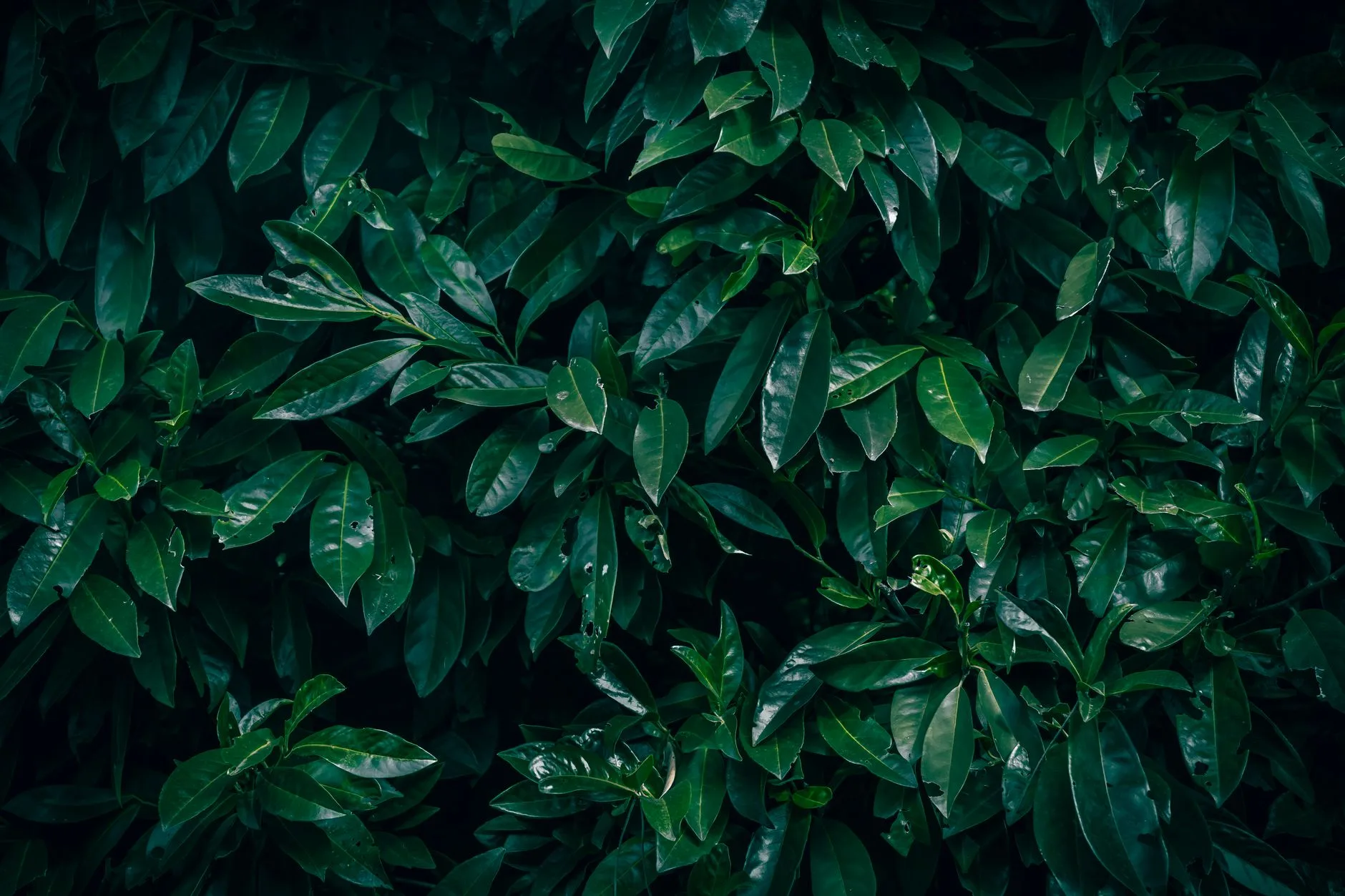
Cherry laurel is the best overall choice when the job is simple privacy. It grows quickly, has big glossy leaves, tolerates normal UK garden conditions, and looks full even in winter. The trade-off is that it needs room. In a very narrow front garden it can become a green mattress pressing into the path unless you clip it hard.
Expect to pay roughly £3.95-£5.50 per plant for 60-90cm bare-root or young hedging plants from UK hedging nurseries such as ScotPlants Direct, Hedges Direct or Hopes Grove. Potted plants usually cost more, often £7-£15 each, but they can be planted across more of the year.
Best for heavy soil: hornbeam
Hornbeam is the one I would choose for damp, heavier soil where beech sulks. It is not fully evergreen, but it often holds a good proportion of brown winter leaf if clipped as a hedge, then flushes fresh green in spring. It feels more garden-friendly than leylandii and less bulky than laurel.
Bare-root hornbeam is often around £1-£2.50 per plant depending on height and quantity. That makes it good value if you are planting a long boundary and can wait for it to fill in.
Best formal hedge: yew
Yew is slower, but it clips beautifully. If you want a smart boundary beside a patio, a shaped front-garden hedge, or a dark backdrop behind planting, yew looks expensive because, frankly, it usually is. Small bare-root yew can start around £1.80-£4 per plant, but larger potted or rootball plants climb quickly to £10-£35 each.
The big warning: yew dislikes sitting in wet soil. It is also toxic if eaten, so I would avoid it where pets or young children are likely to chew plants.
Best wildlife hedge: mixed native
A mixed native hedge is slower to look tidy, but it gives more back. Hawthorn, blackthorn, hazel, field maple and dog rose provide flowers, berries, cover and a less sterile boundary. The Woodland Trust’s guide to hedge planting and maintenance is worth reading if you want a hedge that behaves like habitat, not just a screen.
Native whips are usually the cheapest option at around 70p-£1.50 per plant when bought bare root in bundles. That is brilliant value for a long garden edge, though you need patience and a willingness to accept a looser look.
Best Hedge Plants for Different UK Garden Jobs
The right hedge depends on the job. A plant that is perfect beside a back fence can be a nuisance beside a narrow drive. Start with the result you want, then choose the plant.
For quick privacy from neighbours
Choose cherry laurel or Portuguese laurel. Cherry laurel is faster and bolder; Portuguese laurel is tidier, darker and a bit more refined. Portuguese laurel usually costs more, commonly £3.25-£7 per small bare-root or young plant, with potted plants often £10-£25 each.
For a normal suburban back garden that needs screening in a hurry, cherry laurel at 60-90cm is a better buy than very tall plants. Smaller plants often establish better, and you can spend the saving on compost, mulch and a proper watering setup.
For a neat front garden boundary
Choose yew, privet or box alternatives such as Lonicera nitida. Yew is the premium choice, privet is cheaper and faster, and Lonicera nitida is useful for low formal hedging where box blight is a worry.
Privet is not glamorous, but it works. Bare-root privet often costs about £1-£2 per plant, and it clips into a dense hedge quickly. The downside is that it can look bare if neglected and it is not as smart as yew.
For clay or damp ground
Choose hornbeam before beech. Beech looks lovely on free-draining soil, but hornbeam is more forgiving in heavier conditions. If your lawn stays wet after rain or your planting holes smear into shiny clay, hornbeam is usually the safer bet.
This is where matching the plant to the site matters more than chasing speed. A fast-growing hedge in the wrong soil becomes a slow-growing disappointment, which is the gardening version of buying the wrong size jeans because they were in the sale.
For shade
Choose yew, holly, Portuguese laurel or spotted laurel. Deep shade under trees is hard on most hedges, but these cope better than many. Our guide to shade-loving plants for UK gardens covers the wider planting problem if the whole border is gloomy.
Holly is slow and prickly, but it gives a strong evergreen boundary. Young holly hedging plants commonly cost £2.50-£6 each bare root or small potted, with larger potted plants more like £12-£30.
For a wildlife-friendly boundary
Choose a mixed native hedge and accept that it will look less instant than laurel. Hawthorn gives structure, blackthorn gives early blossom, hazel adds texture, and dog rose softens the whole thing. It is also much cheaper if you are planting several metres.
The RHS notes that hedges can provide shelter and food for wildlife, which is one reason I would use a native mix where privacy is not the only aim.
How to Choose Between Fast-Growing and Evergreen Hedging
Fast-growing and evergreen are useful labels, but they can trick you. Fast can mean more clipping. Evergreen can mean more water stress in the first year. The best hedge is the one that fits your garden after the honeymoon period.
Growth rate is only half the story
A fast hedge sounds good until you are cutting it three times a year. Cherry laurel may put on roughly 30-60cm a year in decent conditions; leylandii can grow even faster, which is exactly why it causes neighbour disputes and maintenance headaches.
For a small UK garden, avoid leylandii unless you have a very clear reason and enough space. A hedge that wants to become a tree line is not a bargain just because the starter plant was cheap at £3-£8.
Evergreen privacy versus seasonal softness
Evergreen hedges are best when you need winter screening: overlooked patios, kitchen windows, bins, drives and boundaries near seating areas. Deciduous hedges are better when you want seasonal change, wildlife value and a lighter feel.
Beech is the halfway house. It is deciduous, but clipped beech often keeps coppery leaves through winter. Bare-root beech is usually around £1-£2 per plant, so it is one of the best-value choices if your soil drains reasonably well.
Width matters more than people expect
Cherry laurel, Portuguese laurel and mixed native hedges need space front to back. If the bed is only 40cm deep, you will fight the plant forever. For narrow boundaries, yew, privet or Lonicera nitida are easier to keep slim.
This is also where a hedge may not be the right answer. If you need instant, slim privacy, a fence or screen may work better; our Best Garden Screens 2026 UK guide covers that route.
Maintenance should shape the decision
Think about clipping before buying. A soft native hedge can be cut once a year outside nesting season. Laurel may need one or two trims. Privet can need two or three. A formal yew hedge rewards careful clipping, but you have to enjoy neatness.
If you do not already own trimming kit, budget £50-£120 for a basic cordless hedge trimmer, £120-£250 for a stronger battery model, or read our Hedge Trimmer Guide before buying.
Realistic UK Hedge Costs, Spacing and Plant Sizes
Hedging costs are easy to underestimate because the plant price is only one line. You also need enough plants, decent soil preparation, mulch, watering and, sometimes, delivery. A 10m hedge can be cheap or quite painful depending on plant size.
Typical plant prices
For a normal UK garden hedge, realistic starting prices are:
- Mixed native whips: about 70p-£1.50 each bare root, usually sold in bundles.
- Beech or hornbeam: about £1-£2.50 each bare root for smaller plants.
- Privet: about £1-£2 each bare root, more for potted plants.
- Cherry laurel: about £3.95-£5.50 each bare root at 60-90cm, or £7-£15 potted.
- Portuguese laurel: about £3.25-£7 each for smaller plants, or £10-£25 potted.
- Yew: about £1.80-£4 for small bare-root plants, but £10-£35 for larger potted or rootball plants.
Prices move with height, season and bulk discounts. Bare-root hedging is cheapest from roughly November to March. Potted hedging costs more but gives you a wider planting window.
How many plants per metre?
Most hedges use 3-5 plants per metre depending on plant size and whether you plant in a single or staggered double row. For 60-90cm laurel, three per metre is often enough. For native whips, five per metre in a staggered double row gives a denser result.
A rough 10m budget might look like this:
- Mixed native hedge: 50 whips at £1 each = about £50, plus guards, mulch and delivery.
- Hornbeam hedge: 40 plants at £1.50 each = about £60, plus soil improver and mulch.
- Cherry laurel hedge: 30 plants at £4.50 each = about £135, plus compost, mulch and watering kit.
- Yew hedge: 40 small plants at £3 each = about £120, or much more if you buy larger plants.
Do not forget delivery. Hedging nurseries often charge £10-£30, and large rootball plants may cost more to ship.
Bare root, potted or instant hedge?
Bare-root plants are best value, but they are seasonal and look unimpressive on arrival. That is normal. Potted plants are more forgiving for timing and easier for small gaps. Instant hedging troughs look good immediately, but they can cost £80-£200+ per metre before installation.
I would only pay for instant hedge on a tiny, high-visibility stretch where the immediate result matters. For a long back boundary, bare root is usually the sensible money.
Soil prep and extras
Set aside another £20-£80 for compost or soil improver, £8-£15 per bag for bark mulch, and £10-£25 for a simple soaker hose if the hedge is more than a few metres. If rabbits or deer are a risk, guards and canes can add 60p-£2 per plant.
That does not sound exciting, but it is where a lot of hedge success lives. A well-watered smaller plant often beats a large stressed plant that was shoved into poor soil and left to fend for itself.
Planting and First-Year Care That Makes the Hedge Fill Out
Buying the right hedge is only the start. The first year decides whether it knits together or sits there looking resentful.
Plant at the right time
Bare-root hedging wants cool, damp months: usually November to March, avoiding frozen or waterlogged ground. Potted hedging can go in for much more of the year, but summer planting needs more watering and attention.
For spring planting, I would rather buy smaller, healthy potted plants than discounted bare-root stock that has been hanging around too long. Dry roots are not a bargain.
Prepare a trench, not isolated holes
A hedge is a line, so prepare it as a line. Clear weeds, dig a continuous trench, break up compacted soil, add organic matter where useful, and water the plants before and after planting. For poor soil, this matters more than buying a taller plant.
If you are building the hedge into a wider layout, our How to Plan a Garden Layout guide will help you avoid putting a hedge where it later blocks a path, patio or seating area.
Water properly in year one
New hedges need deep watering, not casual splashing. In dry spells, think in terms of soaking the root zone once or twice a week rather than sprinkling leaves. A soaker hose is not glamorous, but for £10-£25 it can save a hedge during a dry spring.
Evergreens are especially vulnerable because they keep losing moisture through leaves in winter and early spring. If a new laurel hedge browns at the edges, lack of water is often part of the story.
Mulch and trim lightly
Mulch helps hold moisture and suppress weeds. Keep it away from the stems, but cover the root zone. A few bags of bark at £8-£15 each is a better spend than squeezing in extra plants too close together.
Trim lightly to encourage branching, especially with bare-root plants. Do not butcher the hedge for shape in year one. You want roots and side shoots first, perfect lines later.
Common Hedge Buying Mistakes to Avoid
Most hedge regrets are predictable. They happen before the plants arrive.
Buying only for speed
Fast growth sounds like value, but it can create work. Leylandii is the classic mistake: cheap, quick and then suddenly too big. If you want fast evergreen screening, cherry laurel or Portuguese laurel is usually easier to live with in a garden.
Ignoring the mature width
A 60cm plant looks harmless in a pot. Five years later, the hedge may want 1m of depth. If that depth steals half the path or crowds a patio, you will resent it. For tight spots, choose a hedge that clips narrow from the start.
Buying too tall
Very tall plants give instant impact, but they cost more, need more watering and can rock in wind before they root. For most home gardens, 60-90cm plants are a good compromise. You get enough presence without paying instant-hedge prices.
Forgetting neighbours and boundaries
A hedge is alive, so it crosses lines if you let it. Plant far enough inside your boundary to clip both sides where needed. If the boundary is already awkward, sort that before planting. Plants do not make legal ambiguity more charming.
Skipping protection in exposed gardens
Wind, rabbits, footballs and summer drought all damage young hedges. Canes, spiral guards, mulch and temporary wind protection may add £20-£60 to a small hedge, but they can be the difference between a neat line and a patchy mess.
Treating hedging as separate from the rest of the garden
A hedge changes light, space and sightlines. Before buying, think about seating, lawn shape, borders and maintenance access. Our How to Create Garden Zones guide is useful if the hedge is part of a bigger redesign rather than a simple boundary.
The short version: cherry laurel for quick evergreen privacy, hornbeam for tough practical screening, yew for formal structure, and mixed native hedging when wildlife and value matter. Buy the plant that fits the site, not the one that looks biggest in the trolley.
Frequently Asked Questions
What is the fastest-growing evergreen hedge for UK gardens? Cherry laurel is usually the best fast evergreen hedge for normal UK gardens. It grows quickly, screens well in winter and is easier to manage than leylandii if you clip it regularly.
What is the cheapest hedge to plant? Mixed native bare-root whips are usually cheapest, often around 70p-£1.50 per plant when bought in bundles. Beech, hornbeam and privet are also good-value bare-root options.
Which hedge is best for privacy? Cherry laurel is the best quick privacy hedge for many gardens. Portuguese laurel is neater and more refined, yew is better for formal hedging, and hornbeam is a strong choice on heavier soil.
When should I plant a hedge in the UK? Bare-root hedging is best planted from November to March when plants are dormant and the ground is cool. Potted hedging can be planted for more of the year, but summer planting needs careful watering.
How many hedge plants do I need per metre? Most garden hedges need 3-5 plants per metre. Larger laurel plants may only need three per metre, while native whips often work best at five per metre in a staggered double row.
Is laurel better than privet? Laurel is better for quick evergreen privacy and a bold leafy screen. Privet is cheaper, slimmer and easier for smaller front boundaries, but it may not look as dense in winter if neglected.