There’s a particular kind of joy in seeing the first crocuses push through frozen soil in February. You planted them months ago, forgot about them entirely, and then one morning there they are — tiny purple and yellow flames in a garden that’s been grey since November. That’s the magic of bulbs. You do the work once, and nature does the rest, reliably, year after year, with almost no ongoing effort.
Garden bulbs are the easiest way to add colour to a UK garden across three seasons. Plant spring bulbs in autumn, summer bulbs in spring, and autumn bulbs in late summer, and you’ll have something flowering from February through to October. The upfront cost is minimal — a bag of 50 daffodil bulbs costs about £8 from a garden centre — and most bulbs naturalise, meaning they come back bigger and better each year without you doing anything at all.
In This Article
- When to Plant What
- Best Spring Flowering Bulbs
- Best Summer Flowering Bulbs
- Best Autumn Flowering Bulbs
- How to Plant Bulbs Properly
- Where to Buy Bulbs in the UK
- Container Planting with Bulbs
- Naturalising Bulbs in Grass
- Common Bulb Problems and Fixes
- Bulb Storage and Aftercare
- Frequently Asked Questions
When to Plant What
The UK Bulb Calendar
- September-November: Plant spring-flowering bulbs (daffodils, tulips, crocuses, hyacinths, snowdrops, alliums)
- March-May: Plant summer-flowering bulbs (dahlias, gladioli, lilies, crocosmia, begonias)
- August-September: Plant autumn-flowering bulbs (nerines, colchicums, autumn crocuses)
The general rule is simple: bulbs need a cold period to trigger flowering. Spring bulbs get that cold period over winter. Summer and autumn bulbs are planted after the last frost risk has passed because they’re less cold-hardy.
Don’t Panic About Timing
If you find a bag of tulip bulbs in the shed in December, plant them anyway. Late-planted bulbs flower later and shorter, but they’ll still flower. The only truly wrong time to plant a spring bulb is after the soil has warmed up in spring — by then, the cold trigger window has closed.
Best Spring Flowering Bulbs
Daffodils (Narcissus)
The quintessential British spring flower. Daffodils are virtually indestructible in UK conditions — they naturalise freely, tolerate poor soil, and resist most pests (squirrels and deer leave them alone because the bulbs are mildly toxic). Plant 10-15 cm deep in October or November.
Best varieties for UK gardens:
- ‘Tête-à-Tête’ — compact dwarf daffodil, perfect for pots and borders. About £4 for 25 bulbs
- ‘Carlton’ — classic large-cupped yellow, brilliant for naturalising in grass. About £6 for 50 bulbs
- ‘Thalia’ — elegant white, fragrant, looks stunning in drifts. About £5 for 15 bulbs
- ‘Jetfire’ — swept-back petals with an orange trumpet, early flowering. About £5 for 20 bulbs
Tulips
More dramatic than daffodils but less permanent — most tulip varieties treat as annuals in the UK, flowering brilliantly for one or two years then fading. The exception is species tulips (Tulipa sylvestris, T. turkestanica), which naturalise well in well-drained soil.
Best varieties:
- ‘Queen of Night’ — deep purple-black, almost gothic. About £4 for 15 bulbs
- ‘Ballerina’ — orange with a pointed petal shape, lightly fragrant. About £5 for 20 bulbs
- ‘Spring Green’ — white with green streaks, elegant and unusual. About £5 for 15 bulbs
Plant tulips later than daffodils — November is ideal. Planting in September can lead to tulip fire (a fungal disease that thrives in warm soil).
Crocuses
The first splash of colour in late winter. Crocuses appear in February, often pushing through snow, and signal that spring is coming. They’re tiny but brilliantly cheerful planted in drifts of 50+. They naturalise enthusiastically in grass.
- Crocus tommasinianus ‘Ruby Giant’ — purple, the best for naturalising. About £4 for 50 corms
- Crocus chrysanthus ‘Cream Beauty’ — pale yellow, delicate. About £5 for 30 corms
Alliums
The architectural statement of the spring bulb world. Alliums produce spherical flower heads on tall stems — the famous ‘Purple Sensation’ stands at 80-100 cm and looks like a lollipop made of tiny purple flowers. Plant in autumn, 10-15 cm deep.
- ‘Purple Sensation’ — the classic, about £5 for 15 bulbs
- ‘Globemaster’ — enormous 20 cm heads, about £4 per bulb (worth every penny)
- Allium christophii — silvery-purple stars, brilliant for drying. About £4 for 5 bulbs
Best Summer Flowering Bulbs
Dahlias
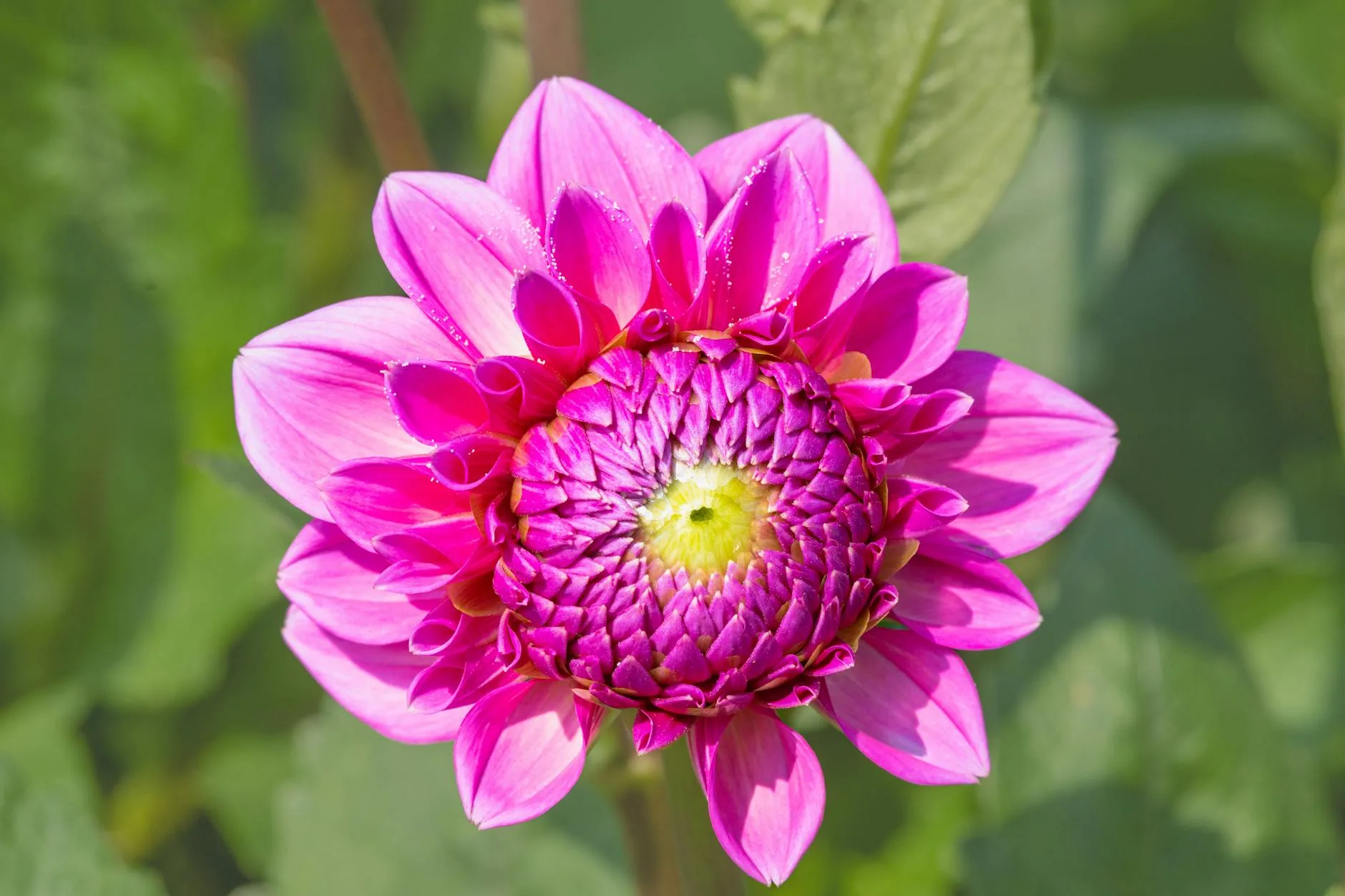
The stars of late summer. Dahlias flower from July until the first frost, producing an almost absurd quantity of blooms in every colour except blue. They need lifting in autumn in most UK areas (they’re not reliably hardy below -5°C), but the effort is worth it for the showiness.
Best varieties:
- ‘Bishop of Llandaff’ — scarlet flowers, dark bronze foliage. The RHS dahlia growing guide rates this an AGM (Award of Garden Merit) winner. About £5 for 3 tubers
- ‘Café au Lait’ — enormous blush-pink dinner-plate blooms, beloved by florists. About £4 per tuber
- ‘David Howard’ — warm orange, compact habit, dark foliage. About £4 for 3 tubers
Plant dahlia tubers in April-May after the last frost, about 10-15 cm deep. Stake tall varieties or the wind will flatten them in July.
Lilies
Elegant, fragrant, and easier than most people think. Lilies grow well in UK gardens in both borders and containers, provided the soil drains well — good plant supports help taller varieties stay upright too. Waterlogged bulbs rot — this is the most common reason lilies fail.
Best varieties:
- ‘Stargazer’ — pink with white edges and dark spots, intensely fragrant. About £4 for 5 bulbs
- ‘Casa Blanca’ — pure white, enormous blooms. About £5 for 3 bulbs
- ‘Enchantment’ — vivid orange, easy and reliable. About £4 for 5 bulbs
Gladioli
Tall, dramatic, and undeniably old-fashioned in the best way. Gladioli corms are planted in spring and produce sword-shaped flower spikes in July-August. They need lifting in autumn in most UK areas.
- ‘Plum Tart’ — deep plum-purple, striking in borders. About £4 for 15 corms
- Mixed colours — bags of mixed gladioli are the best value. About £6 for 50 corms
Best Autumn Flowering Bulbs
Nerines
Nerines are the forgotten autumn treasure. They flower in October when almost everything else has finished, producing clusters of pink, curly-petalled flowers on bare stems. Nerine bowdenii is the hardy UK species — it thrives in a sheltered south-facing border and actually flowers better when slightly congested.
- Nerine bowdenii — pink, the reliable one. About £5 for 5 bulbs
- Nerine bowdenii ‘Alba’ — white form, elegant. About £6 for 5 bulbs
Colchicums
Sometimes called autumn crocuses (though they’re not actually crocuses), colchicums produce large goblet-shaped flowers in September-October without any leaves — the foliage appears in spring. They’re startling when they pop up unexpectedly in a border.
- Colchicum autumnale — lilac-pink, native to the UK. About £4 for 5 corms
Cyclamen Hederifolium
Hardy cyclamen that flowers from September to November, then produces beautiful marbled foliage through winter and spring. Brilliant under trees where little else grows. Once established, they self-seed freely.
- About £5 for 5 tubers from specialist suppliers
How to Plant Bulbs Properly
The Basic Rule
Plant bulbs at a depth of roughly 2-3 times the bulb’s height. A 5 cm daffodil bulb goes 10-15 cm deep. A 3 cm crocus corm goes 6-9 cm deep. When in doubt, plant deeper rather than shallower — deep-planted bulbs are more protected from frost and squirrels.
Planting Steps
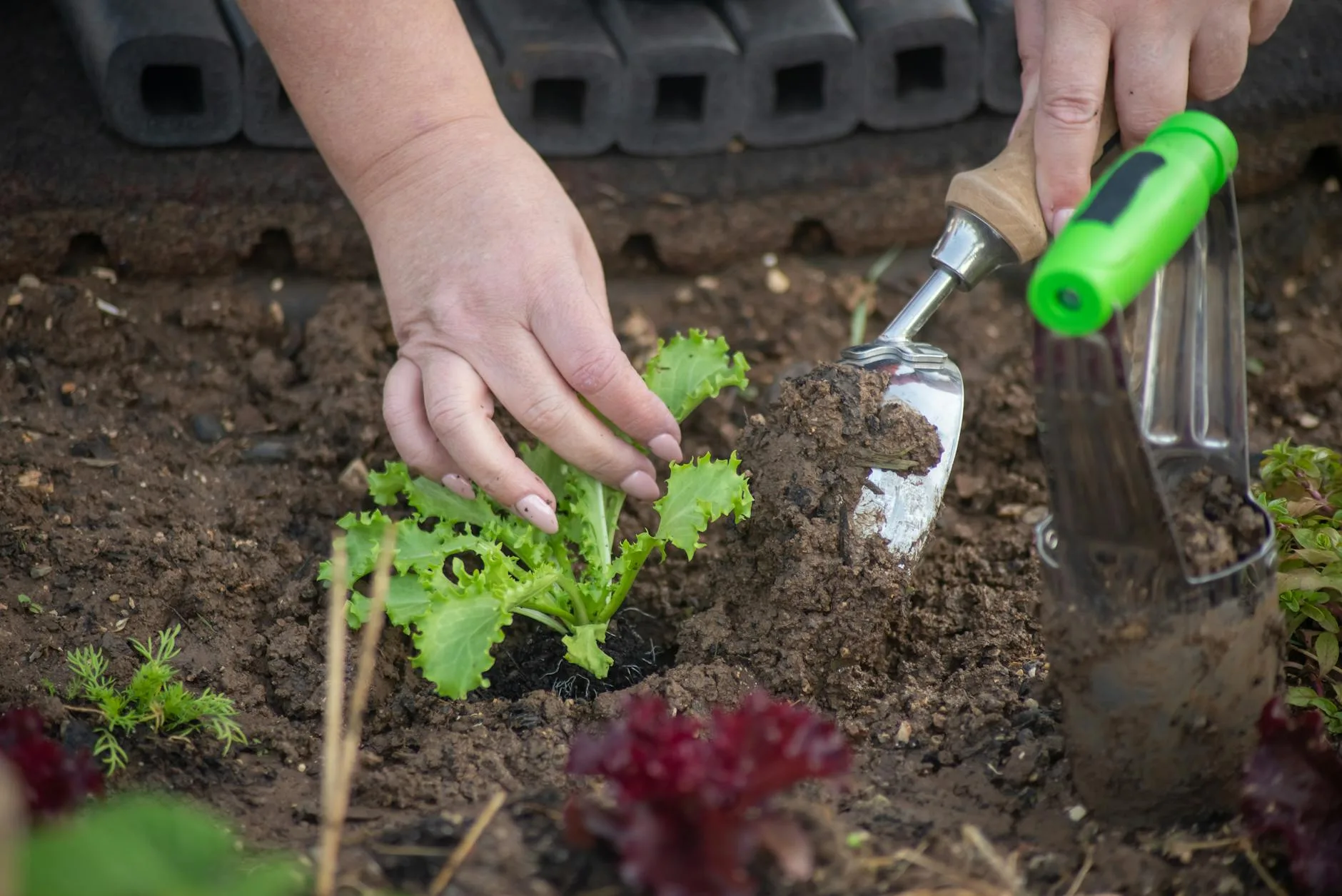
- Dig a hole to the right depth (use a bulb planter tool for speed, or a trowel)
- Place the bulb pointed end up — the pointed end is where the shoot emerges
- Space bulbs appropriately: 10-15 cm apart for daffodils and tulips, 5-8 cm for crocuses
- Backfill with soil and firm gently
- Water in if the soil is dry — autumn-planted bulbs need moisture to start rooting
Soil Preparation
Most bulbs need decent drainage. If your soil is heavy clay (common in much of the UK), add a handful of grit to the planting hole. Bulbs sitting in waterlogged soil rot. Sandy soils drain too quickly and may need organic matter added to hold moisture during the growing season.
Where to Buy Bulbs in the UK
Best Sources
- Garden centres (Dobbies, Wyevale, local independents) — buy in September/October for the best selection. You can inspect the bulbs for firmness and size
- Online specialists — Peter Nyssen, J. Parker’s, and Sarah Raven offer wider variety and better quality than supermarkets
- Supermarkets (Aldi, Lidl) — seasonal offers in autumn can be excellent value. Quality varies but the price is hard to beat for naturalising daffodils
- RHS plant sales — the annual RHS shows often have specialist bulb nurseries selling unusual varieties
What to Look For
Buy the biggest bulbs you can find — larger bulbs produce bigger flowers in the first year. Reject any that feel soft, look mouldy, or show signs of sprouting (unless it’s November and they’re spring bulbs, in which case some sprouting is normal). Firm, plump bulbs with intact papery skins are what you want.
Container Planting with Bulbs
The Lasagne Method
Layer different bulbs at different depths in a large pot — like a lasagne. The deepest layer flowers first, the middle layer next, and the shallowest layer last, giving you weeks of continuous colour from one container.
Example pot (40 cm diameter, 35 cm deep):
- Bottom layer (20 cm deep): 5 tulip bulbs — flower in April
- Middle layer (12 cm deep): 8 daffodil bulbs — flower in March
- Top layer (5 cm deep): 15 crocus corms — flower in February
Cover with multipurpose compost, water, and leave outside through winter. The crocuses emerge first, followed by the daffodils pushing through the crocus foliage, then the tulips rising above everything. It works beautifully.
Container Tips
- Use pots at least 30 cm deep — shallow pots don’t give bulbs enough insulation
- Ensure drainage holes — waterlogging kills bulbs faster than frost
- Use loam-based compost (John Innes No. 2 or 3) mixed with grit — it drains well and has weight to stop pots blowing over
Naturalising Bulbs in Grass
How It Works
Naturalising means planting bulbs in grass and leaving them to multiply year after year. The classic English garden look — daffodils and crocuses scattered through a lawn — is achieved this way. The key requirement: you must leave the grass uncut until the bulb foliage has died back naturally (usually June for daffodils), which means accepting a scruffy lawn for a few weeks.
Best Bulbs for Naturalising
- Daffodils — the easiest and most reliable
- Crocuses — especially C. tommasinianus which self-seeds freely
- Snowdrops — best planted “in the green” (while still in leaf) rather than as dry bulbs
- English bluebells (Hyacinthoides non-scripta) — only plant the native species, not the invasive Spanish bluebell
Planting Technique
Scatter the bulbs across the grass and plant them where they land — this creates a natural, random distribution. Use a bulb planter tool to cut a plug of turf, drop the bulb in, and replace the plug. It takes time (expect an hour for 100 bulbs) but the result lasts decades.
Common Bulb Problems and Fixes
Blind Bulbs (Leaves but No Flowers)
The most common complaint. Causes: bulbs planted too shallow, overcrowding (they need dividing), foliage was cut too early last year (it feeds next year’s flower), or poor soil nutrients. Fix: lift and divide congested clumps after foliage dies back, replant at the correct depth, and feed with a high-potash fertiliser (tomato feed works) after flowering.
Squirrel Damage
Squirrels dig up freshly planted bulbs — especially tulips and crocuses. They leave daffodils alone (toxic). Fix: lay chicken wire over the planting area and remove it once shoots appear. Alternatively, plant deeper or choose squirrel-proof bulbs (daffodils, alliums, snowdrops).
Bulb Rot
Soft, mushy bulbs that smell unpleasant have rotted, usually from waterlogged soil. Prevention: improve drainage by adding grit. Never plant bulbs in standing water or heavy clay without amending the soil first.
Tulip Fire
A fungal disease causing distorted, streaked leaves and failed flowers. Most common in warm, wet autumns when tulips are planted too early. Prevention: plant tulips in November (not September), remove and destroy affected foliage, don’t replant tulips in the same spot for three years.
Bulb Storage and Aftercare
After Flowering
Leave the foliage in place until it yellows and dies back naturally — this takes 6-8 weeks after flowering. The leaves are photosynthesising and feeding the bulb for next year’s flowers. Cutting them early is the number one cause of blind bulbs the following year. Protecting plants through their full cycle applies just as much to aftercare as to winter protection.
Lifting and Storing Tender Bulbs
Dahlias, gladioli, and begonias need lifting in autumn before the first hard frost:
- Cut back the stems to 10-15 cm after the first frost blackens the foliage
- Carefully dig up the tubers/corms with a fork
- Shake off excess soil (don’t wash — moisture causes rot in storage)
- Dry in a cool, airy place for a week
- Store in paper bags or boxes of dry compost in a frost-free shed or garage
- Check monthly through winter for rot or desiccation
Hardy Bulbs
Daffodils, crocuses, alliums, and snowdrops can stay in the ground year-round. They don’t need lifting or storing — just leave them alone and they’ll come back.
Frequently Asked Questions
When is the best time to plant bulbs in the UK? September to November for spring-flowering bulbs (daffodils, tulips, crocuses). March to May for summer-flowering bulbs (dahlias, gladioli, lilies). Tulips specifically should go in during November to reduce the risk of tulip fire disease.
How deep should I plant bulbs? As a general rule, plant at a depth of 2-3 times the bulb’s height. A 5 cm bulb goes 10-15 cm deep. When in doubt, plant deeper — it protects against frost, squirrels, and accidental disturbance.
Do I need to dig up bulbs every year? Only tender bulbs like dahlias, gladioli, and begonias, which aren’t reliably hardy in UK winters. Hardy bulbs (daffodils, crocuses, alliums, snowdrops) stay in the ground permanently and come back year after year.
Why didn’t my bulbs flower this year? Common causes: foliage was cut back too early last year, bulbs were planted too shallow, overcrowding (need dividing), or poor soil nutrients. Feed with tomato fertiliser after flowering and leave foliage to die back naturally for 6-8 weeks.
Can I plant bulbs in pots? Yes — containers work brilliantly for bulbs. Use pots at least 30 cm deep with drainage holes, fill with loam-based compost mixed with grit, and try the lasagne method (layering different bulbs at different depths) for weeks of continuous colour.
Keep reading on Plot & Patio: Best Seed Starting Kits 2026 UK: Propagators & Heat Mats, How to Grow Herbs in Pots: A Beginner’s Guide, How to Protect Plants from Frost, Best Plant Supports 2026 UK: Trellises, Obelisks & Grow Frames.