You have measured the patio, moved the chairs twice, and there is still one dead corner that makes the whole space feel unfinished. The right planter fixes that faster than another cushion set: it gives you height, colour, screening and somewhere useful to grow herbs, grasses or a small tree. For most UK patios, the best outdoor planter large UK option is a frost-resistant fibreclay or recycled-plastic trough around 70-100cm wide, because it looks tidy, holds enough compost to stay damp, and does not need two people and a trolley every time you want to move it.
In This Article
- Quick Picks: The Best Outdoor Planters for Most UK Patios
- What Makes a Good Large Outdoor Planter?
- Best Overall: Large Fibreclay Trough Planters
- Best Budget: Recycled Plastic Planters
- Best Modern: Metal and Corten-Style Planters
- Best Self-Watering Planters for Busy Homes
- Best Planters for Screening a Patio
- How to Choose the Right Size
- What to Plant in Large Outdoor Planters
- Common Mistakes That Make Planters Look Cheap
- Final Verdict
- Frequently Asked Questions
Quick Picks: The Best Outdoor Planters for Most UK Patios
If I were buying for a normal British patio rather than a magazine shoot, I would spend money on size and drainage before clever styling. A small pot can look lovely in a garden centre, then disappear once it is next to a dining set, barbecue and fence panel. Large planters earn their keep because they give plants enough root space and make the patio look designed rather than dotted with leftovers.
Best overall choice
The safest all-round buy is a large fibreclay trough planter, usually about £70-150 depending on size. Look at ranges from B&Q, Crocus, Primrose, Garden Trading, John Lewis and Amazon UK. Fibreclay gives you the look of stone or concrete without the same weight, and it suits modern porcelain patios as well as softer cottage-style gardens.
My ideal size for one statement planter is around 80cm wide, 35-45cm deep and 35-50cm high. That gives enough compost for lavender, grasses, compact shrubs, herbs or a small bay tree. Anything much smaller starts to dry out quickly in July, especially against a south-facing wall.
Best value choice
For value, recycled-plastic troughs and tall square planters are hard to beat. You can find decent options from Elho, Stewart Garden, Keter-style ranges and supermarket garden sections for about £20-70. They are light, frost-resistant and forgiving if children kick a football into them. They can look a bit plasticky close up, but dark grey, black, olive and terracotta finishes usually age better than shiny bright colours.
Best low-maintenance choice
For anyone who forgets to water pots, self-watering planters are worth considering. I would not fill a whole patio with them, because some look bulky, but one or two for herbs, salad leaves or thirsty summer bedding can save a lot of sad crispy leaves. Expect to pay £30-120 for a good self-watering planter, with Lechuza sitting at the smarter end.
What Makes a Good Large Outdoor Planter?
A good planter is not just a nice-looking box. It has to survive wet winters, summer heat, awkward watering habits and the weight of compost once everything is soaked.
Drainage matters more than the finish
The first thing I check is drainage. A planter without drainage holes is a decorative cachepot, not a serious outdoor planter. In UK weather, waterlogged compost is the quickest way to kill herbs, lavender and many shrubs. If you love the look of a pot but it has no holes, either drill it if the material allows, or keep the plant in an inner nursery pot so excess water can escape.
The RHS container gardening guidance is worth reading if you are new to patio planting, because it explains how quickly container-grown plants depend on watering, feeding and compost volume. That is the boring bit people skip, then wonder why the expensive olive tree looks sulky by August.
Weight is a real patio issue
Large ceramic and stone planters look beautiful, but think about who is moving them. A 90cm stone trough filled with wet compost can become a permanent object. That is fine if you know exactly where it belongs. It is less fine if you are still working out the layout.
For most patios I prefer a middle ground:
- Fibreclay: stone-like look, manageable weight, usually frost-resistant.
- Recycled plastic: light, cheap, tough and easy to clean.
- Fibreglass: smart and light, often pricier, good for contemporary patios.
- Timber: warm and natural, but needs lining and occasional maintenance.
The colour should suit the hard landscaping
The easiest mistake is choosing a planter colour in isolation. Take a photo of the patio before buying. If you have pale porcelain slabs, black or charcoal planters can look crisp. If you have sandstone or older concrete paving, warm grey, terracotta, olive green or weathered timber often sits better.
I am wary of very bright planters unless the rest of the garden is deliberately playful. The plants should do most of the colour work. The planter is the frame.
Best Overall: Large Fibreclay Trough Planters
Large fibreclay troughs are the planters I would pick for most patios because they balance looks, weight and practicality. They mimic stone, concrete or lead-style finishes, but you can still move them before filling if you need to tweak the layout.
Who they suit
They are especially good for patios where you want a more finished, grown-up look without paying the cost of real stone. One long trough against a fence can make a small patio feel intentional. Two matching troughs beside bifold doors can soften a modern extension. Three staggered planters can mark the edge between a dining area and a lawn.
Good uses include:
- Lavender and rosemary: good for sunny patios if drainage is sharp.
- Ornamental grasses: useful for movement and screening without bulk.
- Compact shrubs: pittosporum, hebes, euonymus and dwarf conifers work well.
- Small trees: bay, olive and acer can work if the planter is deep enough.
What to spend
Budget around £70-120 for a decent 70-90cm trough, and £150-250 for larger premium pieces. If the planter is going by the front door or next to the main seating area, I think the extra spend is easier to justify. A good large planter is visible every day and can last years.
The weak point is impact damage. Fibreclay can chip if it is knocked hard, and cheaper versions sometimes have thin walls. If it feels flimsy when empty, it will not magically improve once it has wet compost pressing against it.
Best Budget: Recycled Plastic Planters
Recycled plastic planters are not glamorous, but they solve plenty of real patio problems. They are light, cheap, widely available and much easier to live with than people expect.
Where plastic makes sense
I would use plastic where the planter is partly hidden by planting, where weight matters, or where you need several matching pots without spending hundreds. They are also good for rented homes because you can take them with you without needing a van and a favour.
For a family patio, plastic has a lot going for it. It does not crack as easily as ceramic, it is easy to hose down, and it is safer around children than a heavy pot that can chip or topple. The better ones now use matte finishes and ribbed textures, which look much less shiny than older plastic tubs.
What to avoid
Avoid thin, bendy planters for permanent use. If the sides flex when you press them, they may bulge once filled. Also be careful with very dark plastic in full sun. It can heat the compost, which is not ideal for shallow-rooted herbs and bedding plants during hot spells.
If you are using budget planters, buy slightly bigger than you think. A generous plastic planter with healthy planting usually looks better than a small expensive pot with a stressed shrub.
Best Modern: Metal and Corten-Style Planters
Metal planters suit modern patios, new extensions and spaces with black-framed doors, porcelain paving or slatted fencing. They give a clean architectural look that timber and terracotta rarely match.
Powder-coated steel and aluminium
Powder-coated steel or aluminium planters are good for sharp, contemporary layouts. Black, anthracite and bronze finishes work well with grasses, clipped evergreens and white flowers. The look is calm and confident, which is exactly what many patios need.
The downside is heat and scratching. Metal can warm up in direct sun, and cheap coatings chip. If you are placing one where chairs or bikes will knock it, choose a textured finish or accept that it will collect marks.
Corten-style planters
Corten-style planters have that rusty orange finish you see in show gardens. They can look excellent with grasses, olive trees, lavender and dark paving. My caution is that real weathering steel can stain pale paving while it settles. If you have expensive porcelain or light sandstone, check the supplier’s advice and consider raising the planter on discreet feet.
They also have a strong look. One large Corten planter can be brilliant. Six can make a small patio feel like an office courtyard.
Best Self-Watering Planters for Busy Homes
Self-watering planters still need checking in hot weather. The RHS guide to watering containers explains why pot size, compost volume and exposure change how often plants need topping up, even when there is a reservoir underneath.
For taller schemes, combine planters with our best garden screens for privacy guide so the planting, screening and wind exposure work together rather than fighting each other.
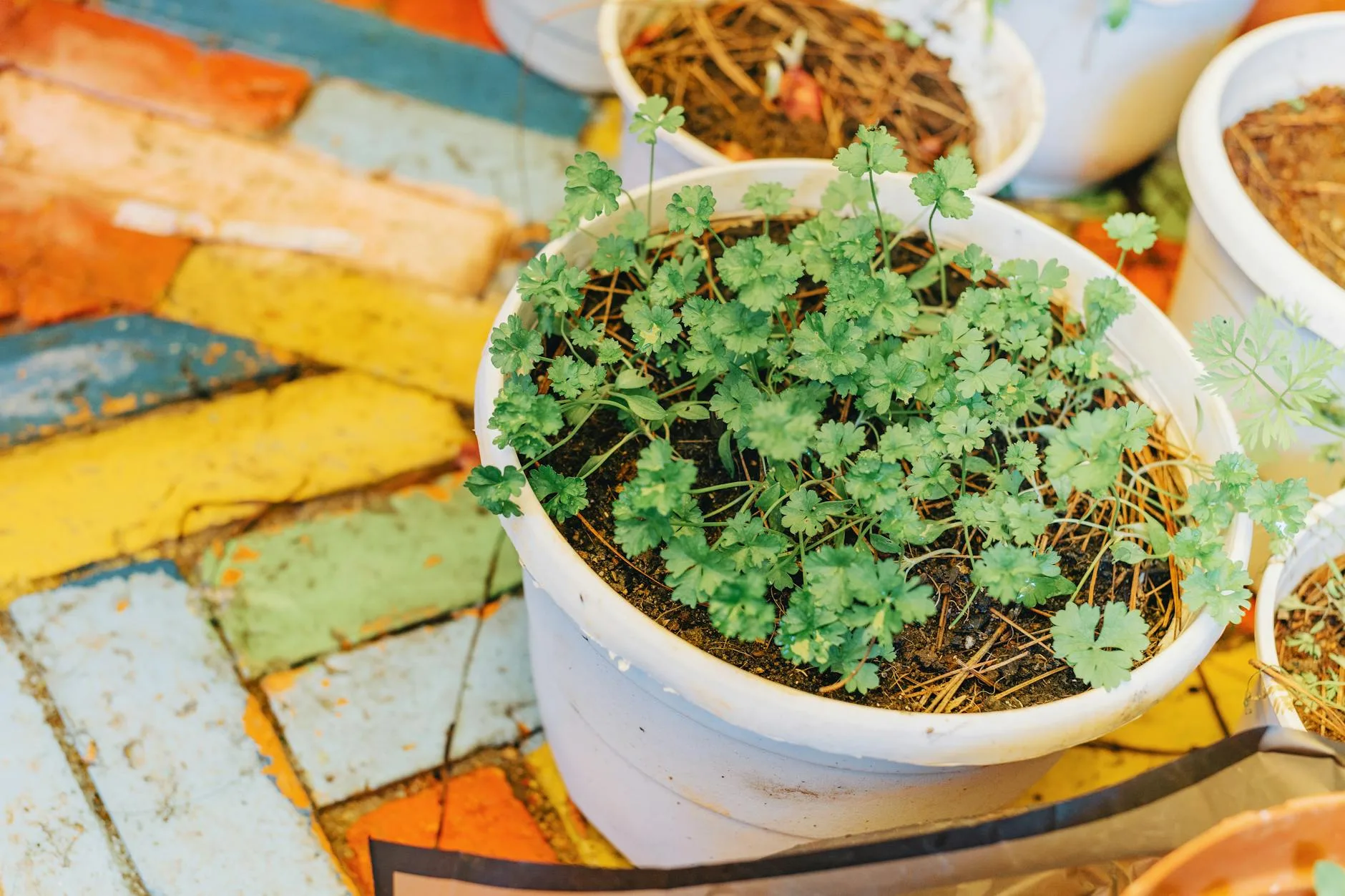
Self-watering planters are useful if you travel, forget watering, or have a hot patio that dries pots quickly. They usually have a water reservoir below the compost and a wick or capillary system that lets the plant take up moisture over time.
Where they work best
They work best with thirsty, leafy plants: herbs, salad leaves, tomatoes, bedding, strawberries and some houseplants moved outside for summer. They are less useful for Mediterranean plants that hate sitting damp, such as lavender and rosemary. Those plants prefer free-draining compost and a bit of neglect.
I like self-watering planters near kitchen doors because they make herbs easier to keep alive. Basil, parsley, mint and coriander all sulk if they dry out for too long. A reservoir buys you a margin of error.
What to check before buying
Check the reservoir size, overflow drainage and filling method. Some cheaper versions are awkward to fill once plants have grown over the opening. Better models have a clear water-level indicator and an overflow so heavy rain does not turn the whole thing into soup.
Expect to pay:
- £15-30: small herb and windowsill-style planters.
- £30-70: patio troughs and balcony boxes.
- £80-150: smarter Lechuza-style planters for doors and seating areas.
Best Planters for Screening a Patio
If the planter is part of a wider privacy scheme, our garden zones design guide can help you decide where screening, seating and planting should sit before buying oversized troughs.
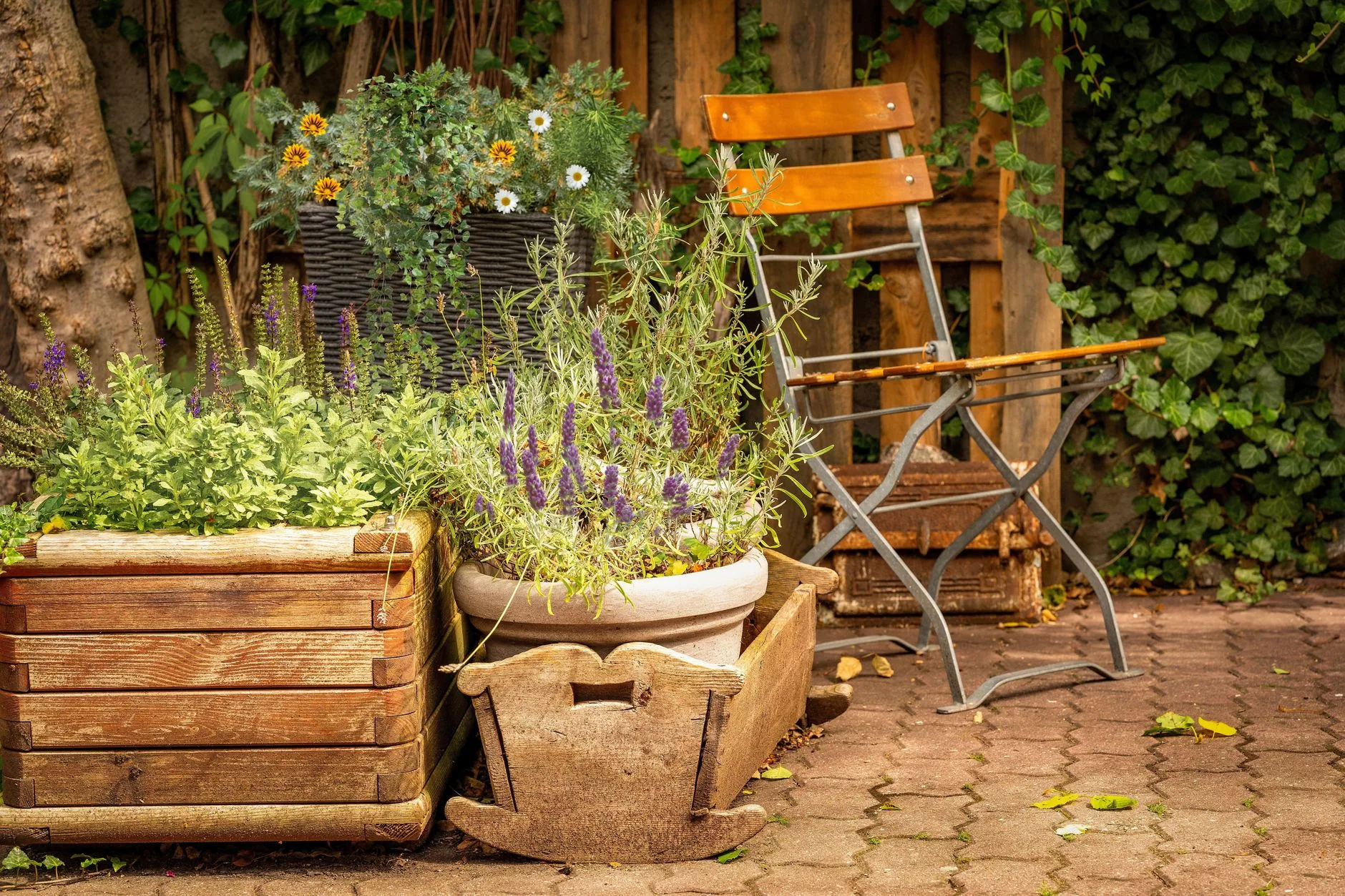
Planters are one of the easiest ways to add privacy without building a new fence. They are especially useful if you want to soften a boundary, screen a neighbour’s window, or create a more tucked-away dining space.
Use troughs rather than round pots
For screening, long troughs usually work better than round pots because they create a continuous line of planting. A row of three 80cm troughs can soften several metres of fence. Round pots leave gaps and look more decorative than structural.
Good screening plants include bamboo in contained planters, tall grasses, pleached-style small trees, bay lollipop trees, climbing jasmine on a trellis, and evergreen shrubs. Be careful with bamboo: choose clump-forming varieties and keep them container-bound. Running bamboo has no respect for your plans.
If privacy is the main goal, you may also find our guide to garden screens for privacy and wind protection useful, because screens and planters often work best together.
Match plant height to planter depth
Tall planting needs a stable base. A narrow planter with a 1.8m trellis becomes a sail in windy weather. On exposed patios, choose wide troughs, heavier materials or planters that can sit against a wall or fence. Add crocks or coarse gravel at the base only if the planter still has enough compost volume above. Too much drainage material can reduce root space.
How to Choose the Right Size
For layout, pair large pots with the ideas in our small patio ideas guide and use our patio dining set size guide so planters do not steal chair space. If you want planting that survives normal British neglect, our low-maintenance plants guide is a useful shortlist. The RHS also has broad container gardening advice covering plant choice, watering and seasonal displays.
The right size depends on what the planter is doing. A decorative pot beside a chair can be modest. A planter used for screening, structure or a small tree needs real volume.
For doors and focal points
For either side of a front door or patio door, I would start at 40-50cm diameter or width. Anything much smaller can look mean next to a doorway. Tall square planters work well here because they lift the planting and give shape without needing a huge footprint.
Bay, olive, clipped box alternatives and compact conifers all suit this role. Just make sure you can water easily. Doorway planters are often under overhangs, so they miss rainfall.
For troughs and boundaries
For a boundary or dining-area edge, choose troughs at least 70cm wide and 30cm deep. If you want grasses, shrubs or climbers, go deeper. A 20cm-deep trough is fine for bedding plants, but it is not enough for long-term structure.
One practical trick: map the footprint with cardboard or masking tape before buying. Large planters look smaller online than they do when they block the route between the barbecue and the table.
What to Plant in Large Outdoor Planters
Choose the plant for the conditions, not just the Instagram look. A sunny patio, shaded courtyard and windy roof terrace need different planting.
Sunny patios
Sunny patios suit lavender, rosemary, thyme, salvias, agapanthus, olive trees, bay, grasses and pelargoniums. Use free-draining compost and avoid overwatering Mediterranean plants. They often die from wet roots rather than thirst.
For a low-care planting scheme, pair evergreen structure with seasonal colour:
- Structure: bay, pittosporum, euonymus or dwarf conifer.
- Movement: stipa, carex or pennisetum grasses.
- Scent: lavender, rosemary, thyme or jasmine.
- Colour: violas, geraniums, salvias or bulbs.
Our guide to low-maintenance plants for UK gardens is a good next stop if you want resilient choices rather than needy bedding.
Shady patios
Shady patios need a different approach. Ferns, hostas, heucheras, hydrangeas, skimmia, fatsia and ivy can all work. Avoid lavender and olive trees in deep shade. They might survive, but they will not give you the silver-leaved, sun-baked look you wanted.
In shade, planter colour matters more because flowers may be less abundant. Pale stone, warm terracotta and soft green planters can lift a dark corner. Black planters in a gloomy courtyard can look heavy unless the surrounding walls are light.
Common Mistakes That Make Planters Look Cheap
Most planter mistakes are not about budget. They are about scale, repetition and care.
Buying too many small pots
Five small pots often look messier than two large ones. Small pots dry out faster, blow over more easily and create visual clutter. If the patio already has chairs, cushions, toys, barbecue tools and a washing line, lots of small pots can tip it into chaos.
One large trough with three plants usually looks calmer than five unrelated pots bought over several summers. I would rather have fewer, better-scaled planters than a collection that needs watering twice a day.
Ignoring the planting height
A planter is only half the object. The plant above it matters just as much. A tall planter with tiny bedding plants can look odd. A shallow bowl with a top-heavy shrub can look unstable. Think of the combined height and width.
For seating areas, avoid plants that jab people in the face or drop sticky mess onto cushions. Around dining spaces, herbs, grasses, compact shrubs and scented plants are safer than thorny roses or spiky yuccas.
Forgetting winter
Patios look bare in winter if every planter relies on summer bedding. Include at least some evergreen structure. A bay tree, carex grass, hebe, skimmia, ivy or dwarf conifer keeps the space alive when the furniture is covered and the barbecue has gone quiet.
Also check frost resistance. Cheap ceramic pots can crack when wet compost freezes. Raise planters slightly on feet during winter so water can drain. It is a small detail, but it saves a lot of cracked pots.
Final Verdict
For most UK patios, I would buy one or two large fibreclay trough planters first, then add recycled-plastic or self-watering planters where practicality matters more than show. Go larger than feels comfortable online, choose a restrained colour, and spend time on the planting mix. A planter full of healthy grasses, herbs and evergreen structure will always look better than an expensive empty pot with one lonely plant in the middle.
If your patio is tiny, start with one strong planter rather than trying to decorate every edge. If the space is overlooked, use troughs with tall grasses or climbers. If you mainly want herbs outside the kitchen door, a self-watering trough is probably the most useful buy. The best outdoor planter is the one that makes the patio easier to use, not just nicer to photograph.
Frequently Asked Questions
What is the best material for large outdoor planters in the UK?
Fibreclay is the best all-round material for many UK patios because it looks like stone or concrete but is lighter and usually frost-resistant. Recycled plastic is better if budget, weight or family durability matters more. Real stone and ceramic look beautiful, but they are heavy and can crack if water freezes inside the pot.
How big should an outdoor planter be for shrubs?
For compact shrubs, start with a planter at least 40cm wide and 40cm deep. Larger shrubs, small trees and screening plants need more root space, so 60cm+ width and good depth is safer. Bigger planters also dry out more slowly, which helps during warm weather.
Do outdoor planters need drainage holes?
Yes. Outdoor planters need drainage holes unless they are being used only as decorative outer pots. UK rain can quickly waterlog compost, especially in winter. If water cannot escape, roots can rot and frost damage becomes more likely.
Are self-watering planters worth it?
Self-watering planters are worth it for herbs, salad leaves, summer bedding and thirsty patio plants, especially if you travel or forget to water. They are less suitable for Mediterranean plants such as lavender, rosemary and olive trees, which prefer sharper drainage.
What plants look good in modern outdoor planters?
Modern planters work well with ornamental grasses, bay trees, olive trees, pittosporum, lavender, rosemary, agapanthus and clipped evergreens. Keep the plant palette fairly simple. Repeating three or four plant types usually looks smarter than mixing lots of unrelated colours and shapes.