A useful UK planting calendar tells you what is worth sowing now, what needs cover, and what should wait until the soil warms up. The month matters, but the real decision is soil temperature, frost risk and how much daylight the plant will get before it runs out of season.
In This Article
- How to Use a UK Planting Calendar Monthly Without Getting Caught Out
- January to February: Plan, Order and Start Indoors
- March to April: Hardy Sowing and First Outdoor Planting
- May to June: Tender Crops and Main Outdoor Planting
- July to August: Succession Sowing and Autumn Crops
- September to October: Bulbs, Garlic and Winter Prep
- November to December: Bare Roots, Protection and Reset
- Frequently Asked Questions
How to Use a UK Planting Calendar Monthly Without Getting Caught Out
A UK planting calendar monthly plan is a guide, not a command. Cornwall, Kent, Glasgow and the Pennines do not share the same spring. A south-facing raised bed in Oxfordshire can be ready weeks before a heavy clay border in North Yorkshire.
Use the calendar in three layers:
- Month: gives the broad window for sowing, planting and protecting.
- Weather: decides whether you go early, hold back or use fleece/cloches.
- Space: tells you whether to sow more, wait for a gap, or use containers instead.
The biggest mistake is rushing tender crops because a seed packet says “sow from March”. Tomatoes, courgettes, French beans, basil and bedding plants hate cold nights. Starting them too early without warmth often gives you leggy plants that sulk for weeks.
For food crops, the RHS crop planner is a useful backbone because it shows sowing, planting and harvesting windows across the year. I still prefer writing my own version on paper, because your garden has its own habits: the damp corner, the sunny wall, the bed that dries out first, the slug hotel behind the shed.
Price-wise, the basic kit does not need to be fancy. Wilko lists many Thompson & Morgan vegetable seed packets around £3, B&Q peat-free multi-purpose compost is often about £7 for 50L, and a 30L grow bag can be around £5 or 3 for £12. Spend more on good compost and fresh seed for crops you care about; reuse pots and labels where you can.
If you are starting from scratch, our vegetable garden from scratch guide covers bed setup in more detail. This article is the month-by-month planting layer.
January to February: Plan, Order and Start Indoors
January and February are not dead months. They are planning months with a little protected sowing if you have a bright windowsill, heated propagator or greenhouse.
What to plant or start
In January, focus on planning and slow starters:
- Chillies and aubergines: sow indoors with warmth if you have a heated propagator.
- Onion seed: start indoors for stronger plants, or wait for sets later.
- Sweet peas: sow in deep pots indoors or under cover.
- Bare-root fruit bushes and trees: plant while dormant if the ground is not frozen or waterlogged.
February opens up a little:
- Broad beans: sow under cover or outdoors in milder areas.
- Early peas: start in guttering or modules under cover.
- Tomatoes: only start now if you have warmth and good light.
- Hardy annuals: sow under cover for earlier flowers.
The useful spend here is controlled. A basic windowsill propagator is about £8-£15; a heated propagator is more like £25-£60 from Amazon UK, B&Q or garden centres. If you only sow a few salad leaves, skip the heated kit. If you grow chillies every year, it earns its space.
What to avoid
Do not fill every windowsill with tomatoes in February unless you can give them light. Weak tomato seedlings become a nuisance before they become plants. They stretch, lean and need potting on while the greenhouse is still freezing.
Seed compost is worth buying fresh at this stage. A small bag is usually about £5-£8. Old, wet compost from behind the shed can work for potting hardy plants, but it is a poor start for precious chillies and tomatoes.
If seed-starting is your weak point, our seed starting kits guide explains where a propagator or heat mat is useful and where a simple tray is enough.
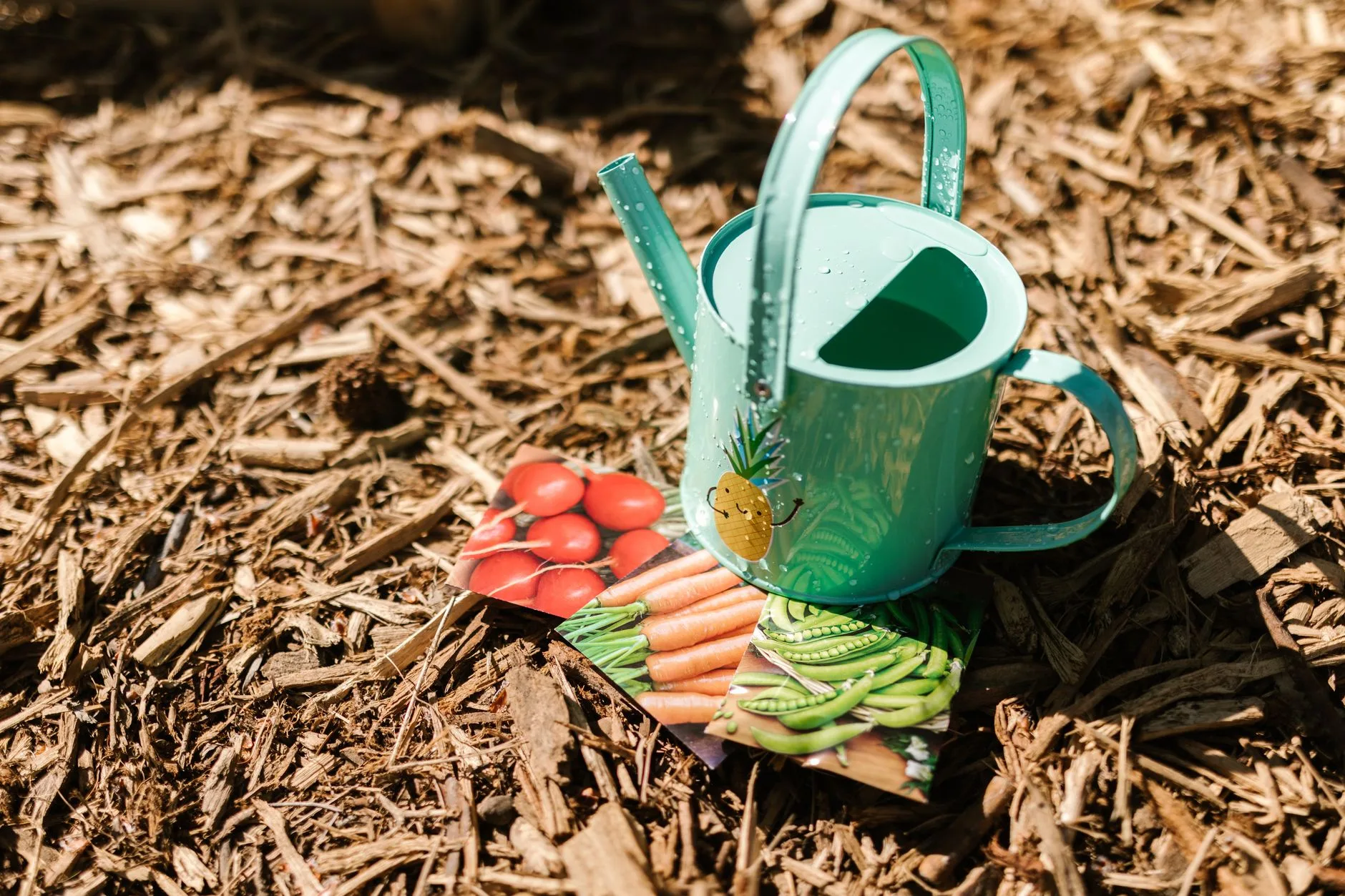
March to April: Hardy Sowing and First Outdoor Planting
March is when people get itchy. The light improves, garden centres fill up, and every packet starts whispering. Go steady. March can still bring hard frosts and wet soil, especially in heavier UK gardens.
March planting jobs
March is good for hardy crops and preparation:
- Broad beans and peas: sow outdoors if the soil is workable, or use modules if mice are a problem.
- Radish, spinach and early lettuce: sow little and often under fleece or cloches.
- Onion sets and shallots: plant into prepared soil once it is not waterlogged.
- Early potatoes: plant late March in milder areas, or hold back if the soil is cold.
- Hardy annual flowers: sow direct where the soil has warmed enough.
This is also a good time to buy compost, canes and labels before the May rush. Expect basic bamboo canes to cost about £4-£10 a pack, plant labels around £2-£5, and multi-purpose compost about £5-£9 for 50L depending on brand and offer.
April planting jobs
April is the real starting line for many UK gardens:
- Carrots and beetroot: sow direct in shallow drills.
- Salad leaves: sow every two to three weeks for a steady supply.
- Second early potatoes: plant once soil conditions are kind.
- Perennials: plant container-grown plants while the soil is moist.
- Sweet peas: plant out hardened-off plants with support.
April is also when frost catches the overconfident. A roll of horticultural fleece is usually about £8-£18 depending on size and thickness. Keep one handy. It is cheaper than replacing a tray of plants you started in February.
May to June: Tender Crops and Main Outdoor Planting
May and June are the heavy planting months. Tender crops move outdoors, containers fill up, and gaps in borders disappear quickly. This is where a calendar earns its keep because the jobs pile up.
May planting jobs
May depends on your last frost date. In southern and sheltered gardens, tender crops may go out from mid-May. In colder spots, wait until late May or early June.
Plant or sow:
- Runner beans and French beans: sow direct or plant out after frost risk drops.
- Courgettes and squash: plant out after hardening off, with slug protection.
- Tomatoes: move into greenhouse beds, grow bags or large containers.
- Bedding plants: plant after cold nights have passed.
- Herbs: sow basil under warmth; plant hardy herbs outdoors.
Tomato grow bags are usually about £5 each at B&Q, with multi-buy offers often making them cheaper. A 40-50cm pot for tomatoes or courgettes can cost £8-£20 unless you reuse old containers. Do not buy tiny decorative pots and expect miracles; tender veg needs root space and regular water.
June planting jobs
June is not too late. It is a brilliant month for direct sowing because the soil is warm:
- French beans: direct sow for later crops.
- Courgettes: sow or plant if you missed May.
- Beetroot and carrots: sow again for succession.
- Salad leaves: sow in partial shade to reduce bolting.
- Annual flowers: plant out cosmos, zinnias and marigolds.
Keep watering realistic. A tray of plug plants is often £6-£15, but the hidden cost is the time and water needed to get them established. In hot spells, plant in the evening and water deeply rather than sprinkling the surface every morning.
For pots, herbs and small-space growing, our herbs in pots guide is useful because herbs are forgiving, productive and cheap to start.
July to August: Succession Sowing and Autumn Crops
July and August are where many gardens waste space. Early potatoes come out, salad gaps appear, peas finish, and people assume the season is over. It is not. The trick is choosing crops that still have enough time.
July planting jobs
July is good for quick and autumn crops:
- Radish: sow in small batches for quick results.
- Beetroot: sow early in the month for baby roots.
- Dwarf French beans: sow in warmer areas for a late crop.
- Chard and perpetual spinach: sow for autumn leaves.
- Pak choi: sow later in the month as days begin to shorten.
Seed packets at about £3 each still make sense here because one packet can fill several gaps. What does not make sense is sowing a whole row of lettuce in a heatwave and watching it bolt. Use shade, water well and sow small amounts.
August planting jobs
August shifts towards autumn:
- Spring cabbage: sow or plant young plants for overwintering.
- Winter lettuce: sow under cover or in sheltered beds.
- Spinach and oriental greens: sow for cooler-season leaves.
- Hardy annual flowers: sow for stronger plants next spring.
- Strawberry runners: pot up healthy runners for new plants.
This is the month to be honest about space. If the courgettes are still bullying half the bed, use pots or modules rather than squeezing seedlings into shade. A £5 grow bag can be a better temporary home than a crowded border.
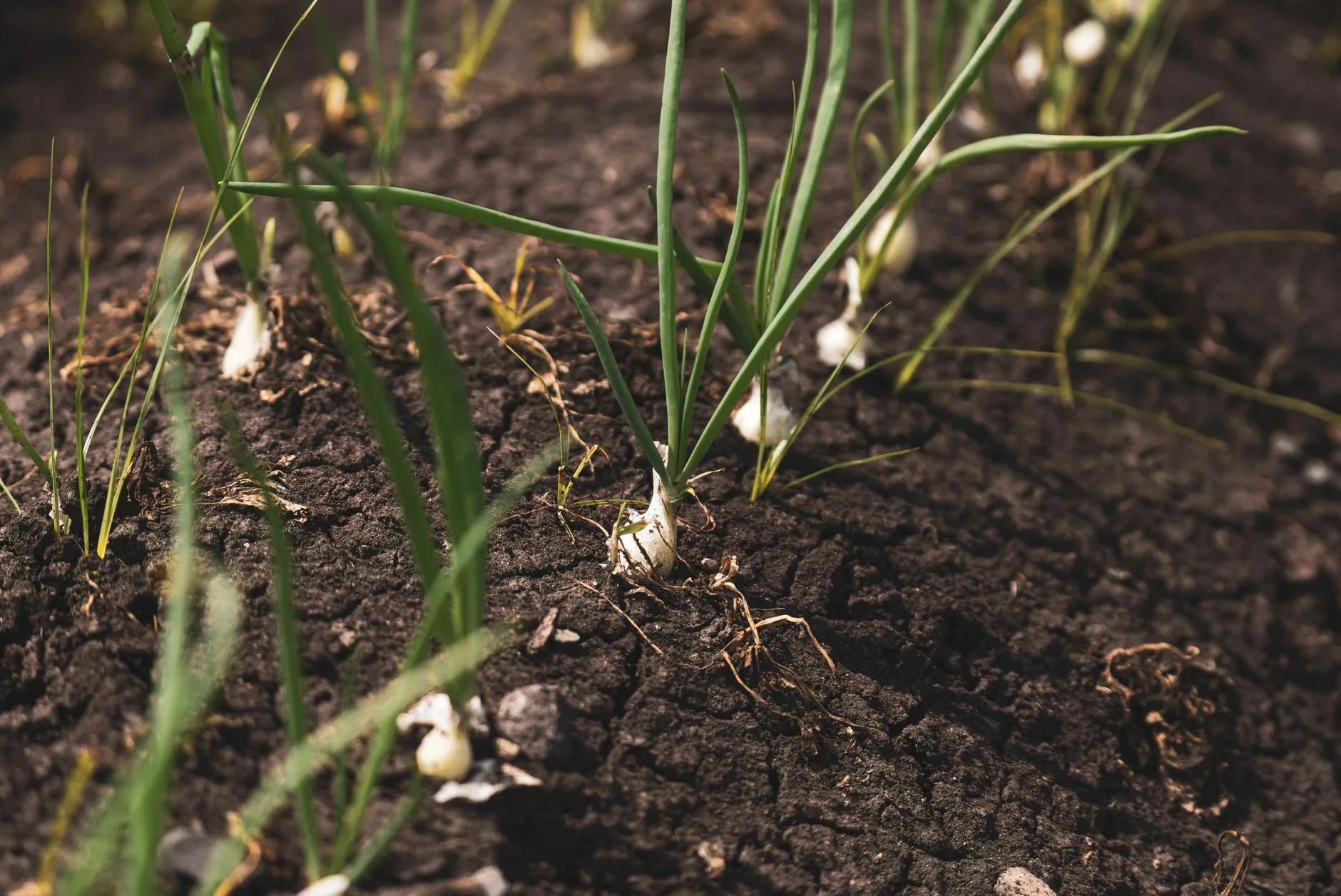
September to October: Bulbs, Garlic and Winter Prep
September and October are not just tidy-up months. They are some of the best planting months in the UK because the soil is warm and rain usually returns. Roots establish well before winter.
September planting jobs
Plant and sow:
- Spring bulbs: daffodils, crocus and alliums can go in from September.
- Hardy annuals: sow direct or in modules for earlier flowers next year.
- Winter salads: sow under cover or in sheltered spots.
- Perennials: plant while soil is warm and damp.
- Green manure: sow on empty beds to protect soil.
Bulbs vary widely. Budget daffodil packs can be around £5-£10, while larger allium or tulip packs cost more. Cheap bulbs are fine for naturalising, but avoid soft, mouldy or tiny bulbs. They rarely improve once planted.
October planting jobs
October is garlic, onions and tulips territory:
- Garlic: plant cloves into free-draining soil.
- Autumn onion sets: plant for earlier crops next year.
- Tulips: often best planted later in autumn, especially after warm spells.
- Bare-root hedging: order now for planting from November onwards.
- Fruit bushes: prepare beds before bare-root plants arrive.
If you want flower colour rather than food, our garden bulbs guide covers the buying choices in more depth. For this calendar, the key is timing: plant early enough for roots, late enough to avoid pushing soft growth before winter.
November to December: Bare Roots, Protection and Reset
November and December are quiet, but not empty. They are good months for bare-root planting, winter protection and reviewing what worked.
November planting jobs
Plant while dormant:
- Bare-root roses: plant into prepared soil when conditions are not frozen.
- Bare-root hedging: plant native hedges, fruiting hedges and boundary plants.
- Fruit trees and bushes: plant bare-root apples, pears, currants and gooseberries.
- Garlic: continue planting if conditions are suitable.
- Tulips: plant bulbs in pots or borders.
Bare-root plants often cost less than container plants. A bare-root hedge whip can be just a few pounds, while larger container shrubs may be £15-£40 each. The trade-off is patience: bare-root planting looks underwhelming at first, then rewards you later.
December planting jobs
December is mostly protection and planning:
- Plant bare roots: continue if the ground is workable.
- Check fleece and cloches: secure covers before windy nights.
- Protect pots: move tender containers against a wall or into shelter.
- Order seed: buy early if you want specific varieties.
- Review the year: note what bolted, failed, thrived or ran out too early.
The RHS says heavier grades of fleece give about 2°C of frost protection. That is useful, but it is not magic. Fleece helps against light frost; it will not save every tender plant through a deep freeze in an exposed pot.
For a full method, use our plant frost protection guide. In the calendar, the rule is simple: protect what is worth protecting, let annuals finish, and do not spend £20 of fleece trying to save a £3 bedding plant.
Frequently Asked Questions
What can I plant now in the UK? It depends on the month, your local frost risk and your soil. In spring, focus on hardy crops first. In summer, use succession sowing. In autumn, plant bulbs, garlic, onions and bare-root plants.
When should I start seeds indoors in the UK? Start slow tender crops such as chillies and aubergines from January or February if you have warmth and light. Tomatoes are usually easier from March unless you have a greenhouse or strong grow light.
When can tender plants go outside in the UK? Most tender plants go outside after the last frost, often from mid-May to early June depending on region. Harden them off first by gradually exposing them to outdoor conditions.
Is it too late to plant vegetables in July? No. July is still useful for radish, beetroot, chard, perpetual spinach, pak choi and some late beans in warm areas. Choose fast crops and keep them watered.
What should I plant in autumn in the UK? Autumn is good for spring bulbs, garlic, autumn onion sets, hardy annuals, bare-root hedging and fruit bushes. Warm soil and returning rain help roots establish before winter.
Do I need a greenhouse to follow a UK planting calendar? No. A greenhouse helps with early sowing and tender crops, but you can do plenty with a windowsill, fleece, cloches, pots and sensible timing.