Buying garden tools as a beginner is mostly about avoiding the giant starter bundle you will barely use. The essential garden tools beginners need are a small set: something to dig, something to plant, something to cut, something to water, and something to protect your hands and knees. Start there and your first season will be cheaper, tidier and a lot less frustrating.
In This Article
- Start With the Jobs, Not the Tool Wall
- Essential Garden Tools Beginners Actually Need
- Tools You Can Skip at First
- Where to Spend More and Where to Buy Cheap
- Small Garden, Patio or Allotment: How the List Changes
- How to Store and Maintain Beginner Tools
- The Sensible First Basket
- Frequently Asked Questions
Start With the Jobs, Not the Tool Wall
Garden centres make it look as if beginners need a shed full of equipment before they can plant a tray of herbs. They do not. Most new gardeners spend the first few months doing the same handful of jobs: clearing small weeds, loosening soil, planting, watering, pruning dead stems and moving compost around.
That is the right way to think about tools. Buy for those jobs, then add specialist kit when your garden proves you need it. If you are still deciding what to grow, the existing vegetable garden from scratch guide is a better starting point than another shopping trip.
The first-season rule
For a beginner, a tool earns its place if it does one of these jobs every month:
- Digging or loosening soil: borders, raised beds, tubs and compost.
- Planting: bulbs, plug plants, herbs, bedding plants and small veg.
- Cutting: deadheading, pruning thin stems and harvesting herbs.
- Watering: pots, new plants, seedlings and dry spells.
- Protecting you: gloves and a kneeling pad, because sore knees ruin enthusiasm quickly.
Anything outside that list might still be useful, but it is not automatically essential.
Cheap bundles are not always cheaper
Those £25-£40 “complete garden tool set” bundles on Amazon UK can be fine for balcony pots, but they often include flimsy transplanting tools, tiny rakes and novelty extras. I would rather buy six decent basics from B&Q, Screwfix, Wickes or a local garden centre than a 12-piece set where half the items bend in heavy soil.
Based on UK user reviews, the most common regret is buying a lightweight hand trowel first, then replacing it after the first encounter with clay soil. If your garden has sticky or stony ground, spend more on the digging tools and less on accessories.
Essential Garden Tools Beginners Actually Need
This is the core kit I would buy first. It is enough for a small border, patio pots, a raised bed or a modest new-build garden. You can add power tools later if the garden demands them. For essential garden tools beginners can use straight away, the priority is control and comfort rather than owning every possible gadget.
Hand trowel
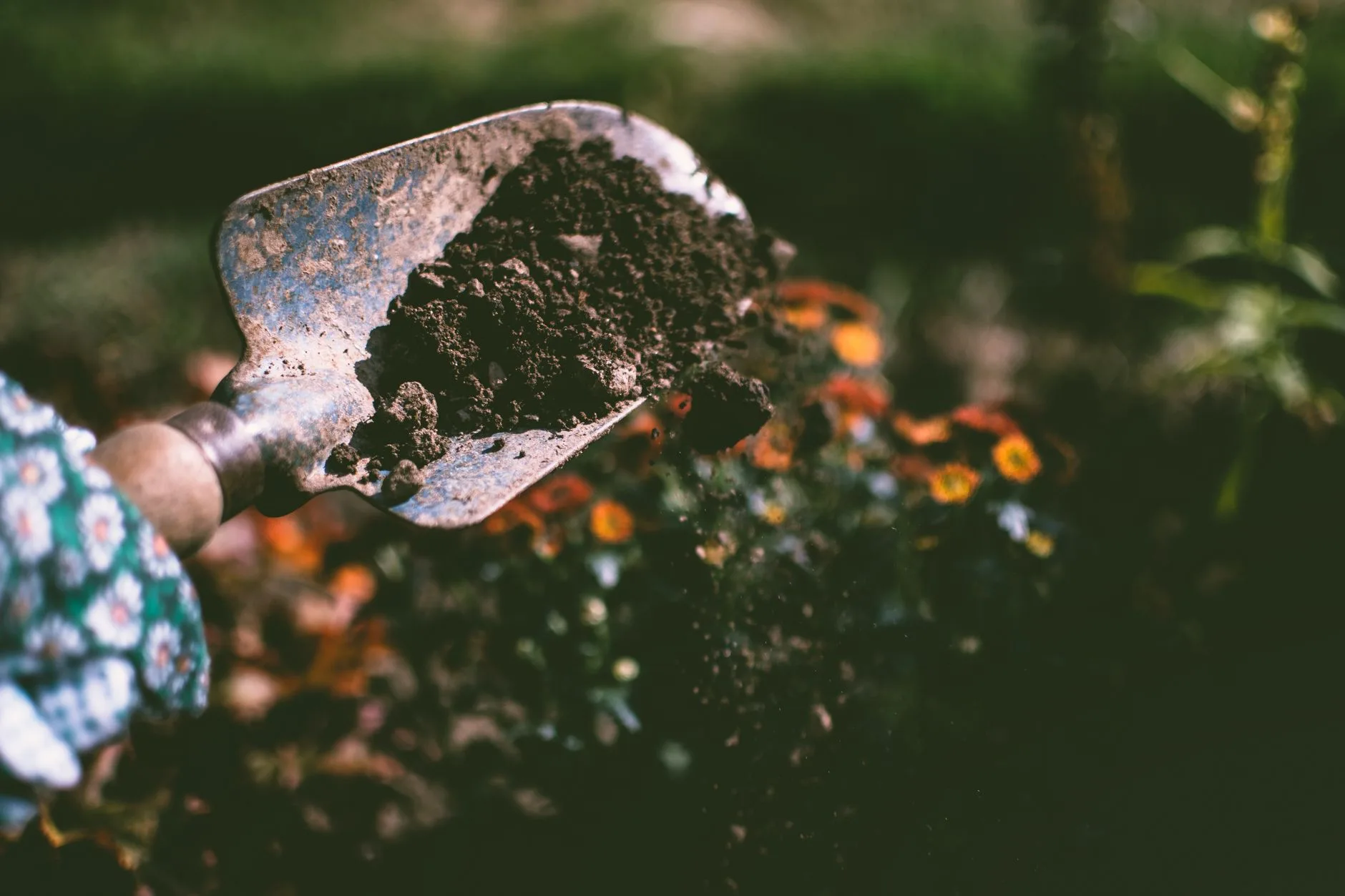
A hand trowel is the beginner tool you will reach for most. It plants plug plants, lifts small weeds, fills pots and moves compost in tight spaces. Avoid thin pressed-metal trowels if you have clay soil; they flex and make you work harder.
Expect to pay £5-£8 for a basic trowel from B&Q or Wickes, £10-£15 for a stronger stainless one, and £18-£25 for a premium Burgon & Ball or Spear & Jackson-style trowel. My pick for most beginners is the middle option: stainless head, comfortable handle, not too precious to leave muddy for an afternoon.
Hand fork
A hand fork looks like a minor extra until you need to loosen compacted compost around roots. It is better than a trowel for breaking crusted soil, teasing weeds out, and working compost into small beds.
Budget about £5-£10. Buy it as a pair with the trowel if the handles feel good. If the fork tines bend when you press them against the shop floor with modest pressure, choose another one.
Secateurs
Secateurs are for clean cutting, not hacking. Use them for deadheading, pruning soft stems, cutting herbs, trimming thin growth and harvesting flowers or veg. Do not use them on thick woody branches; that is how blades get chewed up.
For beginners, bypass secateurs are the right first pair. They cut more cleanly than anvil secateurs on living green stems. Expect to pay £8-£15 for an entry-level pair, £20-£35 for a good Spear & Jackson or Wilkinson Sword pair, and £45-£65 for premium Felco-style secateurs.
If your hands are small, check the grip span before buying. A pair that feels powerful in the shop can become annoying after 20 minutes of pruning.
Digging spade or border spade
If you have actual ground rather than only pots, buy a spade. A full-size digging spade is useful for turning soil, planting shrubs and edging beds. A border spade is narrower and lighter, which suits smaller UK gardens and raised beds.
Prices vary widely. A budget spade from B&Q, Wickes or Screwfix is usually £12-£20. A better stainless or carbon-steel model is £25-£45. Premium options can go beyond £60, but beginners do not need that unless the garden is large or the soil is brutal.
For most first gardens, I would choose a border spade over a big digging spade. It is easier to control and less tiring, especially in tight beds.
Garden fork
A fork is not just a spade with prongs. It loosens compacted soil, lifts clumps, works in compost and handles ground where a spade would slice through too aggressively. If you are starting with raised beds or a vegetable patch, a fork is worth buying early.
Expect £15-£25 for a basic fork and £30-£50 for a stronger stainless one. If you only have patio containers, skip the full-size fork for now and use a hand fork.
Watering can or hose
For pots, seedlings and new plants, a watering can gives better control than a hose. A 5-7 litre can suits most beginners; 10 litres sounds efficient until you carry it full across a patio.
Plastic watering cans cost about £6-£12 from B&Q, Wickes and garden centres. Galvanised metal cans look better and last longer, but they are usually £20-£40. If you have a lawn or long borders, a basic hose and spray gun from Hozelock or Gardena is roughly £25-£60 depending on length.
The RHS watering guidance is worth reading because beginners often water little and often, which encourages shallow roots. Soak new plants properly, then let the surface start to dry before watering again.
Gloves and kneeling pad
Gloves are not optional if you have roses, nettles, brambles, rough timber edging or mystery weeds from the previous owner. Cheap cotton gloves at £3-£5 are fine for light work, but waterproof or thorn-resistant gloves at £8-£18 are better for real borders.
A kneeling pad costs about £4-£10 and is worth it even if you think you are too young to care. Wet knees and gravel are persuasive teachers.
Tools You Can Skip at First
Beginner gardening gets expensive when every possible future job becomes a purchase today. Leave these until you know your garden.
Power tools
Cordless hedge trimmers, grass trimmers, blowers and chainsaws are not starter tools. They are problem-specific tools. If you have a hedge, overgrown lawn edge or mature shrubs, fine, but buy them after the problem appears.
The existing cordless garden tools guide is the right place to compare power and battery compromises. For a new beginner with a small garden, hand tools and patience usually beat a cupboard full of batteries.
Loppers and pruning saws
Loppers are useful for thicker branches, but they are not essential for a new patio border or young plants. Pruning saws are even more specialised. If the garden has mature shrubs or fruit trees, read the secateurs, loppers and pruning saws comparison before buying.
As a rule, secateurs first, loppers later, saw only when you have real woody cuts to make.
Lawn tools if you barely have lawn
Do not buy a lawn rake, edging shears and lawn spreader for a 3m strip of grass until you know you care about the lawn. A small electric mower may be enough. If lawn care becomes a thing, the lawnmower size guide will save more money than impulse-buying accessories.
Wheelbarrow
A wheelbarrow is brilliant when you need one and a nuisance when you do not. If you are moving soil, gravel or compost across a bigger plot, buy one. If you have a patio and two raised beds, use buckets and trugs first.
Decent wheelbarrows are usually £45-£90 in the UK, and the cheap ones take up the same shed space as the good ones. For choosing size and wheel type, use the wheelbarrow guide rather than guessing.
Where to Spend More and Where to Buy Cheap
Not every tool deserves the same budget. Spend money where failure wastes effort or causes damage. Save money where the tool is simple and easy to replace.
Spend more on cutting and digging
Secateurs, spades and forks take the most strain. Better steel, a comfortable handle and a solid joint make real difference. A £30 pair of secateurs that cuts cleanly for years is better value than a £7 pair that crushes stems and blisters your hand.
For spades and forks, check the socket where the handle meets the head. If it wobbles in the shop, it will not improve in clay soil. Stainless steel is easier to clean; carbon steel can be strong but needs drying and occasional oil.
Buy cheaper for simple accessories
Gloves, kneeling pads, plant labels, buckets and watering roses do not need to be fancy. Replaceable basics are fine. A £6 kneeling pad from B&Q does the same job as a £20 branded one unless you need extra thickness.
Ties, labels and small pots are also worth buying cheaply. Save your money for tools with hinges, blades or handles.
Where I would shop first
For a first basket, I would check:
- B&Q or Wickes: good for budget spades, forks, watering cans, gloves and compost extras.
- Screwfix: useful for sturdy no-nonsense hand tools, kneeling pads and work gloves.
- Amazon UK: good for secateur choice and replacement blades, but watch unknown-brand reviews carefully.
- Local garden centre: best for actually holding secateurs and checking spade weight before buying.
If two tools look similar, choose the one that feels comfortable in your hand. Gardening is repetitive. A slightly nicer handle is not vanity; it is fewer sore fingers.
Small Garden, Patio or Allotment: How the List Changes
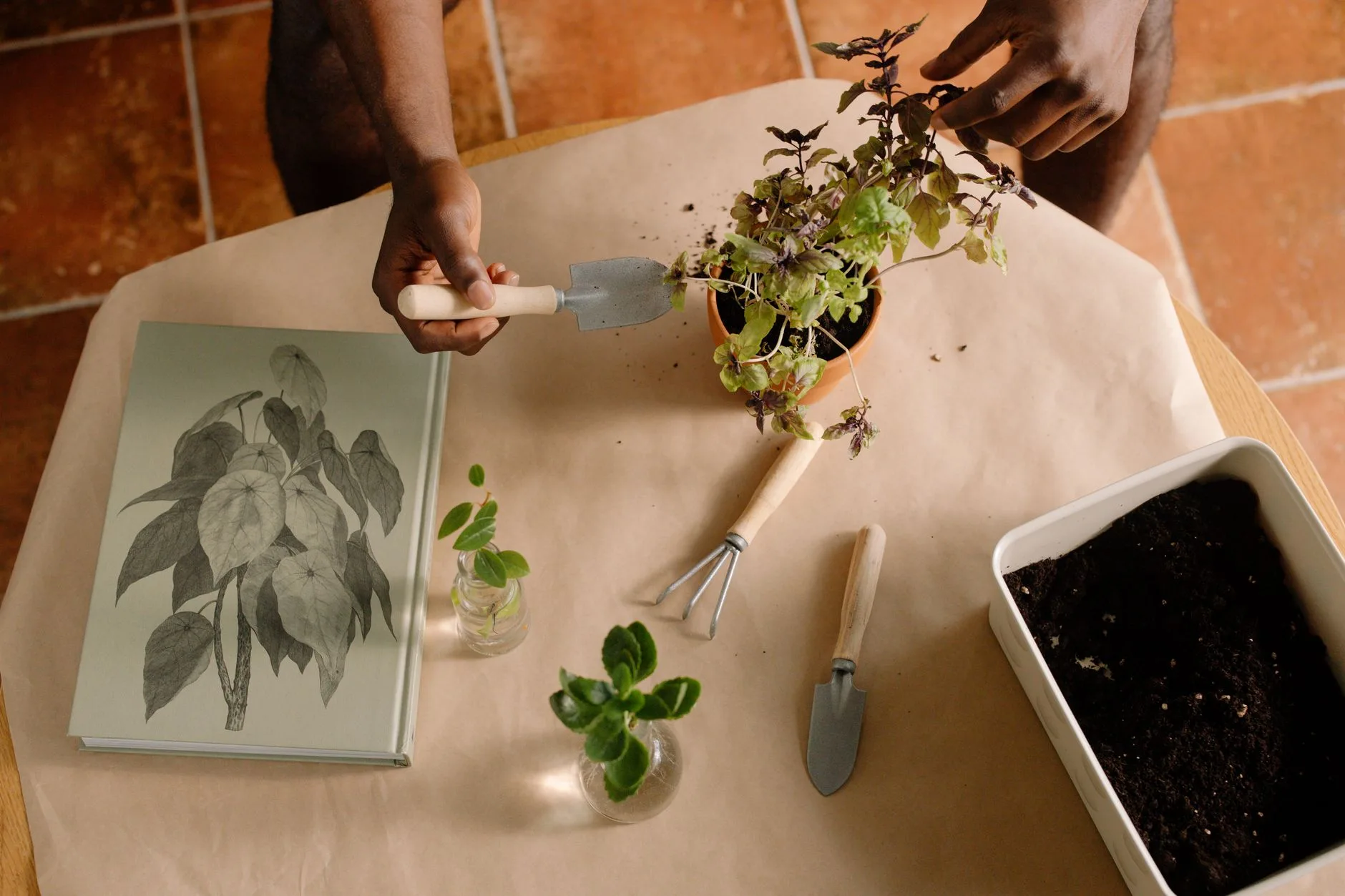
A beginner with balcony pots needs different tools from someone taking on a half plot. Do not copy someone else’s shed. Essential garden tools beginners buy for a patio should be compact; allotment tools need to be stronger and more soil-focused.
Patio and container garden
For pots, herbs and balcony planters, start with:
- Hand trowel: £5-£15.
- Hand fork: £5-£10.
- 5-litre watering can: £6-£12.
- Gloves: £5-£12.
- Kneeling pad or old cushion: £0-£10.
Skip the full-size spade and fork until you have actual ground. A patio gardener can waste a lot of storage space trying to look like an allotment gardener.
Small lawn and borders
For a typical small UK garden with a lawn, fence borders and a patio, add a border spade, secateurs and possibly a small fork. You will use those for planting, tidying and dealing with compacted patches.
You do not need a full lawn-care arsenal. A mower, a hand fork for tiny aeration jobs and patience will do for now.
Raised beds and veg patch
Raised beds make a fork more useful than a huge spade. You are loosening and mixing soil, not digging a trench. Add a hand fork, border fork, trowel, watering can or hose, and secateurs for harvesting.
For veg, labels and a dibber can be useful, but they are not essential. A pencil and old lolly sticks will label a row of lettuce perfectly well.
Bigger garden or allotment
Once you are moving compost bags, bark, manure or rubble, a wheelbarrow or large garden trug becomes sensible. At allotment scale, buy stronger tools than you think you need. Cheap forks hate compacted ground.
The HSE manual handling guidance is not written for casual gardeners, but the principle applies: heavy awkward loads are where backs get annoyed. Use smaller loads, keep paths clear and do not turn a Sunday tidy-up into a lifting contest.
How to Store and Maintain Beginner Tools
Tools do not need pampering, but they do need drying. Leaving a trowel muddy in a wet bucket is how beginner tools become rusty disappointments by spring.
Clean them enough, not obsessively
After use, knock off soil, rinse if needed, and dry metal heads before putting them away. A stiff brush is enough most of the time. If you have sticky clay, keep an old rag near the back door or shed.
Secateurs need more care because sap builds up on the blades. Wipe them after use and keep the pivot moving. If pruning becomes a regular job, the garden tool sharpening guide covers the next step.
Store tools where you will use them
The best tool storage is not always the prettiest. If the gloves and trowel live by the patio door, you will actually nip outside and deadhead plants. If they live at the back of a crowded shed, you will put it off.
For small spaces, a wall rack, bucket, lidded box or narrow outdoor storage bench is enough. The separate small shed tool storage ideas article goes deeper, but beginners only need one rule: tools should be dry, visible and easy to grab.
Keep blades safe
Secateurs left open in a trug are asking for trouble. Close the catch, store them blade-down in a pot, or hang them. If children use the garden, keep cutting tools out of reach.
For powered kit later, read proper safety advice first. The existing garden power tool safety guide covers the bigger risks; hand tools are simpler, but sharp blades still deserve respect.
The Sensible First Basket
If I were buying for a beginner today, I would not buy a set. I would build a basket like this:
- Stainless hand trowel: £10-£15.
- Hand fork: £6-£10.
- Bypass secateurs: £20-£35.
- Border spade: £20-£35.
- 5-7 litre watering can: £8-£15.
- Decent gloves: £8-£15.
- Kneeling pad: £5-£10.
That puts a sensible first kit around £77-£135, depending on brands and offers. You can do it for £45-£60 if you buy budget versions of everything, but I would avoid going too cheap on secateurs and the spade. Those are the ones that make the work feel easier or miserable.
For a patio-only setup, drop the border spade and spend about £40-£70. For an allotment, add a garden fork and wheelbarrow later, taking the real first-year spend closer to £150-£230.
The best beginner tool is the one you use twice a week, not the one that looks impressive in a shed photo. Buy the core kit, garden for a season, then let the garden tell you what is missing.
Frequently Asked Questions
What are the most essential garden tools for beginners? Start with a hand trowel, hand fork, bypass secateurs, watering can, gloves and kneeling pad. Add a border spade if you have beds or borders rather than only pots.
How much should a beginner spend on garden tools? A sensible first kit is about £77-£135 for a small UK garden. Patio-only gardeners can start closer to £40-£70 by skipping full-size digging tools.
Should beginners buy a garden tool set? Usually no. Sets can be decent for light container gardening, but many include weak tools and unnecessary extras. Building a small basket of better basics is normally better value.
Do I need both a spade and a fork? Not always. A patio gardener needs neither at first. A border or veg gardener will use a spade for planting and a fork for loosening soil, so both become useful.
What secateurs should beginners buy? Buy bypass secateurs rather than anvil secateurs for living stems. Spend around £20-£35 if you can; cheap secateurs often crush rather than cut cleanly.
What garden tools can I skip as a beginner? Skip loppers, pruning saws, cordless trimmers, lawn gadgets and wheelbarrows until your garden clearly needs them. They are useful tools, but not universal first purchases.