Starting a vegetable garden from scratch is easier if you make the first version small, visible and cheap enough to change. You do not need an allotment, a greenhouse or raised beds everywhere. For most beginners, one sunny patch, a few bags of compost, six reliable crops and a watering routine beat a grand plan that becomes a muddy guilt trip by May.
In This Article
- Choose the Right Spot and Start Small
- Beds, Containers or Open Ground?
- Prepare the Soil and Starter Kit
- Pick Easy First Crops for UK Weather
- Sow, Plant and Water Without Fuss
- Protect Young Crops from Weather and Pests
- A Simple First-Season Plan
- Frequently Asked Questions
Choose the Right Spot and Start Small
The best place for a first vegetable garden is not always the biggest bit of lawn. It is the spot you will actually walk past, water and notice when seedlings are being eaten. Hidden corners become forgotten corners.
Aim for a sunny position with easy access to water. Most vegetables want at least six hours of direct sun in spring and summer. Salad leaves, chard and herbs tolerate some shade, but tomatoes, courgettes, beans and carrots sulk if the light is poor.
Start with one manageable area
For a first year, I would rather see one well-kept 1.2m x 2.4m bed than five half-finished beds and a stack of unopened seed packets. A bed around that size gives enough room for salad, beetroot, carrots, dwarf beans and a courgette without turning your weekend into farm labour.
If space is tight, use containers. A 40cm pot can grow lettuce or chard. A 30-40 litre tub can take potatoes. A 60cm trough can handle cut-and-come-again salad. The first goal is not self-sufficiency. It is learning how your garden behaves.
Keep it near the house
Vegetables need small, regular jobs. Watering, slug checks, harvesting and tying-in are easier if the bed is close to the kitchen door or patio. A vegetable patch at the far end of the garden sounds charming until it rains for three days and you stop checking it.
If you are still shaping the wider space, the guide to planning a garden layout will help you avoid putting the vegetable bed where a path, play area or seating area would make more sense.
Check the basics before digging
Before spending money, watch the spot for a normal day:
- Sun: where does it get direct light after 10am?
- Water: can a hose reach, or will you carry cans?
- Wind: exposed corners dry out and flatten tall plants.
- Drainage: puddles after rain mean you may need raised beds or organic matter.
- Access: can you reach the middle without stepping on the soil?
That last point matters. Beds around 1.2m wide let most adults reach the centre from both sides. Wider beds look efficient on paper, then compact under your boots when you lean in to pick weeds.
Beds, Containers or Open Ground?
There is no single correct setup. The RHS notes that vegetables can grow well in open ground or raised beds; the real requirement is good soil, moisture and sunshine. Raised beds are useful, but they are not magic boxes.
Open ground is cheapest
Open ground means removing turf, improving the soil and planting directly. It is the lowest-cost route if your soil drains well and you are happy to dig or cover the area before planting.
Typical costs:
- Cardboard mulch: free if you save delivery boxes and remove tape.
- Compost top-up: around £8.50 for a 50L bag of Westland peat-free compost at B&Q.
- Basic border edging: about £10-25 from Wickes or B&Q if you want a tidy edge.
The downside is weeds. If the lawn or border is full of couch grass, bindweed or ground elder, do not pretend one quick dig will solve it. Covering and mulching first is slower but less soul-destroying.
Raised beds are tidy and forgiving
Raised beds warm slightly quicker, drain better on heavy clay and make paths clearer. They also cost more because you need timber or a ready-made bed plus enough material to fill it.
For a simple 1.2m x 2.4m timber bed, expect:
- DIY timber: about £35-70 depending on board thickness and treatment.
- Ready-made raised bed kit: often £45-120 from B&Q, Wickes, Amazon UK or garden centres.
- Compost/soil improver: roughly £40-90 to improve the top layer, more if filling from empty.
Do not fill a deep raised bed entirely with bagged multi-purpose compost. It is expensive and dries out quickly. Use existing topsoil, homemade compost, well-rotted manure or a bulk soil improver where possible, then finish with a better-quality top layer.
Containers are best for patios and renters
Containers are ideal if you rent, have a paved garden or want to test vegetable growing before changing the lawn. They are also good for herbs, salad, potatoes, dwarf beans and compact tomatoes.
Useful container sizes:
- Salad leaves: 20-30cm deep troughs.
- Carrots: 30cm deep container for short-root varieties.
- Potatoes: 30-40 litre potato bag or tub.
- Tomatoes: 10-15 litre pot per plant, larger if you forget to water.
- Courgettes: 40-50 litre pot per plant, and yes, they really do get that big.
If pots are your route, the article on growing herbs in pots is useful because the watering and compost principles carry across.
Prepare the Soil and Starter Kit
Soil preparation is where beginners either underdo it or spend far too much. Vegetables need loose, fertile soil that holds moisture without staying waterlogged. They do not need the entire garden rebuilt before you sow a radish.
Clear the area properly
For open ground, remove turf or cover it. If you want a low-dig approach, lay plain cardboard over short grass, wet it, then add 8-10cm of compost or soil improver on top. You can plant some crops through that layer once it settles, though deep-rooted crops do better after the soil has had time to improve.
For a traditional dig, remove grass, shake soil from the roots and break up large clods. Take out perennial weed roots as you go. Annual weeds are annoying; perennial weeds are the ones that come back with a personal vendetta.
Improve, do not overfeed
A first bed usually needs organic matter more than strong fertiliser. Use peat-free compost, well-rotted manure or soil conditioner. Fresh manure is too strong for many crops and can cause problems with root vegetables.
For a small beginner bed, budget roughly:
- Two to four bags of compost: about £17-35 from B&Q, Wickes or garden centres.
- Pelleted chicken manure: about £6-10 for a small tub, useful but not for every crop.
- Horticultural grit: about £5-8 a bag if drainage is poor in containers.
- Mulch or bark for paths: about £6-10 per 50L bag if you want cleaner access.
If the soil is heavy clay, add compost and avoid walking on it when wet. If it is sandy, add compost and water more often. The answer is annoyingly similar because organic matter improves both.
Buy the few tools you will use
You can start cheaply. A beginner kit should be practical, not Instagram-worthy.
- Trowel: £4-12 from B&Q, Wickes or Wilko-style garden ranges.
- Hand fork: £5-15 for weeding and loosening soil.
- Watering can: £8-20; choose one with a removable rose for seedlings.
- Secateurs: £8-25 for harvesting and pruning.
- Labels: £2-5, or cut up yoghurt pots if you are feeling pleasingly cheap.
- Gloves: £3-10, mainly for brambles, nettles and cold wet compost.
A wheelbarrow is useful if you are moving compost, but not needed for a tiny bed. If you do need one, read the wheelbarrow guide before buying the biggest one in the shop and discovering it will not fit down the side passage.
Pick Easy First Crops for UK Weather
Your first crops should be forgiving, quick enough to keep you interested and suited to the space. Do not start with everything on the seed rack. That way lies 19 half-used packets and no idea what was planted where.
Best beginner crops
These are the ones I would choose first:
- Cut-and-come-again salad: quick, cheap and ideal for containers.
- Radishes: fast harvest, though they bolt if neglected in hot weather.
- Beetroot: reliable in UK conditions and usable young.
- Chard: tougher than spinach and keeps cropping.
- Dwarf French beans: productive, compact and easier than climbing beans.
- Courgettes: one plant is plenty for most households. Two if you enjoy culinary pressure.
- Potatoes in bags: good for children and patio growers.
Seeds are usually £1.50-4 per packet from Suttons, Mr Fothergill’s, Thompson & Morgan, garden centres or supermarkets. Starter plants cost more, often £2-4 for a small strip of lettuce or brassicas and £3-6 for a tomato or courgette plant, but they save time and rescue late starters.
Crops I would delay
Some crops are worth growing, just not first. Cauliflower, celery, aubergines, melons and fussy brassicas can wait. They need more care, timing or space. Tomatoes are fine if you buy plants and have a warm sheltered spot, but indoor sowing from seed is a separate project.
Carrots are easy in theory and irritating in stony soil. If your ground is heavy, grow short-root carrots in containers. Use fresh compost and cover with insect mesh to reduce carrot fly risk.
Choose what you actually eat
This sounds obvious. It is not. New gardeners often grow things because the packet looks wholesome. If your household never eats chard, do not fill half a bed with chard. Grow salad, herbs, beans, potatoes, tomatoes or courgettes if those are the things that will make dinner better.
For a low-maintenance wider garden around the veg patch, pair this with low-maintenance plants for UK gardens so the rest of the space does not become another job list.
Sow, Plant and Water Without Fuss
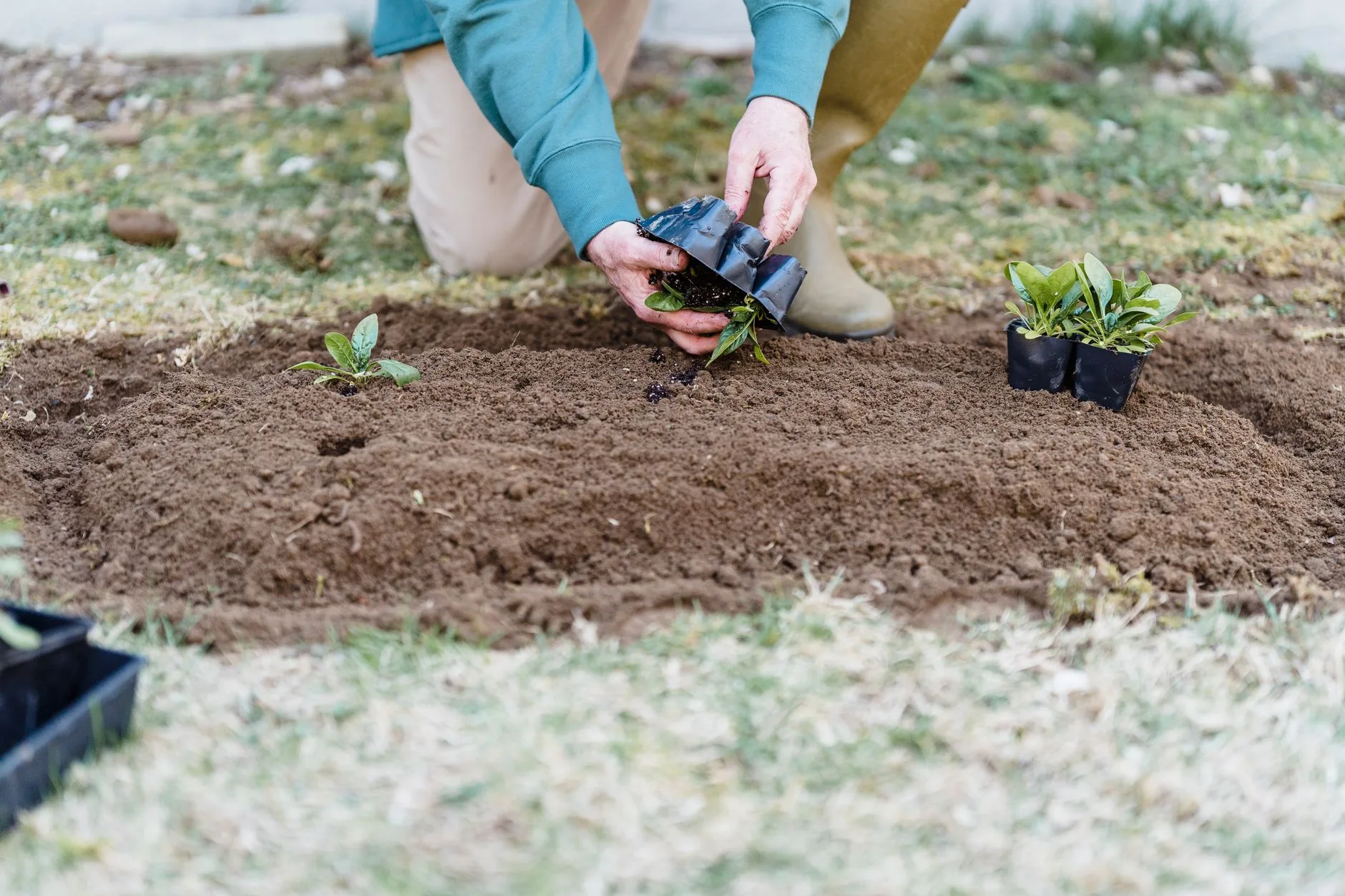
Once the bed is ready and crops are chosen, keep the method simple. Most beginner failures come from sowing too much, too close together or too early.
Follow spacing, then thin ruthlessly
Seed packets give spacing for a reason. You can sow a little thicker than the final spacing, but you still need to thin seedlings. Crowded plants compete for light, water and food, then everyone looks miserable.
For salad leaves, you can sow in short rows and cut young. For beetroot, thin to about 8-10cm. For dwarf beans, leave around 15-20cm. For courgettes, give one plant a large space, often 90cm or more. A courgette does not care that your bed plan looked neat in March.
Label everything
Label every row and pot with crop and date. This is not fussiness. Seedlings look similar when you are new, and empty-looking soil is very tempting to resow. Then the first sowing appears and you have three crops in one row.
Use pencil on wooden labels or permanent marker on plastic. Marker still fades, so write on both sides if you are feeling organised.
Water deeply, not constantly
Seedlings need consistent moisture, but established plants do better with deeper watering. A light daily sprinkle wets the surface and encourages shallow roots. In dry weather, water the soil around the roots until it is properly damp.
Containers dry faster than open ground, especially black plastic pots on a sunny patio. In July, a tomato in a pot may need daily water. A mulched bed may not.
Keep sowing little and often
Do not sow a whole packet of lettuce in one go. Sow a short row, then another two weeks later. This is called succession sowing, and it stops the classic beginner problem of having no salad, then 47 lettuces, then no salad again.
The same idea works for radishes, beetroot and herbs. If you like starting seeds indoors, the seed starting kit guide explains when a propagator is worth buying and when a windowsill tray is enough.
Protect Young Crops from Weather and Pests
UK vegetable gardening is mostly optimism with a weather app. Late frosts, slugs, pigeons and sudden dry spells all turn up without asking. You do not need to panic, but you do need a few cheap protections ready.
Frost protection
Tender crops such as courgettes, tomatoes, beans and basil hate frost. In much of the UK, wait until after the last frost risk before planting them outside, often late May or early June depending on where you live.
Useful protection:
- Garden fleece: about £5-12 a pack from garden centres or Amazon UK.
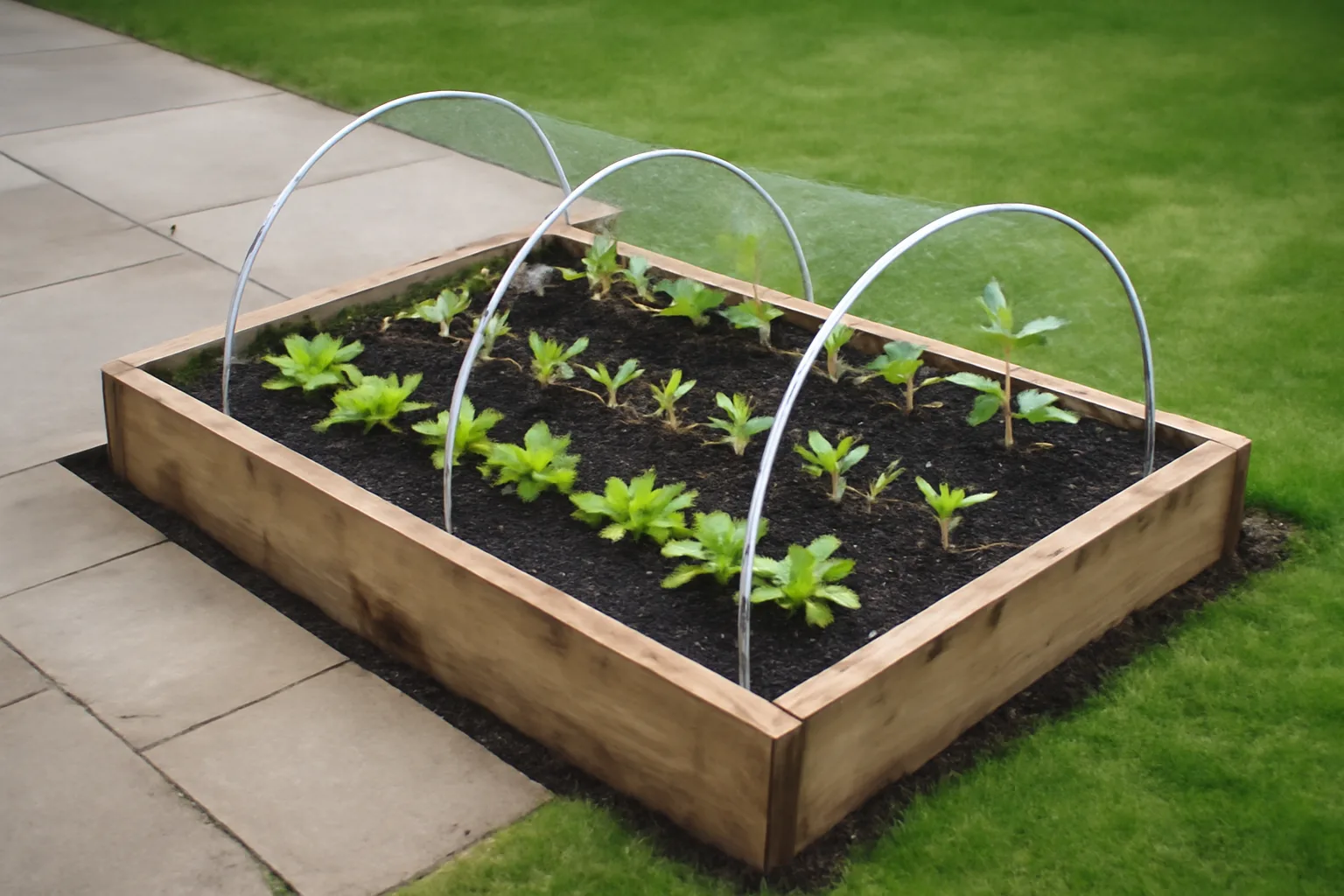
- Cloche tunnels: roughly £12-30 depending on size.
- Old clear storage boxes: free if you already have them, but weigh them down.
- Cold frame: £40-120 if you want a longer-term seedling hardening-off area.
If frost is forecast, cover plants before evening and remove covers in the morning if the day warms. The guide to protecting plants from frost covers the wider garden version of this problem.
Slugs, snails and birds
Slugs love soft seedlings. Birds love peas, brassicas and freshly disturbed soil. Netting, barriers and timing help more than one desperate fix.
For slugs, go out after rain and remove them by hand if you can face it. Use wildlife-friendlier slug pellets only if you need them and follow the packet. Copper tape on pots can help a bit, but it is not a force field.
For birds, use netting held above the crop so leaves do not grow through it. Keep netting taut and check it regularly so wildlife does not get trapped. A basic insect mesh or bird netting pack is usually about £8-20.
Do not overreact to every chewed leaf
Some damage is normal. A few holes in radish leaves or chard are not a disaster. The plant does not need to look like supermarket produce. Step in when growth is being stopped, seedlings are disappearing overnight or pests are spreading quickly.
Healthy soil, decent spacing and regular checking do half the work. The rest is learning which battles matter.
A Simple First-Season Plan
This plan assumes a small bed or a few containers and a typical UK spring. Shift it by a few weeks if you are in a colder spot, on exposed ground or starting late.
March to April
Choose the site, clear the area and improve the soil. Buy only the basics: compost, labels, trowel, watering can, seeds and fleece. Sow salad, radish, beetroot and chard outside if the soil is workable, or start them in trays.
If you are using containers, fill them, water them and let them settle for a few days before sowing. Dry compost can repel water at first, which is deeply annoying but fixable with slow soaking.
May
Sow dwarf beans under cover or outside late in the month if it is warm. Plant bought lettuce or chard plugs if your seed sowing failed. Harden off tender plants by putting them outside during the day and bringing them in at night for a week.
Keep fleece nearby. May can behave beautifully for 10 days and then throw in one cold night for sport.
June to July
Plant courgettes, tomatoes and beans outside once nights are mild. Water well, mulch around plants and start harvesting salad leaves. Sow more salad in a partly shaded spot so it does not bolt too quickly.
Watch courgettes. Pick them small. If you leave them, they turn into marrows while you are making a cup of tea.
August to September
Keep harvesting. Sow late salad, chard or spinach beet. Remove tired crops and add compost to empty patches. Make notes on what worked, what failed and what you actually ate.
This is the bit most people skip. A simple note on your phone is enough:
- Best crop: what gave the most useful harvest?
- Worst crop: what took space and gave little back?
- Watering problem: which pots dried out fastest?
- Sun problem: which area stayed too shady?
- Next year: one thing to repeat and one thing to drop.
If you love it and need more space, you can apply for an allotment through your local council using the GOV.UK allotment service. Many areas have waiting lists, so apply early and keep the home bed going while you wait.
Frequently Asked Questions
What is the easiest vegetable to grow for beginners? Cut-and-come-again salad, radishes, chard, beetroot and dwarf French beans are among the easiest beginner crops in the UK. They grow quickly and do not need much specialist kit.
How much does it cost to start a small vegetable garden? A small first setup can cost about £40-100 if you use open ground and buy compost, seeds, labels and basic tools. Raised beds or large containers can push the first-year cost closer to £120-250.
Do I need raised beds to grow vegetables? No. Raised beds are useful for drainage, access and neat paths, but vegetables can grow well in open ground or containers if they get enough sun, moisture and decent soil.
When should I start a vegetable garden in the UK? March and April are good months to prepare soil and sow hardy crops. Tender crops such as courgettes, beans and tomatoes should usually wait until late May or early June outdoors, depending on frost risk.
Can I start a vegetable garden on a patio? Yes. Use containers for salad leaves, herbs, potatoes, dwarf beans, tomatoes and compact carrots. The main job is watering, because patio pots dry out faster than beds.
How big should my first vegetable garden be? Start with one bed around 1.2m x 2.4m, or a few containers. That is enough to learn spacing, watering, sowing and harvesting without creating too much weekly work.