Bare root vs container plants value is mostly about timing. If you can plant in winter and you are buying more than one or two plants, bare root usually wins; if you need instant shape, a plant outside the dormant season, or you want to inspect the exact specimen before buying, container plants can justify the extra money.
In This Article
- Quick Answer: Which Is Better Value?
- The Real Cost Difference in UK Gardens
- When Bare Root Plants Are the Better Buy
- When Container Plants Are Worth Paying More For
- Establishment, Failure Risk and Aftercare Costs
- What I Would Buy for Common UK Jobs
- Bottom Line
- Frequently Asked Questions
Quick Answer: Which Is Better Value?
Bare root plants are better value for hedging, roses, fruit trees and larger planting jobs where you can work between November and March. Container plants are better value when you need the plant now, want a larger specimen immediately, or are buying something evergreen, tender or fussy that does not travel well bare root.
For a typical UK garden, I would choose bare root for a new hedge, a row of fruit bushes, a rose bed or a small orchard. I would choose container plants for a patio feature, a single statement shrub, a gap in a border during spring or summer, or anything where the exact shape matters.
The mistake is comparing only the label price. A £3 bare root hedging whip and a £12 potted shrub are not the same thing, but neither are their delivery costs, planting windows, watering needs or failure risks. Value comes from the final result after one full growing season, not from the cheapest checkout basket.
My simple rule
If I am buying one plant for a visible spot, I lean container. If I am buying five or more plants for structure, I look for bare root first.
That rule is not romantic, but it saves money. A 10m native hedge can cost roughly £35-£70 in bare root whips, before delivery and stakes, while buying the same number of potted hedging plants can easily land nearer £120-£250. On the other hand, a single container-grown Japanese maple at £35-£80 may be far better value than gambling on a tiny bare root plant that takes years to look like anything.
The Real Cost Difference in UK Gardens
The headline price gap can be huge. UK bare root hedging whips often sit around £1.50-£4 per plant depending on species and height. Bare root roses are commonly around £22-£30 from specialist rose nurseries, while potted roses are often £30-£40. Bare root fruit trees usually start around £25-£40, with container-grown equivalents often closer to £35-£60.
Those are not fixed prices, and nurseries move them around by size, variety and season. The pattern is the useful bit: bare root is cheaper because the plant is lifted and shipped without compost, a plastic pot and the weight of a wet rootball.
Costs people forget
For a fair comparison, add the extras:
- Delivery: bare root plants are lighter, but nurseries may still charge £6-£15 delivery, especially for long hedging bundles.
- Compost or soil improver: a 50L bag of peat-free compost is usually about £6-£9 from B&Q, Wickes or garden centres.
- Stakes and guards: tree stakes, ties and rabbit guards can add £8-£20 per young tree.
- Mulch: bark mulch often costs £7-£10 per 50L bag, and a new hedge can swallow more than you expect.
- Watering gear: a soaker hose for a hedge is often £15-£30 from Screwfix, B&Q or Amazon UK.
Container plants can hide costs too. A potted shrub from a garden centre looks ready to go, but you may still need compost, mycorrhizal fungi, a bigger decorative pot, grit for drainage or a support cane. For patio planting, the container itself can cost more than the plant: a decent frost-resistant 40-50cm outdoor pot can be £25-£70 at B&Q, Dobbies, Crocus or John Lewis.
Example: a 10m mixed native hedge
For a 10m hedge planted at roughly five plants per metre, bare root whips are the clear value pick. You might buy 50 mixed hawthorn, blackthorn, hazel and field maple whips for about £45-£90, plus £10-£15 delivery and perhaps £25-£50 for canes, spiral guards and mulch.
The same length using larger container-grown hedging plants could cost several times more. Even at £6-£10 per potted plant, 50 plants become £300-£500 before delivery. You do get a more visible hedge on day one, but I would rather spend the saving on guards and mulch because that is what gets a young hedge through its first dry spring.
Example: one front-garden rose
For one rose by the front path, the calculation changes. A bare root rose at about £22-£30 is cheaper than a potted rose at about £30-£40, but if you are paying delivery on one plant and waiting until winter, the saving can feel thin. A potted rose from a local garden centre lets you see the shape, check the label, plant the same weekend and avoid a half-empty bed for months.
If I were planting five roses, I would buy bare root. If I wanted one rose as a birthday-present garden upgrade in June, I would buy the potted one and stop pretending the spreadsheet is in charge.
When Bare Root Plants Are the Better Buy
Bare root plants are sold while dormant, usually from late autumn to early spring. The RHS tree and shrub planting guidance is clear that autumn and winter planting gives roots time to settle before the pressure of warm weather. That is exactly why bare root can be such good value in UK gardens.
They arrive without soil around the roots. That sounds alarming the first time you open the parcel, but for the right plants it is normal. The plant is asleep, the nursery avoids shipping heavy compost, and you get more plant for the money.
Best bare root buys
Bare root is strongest for:
- Hedging whips: hawthorn, beech, hornbeam, privet, blackthorn, hazel and mixed native hedge packs.
- Roses: shrub roses, climbers, ramblers and repeat-flowering roses from specialist nurseries.
- Fruit trees: apple, pear, plum and cherry trees where rootstock matters more than instant size.
- Soft fruit: raspberries, currants, gooseberries and bare root strawberry runners.
- Deciduous trees: small ornamental trees and woodland-style planting where you are happy to wait.
Bare root is especially good when you are planting in numbers. A single £3 whip does not look like much, but 40 of them make a hedge. A single young fruit tree can look bare in March, but by July it is usually leafed up and starting to prove the point.
Where bare root saves real money
The best savings come from boring quantities. Hedges, orchards and rose beds make bare root shine because the cost difference repeats across every plant.
For example, a bare root apple tree on a common semi-dwarfing rootstock might cost about £28-£40 from a UK fruit tree nursery. A container-grown apple tree of similar variety can be £40-£65 from a garden centre or online retailer. On one tree, that is nice but not life-changing. On six trees, the saving can pay for stakes, ties, mulch and a decent pruning saw.
With hedging, the difference is bigger. Bare root hawthorn or mixed native whips are often sold in bundles, and they are exactly what I would use for a wildlife-friendly boundary. If you are already planning a mixed border, our guide to the best hedge plants for UK gardens helps narrow the species before you start pricing bundles.
The catch with bare root
Bare root plants need you to be organised. They cannot sit in a warm hallway for a week while you decide where the spade lives. Roots dry out, weather closes in, and the planting window matters.
You also need to accept that they look underwhelming at first. A bare root rose is basically thorny sticks. A young bare root tree can look like a walking cane. If the garden needs to look finished for a summer party next weekend, bare root is the wrong tool.
The value comes later, after roots establish. If you want instant gratification, buy a container plant and enjoy it.
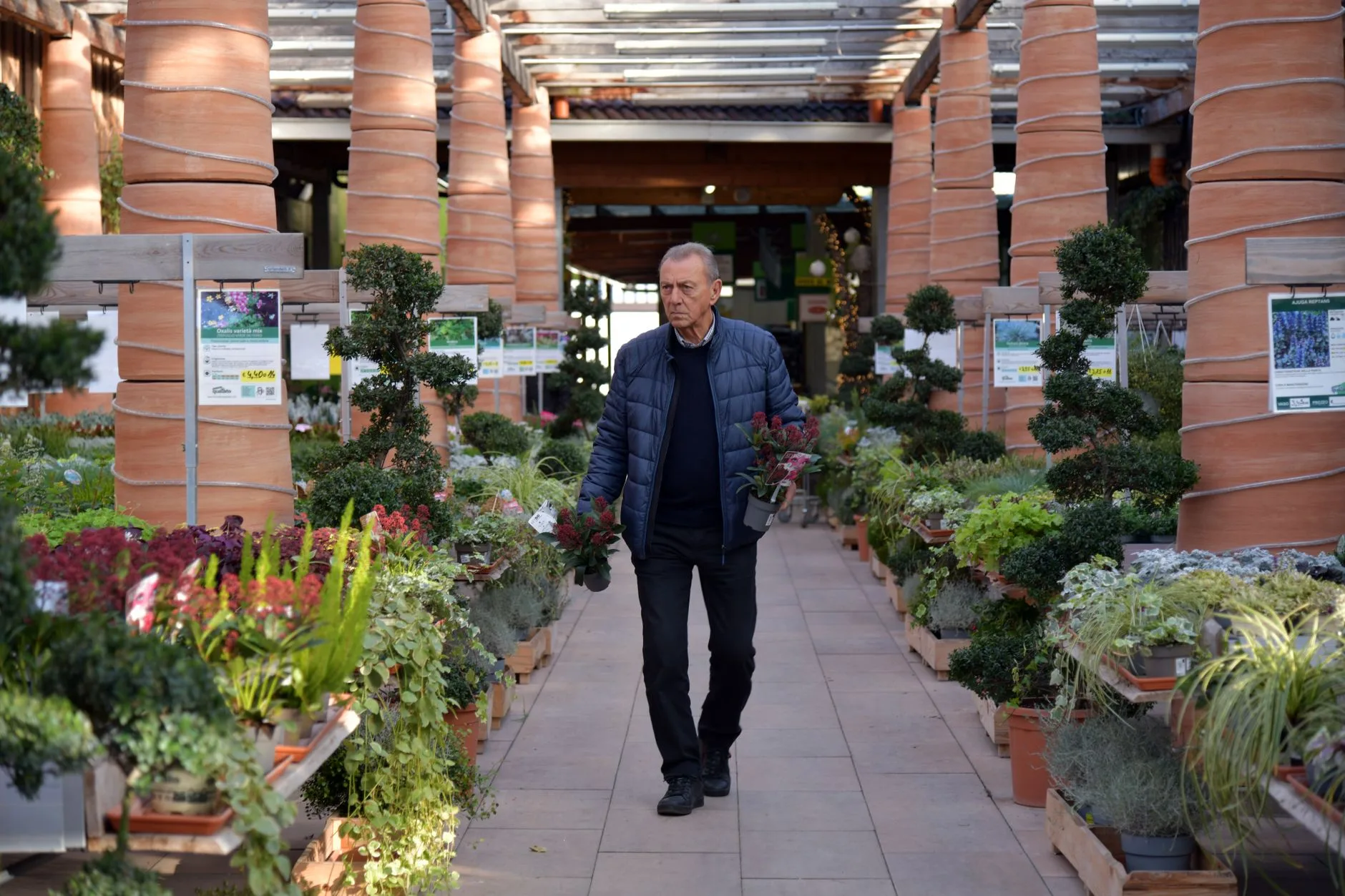
When Container Plants Are Worth Paying More For
Container plants cost more because someone has grown them on in compost, watered them, fed them, moved them, potted them and kept them saleable. You are paying for convenience and visible growth.
That convenience is sometimes worth every pound. Container-grown plants can usually be planted through much more of the year, as long as the ground is not frozen, waterlogged or baked solid. For a normal UK household where the free weekend arrives when it arrives, that flexibility has real value.
Best container buys
I would pay for container plants when buying:
- Evergreen shrubs: choisya, skimmia, pittosporum, camellia and many structural border shrubs.
- Feature plants: acers, olive trees, bay trees, hydrangeas and clipped topiary.
- Perennials in flower: plants where seeing the colour and size helps you place them properly.
- Patio plants: anything going straight into a decorative container for immediate effect.
- Gap fillers: plants bought to solve a visible problem in May, June or July.
Container plants are also easier for beginners. You can see whether the plant is bushy, lopsided, pot-bound or healthy. You can compare three on a bench at a garden centre and choose the best-shaped one. With bare root, you need more trust in the nursery and more confidence in dormant plant quality.
What the extra money buys
The extra spend buys time. A £25 container-grown hydrangea from a UK garden centre may fill a border gap straight away. A smaller bare root or young liner plant might be cheaper, but it may take two seasons to create the same visual effect.
It also buys less seasonal pressure. If you move house in April and want the front garden to stop looking abandoned, container plants let you act now. If you discover a dead shrub in August, a potted replacement is sensible. Bare root is better value only if the timing works.
If the plant is part of a wider border plan, container buying also lets you judge height and colour against what is already there. Our guide to planning a garden border by shape, height and colour is a useful sanity check before spending £40 on a shrub that looks lonely once it is in the ground.
Watch for poor container value
Not every potted plant is good value. Some are small plants in oversized pots, freshly potted before sale. Others are badly pot-bound, meaning the roots circle the pot and struggle to grow into surrounding soil.
Before paying premium prices, slide the plant part-way out of the pot if the retailer allows it. You want roots that hold the compost together without forming a tight, woody mat. Check the compost is moist, the stems are healthy, and the plant is not leaning because it has been grown too close to its neighbours.
If you are paying £40 for a plant, it should look like a £40 plant.
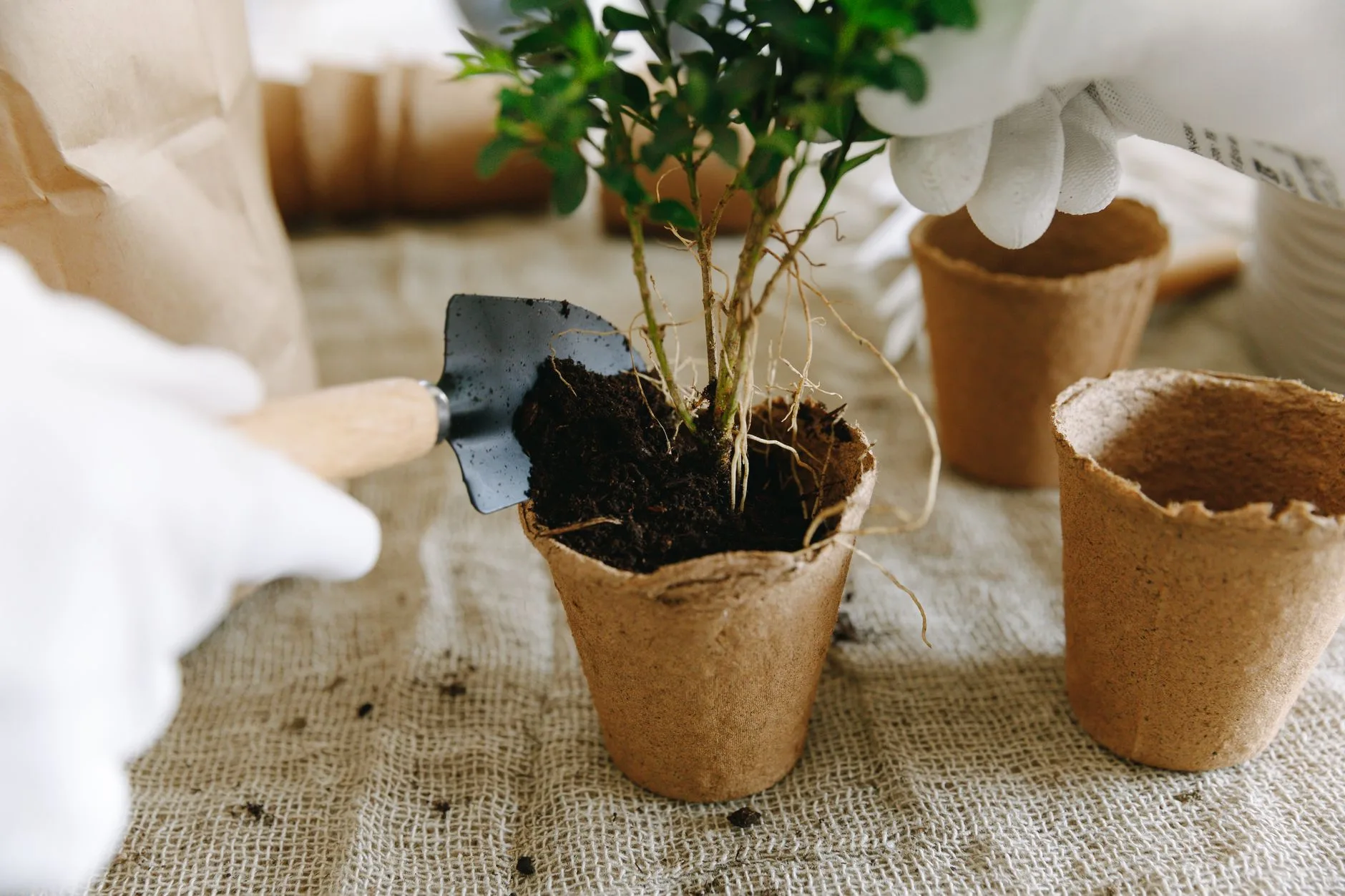
Establishment, Failure Risk and Aftercare Costs
The cheapest plant is poor value if it dies. That is where bare root vs container plants value becomes less obvious.
Bare root plants can establish brilliantly because their roots grow directly into your soil rather than sitting in a compost block. They are not automatically weaker. In fact, for winter-planted hedges and trees, I often prefer them because the plant is not trying to support leaves while recovering from planting.
The risk is dryness. Bare roots must stay damp before planting and need proper firming-in afterwards. If roots dry out in transit, sit exposed on a patio, or go into bone-dry soil, failures rise quickly.
Watering is part of the price
Container plants come with a rootball, but that rootball can dry out like a sponge inside the planting hole. In dry spells, water may run around the rootball rather than into it. This is why newly planted container shrubs can wilt even when the surrounding soil looks damp.
For either type, budget for watering during the first growing season. A new hedge may need a weekly soak in dry weather. A young tree may need 20-30 litres at a time. That is not expensive if you are watering with a can, but it is time, and time is part of value.
For frost and weather timing, our guide on how to protect plants from frost is worth checking before you plant borderline-tender shrubs in a cold snap.
Replacement risk
Some nurseries offer a limited guarantee, especially on trees, roses and hedging. Read the conditions. You may need to plant within a set period, water properly, keep proof of purchase and report failures quickly.
If you are buying bare root in bulk, I would expect a small number of losses and order a few spares. For a hedge, that is normal. For a single expensive tree, I would be fussier and buy from a specialist nursery with clear advice and support.
Container plants should not be assumed safe either. A discounted £8 shrub from a supermarket can be fine, but if it has dried out repeatedly on a windy trolley bay, the bargain may be imaginary. I have had better long-term results from smaller, healthy plants than from big, stressed clearance plants that looked impressive for one weekend.
Soil preparation matters more than format
Bare root and container plants both fail in compacted, hungry or waterlogged soil. Spend some of the saving on preparation. Dig a wide hole, loosen the surrounding ground, remove perennial weeds and mulch after planting. The Woodland Trust tree planting advice is a useful reference for young trees and whips because it keeps the process practical.
For planting schemes in awkward corners, our piece on shade-loving plants for UK gardens is a better next read than forcing sun-loving bargains into the wrong place.
What I Would Buy for Common UK Jobs
The right answer changes by job. Here is where I would spend, and where I would save.
A new boundary hedge
Buy bare root. For a 5-15m hedge, bare root whips are the best value by a mile. Choose 60-90cm plants if you want a sensible balance of price and establishment. Smaller whips are cheaper, but they need more patience and protection.
Budget roughly £1.50-£4 per whip, plus canes, guards and mulch. If rabbits or deer are around, do not skip protection. A cheap unguarded hedge can become an expensive snack.
A small front garden with instant kerb appeal
Buy container plants. You may only need three or five plants, and the visible shape matters. A £25-£45 evergreen shrub, a £30-£40 potted rose and a £20-£35 pot of seasonal perennials can make the space look intentional quickly.
This is where container plants earn their keep. You can arrange them in the trolley, check heights, and avoid the “I planted sticks and hope nobody asks” phase.
Fruit trees for a long-term garden
Buy bare root if planting in winter. The variety and rootstock matter more than buying a tree with leaves on it. A bare root apple on M26 or MM106 rootstock at roughly £30-£45 can be excellent value.
Buy container-grown if you missed the winter window or need a gift tree. Just check the rootstock label, not only the apple variety. A lovely variety on the wrong rootstock can become the wrong-sized tree.
A cottage-style rose border
Buy bare root for the main order. Five bare root roses at £22-£30 each usually beat five potted roses at £30-£40 each. Put the saving into compost, mulch and a proper support for climbers.
For a single rose in flower, buy potted. Seeing the colour in bloom is useful, and the small saving from bare root may not be worth waiting months.
A mixed perennial border
Use container plants, but buy small. Perennials are often better bought in 9cm, 1L or 2L pots than as large expensive specimens. A £4-£8 small perennial can catch up surprisingly quickly if planted well.
For bigger border structure, mix in shrubs carefully. Our guide to low-maintenance plants for UK gardens is a useful filter if you want the border to settle rather than demand constant attention.
Bottom Line
Bare root is the better value when the project is planned, winter-planted and quantity-based. Container plants are the better value when timing, instant effect and plant selection matter more than the lowest unit price.
For most UK gardeners, the best answer is to use both. Buy bare root for hedges, roses, fruit trees and dormant-season structure. Buy container plants for evergreen shrubs, patio displays, summer gaps and anything you want to judge by eye before paying.
The biggest mistake is buying container plants for a whole hedge because they look better on day one. The second biggest is buying bare root plants without preparing the ground, then blaming the nursery when half of them struggle. Spend where it changes the result. Save where patience does the same job.
Frequently Asked Questions
Are bare root plants always cheaper than container plants? Usually, but not always after delivery and extras. Bare root is clearly cheaper for hedging, roses and fruit trees bought in numbers. For one plant, the delivery cost can shrink the saving.
When can I plant bare root plants in the UK? Most bare root plants are planted while dormant, usually from November to March. Avoid frozen, waterlogged or very dry ground, and plant as soon as you can after delivery.
Do container plants establish faster than bare root plants? They look established faster, but that is not the same thing. Bare root plants can root into the soil very well if planted correctly in winter. Container plants need careful watering because the rootball can dry out.
Which is better for hedging: bare root or container plants? Bare root is normally better value for a new hedge. Container hedging is useful if you need instant screening or are planting outside the bare root season, but it costs much more.
Are bare root roses worth it? Yes, especially if you are buying several roses and can plant in winter. Potted roses are better when you want one plant immediately or want to see the flower colour before buying.
What should I check before buying container plants? Check the plant is healthy, evenly shaped, well watered and not badly pot-bound. If the roots are circling tightly around the pot, choose another plant.